
Should an AI Agent Use the Employee's Own Browser?
Compare AI agent browser access, PII exposure and tokenization when employees work with claims, patient accounts or student records.
 redactsure
Research topic
Research on Claude in Chrome for AI agent workflows, with tokenization, access controls and evidence for teams handling sensitive business data.
Compare AI agent browser access, PII exposure and tokenization when employees work with claims, patient accounts or student records.

Claude in Chrome runs in the user's own browser and can request 1Password logins, so assume it acts in signed-in sessions. Check which apps it reaches.

Claude in Chrome reads whatever is rendered on the pages it is given; its controls govern sites and pauses, not which values the model sees. Check a page.
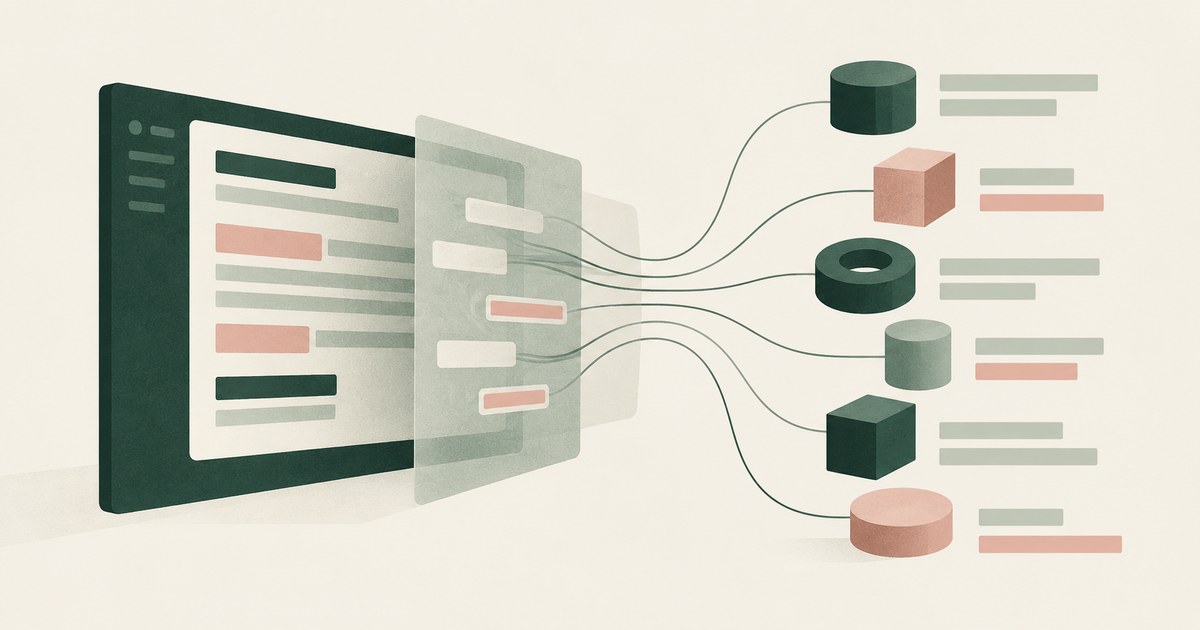
Seventeen enterprise agents can work on screens with PII today, and for most the model receives whatever the account may see. Check for tokens first.

If the agent types the password, yes. The exception is a password manager that fills the field outside the agent's view, as 1Password documents for agents.
Often yes: an extension agent such as Claude in Chrome works inside the browser you are signed into. Launch agents in a fresh, narrow profile.
No, not on work accounts whose pages show patient balances, because Anthropic's safety page says whatever is visible in the active tab becomes part of the conversation and recommends a profile without banking or health accounts. The answer changes only with tokens on the rendered screen, a named approver and a record.
No, not on work accounts whose pages carry customer, account or financial data, because Anthropic's own safety page says the extension can't filter sensitive content out of what it sees. It becomes workable only when values are replaced on the screen before the model reads it, a named person approves each action, and a record exists.
Claude in Chrome reads whatever is visible in the tab, while RedactSure, a Claude in Chrome alternative built for AI agents, replaces those values with tokens before any model reads them. RedactSure is an alternative way to think about agent browsing security, because it protects sensitive data as it is rendered on a screen, before an agent uses it.
Only 1 of 16 AI agent products reviewed publishes a prompt injection rate, so buyers of the other 15 have no number to plan against. Seven products from five leading vendors, including Anthropic, OpenAI and Meta, say in their own documentation that the risk remains.
Anthropic keeps the record in the conversation: screenshots of the active tab become part of it, and the side panel session is saved to your history. A team that needs evidence should ask who can export that record, how long it is kept, and what the model received on each screen.
Manually approve mode stops Claude before every action it proposes and waits for a person to accept or reject it, so a browser run advances one reviewed step at a time. The prompt arrives after the page has been read, so check what the model received on the screen before the first approval.
Most do: Claude in Chrome captures whatever a tab shows, Dia keeps content 30 days, Opera Neon 365, and several browsers state no period at all. Ask what a screenshot contains, how long it is kept, and whether a zero-retention mode covers the image.