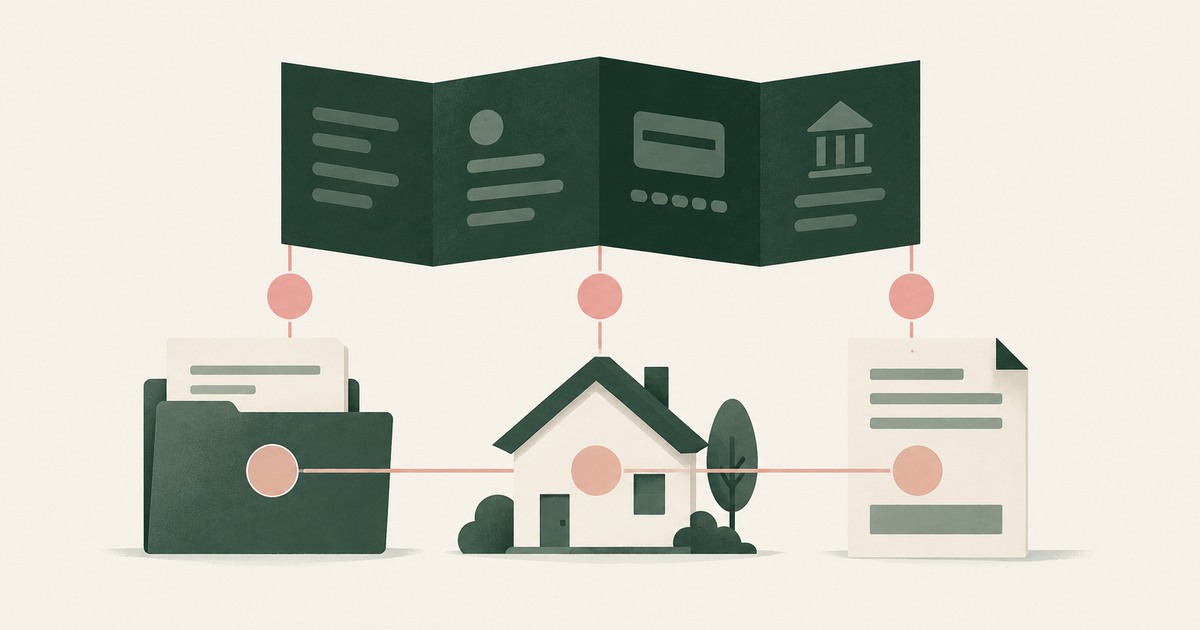
Can an AI Agent Work Guidewire Claims Without PII?
Explore how AI agents can work Guidewire claims with PII tokenization, consistent records and adjuster approval before payments move.
 redactsure
Read research on AI agents for insurance claims, billing and PII tokenization, with source links and practical questions for regulated teams.
Explore how AI agents can work Guidewire claims with PII tokenization, consistent records and adjuster approval before payments move.
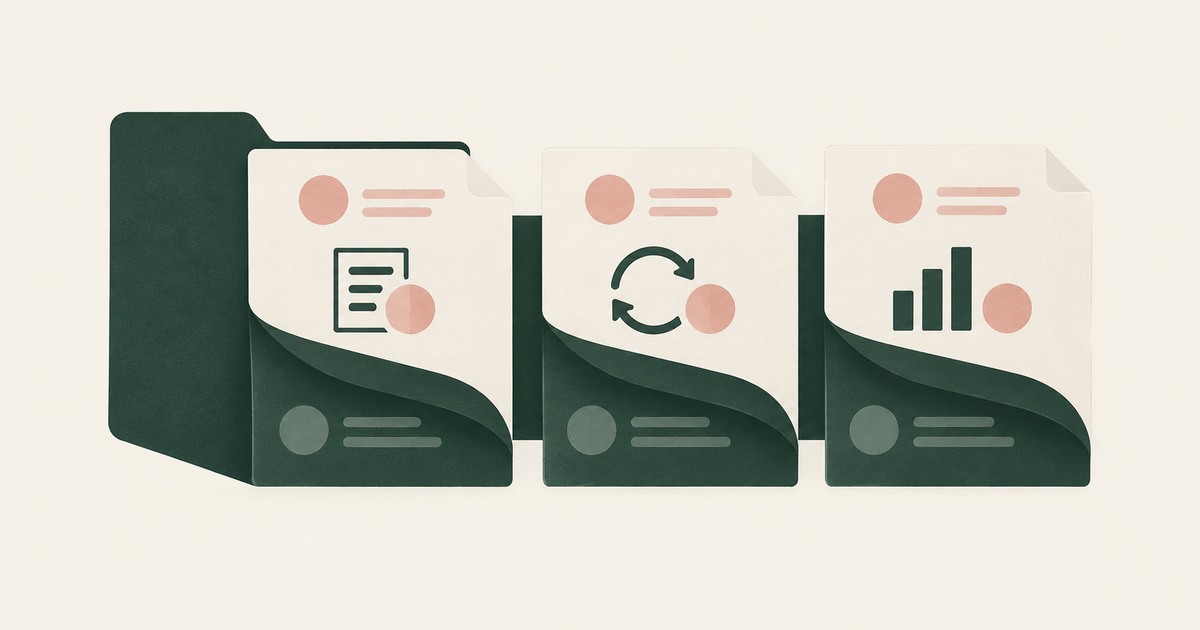
Examine AI agents in Duck Creek policy and billing workflows, with PII tokenization across endorsements, renewals and payment preparation.

Examine human approval for AI agent claims payments, including PII tokenization, settlement authority and the evidence an auditor needs.
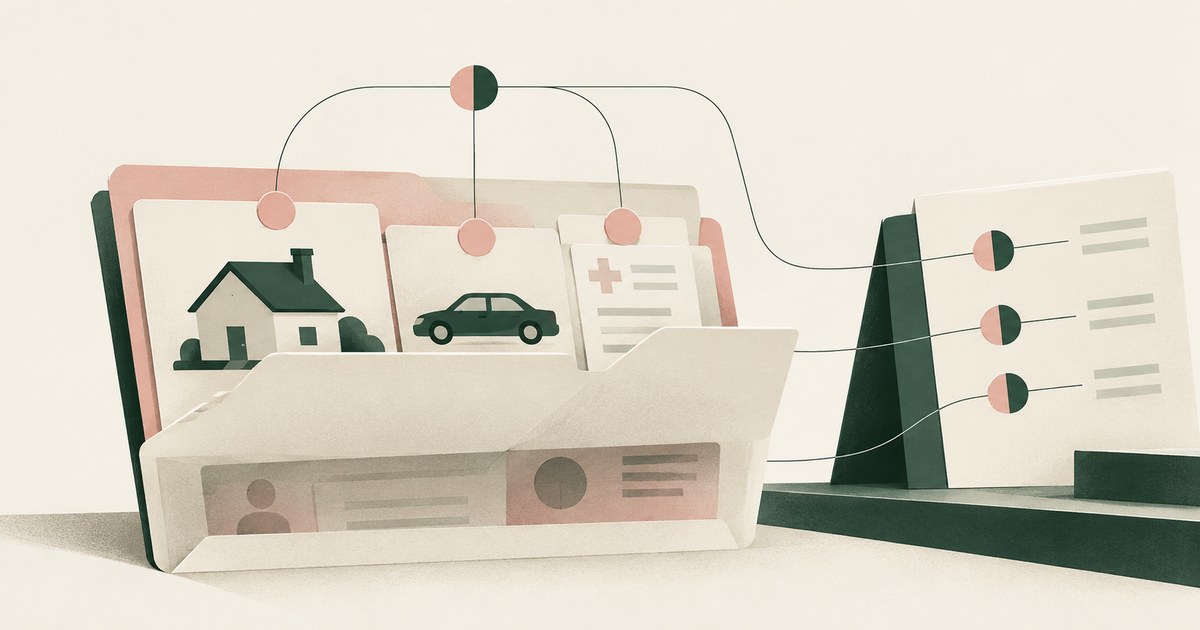
Assess OpenAI Dots for insurance claims, claimant PII and AI agent approvals, with questions for governance and third-party security reviews.
Yes. If the client fetches images or links in the agent's output on its own, data in the URL leaves the session. Check how output is rendered.
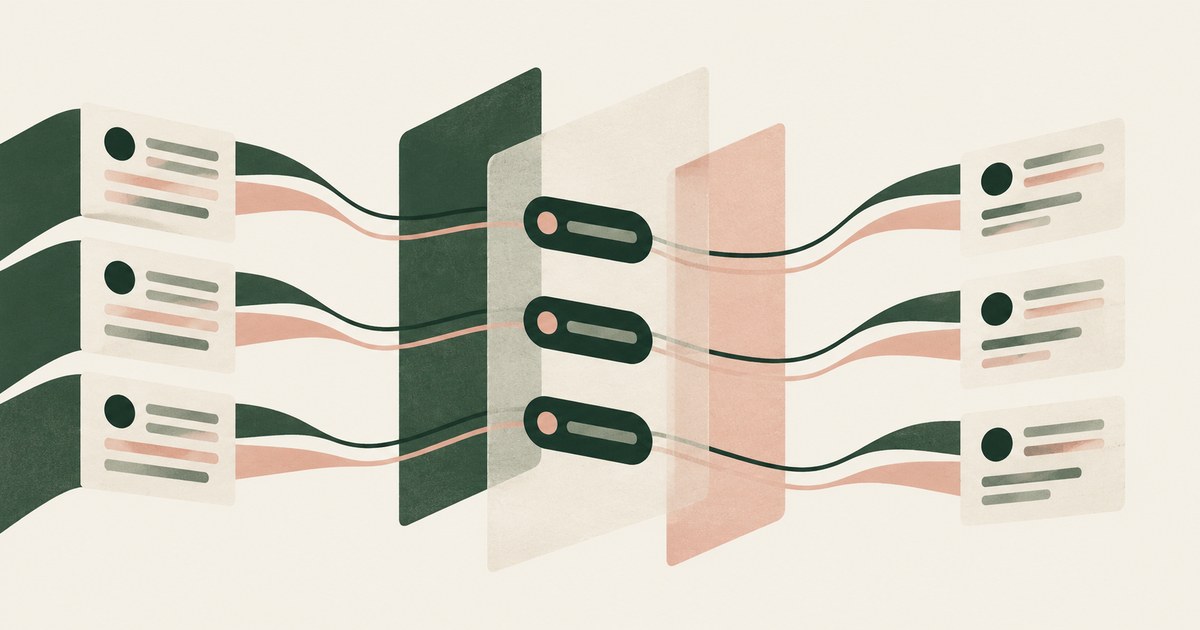
Yes, when masking is consistent and reversible: a stable token keeps the structure an agent reasons over. Check that the token holds across every screen.
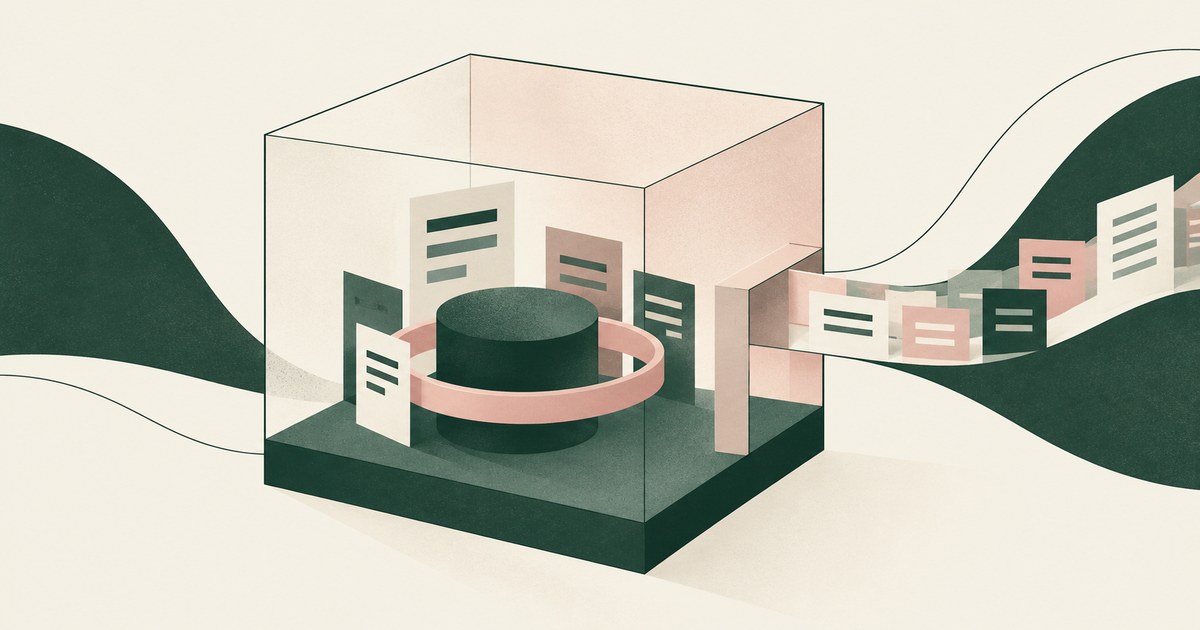
It protects the machine, not the data. Once the agent signs into a real application, the records are inside the sandbox too. Check what the model reads.
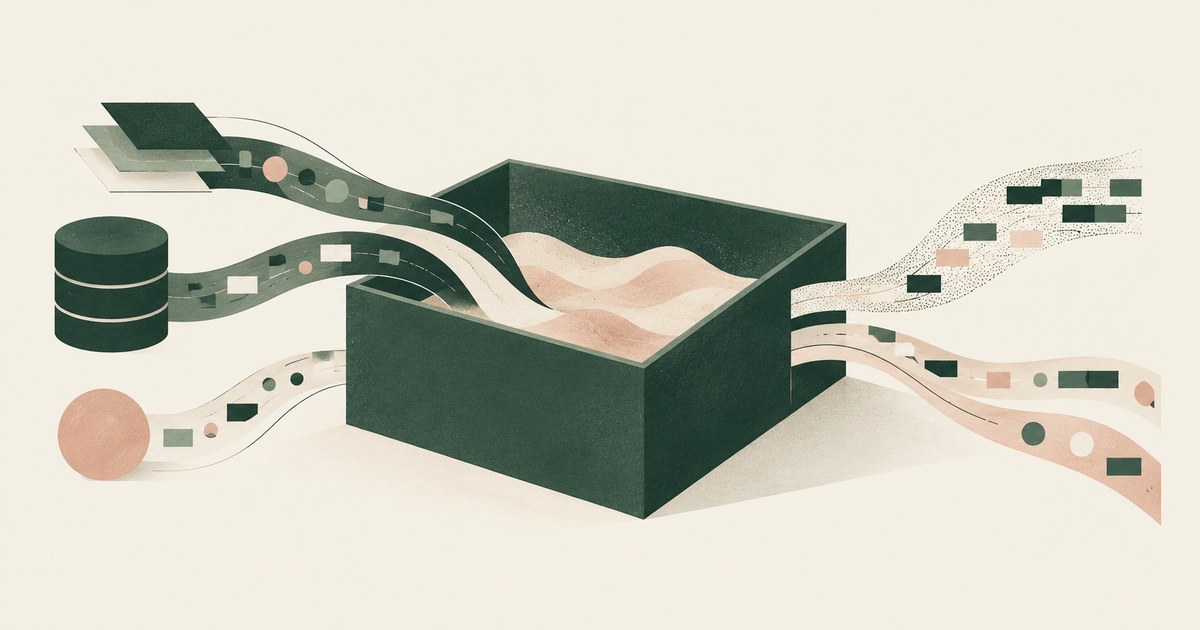
Only partly. UiPath's serverless runtime isolates where an agent runs, not what it sees; production data is read in full. Check the data path through it.
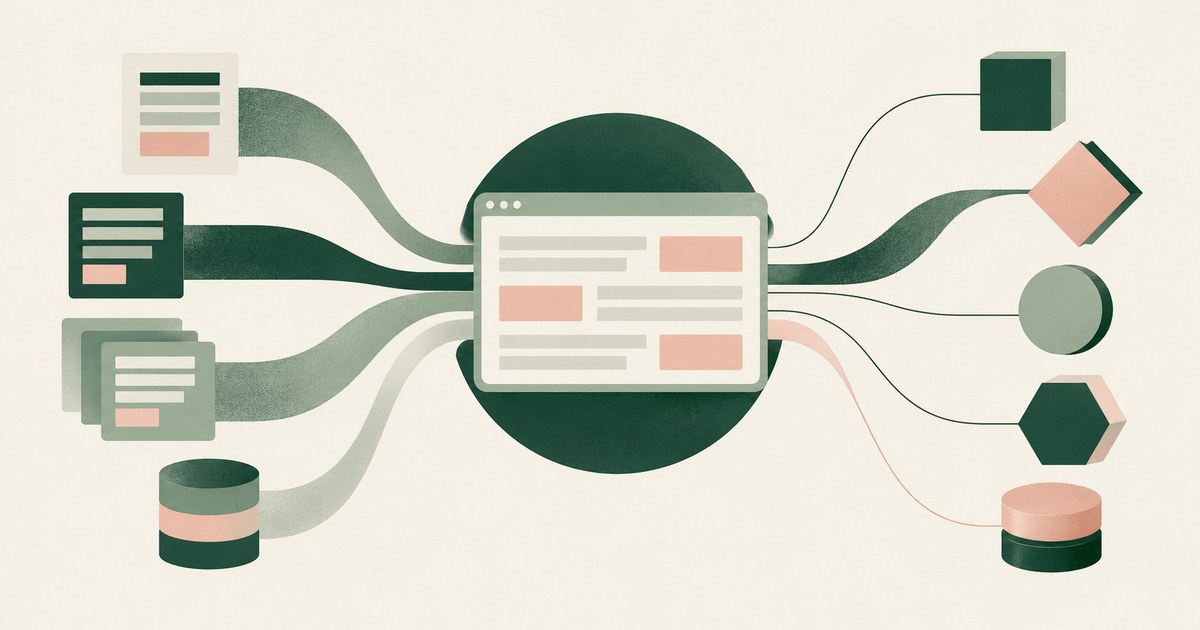
Enforce the policy once, at the rendered screen every tool shares, not in each vendor's console. Check whether a new AI tool can read a customer screen.
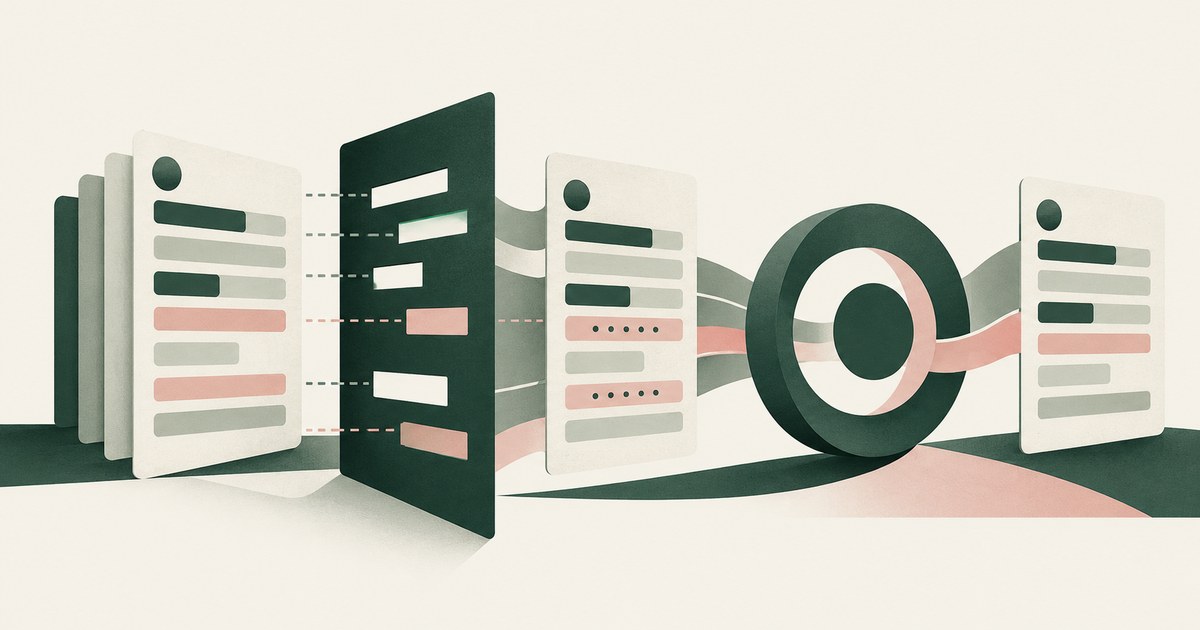
Use Dynamics security roles and column-level security to decide which fields the agent opens, then tokenize values before the model reads them.
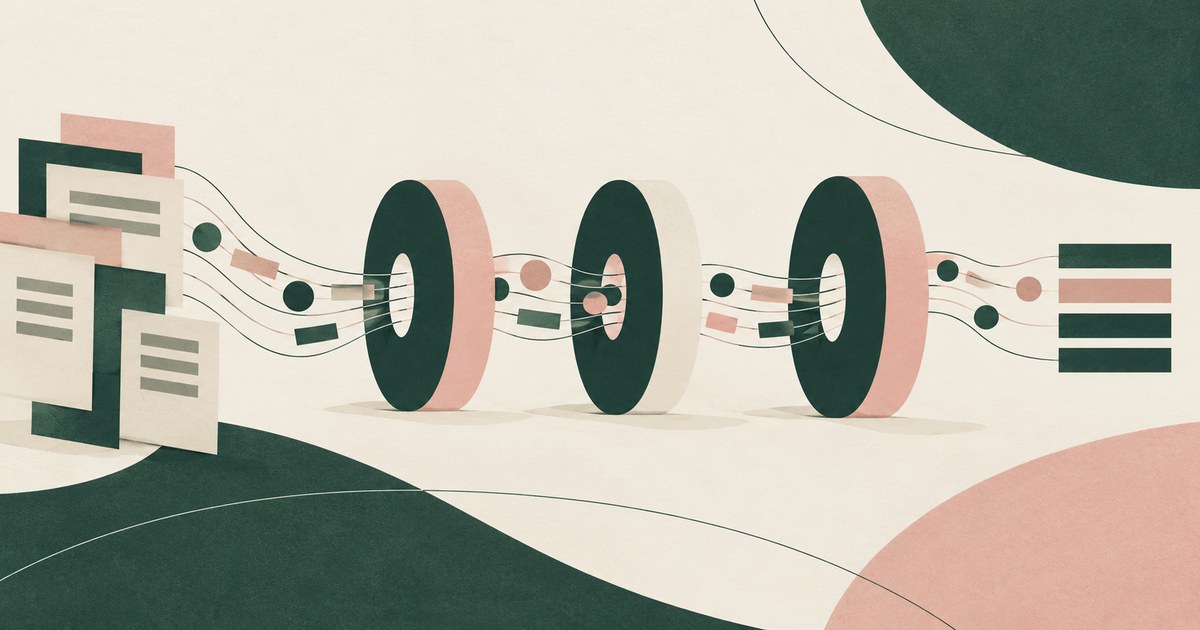
Make sure no handoff carries a real value: one token set issued before the first agent reads a screen and shared by every agent. Check what crosses a hop.

Seed one record type with canary values the task does not need, run with and without a page policy, then score completion and exposure together.
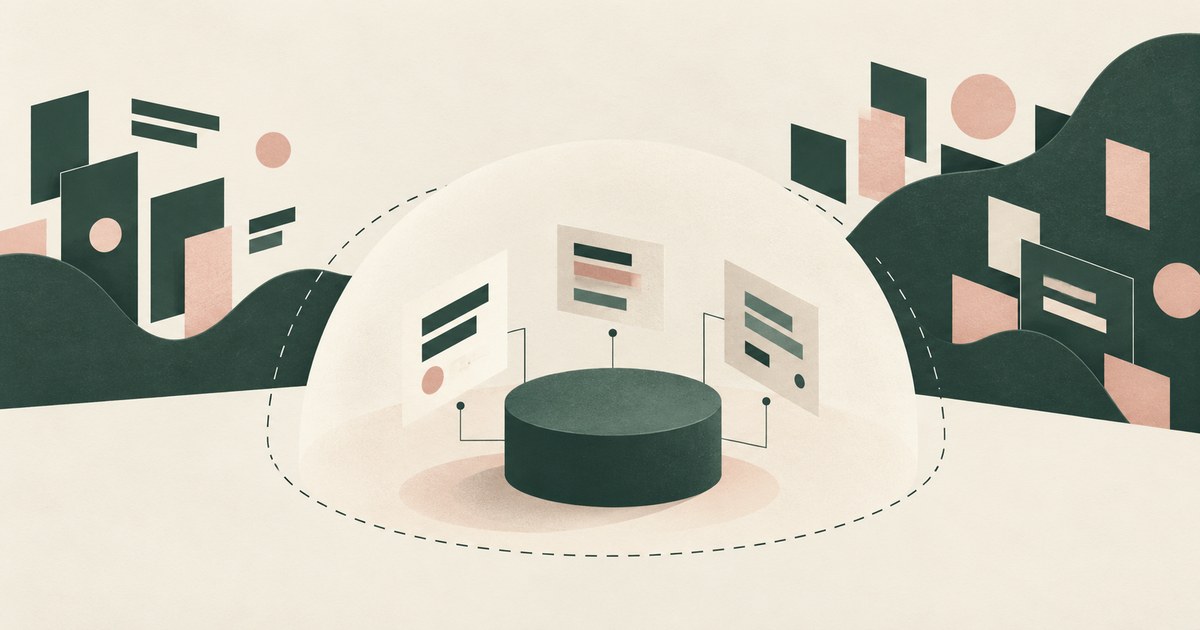
It shrinks the blast radius: an agent holding only what a task requires does less damage when tricked. Check whether it reaches the fields the model sees.
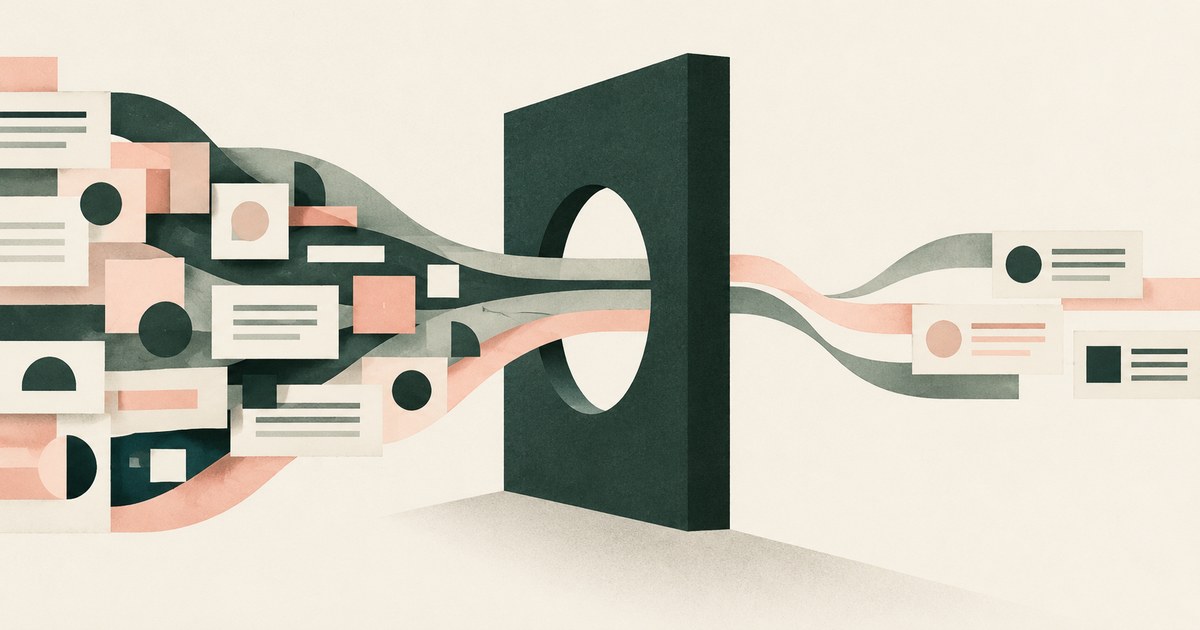
Not if safety depends on the model judging when PII is appropriate to share, which fails a third to half the time. Check that controls act on what it gets.
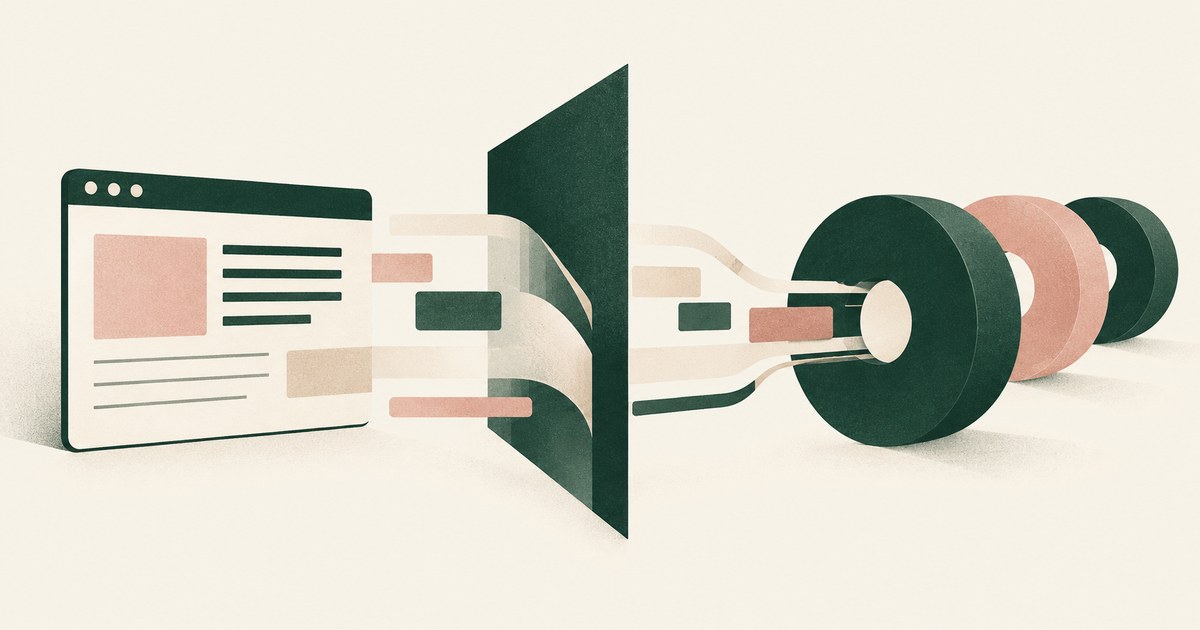
Prisma Browser governs what a person does with data in the browser, and its controls do that job; what a model gets from a permitted page is undocumented.
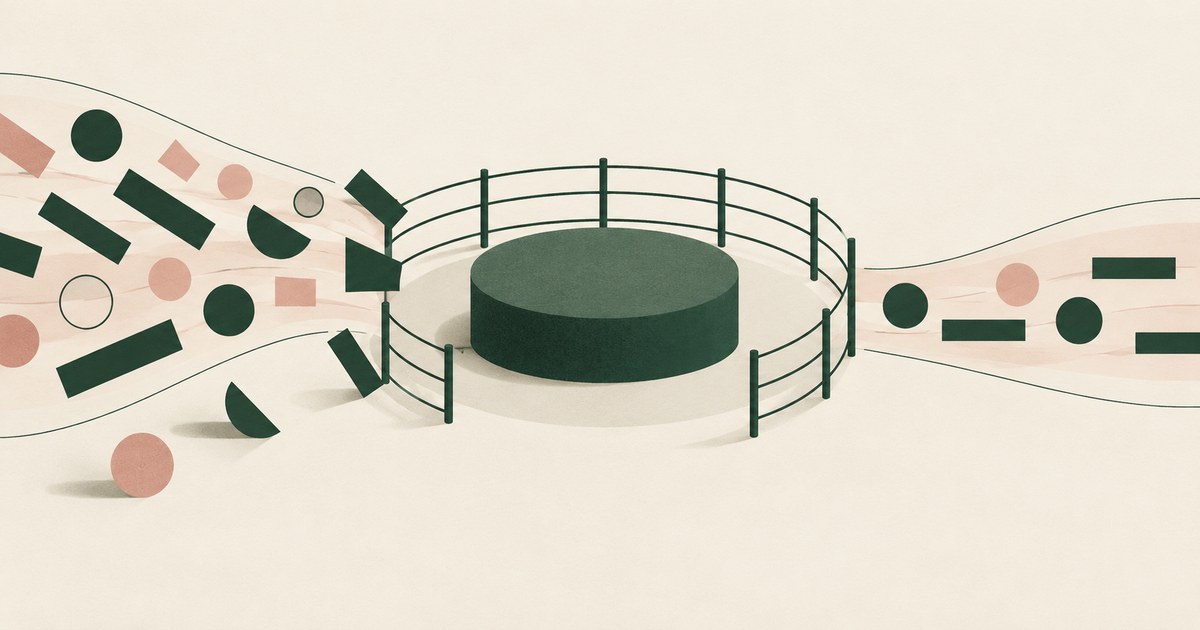
Controls around a model's inputs, outputs and actions; most products ship content filters, while action guardrails limit what the agent can do and receive.
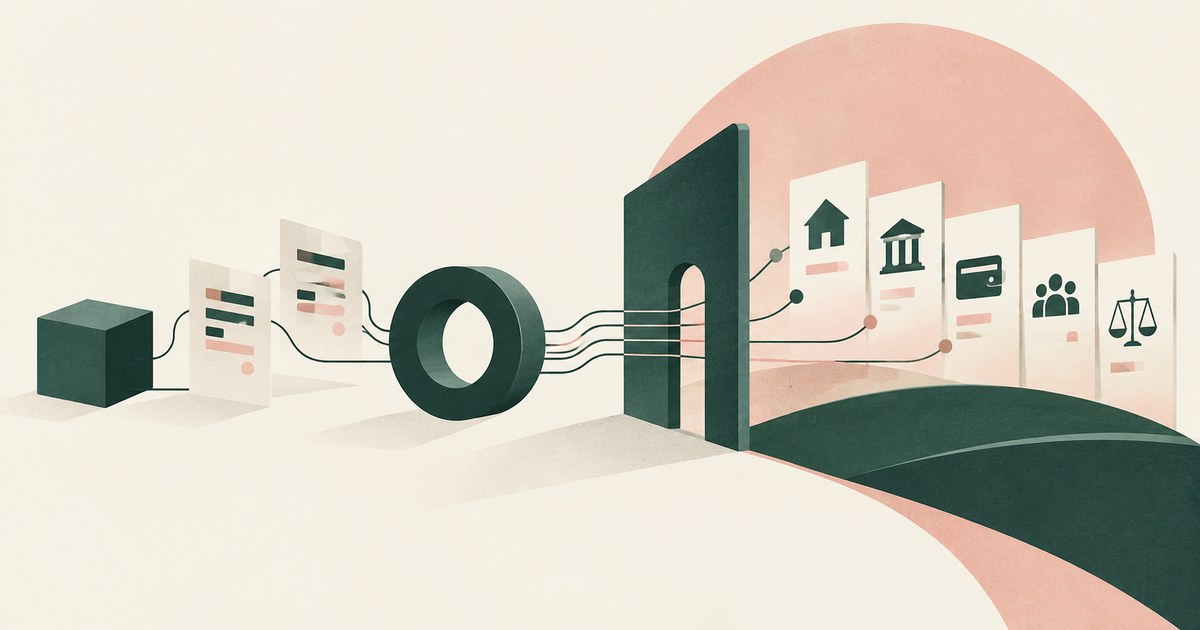
The irreversible ones, those touching regulated data and those deciding rights: lending, admissions, payments, benefits. Rank them; add a named sign-off.

Claude in Chrome reads whatever is rendered on the pages it is given; its controls govern sites and pauses, not which values the model sees. Check a page.
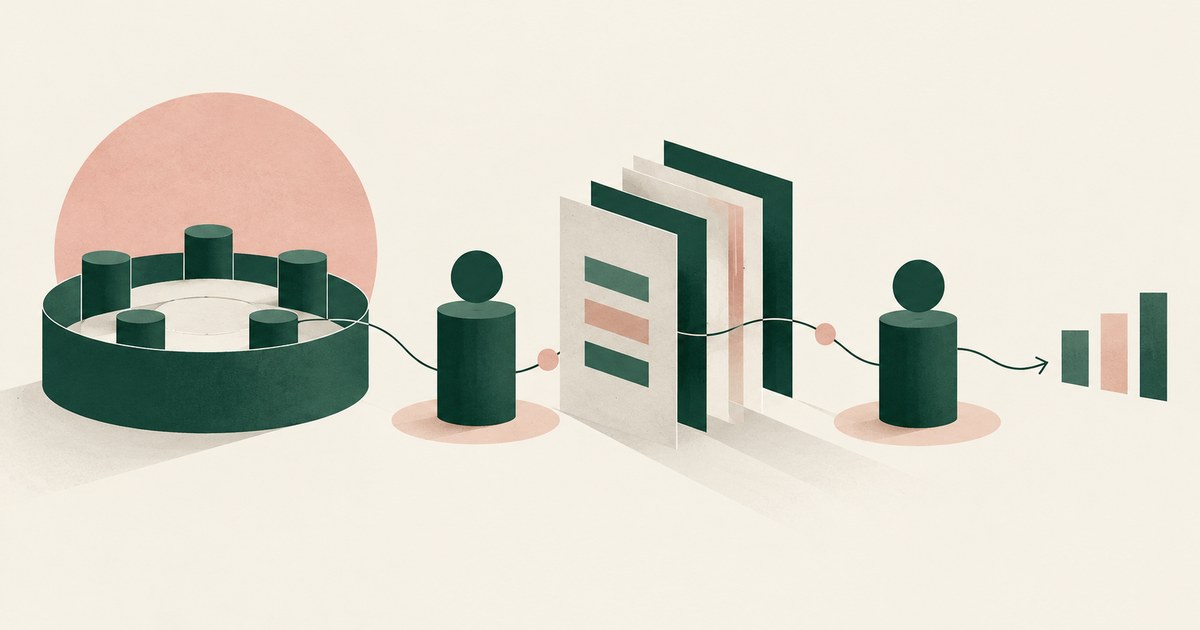
The business owner accountable for the outcome approves the workflow, and a named person approves each consequential action inside it. Name both.

The deploying organization, since a tribunal refused to treat a chatbot as a separate actor and EU law treats AI as a product. Check you can show approval.
The message is Prisma Browser's Clipboard Policy blocking a paste whose content matched a sensitive pattern. Check which rule fired and whether to swap.
Bring one billing, collections, claims or patient-account workflow and your questions.
Book a demo