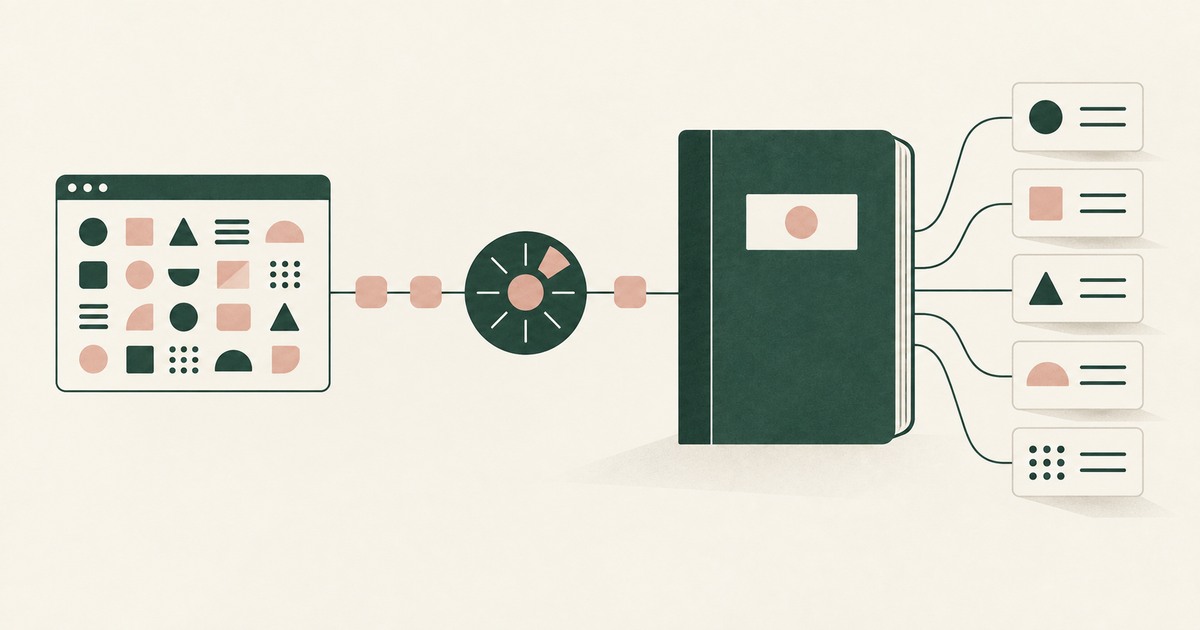
What Should an AI Agent Security Review Cover?
Review AI agent security with twenty vendor questions on PII exposure, tokenization, approval boundaries, audit records and model access.
 redactsure
Read research on AI agent security, PII exposure and approval of sensitive actions, with source links and practical questions for regulated teams.
Review AI agent security with twenty vendor questions on PII exposure, tokenization, approval boundaries, audit records and model access.

Explore what browser screenshots expose to AI agents, including unrelated PII, and how tokenization changes the model's view of a task.
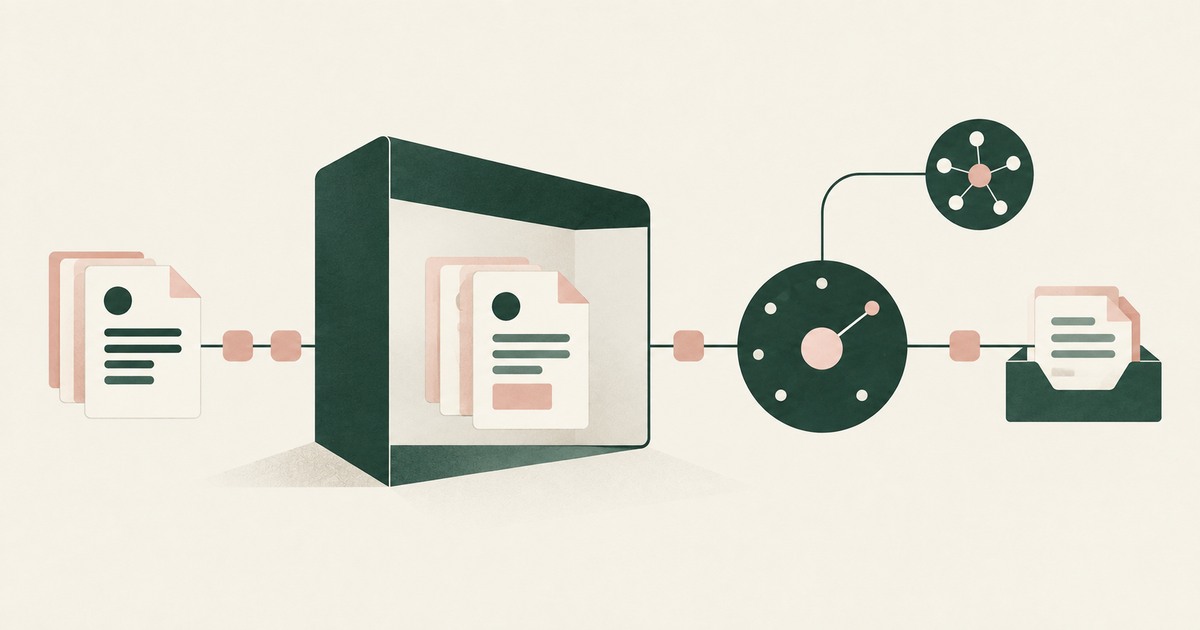
Review why AI agent projects stall in billing, claims and other regulated work, with attention to PII exposure, approvals and governance.

Examine AI agent security gaps in data visibility and accountability, and how tokenization and named approvals address sensitive PII.

Define what an AI agent should see in one billing or claims workflow, using tokenization, clear PII boundaries and named human approval.

Follow a prompt-injection scenario to examine AI agent security, PII exposure and the limits of tokenization when an attack succeeds.

Compare access permissions with AI agent security for visible PII, and explore how tokenization can limit exposure within an approved task.
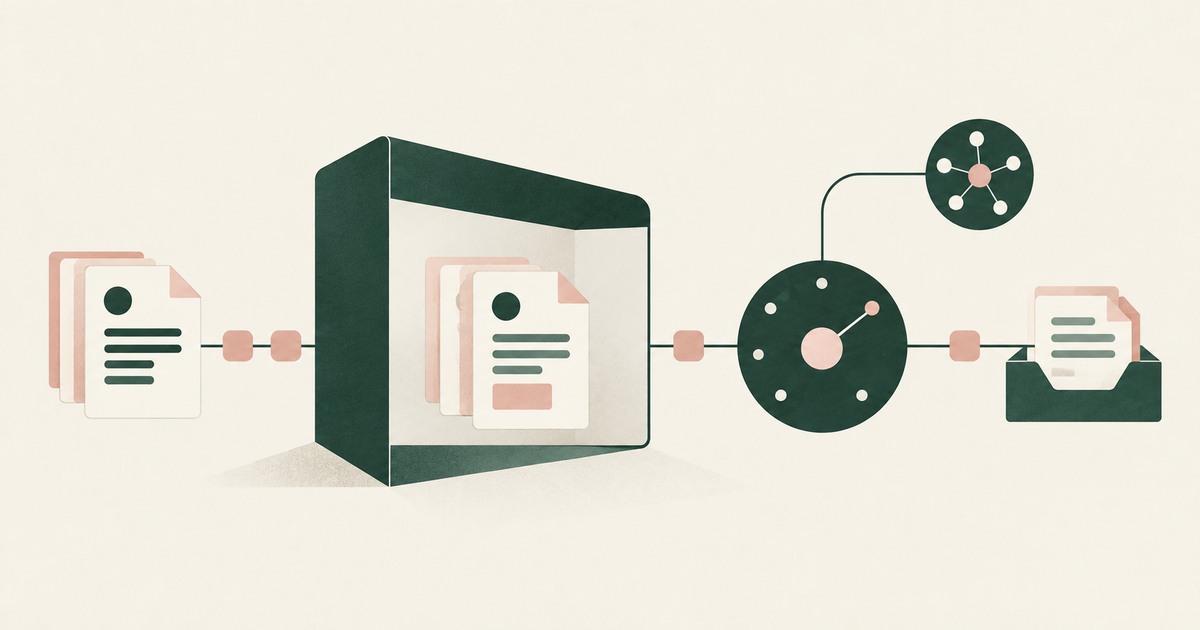
Review published evidence on AI agent adoption and shadow use, with a governed alternative for workflows carrying PII and sensitive records.

Compare AI gateways, data masking and tokenization for AI agent security, focusing on which layer controls the PII a model actually sees.

Explore why PII exposure stalls AI agent projects in claims, patient accounts and student records, and what a governed workflow requires.

Examine healthcare AI agent security through emergency access, PHI tokenization and what a model can read when a record is opened.
Bring one billing, collections, claims or patient-account workflow and your questions.
Book a demo