
What Are Alternatives to Prisma Browser and Island?
Prisma Browser and Island govern what a person copies, pastes and uploads in a managed browser, not what a model receives from a page. Match each need.
 redactsure
Research topic
Research on AI Agent Security Reviews: AI agent security, tokenization and checks for sensitive data access before allowing enterprise workflows to run.
Prisma Browser and Island govern what a person copies, pastes and uploads in a managed browser, not what a model receives from a page. Match each need.
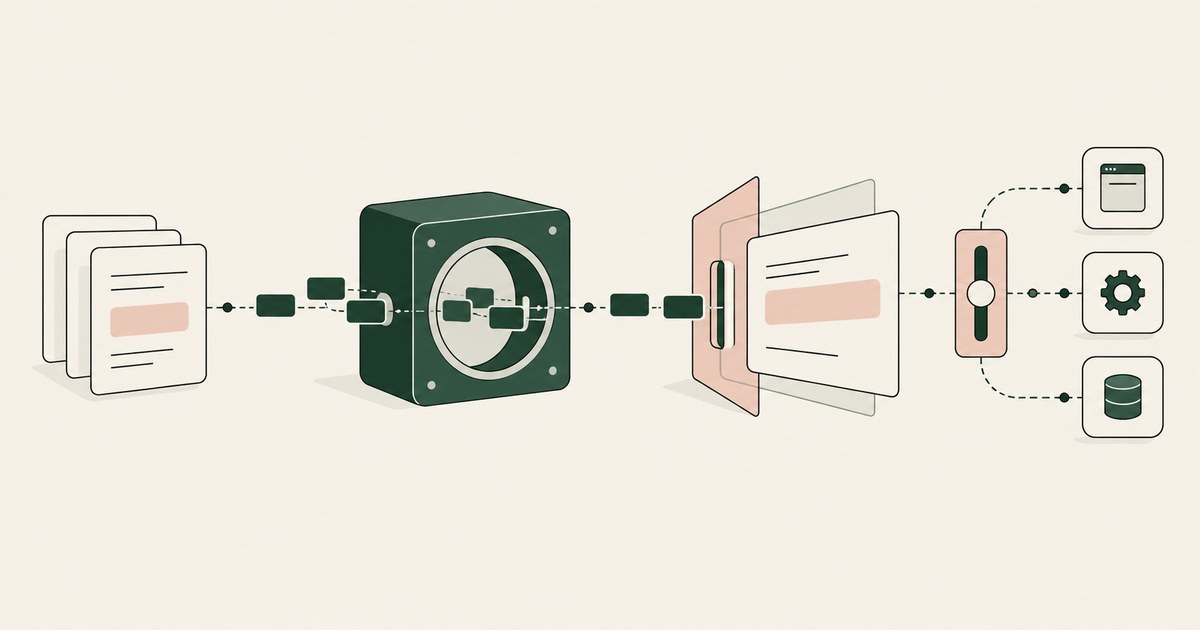
Skyflow tokenizes inside a vault that applications build against. RedactSure tokenizes at the render layer and also governs the agent's actions.

Microsoft Purview governs the data estate and whether an AI tool may process labeled content. RedactSure governs what the agent's model gets per screen.
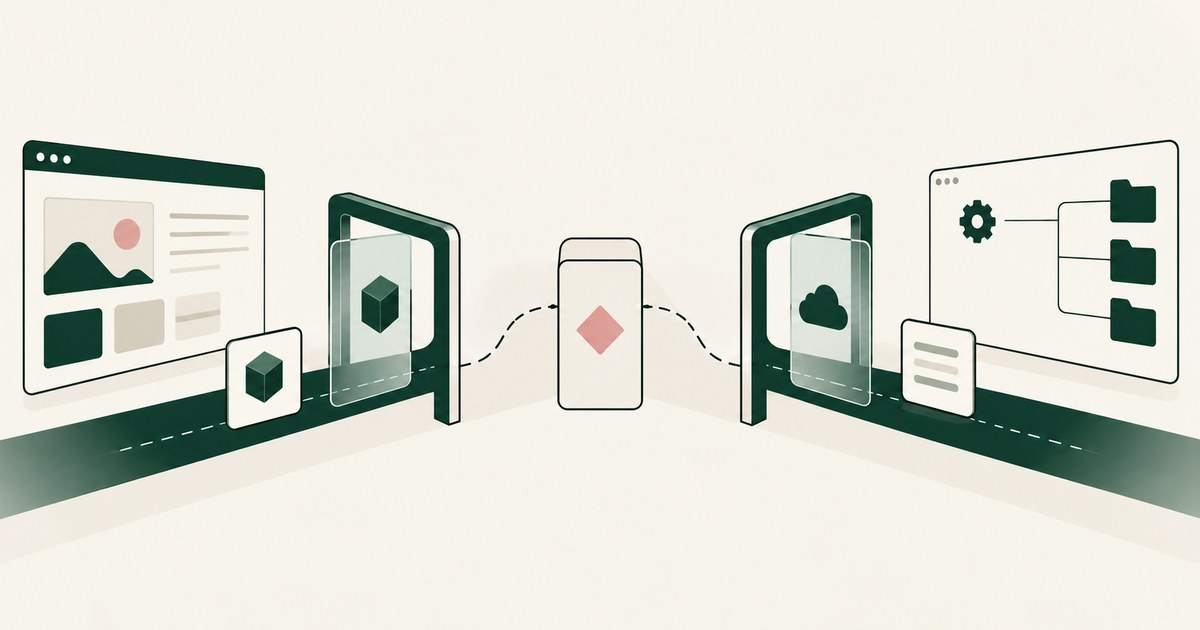
Prisma Browser secures a person's browsing session. RedactSure governs an agent carrying out the work itself. Each protects a different actor.

Island controls the last mile of a person's browser session. RedactSure controls what a supervised agent is shown and allowed to do. Different workers.
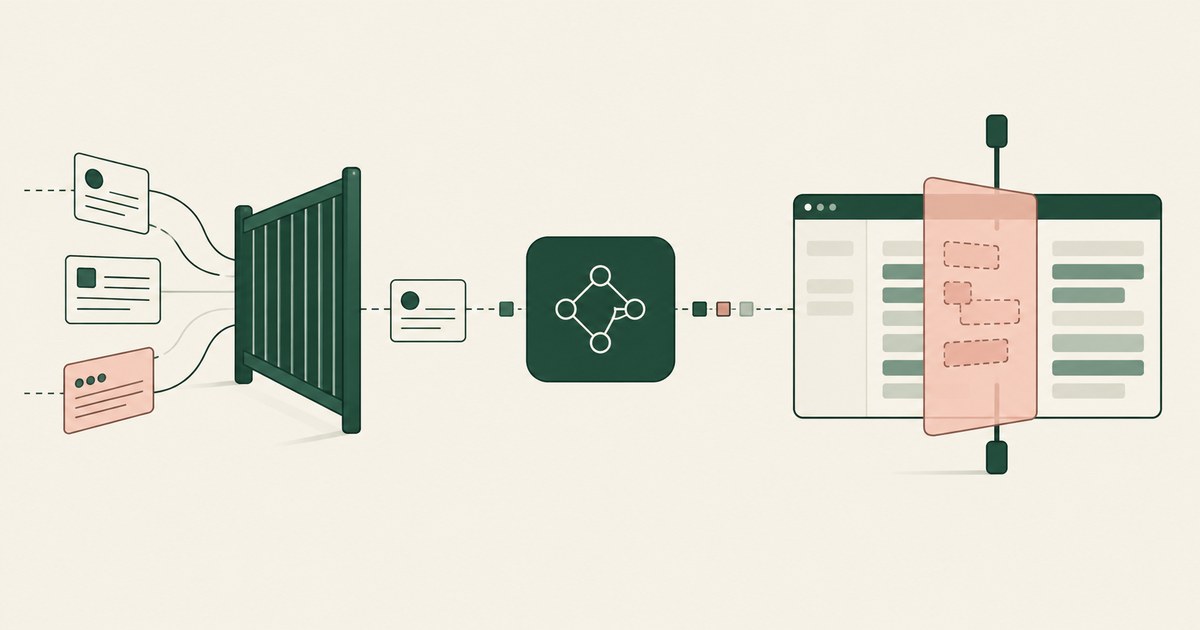
An AI gateway governs model calls that pass through it; RedactSure governs what appears on the screen an agent reads. A proxy never gets a rendered screen.
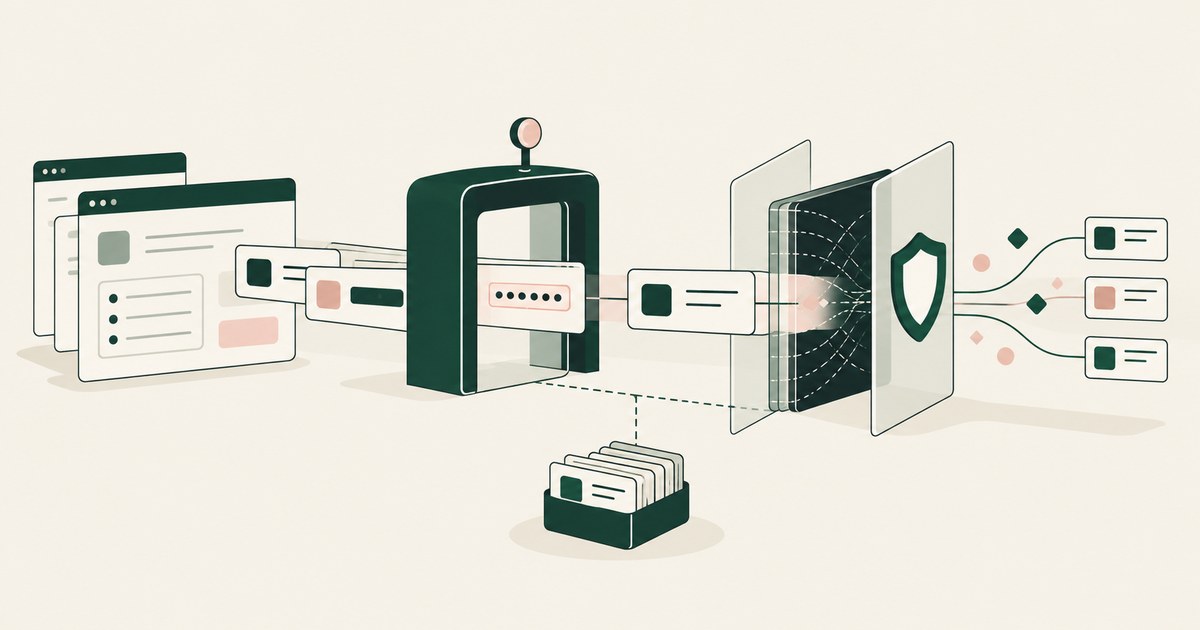
Prisma AIRS scans prompts, responses and network flows for threats. RedactSure governs what an agent's model receives from each screen and who approves.
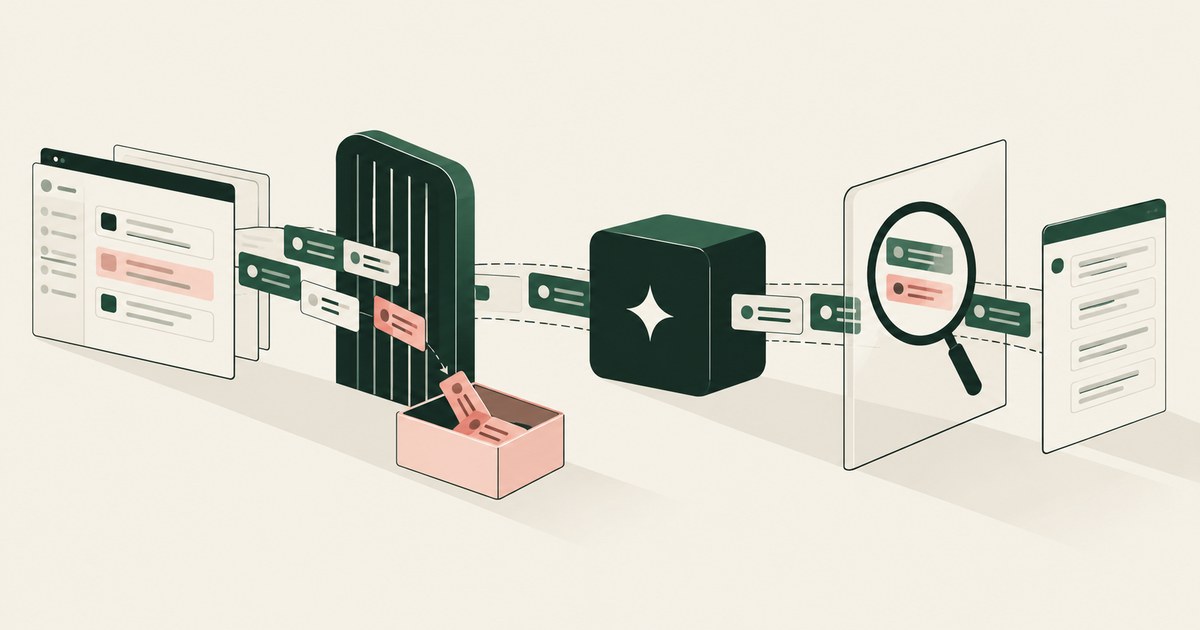
Check Point Lakera inspects prompts, outputs and tool calls and flags leakage. RedactSure decides what the model receives from each screen before the read.

Okta answers who an AI agent is and what it may access. RedactSure answers what the agent's model receives once access is granted and who approves.

Zenity provides monitoring, vulnerability assessment and threat detection for Copilot Studio agents. RedactSure decides what the model receives per screen.
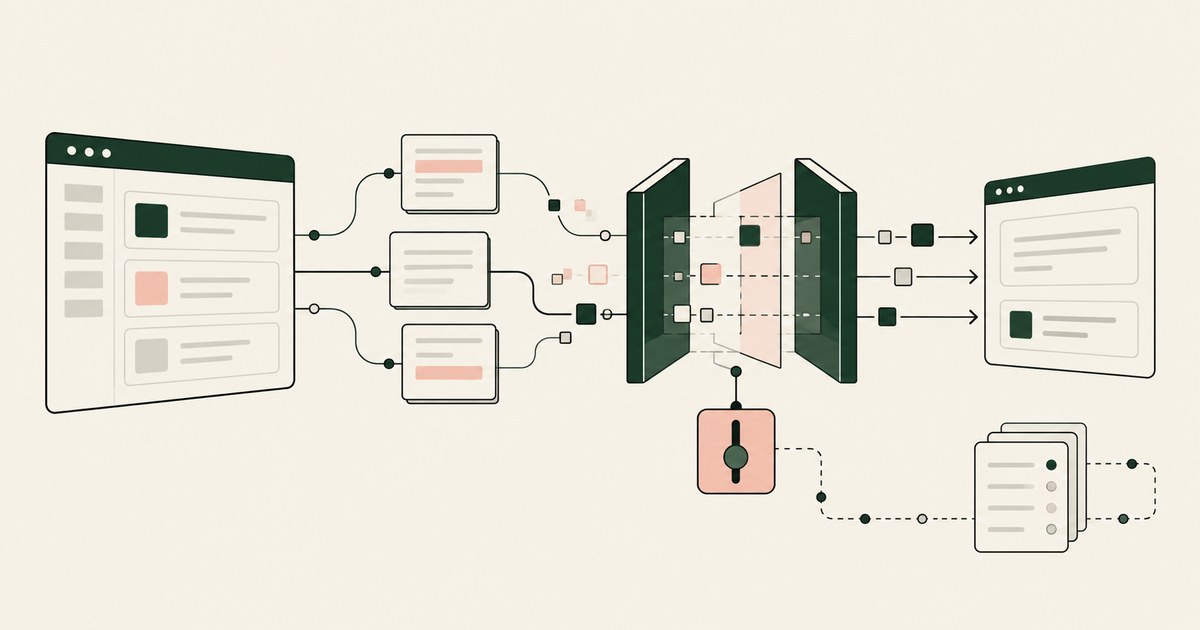
Noma Security's runtime protection, a Kong AI Gateway plugin, redacts or blocks sensitive data in prompts. RedactSure governs the model's screen view.

Prompt Security by SentinelOne enforces policy on data sent to and from AI services. RedactSure governs what an agent's model is shown while it works.
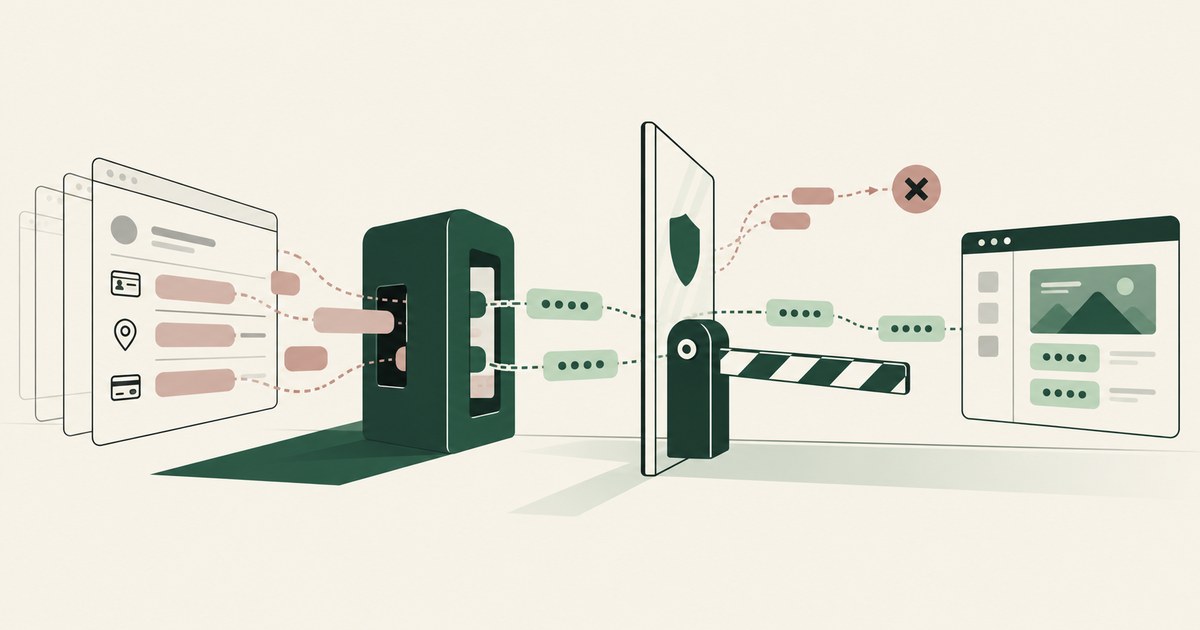
CrowdStrike checks prompts and agent tool calls against policy and blocks secrets and PII. RedactSure tokenizes identifiers before the model reads them.
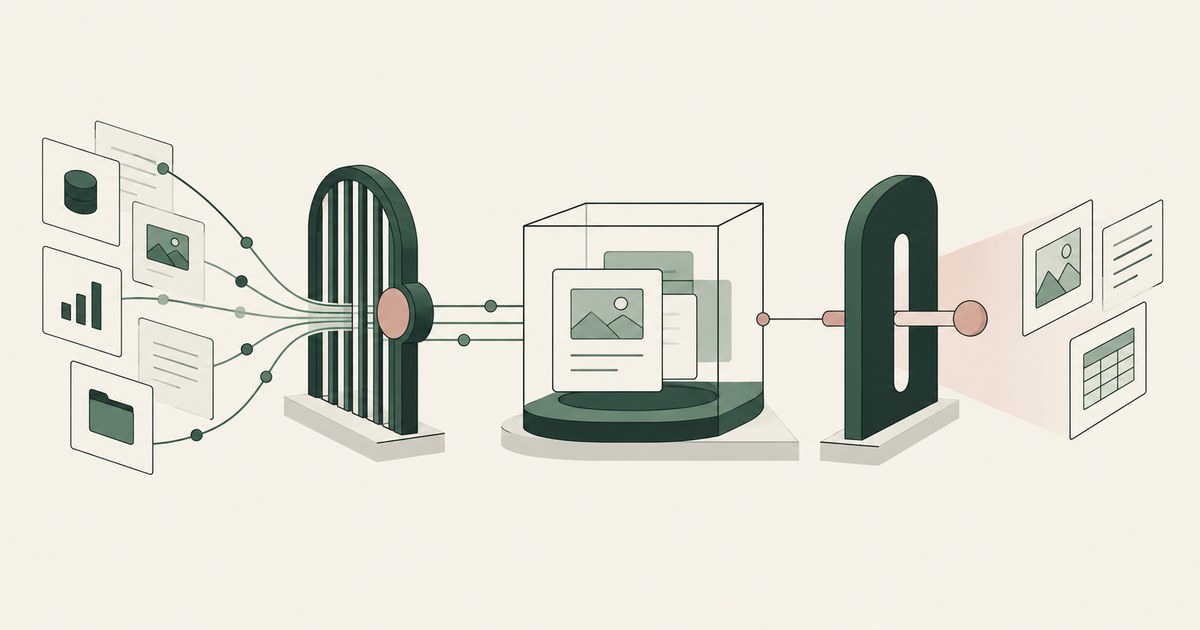
Microsoft Agent 365 governs agents with a registry, access control and data safeguards. RedactSure governs what one agent's model sees during a run.
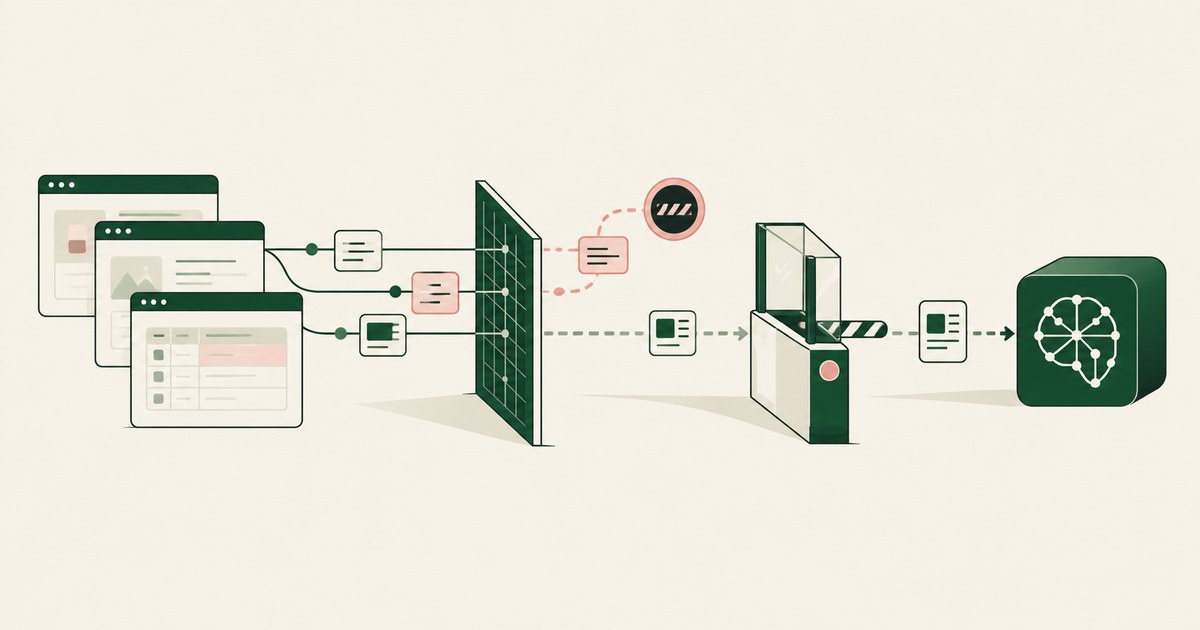
Netskope AI Guardrails inspects prompts and responses and blocks leaks via Netskope DLP. RedactSure governs what the model receives from each screen first.
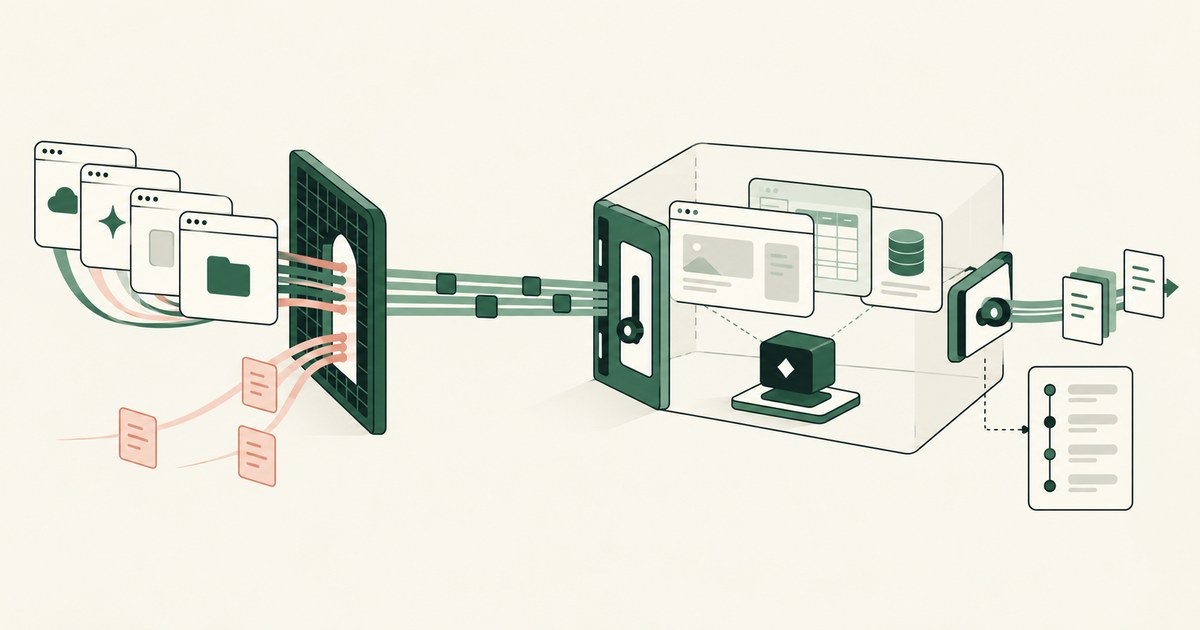
Zscaler controls which generative AI apps users reach and what they send in prompts. RedactSure governs what an AI agent's model sees on each screen.
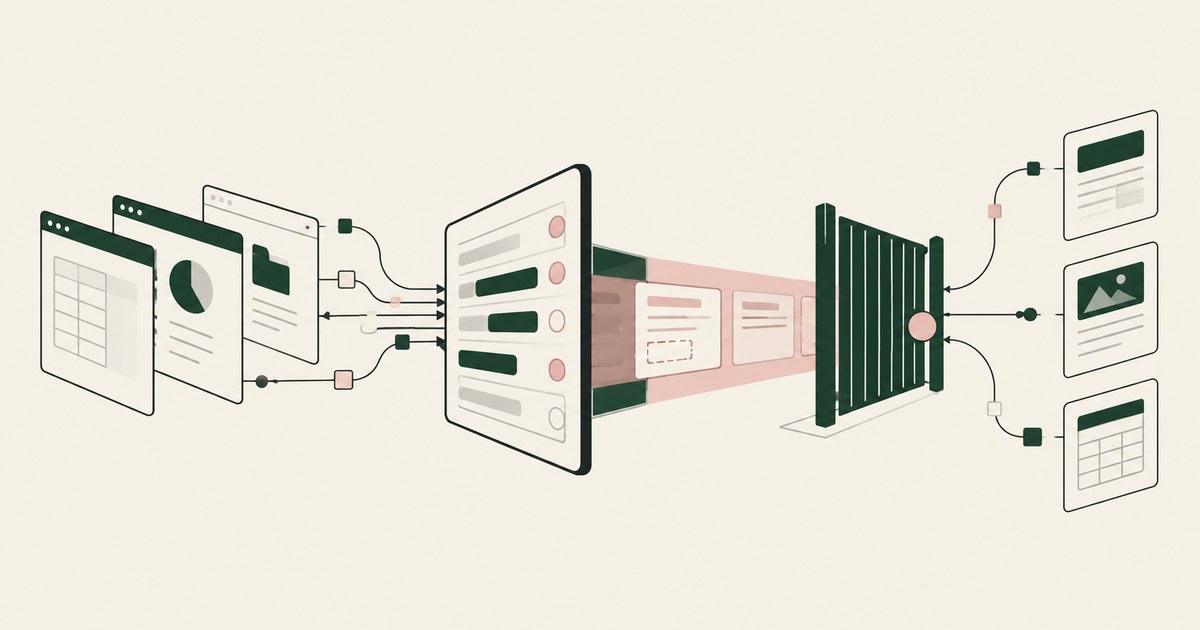
Cyera Agent Guardian inventories AI assets and blocks risky agent operations. RedactSure works on data in use: what the model receives from each screen.
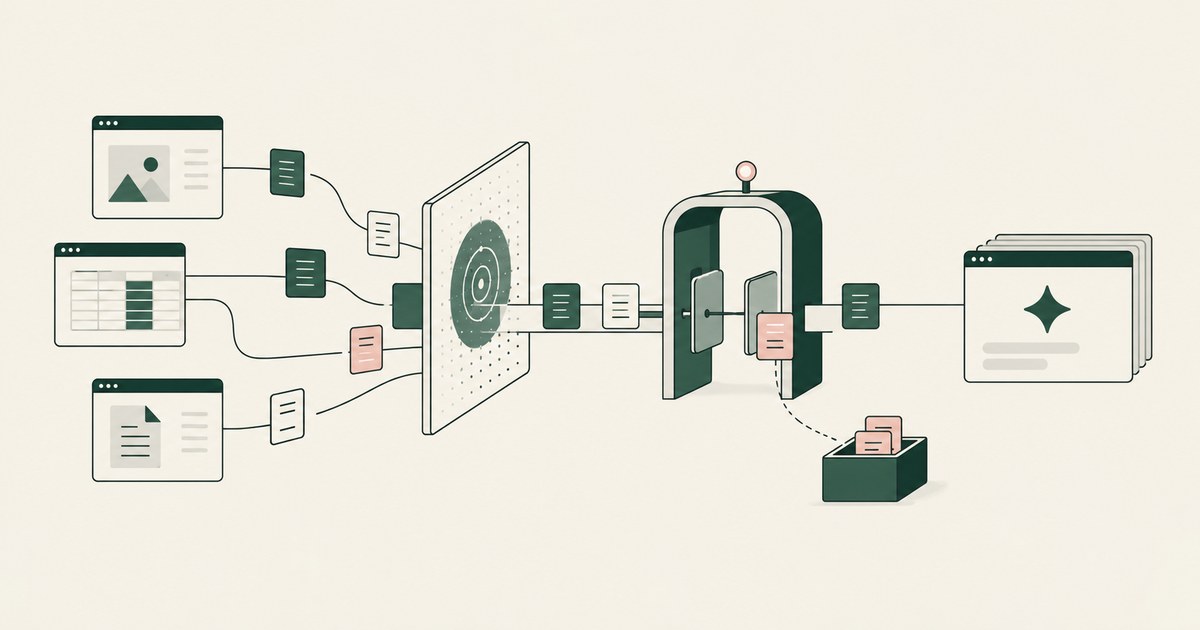
Varonis AI Security detects sensitive data flows to AI tools and revokes excess permissions. RedactSure governs what the model reads on each screen.
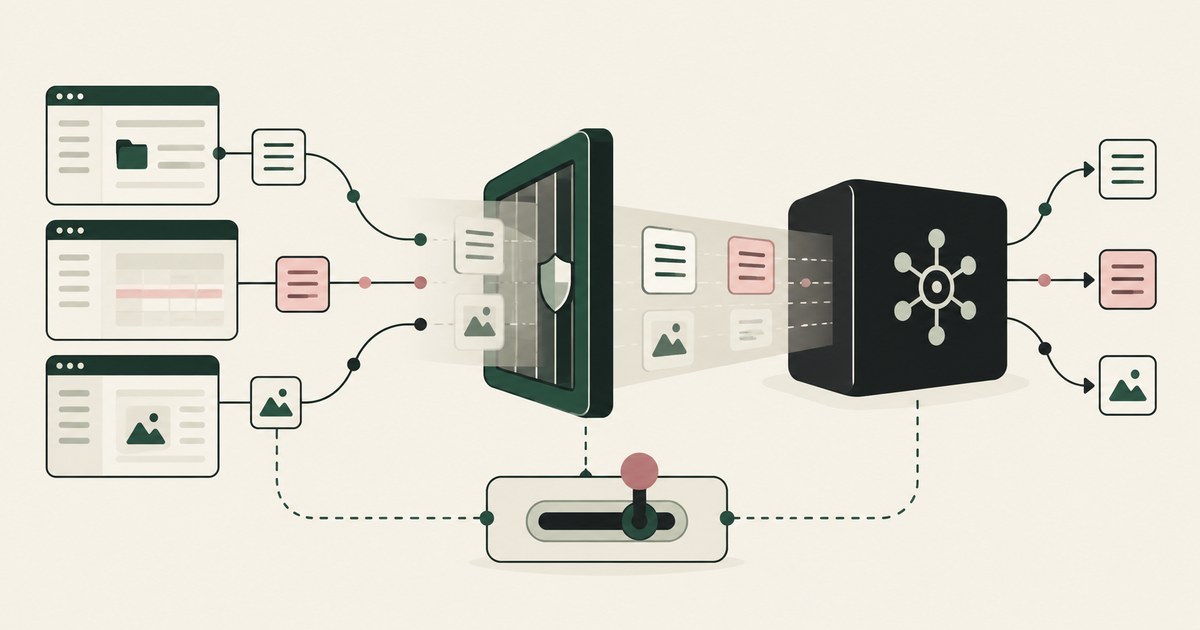
Securiti's LLM firewall sits at prompts, retrieval data and responses around the model. RedactSure governs what the agent's model receives per screen.
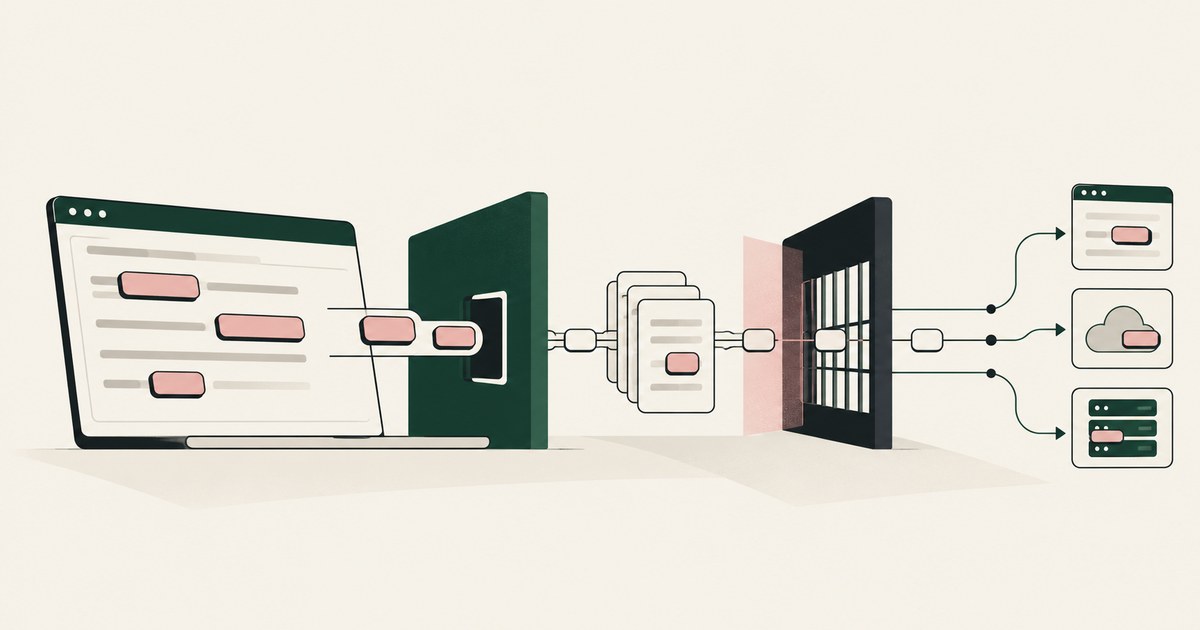
Nightfall AI inspects prompts, uploads and MCP tool calls, then blocks or redacts sensitive data. RedactSure tokenizes identifiers on screen first.
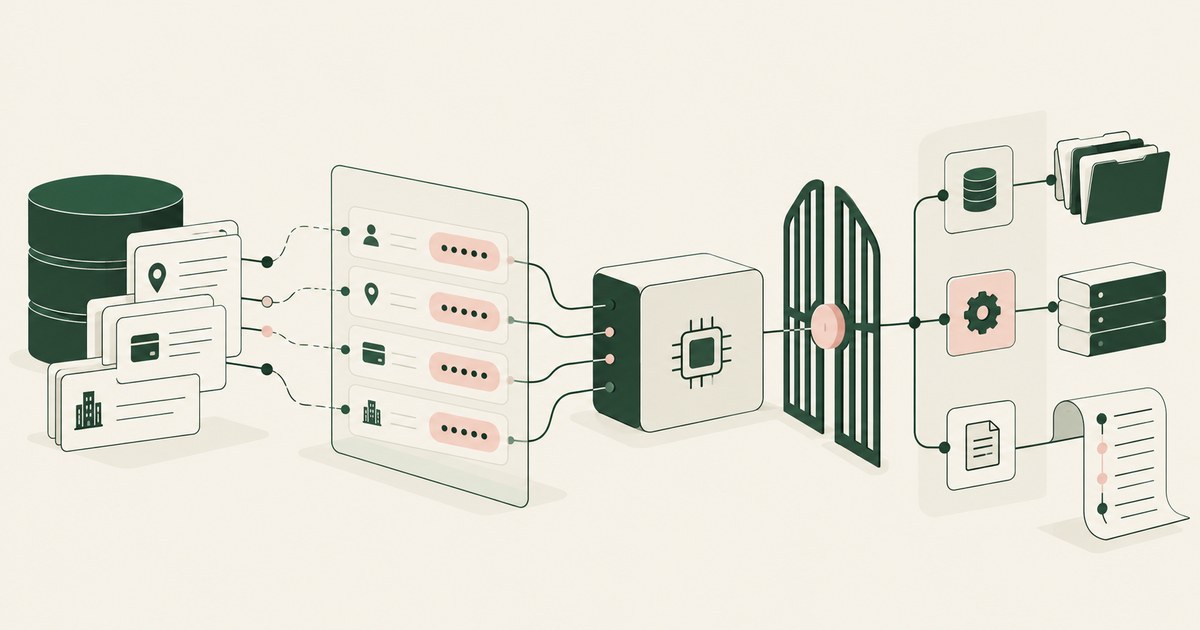
BigID finds sensitive data AI uses and governs AI identities across the estate. RedactSure tokenizes identifiers on screen before the model reads them.
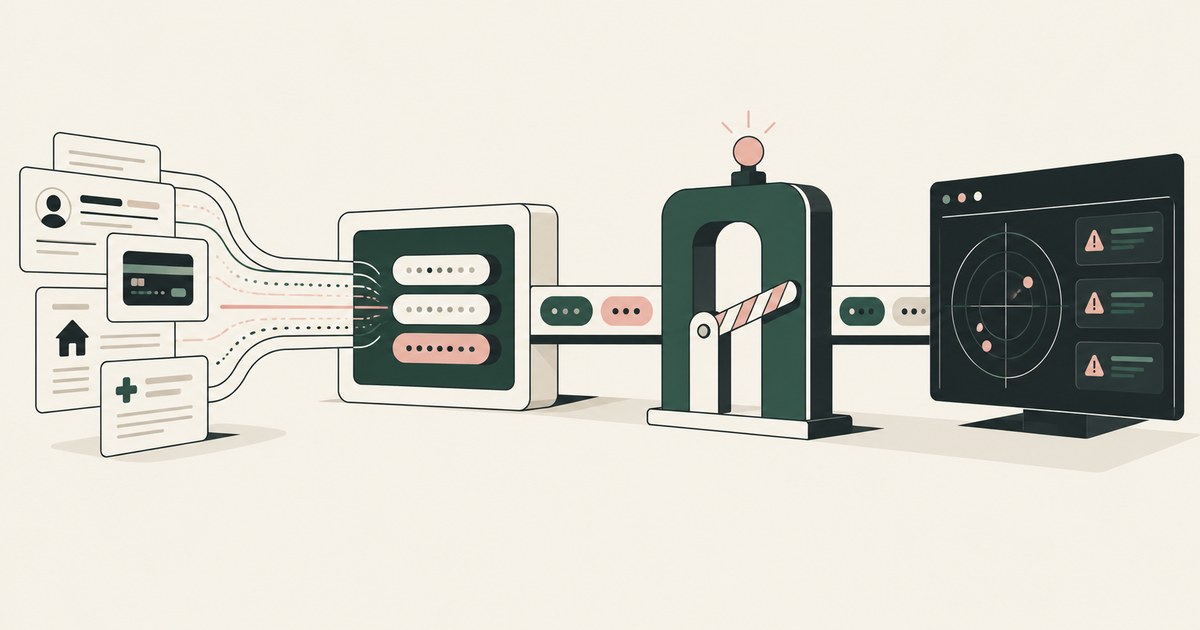
Radware finds agents and detects runtime threats such as prompt injection. RedactSure turns identifiers into tokens before the model reads the screen.
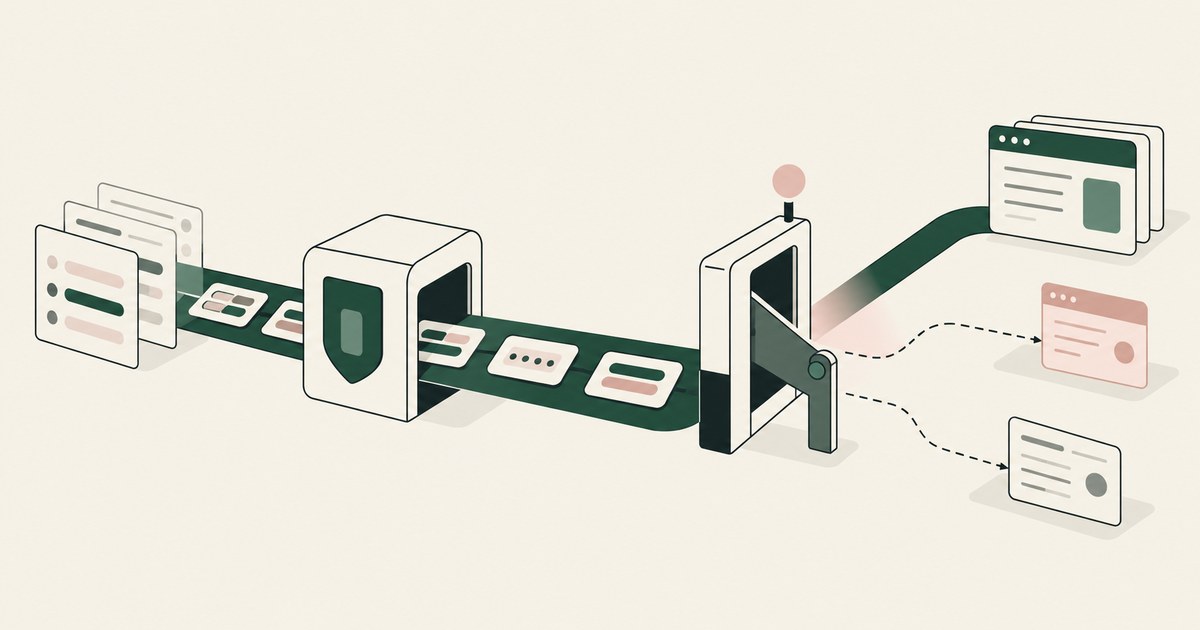
F5 CalypsoAI governs agent behavior at the cognitive layer, blocking high-risk actions. RedactSure tokenizes identifiers at the render layer first.
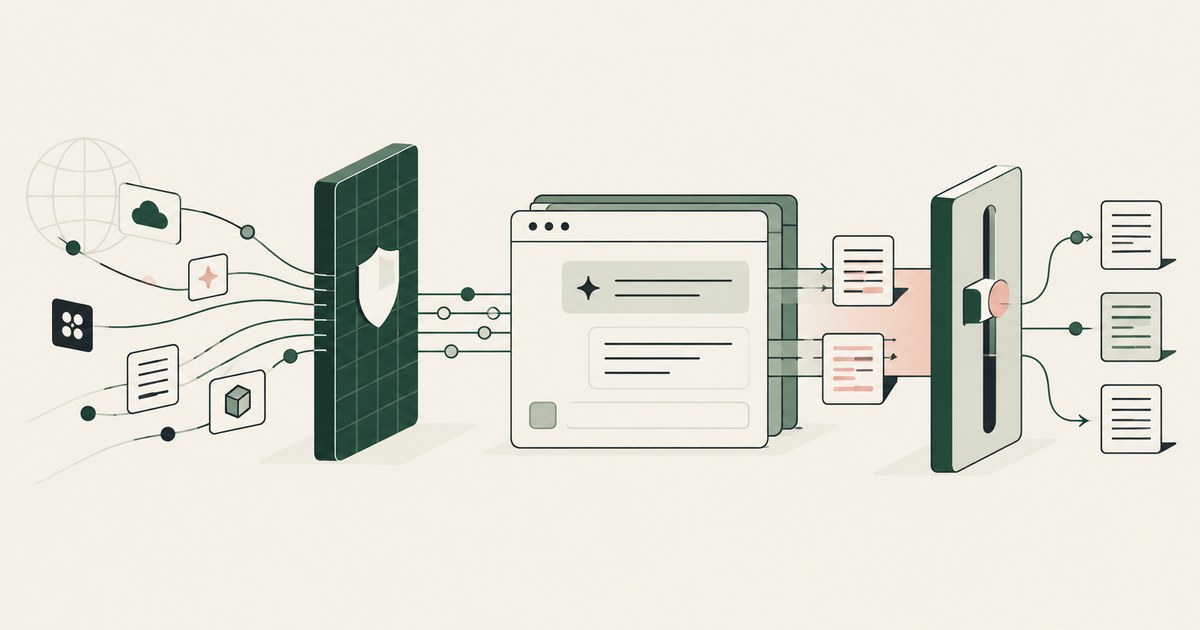
Cato Networks with Aim Security governs AI from the network: usage inventory, firewalling, model scans. RedactSure governs what the model reads in a task.
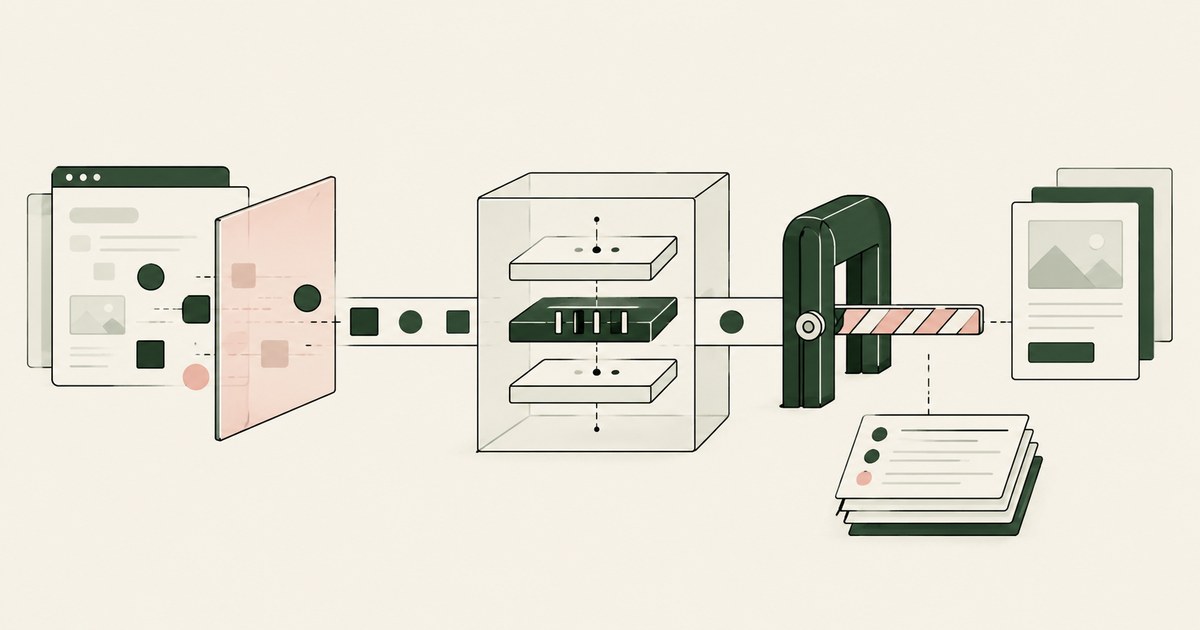
Arthur AI is a self-hosted guardrails engine for LLM prompts and responses. RedactSure decides what an agent sees before the read and holds its actions.
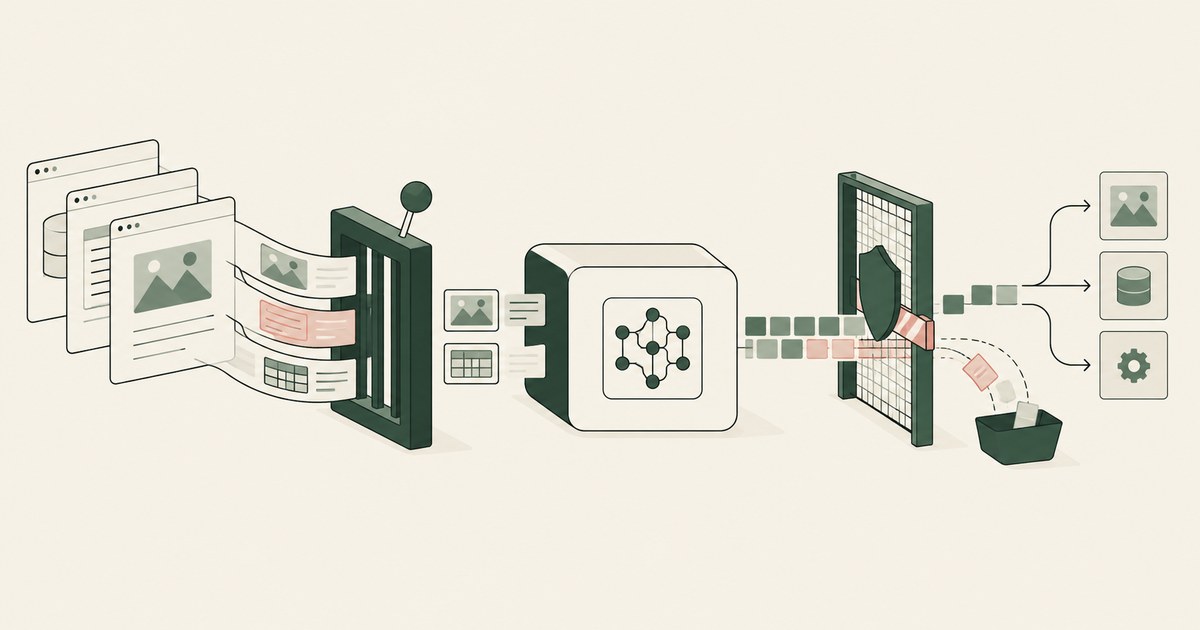
Straiker's runtime guardrails detect and block prompt injection, leakage and tool misuse. RedactSure decides what the model receives before any block.
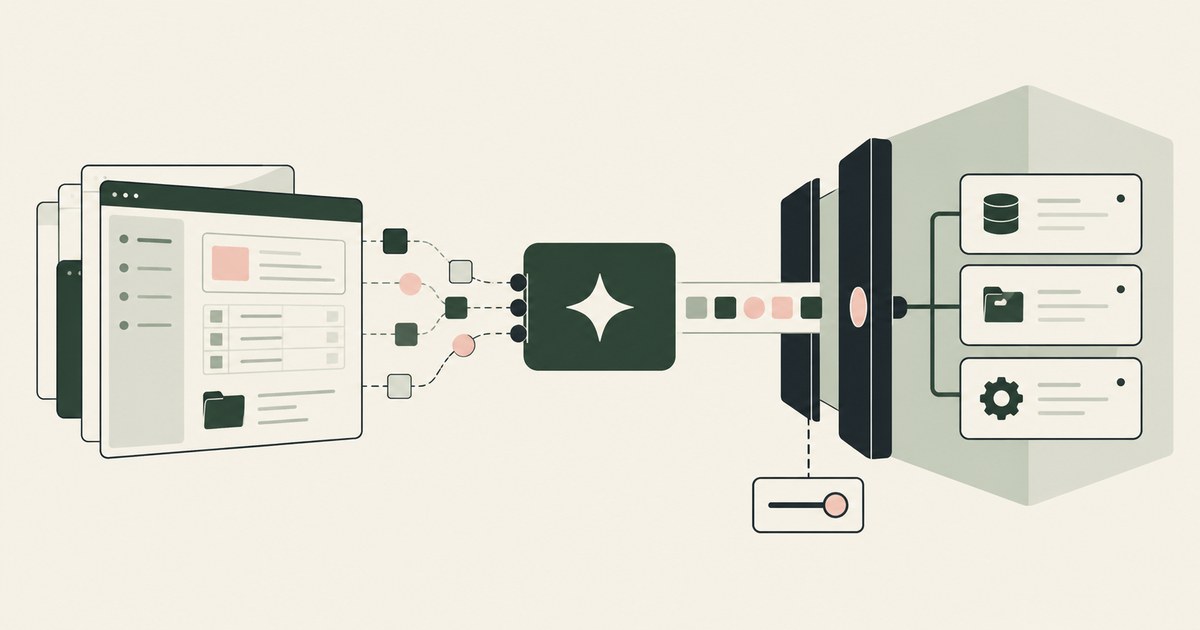
CyberArk finds agents and scopes their privileged access to a task. RedactSure governs what the model reads on an authorized screen and who approves.
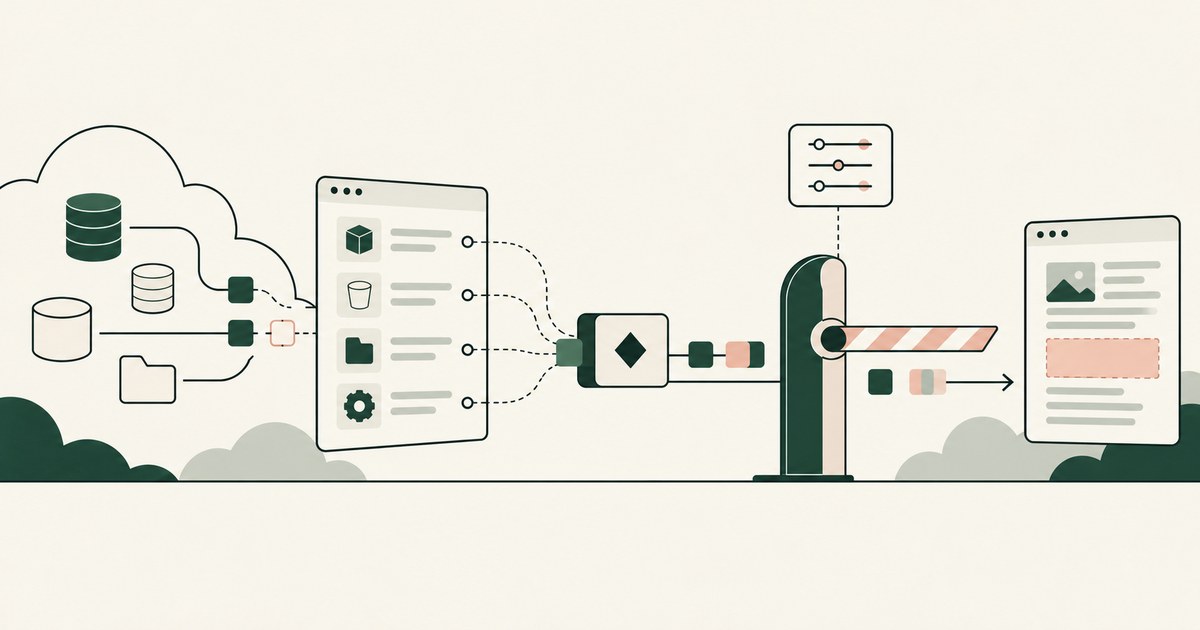
Wiz inventories AI services, checks configurations and maps what agents can reach. RedactSure decides what an agent's model receives on each screen.

Not by inference-time inspection alone: Prisma AIRS sees PII after the page is read. Check that values are replaced before the model reads the screen.

Partly. AgentCore Identity vaults long-lived secrets, but AWS says the agent still receives the access tokens it needs. Check which tokens reach the agent.

Claude in Chrome runs in the user's own browser and can request 1Password logins, so assume it acts in signed-in sessions. Check which apps it reaches.

It depends on admin switches: CRM fields flow to Breeze agents once a Super Admin enables CRM data, and training is on by default. Check both settings.

Not by default. Approval in watsonx Orchestrate exists only where a builder adds a workflow step. Check each workflow for an approval step before actions.

Not by breaking permissions. Copilot reaches only what the user can access, so it exposes existing oversharing faster. Check who can reach each library.

Less than it is given. Agentforce reads whatever its agent user may see, and Salesforce says LLM masking is off for agents. Check what the model reads.

Only when the builder asks. Salesforce recommends confirmation for custom actions, but it is per action and the confirmer is whoever is chatting.

Only partly. UiPath's serverless runtime isolates where an agent runs, not what it sees; production data is read in full. Check the data path through it.

Yes, when configured to. ServiceNow offers a Supervised mode with approval and an autonomous mode with no human step. Check each workflow's mode.

Through three documented layers: workspace role-based access, prebuilt guardrails and regex PII masking. Check how the regex handles format variations.

Island enforces policy on what a person does with data, and its masking and last-mile controls do that job; what a model gets from a page is undocumented.

Only with admin scoping of what the agent reaches and a record kept outside the product, since OpenAI's compliance logs keep 30 days. Check the connectors.

Prisma Browser governs what a person does with data in the browser, and its controls do that job; what a model gets from a permitted page is undocumented.

SAP's authorization model stops at the boundary: Agent Hub gates inbound requests, but outbound A2A or MCP calls are where injection enters. Map each one.

Muse is built for a person, not an organization: its permissions, cloud computer, training default and audit trail belong to the user. Check who sets them.

Claude in Chrome reads whatever is rendered on the pages it is given; its controls govern sites and pauses, not which values the model sees. Check a page.

Whatever the credentials behind each tool can see: the maker's view under author authentication, each user's own under user authentication. Check each one.

Everything the agent's service account can read, so an over-scoped account exposes whole projects. Check each account's grants and what the model reads.

Whatever the running user can open across every connected app, because Glean mirrors source permissions rather than narrowing them. Check file sharing.

Akamai Workforce Protector, formerly LayerX, governs what people and AI browsers type, paste and upload; RedactSure governs what the model reads on screen.

Anjuna protects data in use with hardware enclaves, but the model inside still works on decrypted data; RedactSure tokenizes the screen the agent reads.
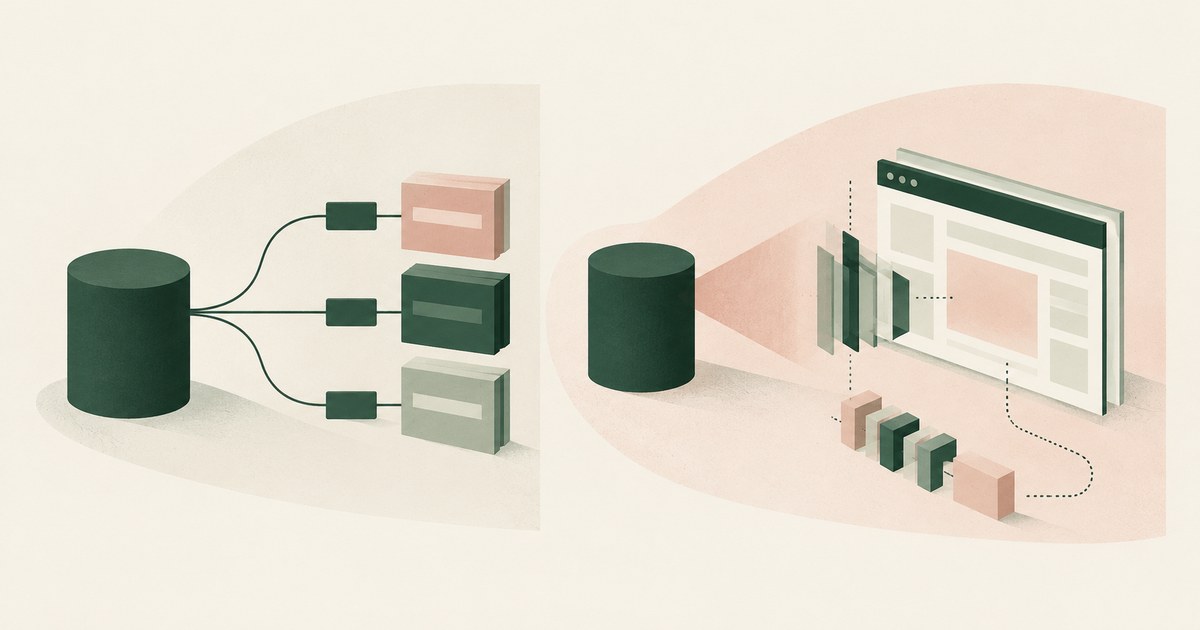
Arcade governs agents acting through APIs and MCP tools and keeps credentials out of the model; RedactSure governs agents working through the browser.

Chrome Enterprise Premium applies DLP and on-page masking and governs Gemini's auto browse; RedactSure tokenizes what any model reads and holds actions.

Databricks governs agents inside its platform through Unity Catalog masking and Unity Gateway filtering; RedactSure tokenizes browser screens outside it.
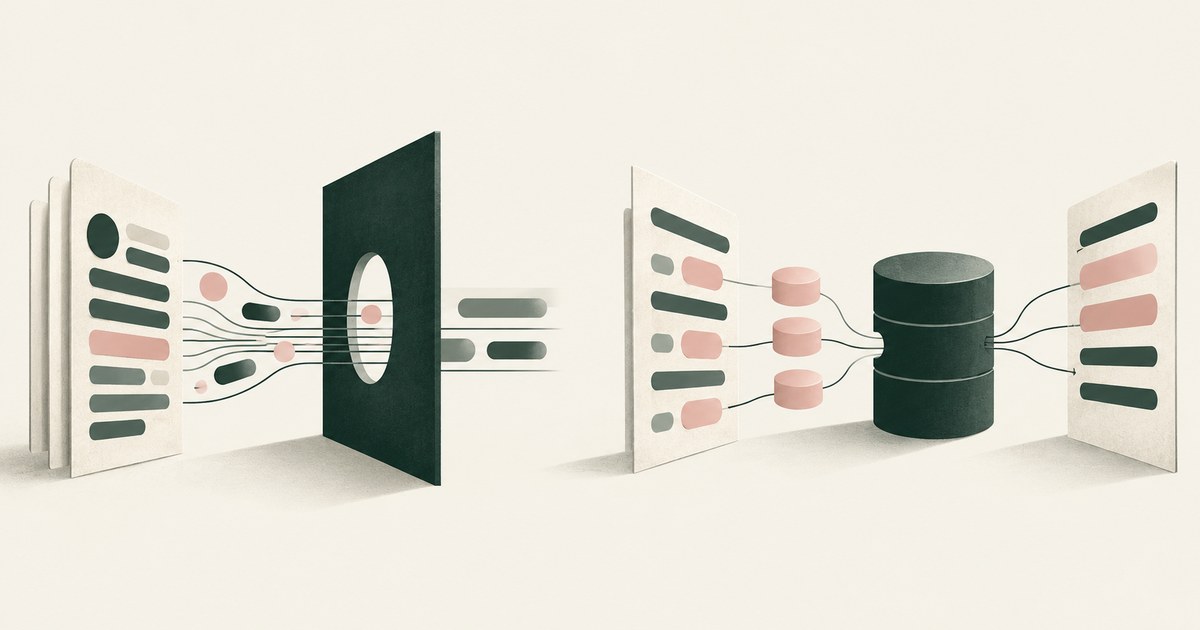
Portkey, now Prisma AIRS AI Gateway, redacts PII irreversibly in routed requests; RedactSure tokenizes the screen and resolves values after approval.

Protecto tokenizes values inside the code path of agents a team builds; RedactSure tokenizes the rendered screen of any application an agent works in.

Silverfort, which acquired Rezonate, governs agent identities and MCP tool calls; RedactSure governs what a browser agent's model reads after login.

Snowflake governs what an agent may query inside Snowflake with masking policies; RedactSure tokenizes application screens outside any data platform.
TrojAI, now part of A10 Networks, lowers the odds an attack on AI traffic succeeds; RedactSure decides what a successful attack can take from the screen.

Both tokenize: WitnessAI on prompts and tool calls at its network inspection point, RedactSure on the rendered screen an agent reads, with actions held.

Whatever the signed-in user may see: Joule honors existing permissions, so a payroll user's agent reads payroll and bank details. Check which roles run it.

Whatever the service accounts behind each connector can read, which for HR and IT means tickets, cases and profiles at table level. Check connector scope.

Seventeen enterprise agents can work on screens with PII today, and for most the model receives whatever the account may see. Check for tokens first.

The hosting vendor controls where the agent runs and which sites it reaches; no one documented controls what the model reads from a page. Set page policy.

Island blocks the paste because its last-mile controls classed the content as sensitive and the destination as unapproved. Check what a model already read.

Purview endpoint DLP blocks the paste because content matched a sensitive information type and the destination's rule is Block. Check which rule fired.

The message is Prisma Browser's Clipboard Policy blocking a paste whose content matched a sensitive pattern. Check which rule fired and whether to swap.