
Can an AI Agent Complete Its Task Without Seeing PII When Prisma AIRS Protects It at Inference?
Not by inference-time inspection alone: Prisma AIRS sees PII after the page is read. Check that values are replaced before the model reads the screen.
 redactsure
Research topic
Research on Financial services: AI agent security, tokenization and checks for sensitive data access before allowing enterprise workflows to run.
Not by inference-time inspection alone: Prisma AIRS sees PII after the page is read. Check that values are replaced before the model reads the screen.
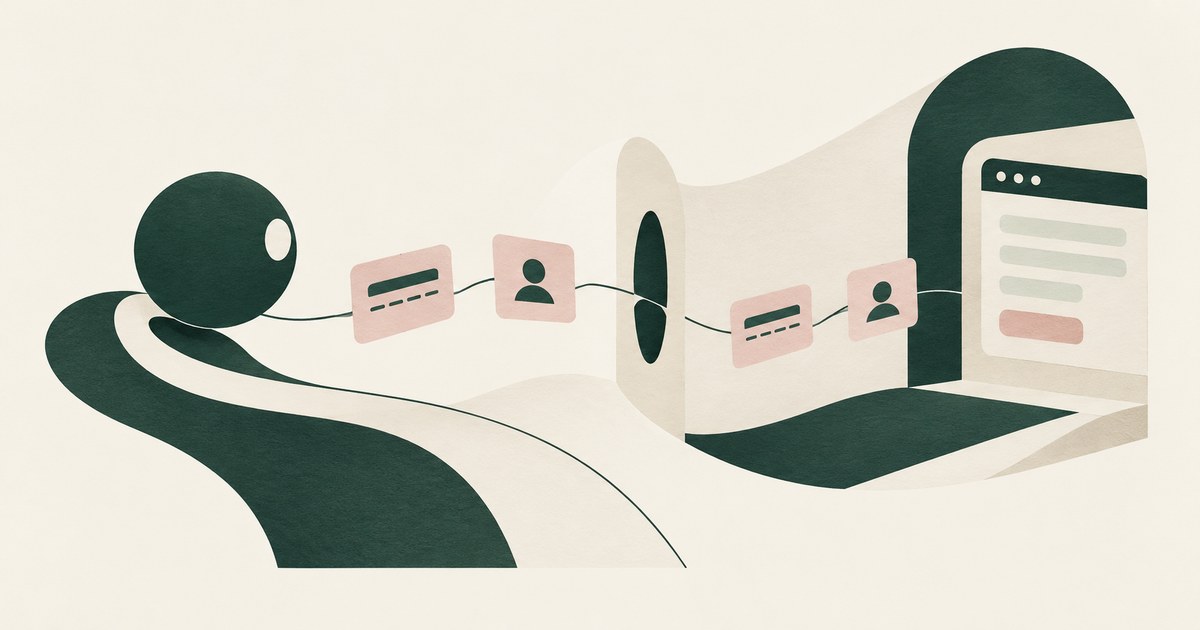
Yes, if card and identity fields reach the agent as tokens and real values are inserted only at checkout after approval. Check how the payment step works.

Yes, and the approval must be provable and tied to a named person, since agents already place unrequested orders. Check that the submit step records it.

No. A credential check proves whose session the agent uses, not that the person intended the action. Check for a decision between login and action.

Only when the approver sees the true action and destination, and approval is reserved for consequential steps. Check whether injected content shapes it.
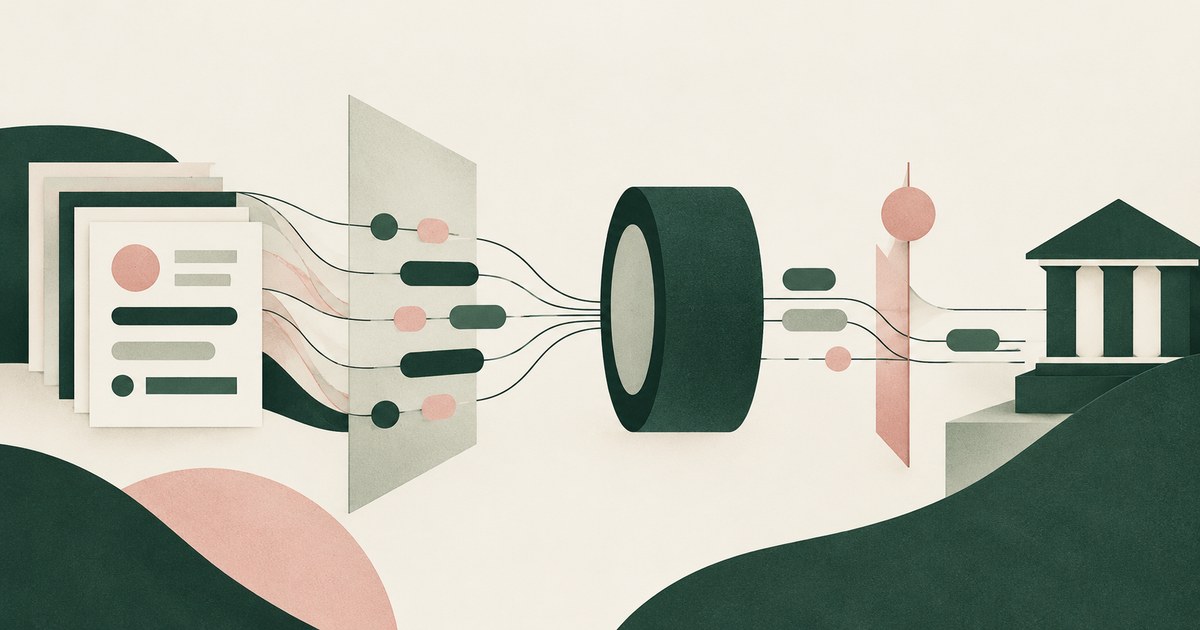
They can, if the model never receives nonpublic personal information: identifiers are tokenized on screen and resolve only at approved destinations.
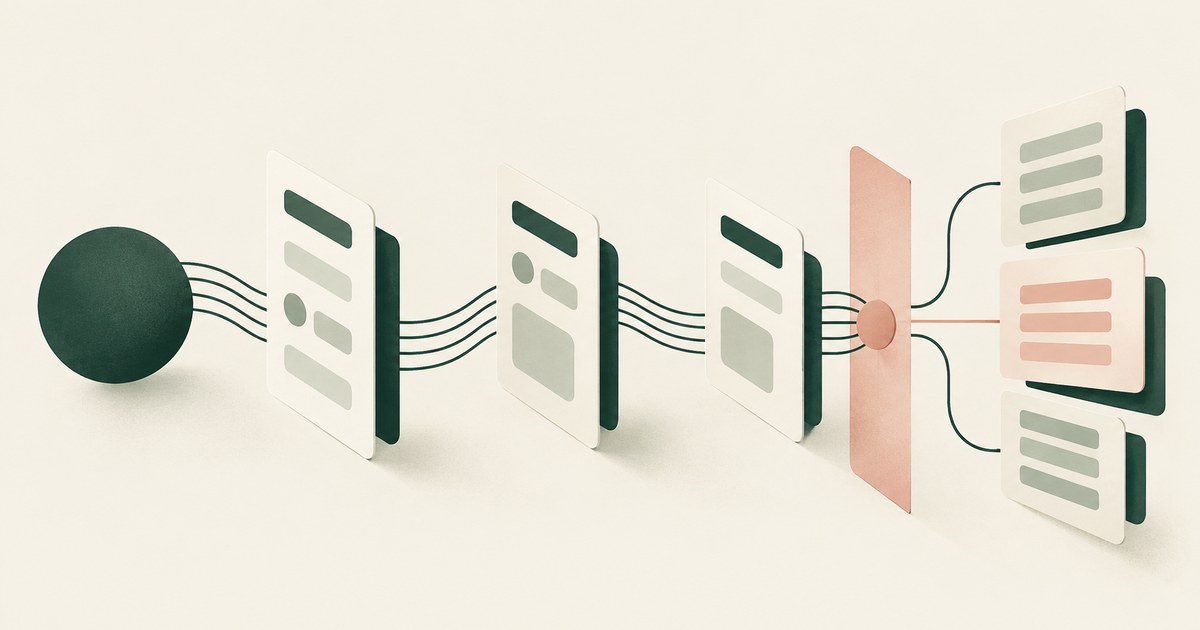
Separate workflow access, meaning navigating and filling fields, from access to screen values, granted at approved destinations. Check what a platform has.
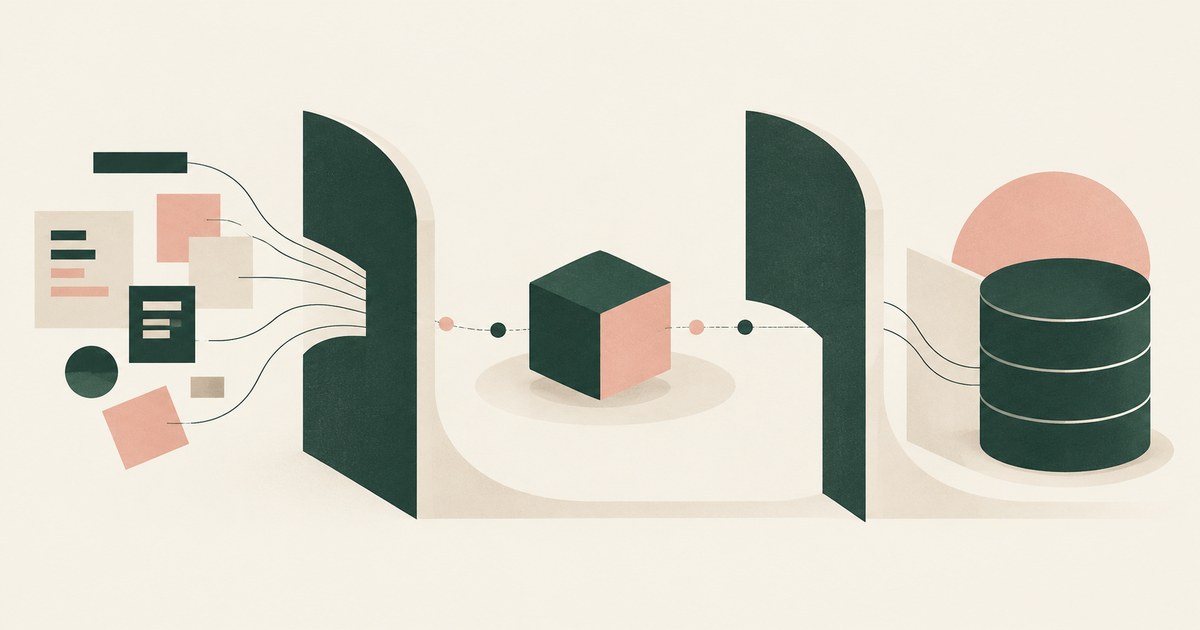
By architecture, not instruction: never let an agent hold sensitive data, untrusted input and outward actions at once. Check which one each workflow drops.
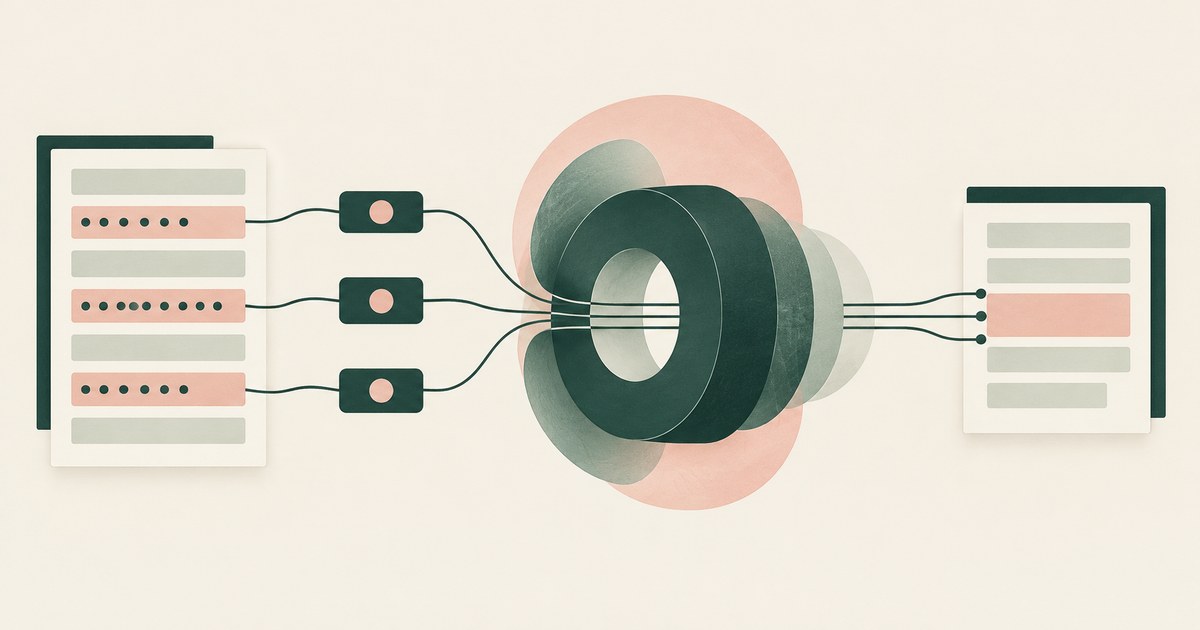
Replace account numbers and other identifiers with tokens before the Gemini agent reads the screen, so memory holds ACCT_001, not the value.
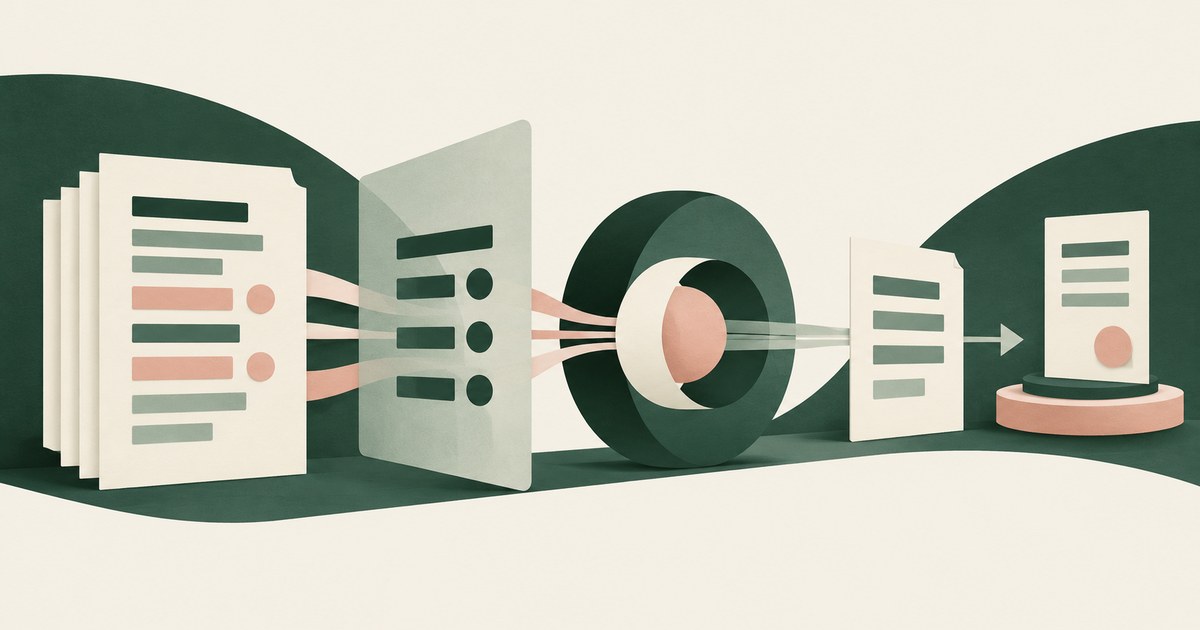
Run one workflow and one record type with a page policy that replaces identifiers, a named approver and a reviewed record. Check it completes on tokens.
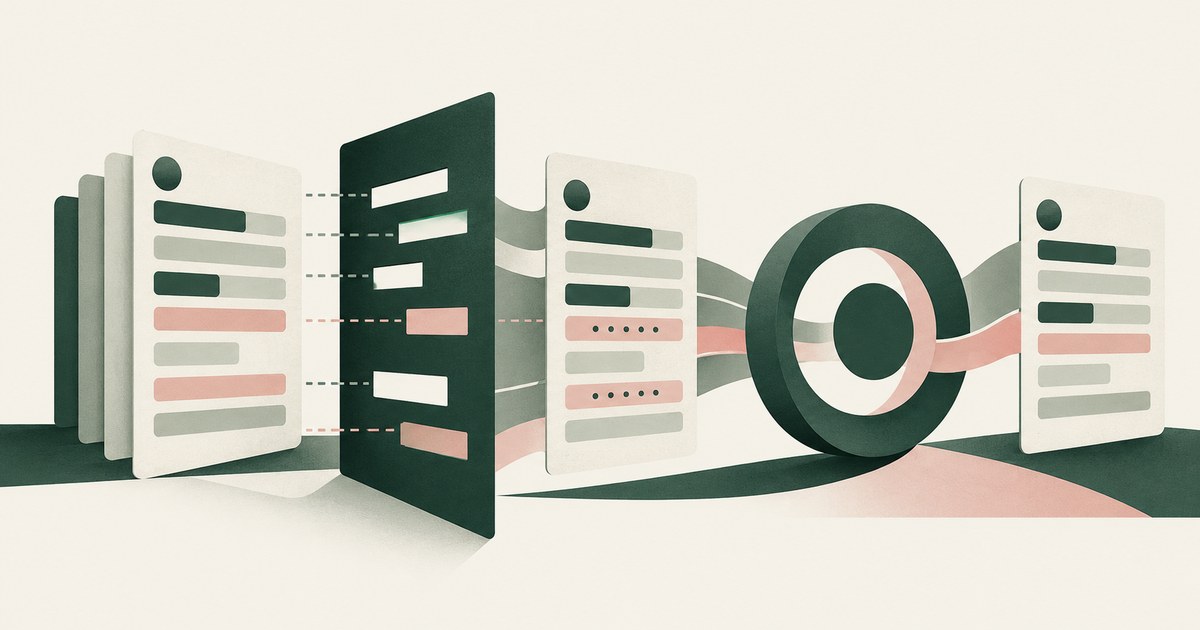
Use Dynamics security roles and column-level security to decide which fields the agent opens, then tokenize values before the model reads them.
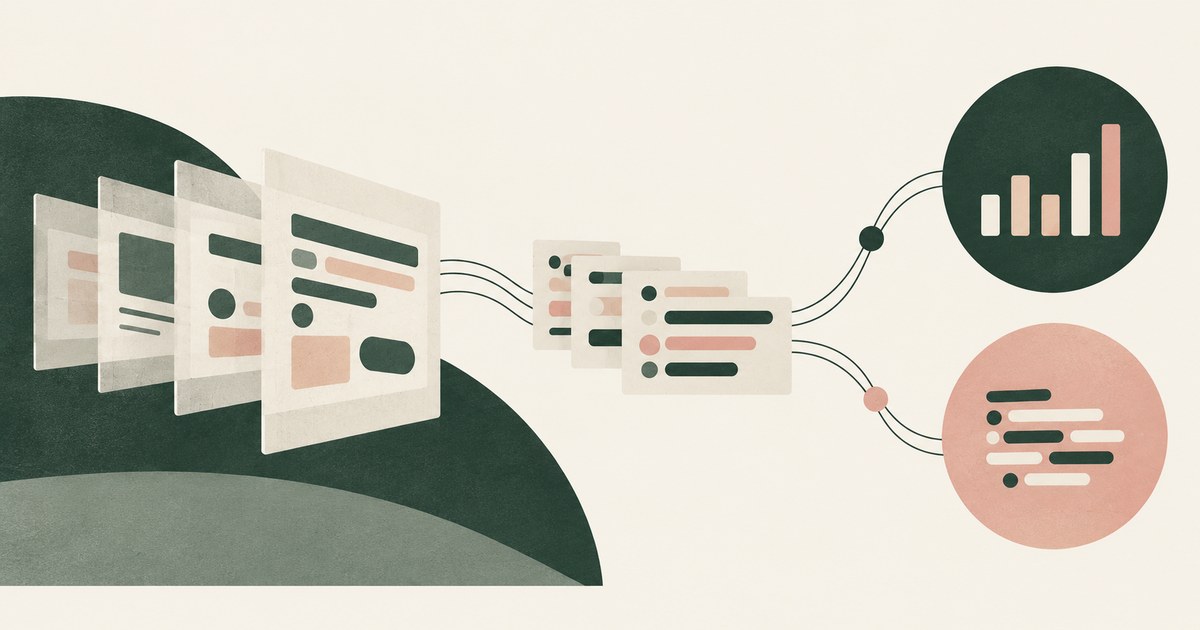
Post a per-run record of screens as tokens, actions and approvers via the Logs Ingestion API or HTTP Event Collector, then add a parser and a denial rule.

It can be, since regulators apply existing technology-neutral rules to agents. Check what the model sees, who approves actions and what an examiner gets.
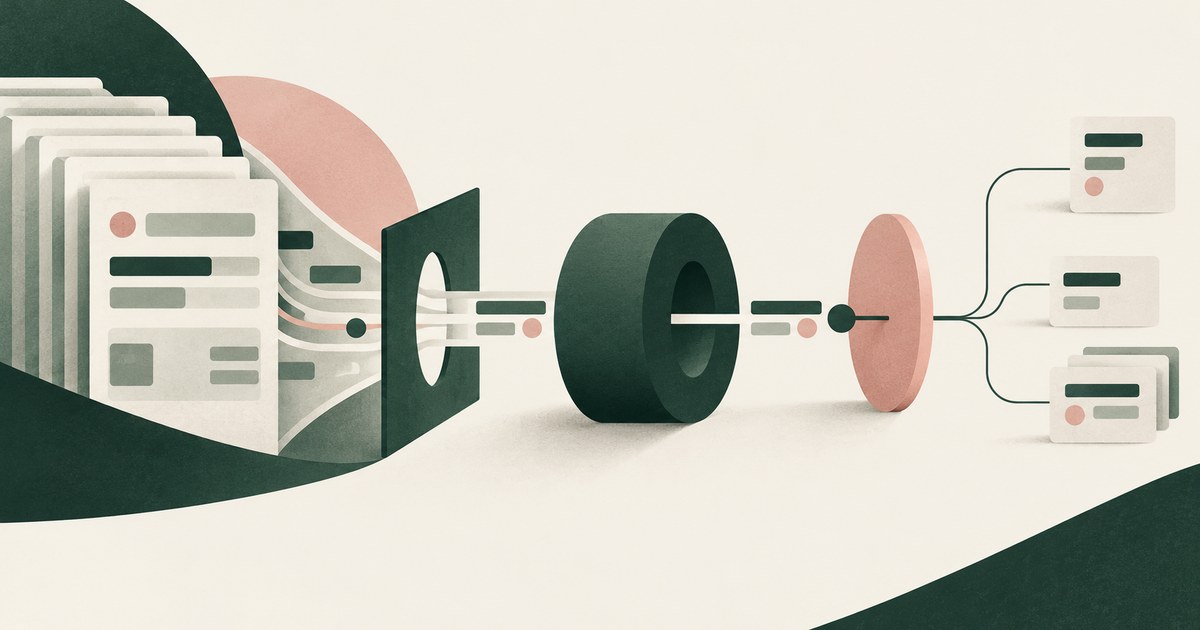
It can be, if scope is limited to the task, a person confirms consequential actions and incident response sees what the agent did. Check PCI scope effects.
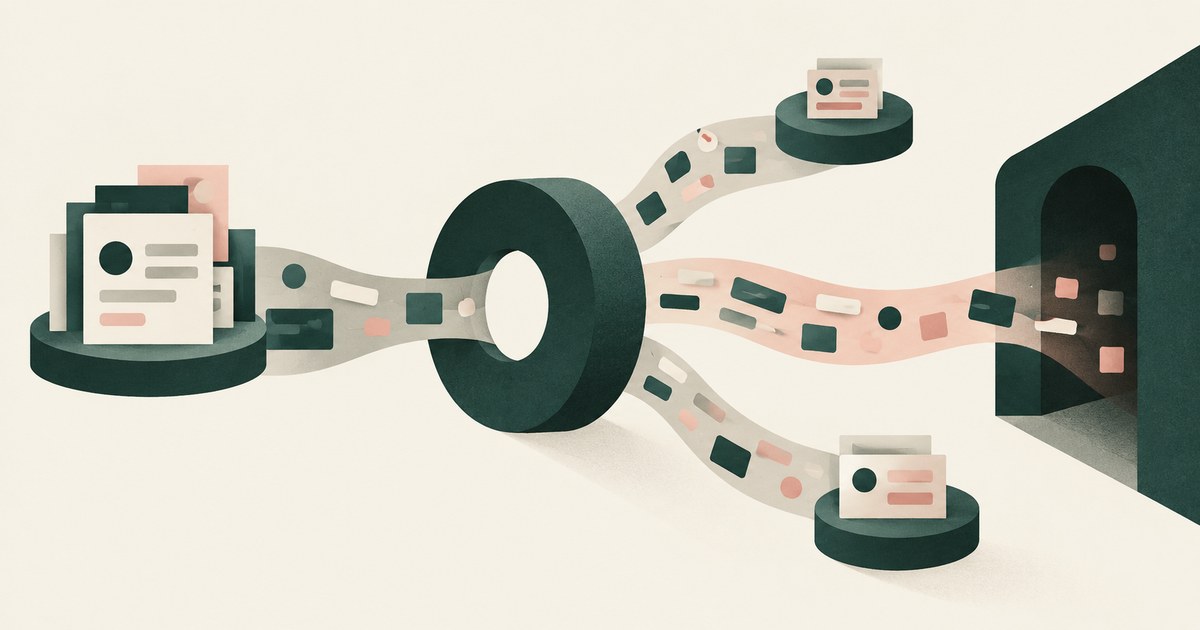
The risk is rarely the task; it is the side channels where an agent reuses customer details or a hostile page coaxes them out. Check what it carries on.

Claude in Chrome reads whatever is rendered on the pages it is given; its controls govern sites and pauses, not which values the model sees. Check a page.

Notification clocks, regulator reviews, fine tiers and contract consequences run in order, whether a person or agent caused it. Keep PII out of the model.
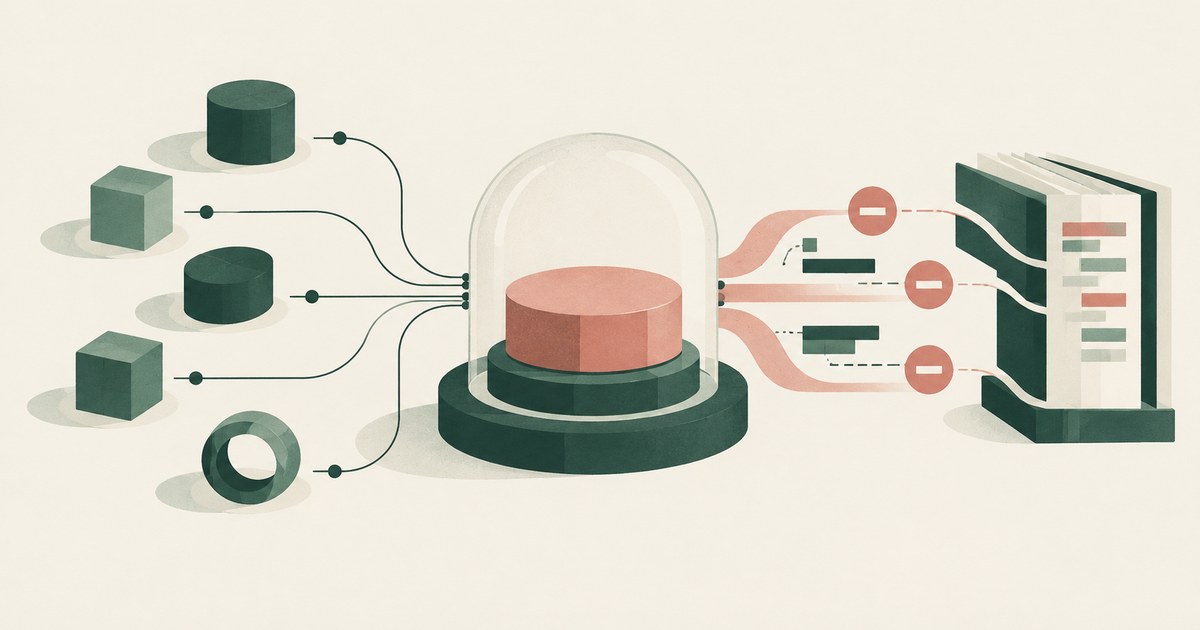
A named person's ability to stop an agent at once: end sessions, revoke credentials, halt actions in flight and preserve the record. Check you have each.
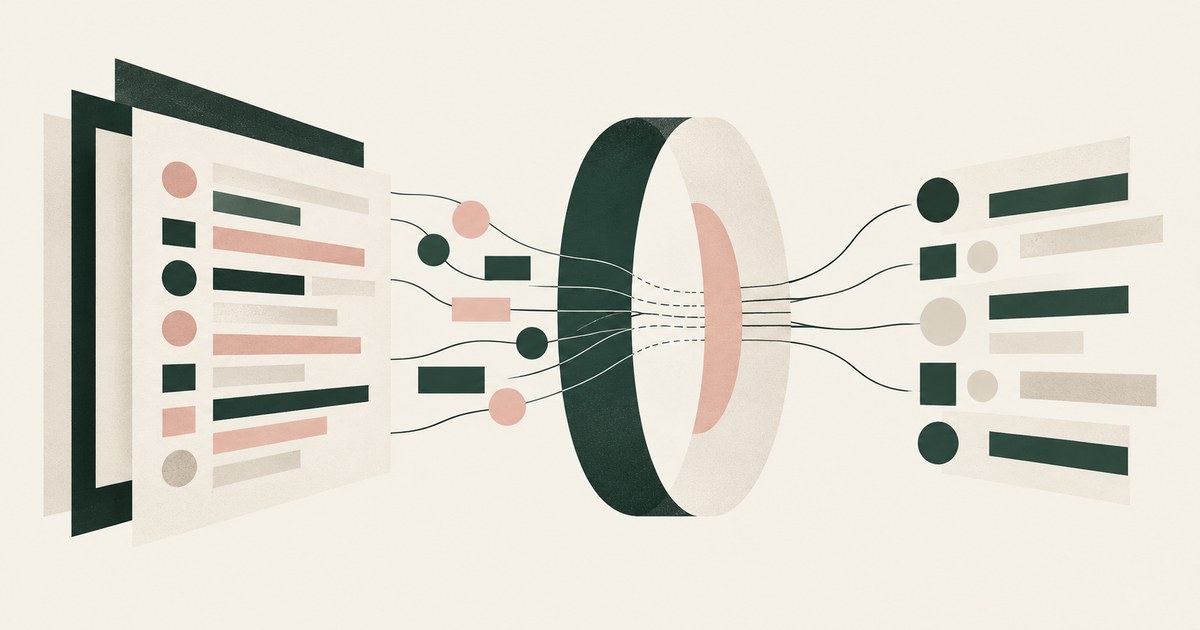
Ask what the model receives when the agent opens a screen full of identifiers, then who approves, what is recorded and where values resolve. Seek tokens.

Whatever the signed-in user may see: Joule honors existing permissions, so a payroll user's agent reads payroll and bank details. Check which roles run it.
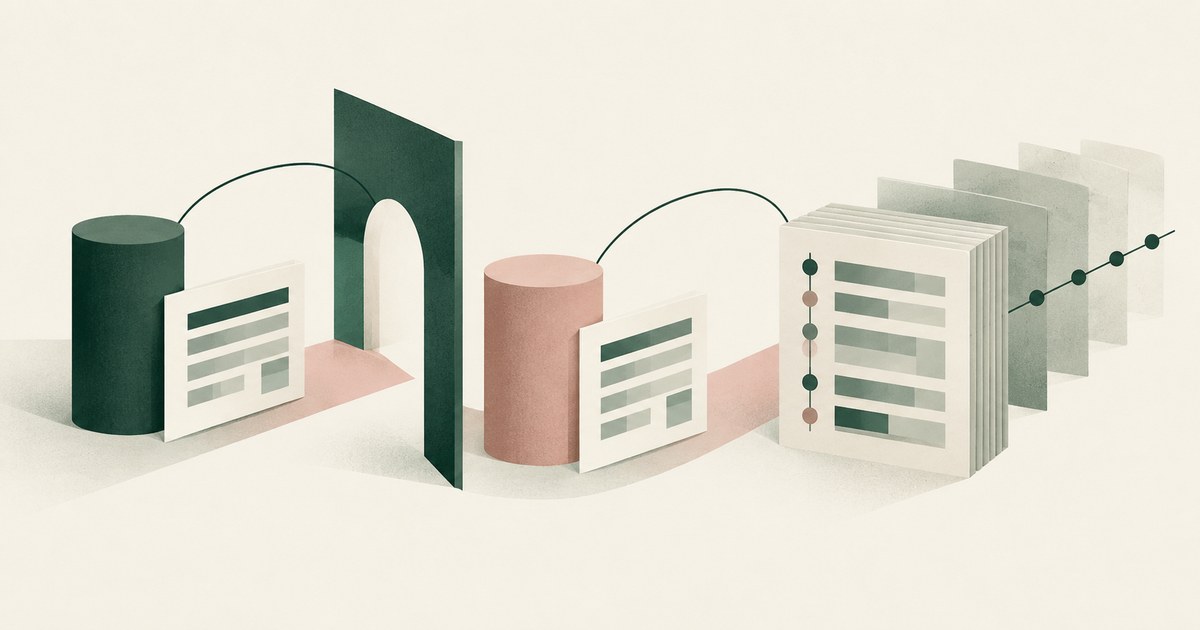
Separation of duties applied to the agent: it prepares the entry, a named person with posting authority commits it, and the record attributes each step.
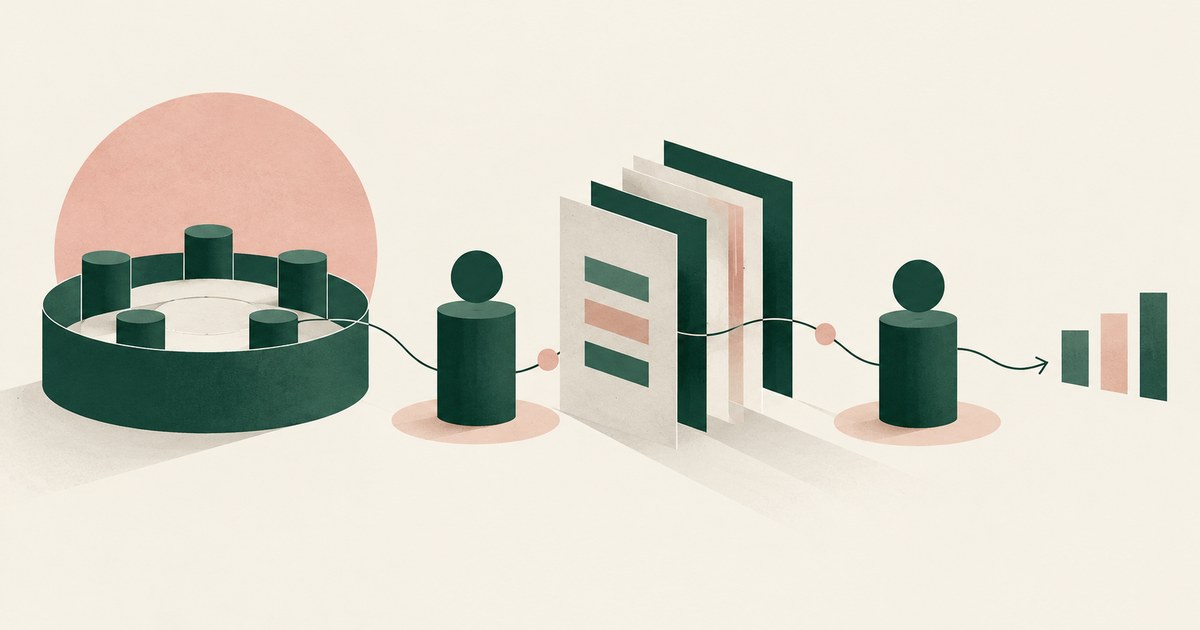
The business owner accountable for the outcome approves the workflow, and a named person approves each consequential action inside it. Name both.