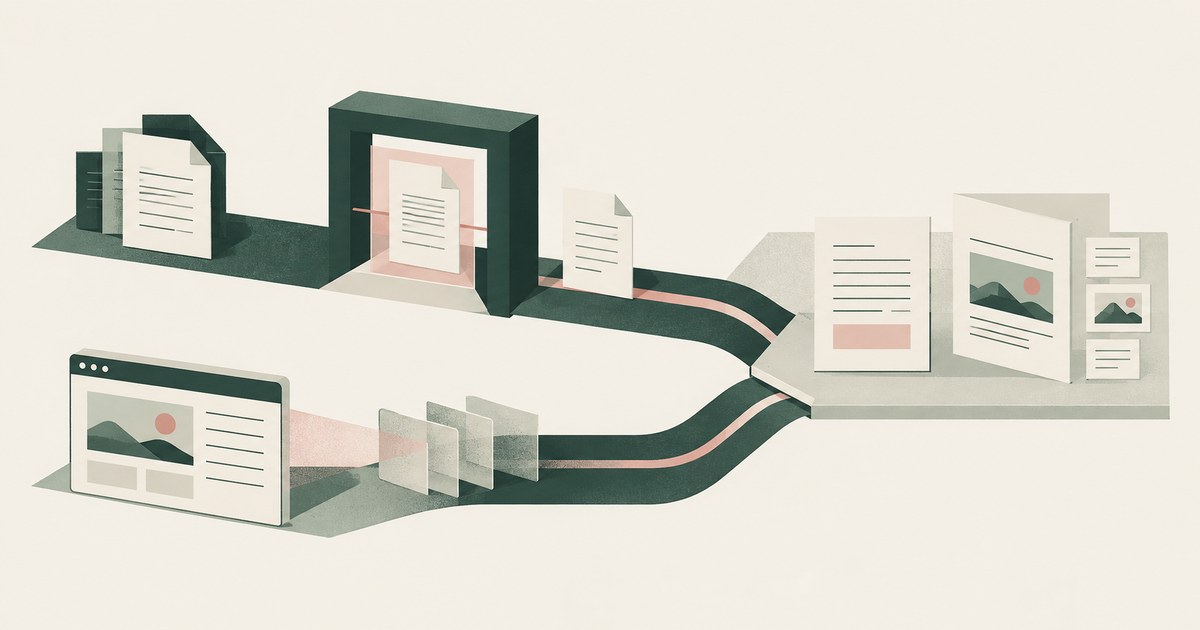
Does Purview DLP Cover Computer-Using AI Agents?
Assess Purview DLP coverage for AI agent sessions handling PII and payments, including screenshot inputs, file uploads and endpoint controls.
 redactsure
Research topic
Research on data exfiltration for AI agent workflows, with tokenization, access controls and evidence for teams handling sensitive business data.
Assess Purview DLP coverage for AI agent sessions handling PII and payments, including screenshot inputs, file uploads and endpoint controls.

Yes. If the client fetches images or links in the agent's output on its own, data in the URL leaves the session. Check how output is rendered.

Partly. URL filtering removes hostile sites, but trusted domains host injected instructions and exfiltration endpoints. Check what the agent holds.
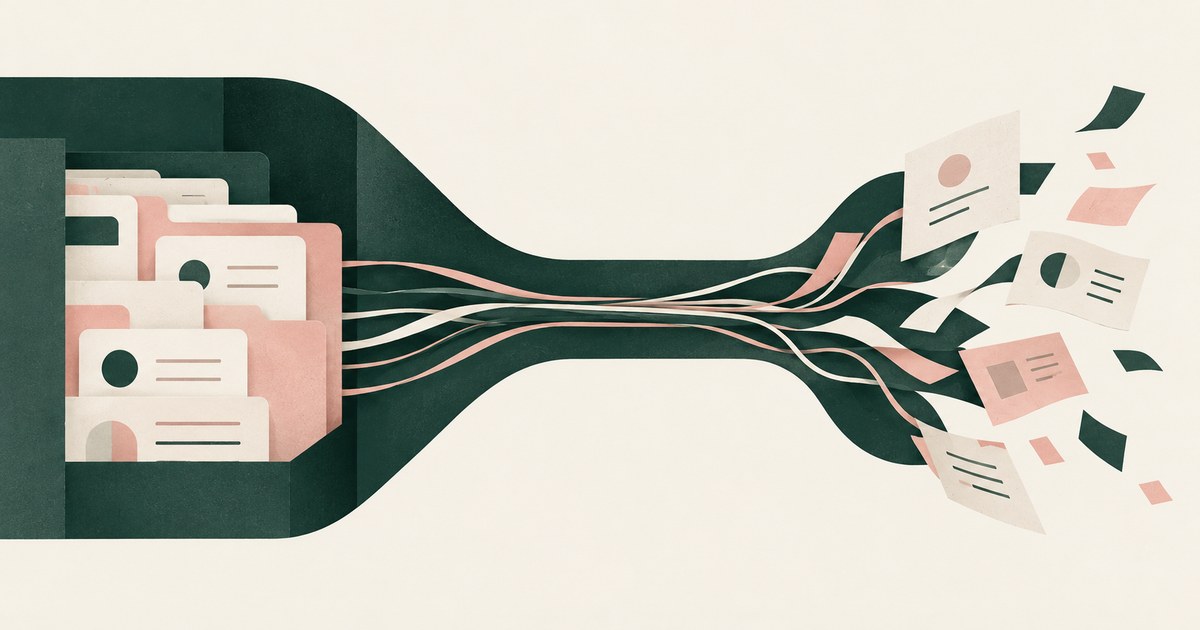
Yes, when the injected agent sees real customer data and can send outward; attacks leaked data at 20 to 70 percent. Check what the model holds.

Not by breaking rules but by passing beneath them: DLP watches files and uploads while an agent reads the screen. Check what sees what the model received.
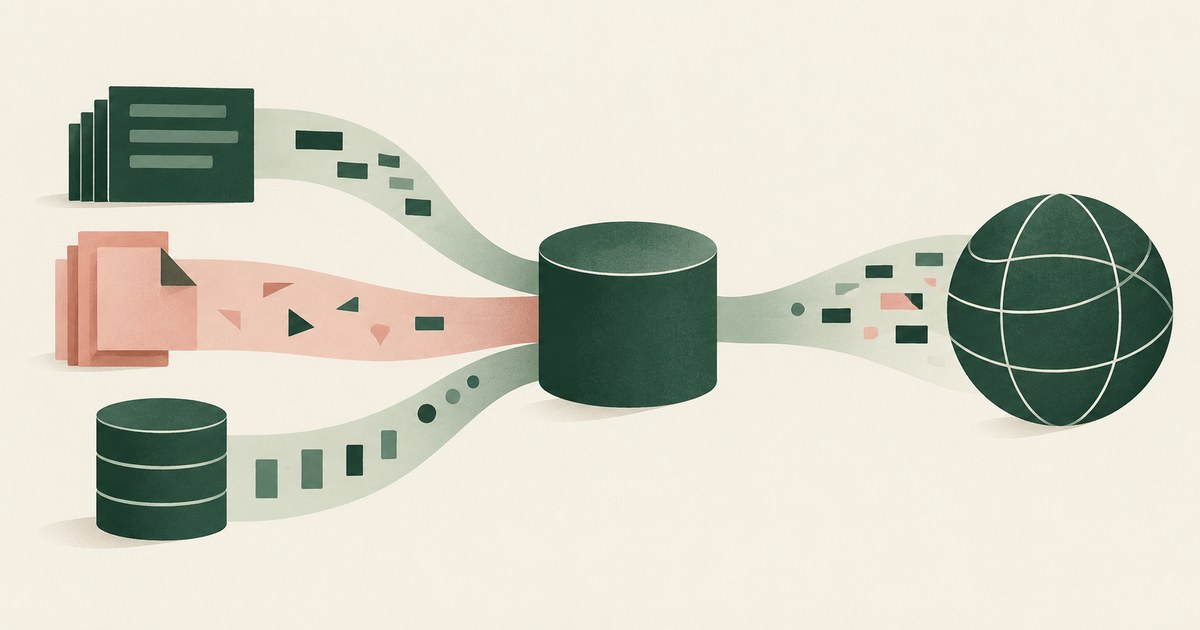
Three capabilities in one agent: private data, untrusted content and external communication, which turn a planted instruction into theft. Remove one.
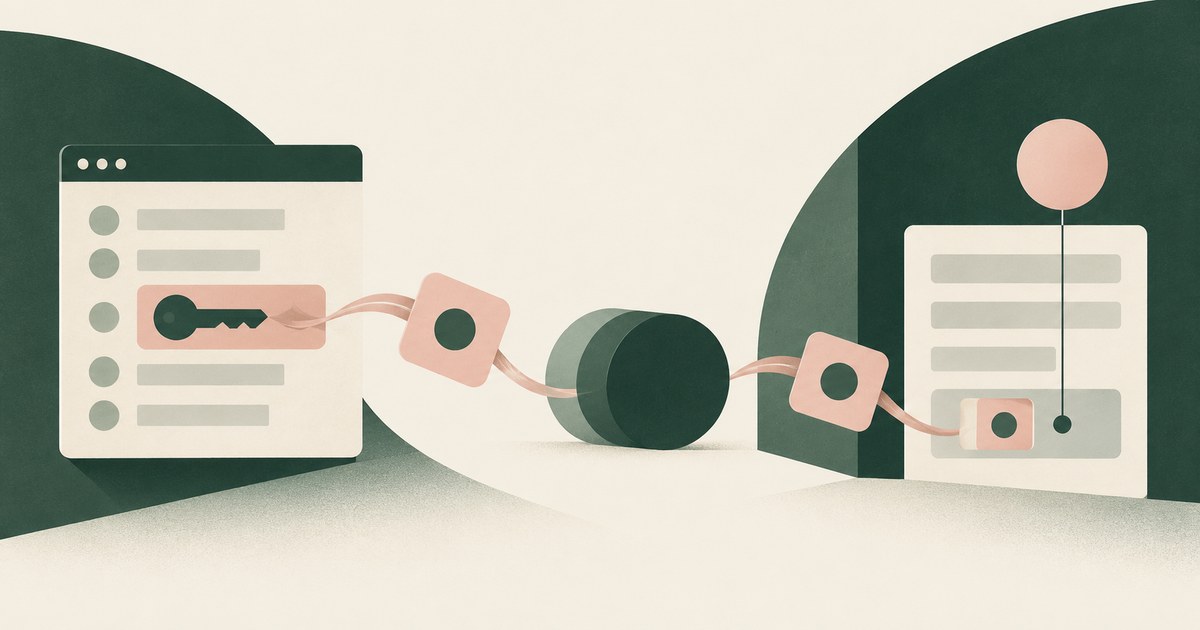
Yes: an injected instruction to paste what the agent just read is the simplest exfiltration. Vendor controls govern typing, not what the model was shown.
They plant instructions in content an agent reads that tell it to collect a credential it can reach and send it out. Check the lethal trifecta and remove .
With two settings: a domain allowlist that bounds navigation and a destination policy that bounds where a real value is released.
A hijacked agent can only send to places it can reach, so bound the network first, bound where real values resolve second.
With three fields in the grant: which hosts the run may reach, which destination may receive a real value, and what the model reads on the page.
Tokens, page text the policy left in the clear, and the fact of the action, but not the values behind them. Check which fields are tokenized.
Mimecast Incydr scores and blocks data movement by people and agents, while RedactSure, a Mimecast Incydr alternative built for AI agents, replaces identifiers with tokens before any model reads the screen. RedactSure is an alternative way to think about agent browsing security, because it protects sensitive data as it is rendered on a screen, before an agent uses it.
In all 6 leading AI coding agents reviewed, the secrets a team gives the agent are placed in environment variables the agent can read, by the vendor's own documentation. Only 2 of the 6 ask a person by default before the agent reaches the network. The safest sandboxes give the agent a placeholder instead.
616 security flaws in AI agents, MCP servers and agent platforms were published from October 27, 2025 to October 26, 2026, up from 92 in the year before. 207 of them let an attacker get data the agent, its tools or its server could reach. These are published records, so the count also reflects a fast-growing category.