
What Should an AI Agent Security Review Cover?
Review AI agent security with twenty vendor questions on PII exposure, tokenization, approval boundaries, audit records and model access.
 redactsure
Read research on AI agent pilots, PII tokenization and workflow review criteria, with source links and practical questions for regulated teams.
Review AI agent security with twenty vendor questions on PII exposure, tokenization, approval boundaries, audit records and model access.

Plan an AI agent pilot for billing or claims with one workflow, tokenization, a named approver and measurable criteria for the next decision.
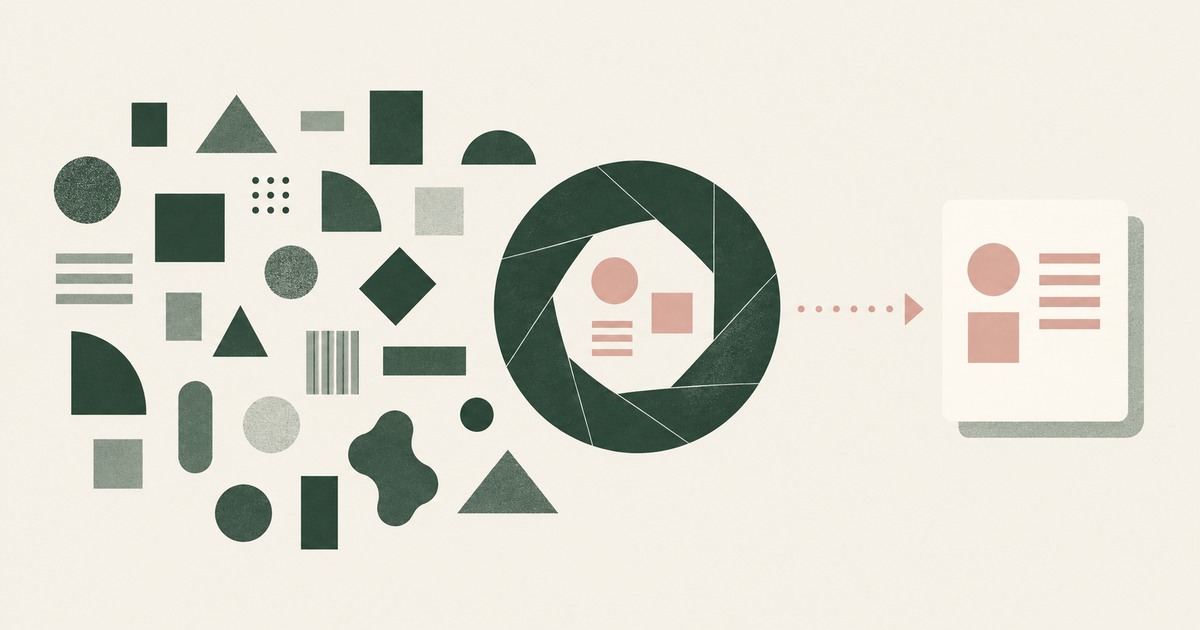
Define what an AI agent should see in one billing or claims workflow, using tokenization, clear PII boundaries and named human approval.

Review Meta Muse AI agent security, PII exposure, tokenization and approval evidence before connecting billing, sales or payment systems.
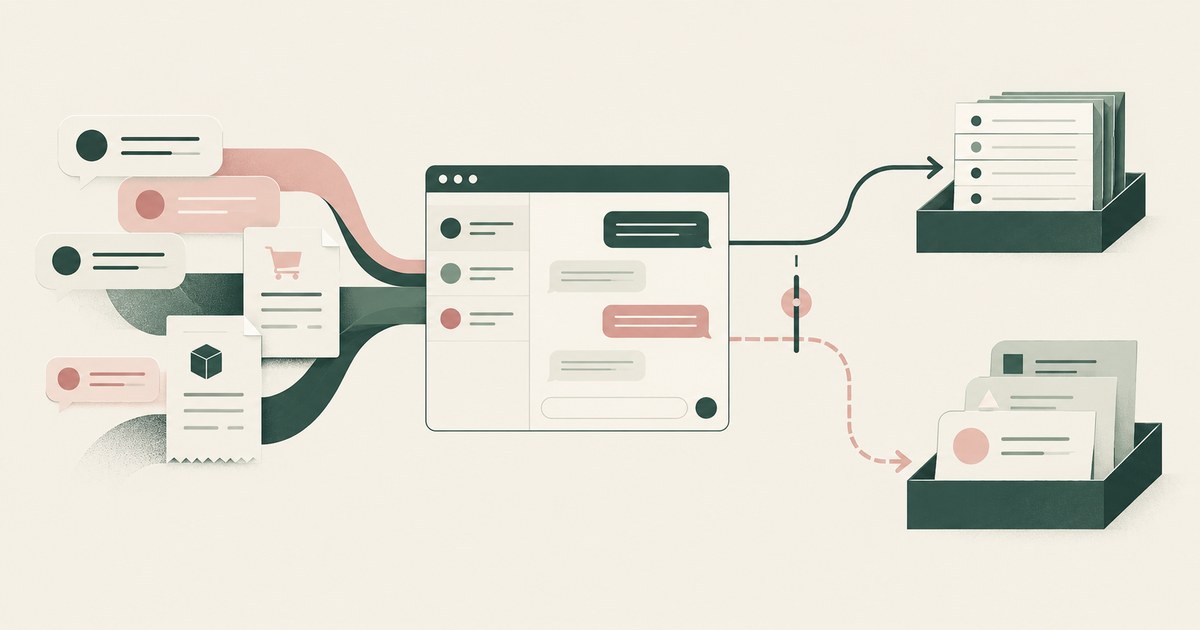
Review Meta Business Agent privacy questions for billing and customer support, including PII retention, training, advertising and export terms.
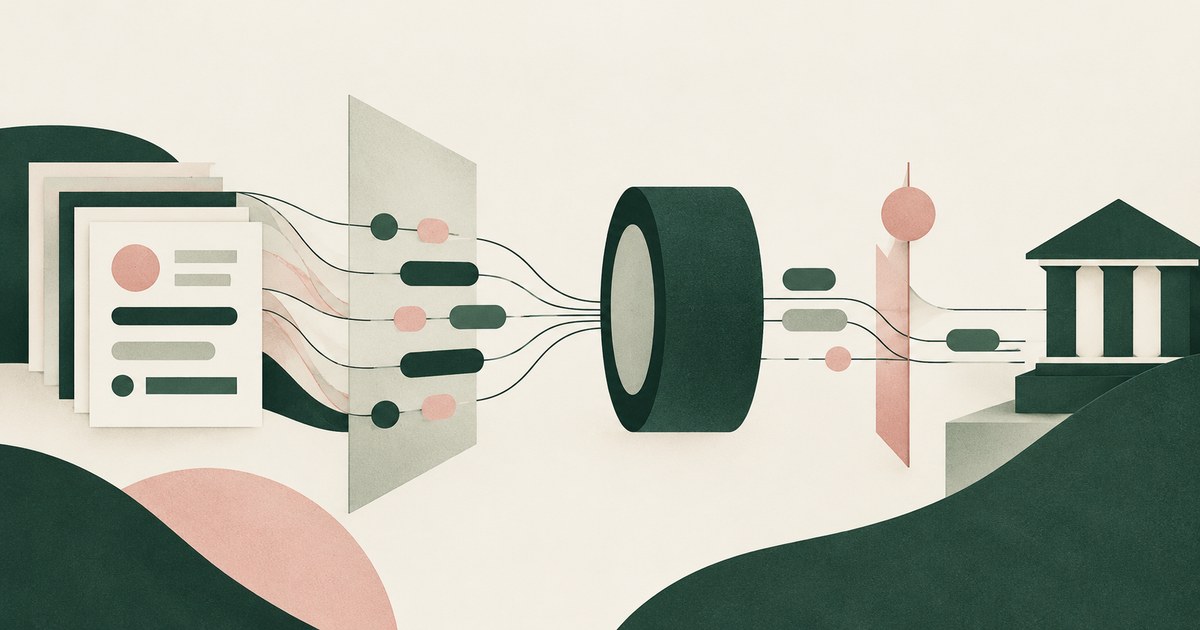
They can, if the model never receives nonpublic personal information: identifiers are tokenized on screen and resolve only at approved destinations.

Not by breaking rules but by passing beneath them: DLP watches files and uploads while an agent reads the screen. Check what sees what the model received.

Take the risks one group at a time and record whether each is preventable at the rendered page. Most are when values are replaced before the model reads.
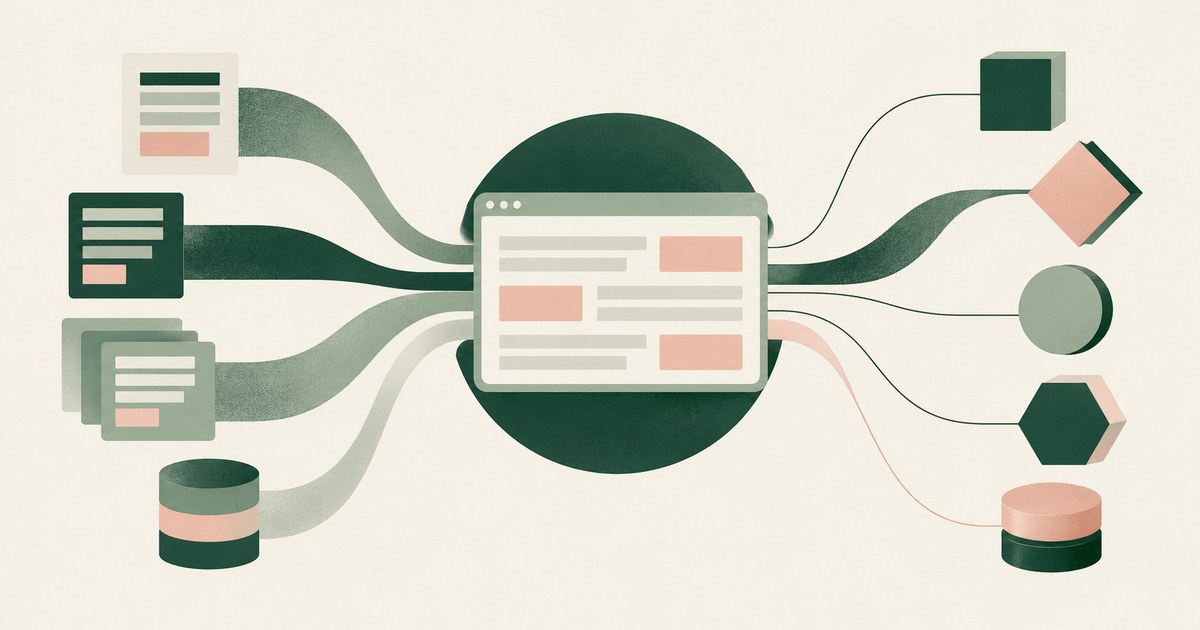
Enforce the policy once, at the rendered screen every tool shares, not in each vendor's console. Check whether a new AI tool can read a customer screen.

Treat the agent and its model provider as a school official under direct control, and keep education record PII out of the model. Check what it sees.

It can be, since regulators apply existing technology-neutral rules to agents. Check what the model sees, who approves actions and what an examiner gets.

Controls around a model's inputs, outputs and actions; most products ship content filters, while action guardrails limit what the agent can do and receive.

A single-agent mandate simplifies contracting but pushes other work into unsanctioned tools and ties governance to one vendor. Check how much use leaks.
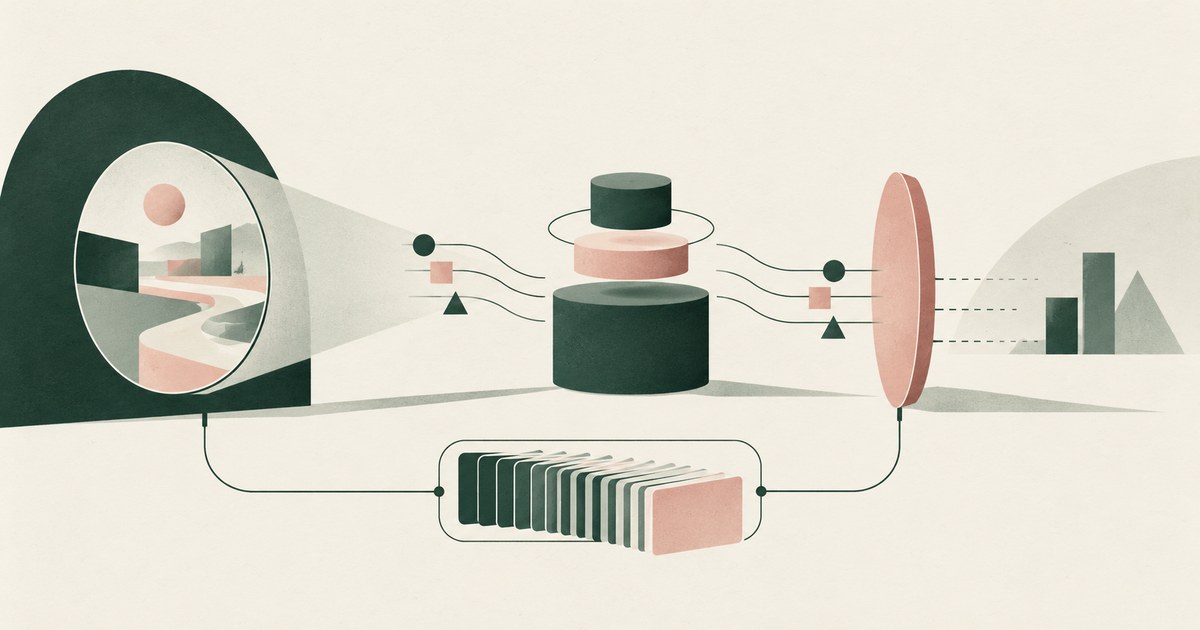
For high-risk uses, Article 14 requires people who can oversee and stop the system, and Article 26 assigns overseers and six months of logs.

Notification clocks, regulator reviews, fine tiers and contract consequences run in order, whether a person or agent caused it. Keep PII out of the model.

The OWASP GenAI Security Project's December 2025 list of ten risks, ASI01 to ASI10, from goal hijack to rogue agents. Check which your agent meets first.
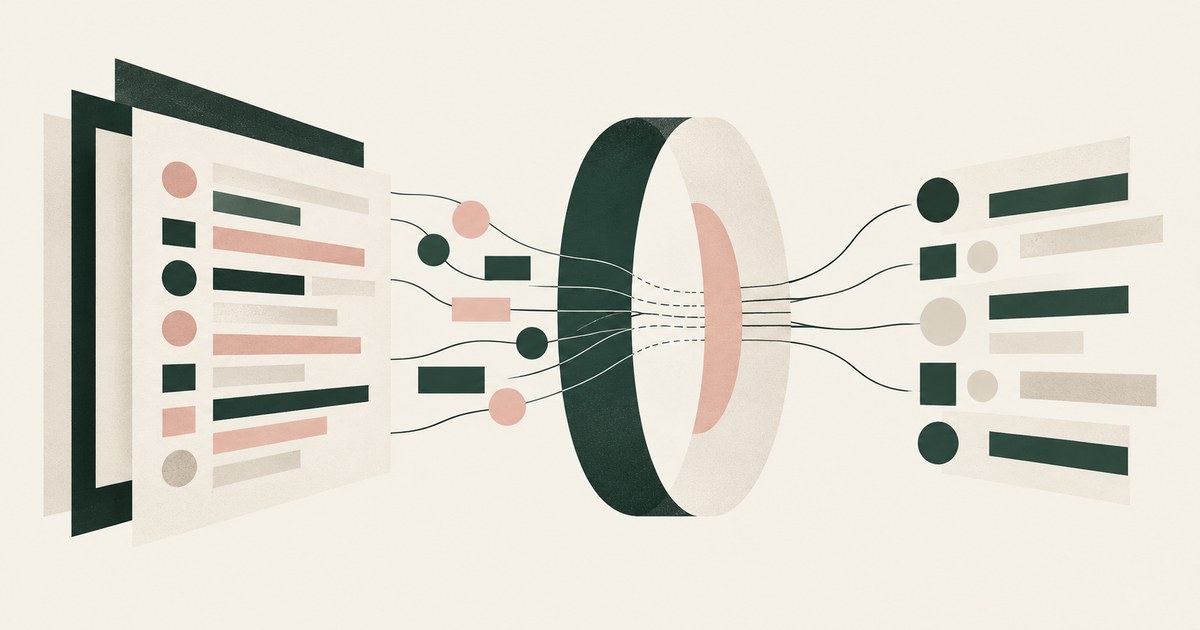
Ask what the model receives when the agent opens a screen full of identifiers, then who approves, what is recorded and where values resolve. Seek tokens.
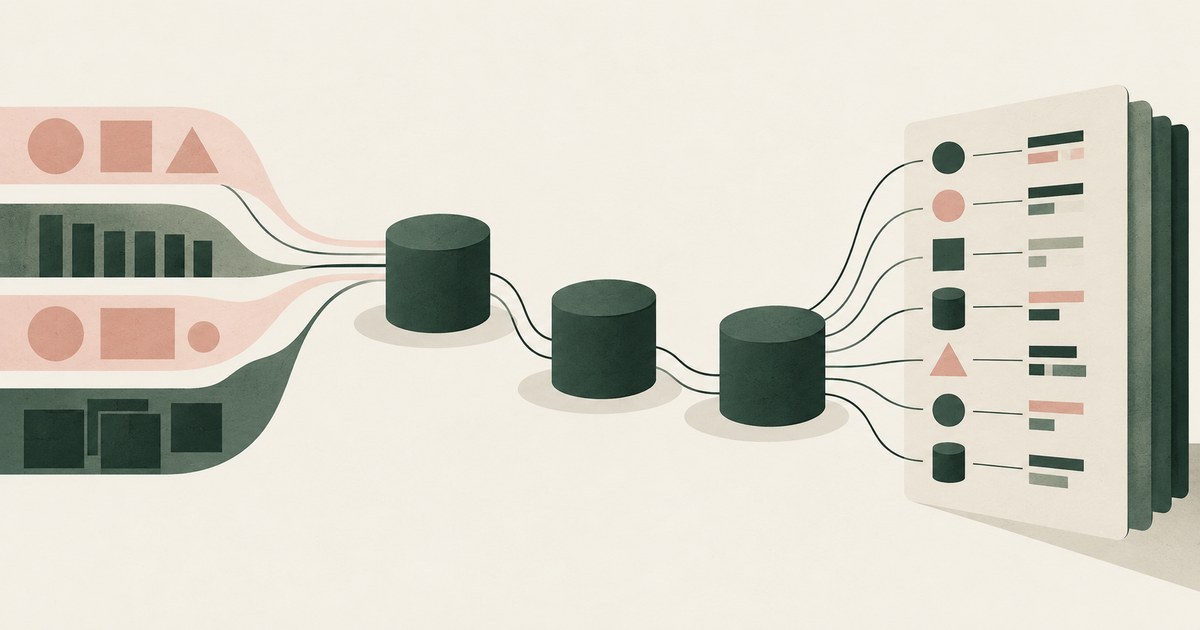
The same ones as any system component: logical access, monitoring and change management, plus confidentiality and privacy where agents read customer data.
Bring one billing, collections, claims or patient-account workflow and your questions.
Book a demo