
Do OpenAI Dots Rules Control What the Agent Sees?
Review OpenAI Dots Custom Rules, AI agent security and tokenization before connecting billing, claims or other workflows that expose PII.
 redactsure
Research topic
Research on OpenAI Dots for AI agent workflows, with tokenization, access controls and evidence for teams handling sensitive business data.
Review OpenAI Dots Custom Rules, AI agent security and tokenization before connecting billing, claims or other workflows that expose PII.

Review OpenAI Dots for healthcare billing, PHI exposure, HIPAA terms and AI agent controls before connecting patient records in Epic.

Assess OpenAI Dots for student records, FERPA obligations and AI agent access before connecting PowerSchool or other district systems.

Assess OpenAI Dots for payments, PCI scope and vendor bank data, with AI agent input controls for accounts payable and cardholder workflows.
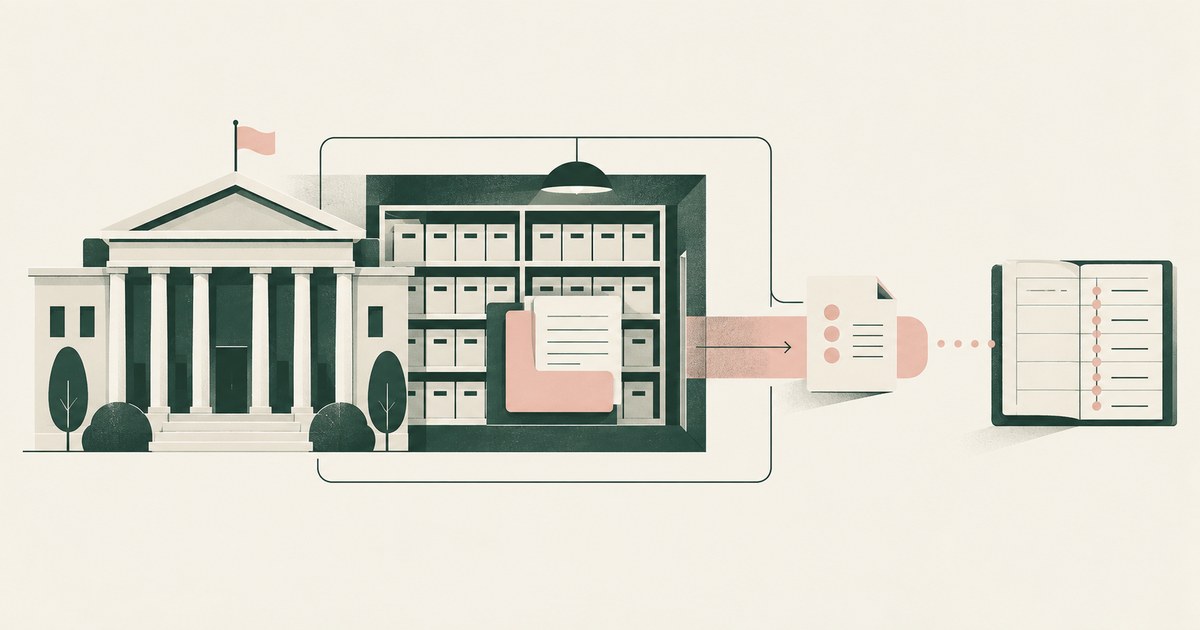
Review OpenAI Dots for federal records, PII exposure and AI agent oversight under current agency policy, privacy rules and cloud authorization.

Assess OpenAI Dots for insurance claims, claimant PII and AI agent approvals, with questions for governance and third-party security reviews.

Review AI agent approval settings for claims, billing and payments, including standing permissions, named approvers and recorded decisions.

Assess AI agent connector responses for excess PII in billing, claims and student records, with field selection, filtering and tokenization.

Review Use AI Agents for Google Cloud Deployment, with AI agent security, tokenization and approval checks for sensitive enterprise workflows.

Review Use AI Agents to Launch an EC2 GPU Instance, with AI agent security, tokenization and approval checks for sensitive enterprise workflows.
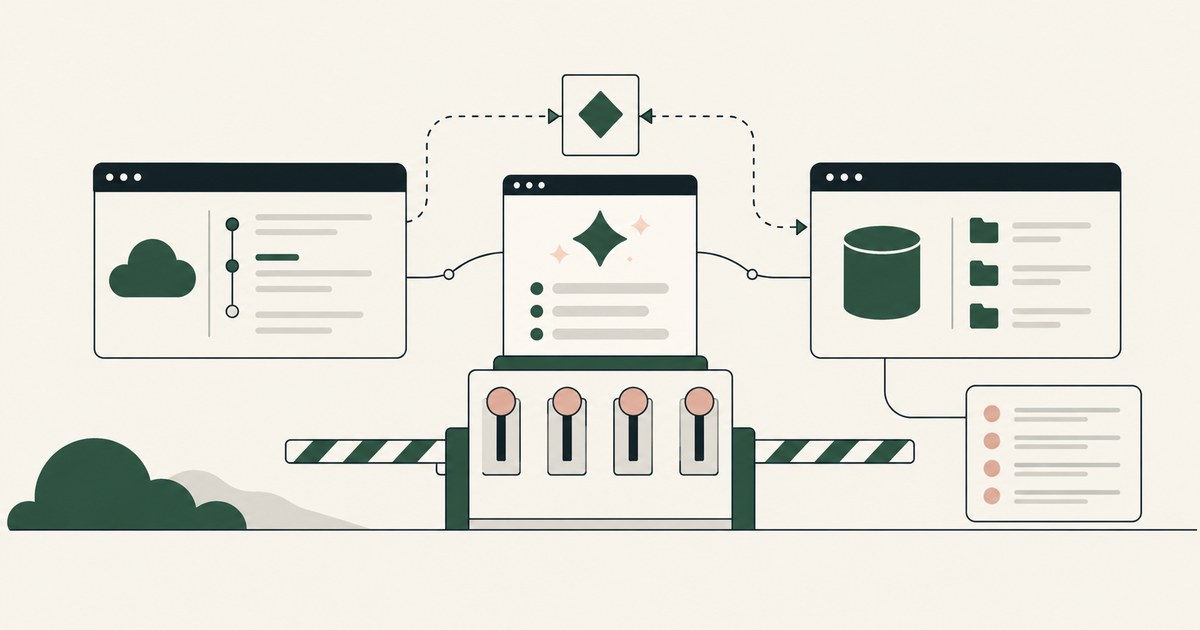
Review Set Up S3 and GitHub With Cowork or Dots, with AI agent security, tokenization and approval checks for sensitive enterprise workflows.

OpenAI Dots governs behavior with custom rules the model reads, while RedactSure, an OpenAI Dots alternative built for AI agents, replaces values on the rendered screen before the model reads them. RedactSure is an alternative way to think about agent browsing security, because it protects sensitive data as it is rendered on a screen, before an agent uses it.
Of 741 developer comments on Meta Muse, 109 raised security or privacy concerns, about 1 in 7. Of 646 developer comments on OpenAI Dots, 101 did, about 1 in 6. Business-buyer and consumer opinion could not be collected.
Not on debtor accounts, where an SSN, a balance and a contact history render on every screen the agent opens. Use Dots for scripts and scheduling, and ask what the model receives from the account screen before an agent works a live account.
No. OpenAI's Dots pages describe an always-on agent that acts on a page, not a control that replaces a vendor's account and routing numbers before the model reads them, so ask what the model receives on each bill screen and who approves the payment.
Not from the pages reviewed: OpenAI says Reset deletes a dot's conversations, saved memories and scheduled tasks, but no dot page states whether images of the pages it reads are stored, or for how long. Treat the session as the container and get the retention term in writing before a dot opens a patient account screen.
No, not on work accounts whose pages carry sensitive data: OpenAI's safety write-up describes a dot's model seeing webpage text and document content within connected apps, and custom rules govern how the dot behaves rather than what it reads. Ask what the model receives on each screen and who approves each action before you connect a CRM.
Whatever the pages a dot works on render: in a NetSuite vendor record the vendor name, bank account and bill history all reach the model, because the rules govern what a dot may do, not what it receives. Ask what the model receives from each screen your team works on, and who approves the payment it prepares.