What Are Meta Business Agent's Privacy Risks?
Review Meta Business Agent privacy questions for billing and customer support, including PII retention, training, advertising and export terms.
 redactsure
Research topic
Research on customer data for AI agent workflows, with tokenization, access controls and evidence for teams handling sensitive business data.
Review Meta Business Agent privacy questions for billing and customer support, including PII retention, training, advertising and export terms.
Review Secure AI Agents That Access Customer Data, with AI agent security, tokenization and approval checks for sensitive enterprise workflows.

Yes, when the injected agent sees real customer data and can send outward; attacks leaked data at 20 to 70 percent. Check what the model holds.

Less than it is given. Agentforce reads whatever its agent user may see, and Salesforce says LLM masking is off for agents. Check what the model reads.
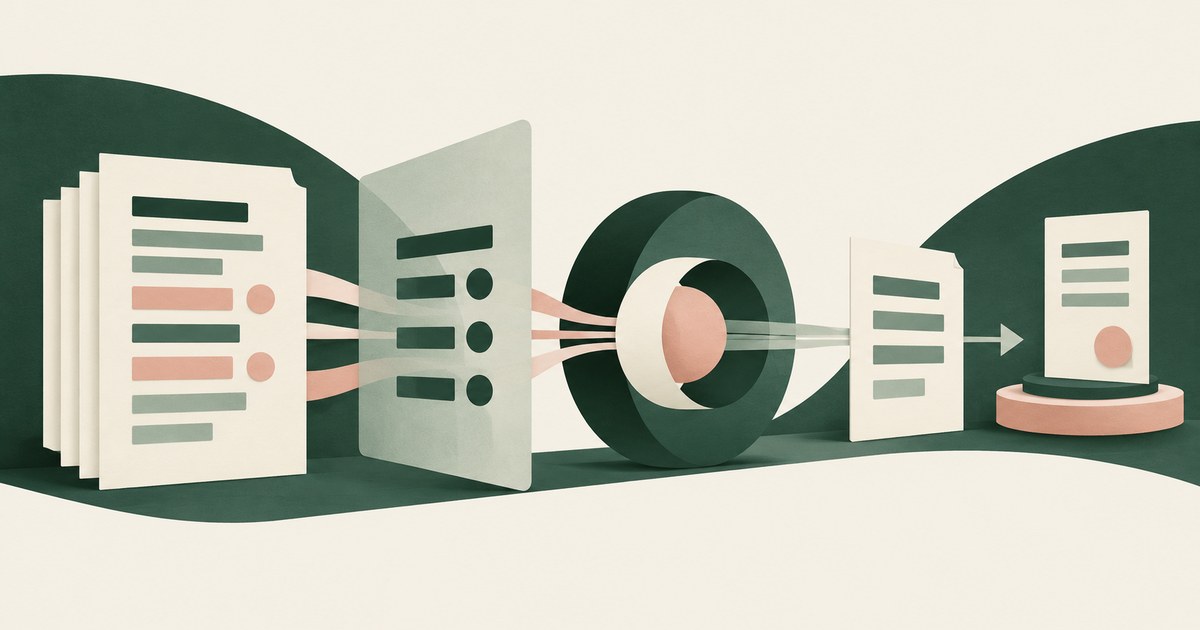
Run one workflow and one record type with a page policy that replaces identifiers, a named approver and a reviewed record. Check it completes on tokens.
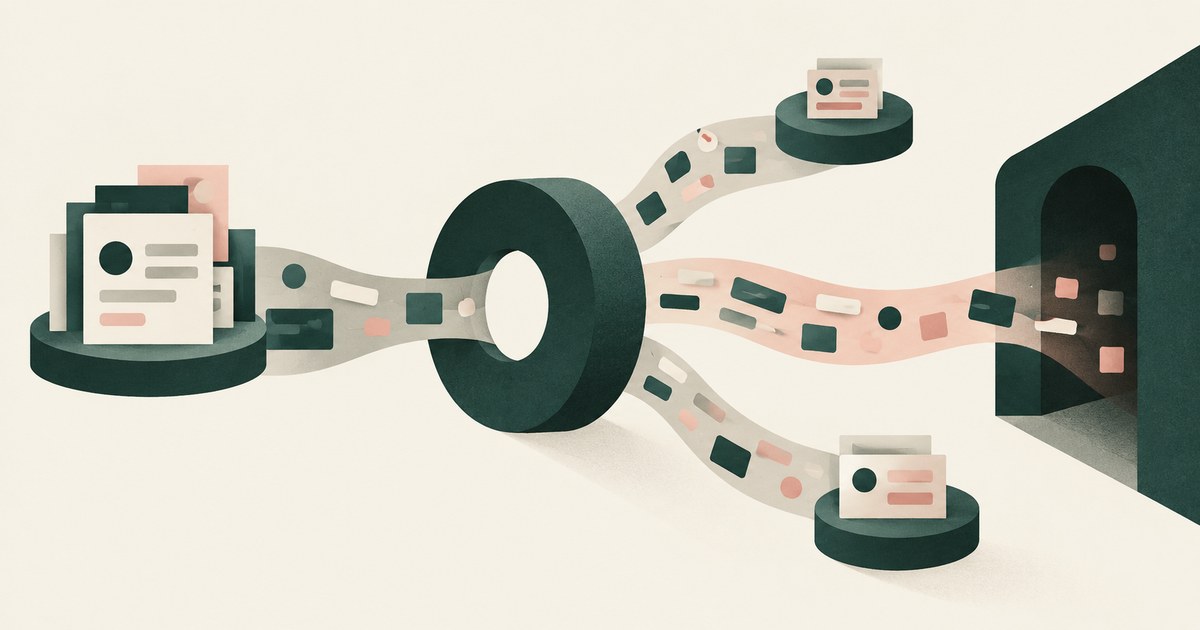
The risk is rarely the task; it is the side channels where an agent reuses customer details or a hostile page coaxes them out. Check what it carries on.
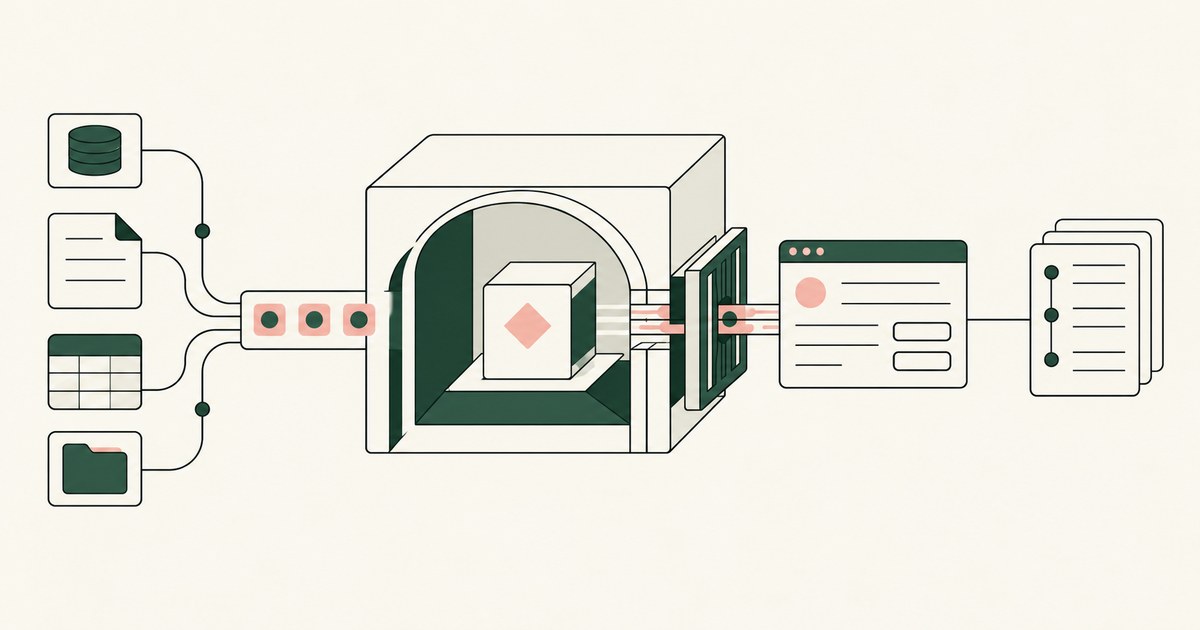
Yes, on every step: the rendered page is the prompt, so whatever the customer record shows, the model receives. Check what each screen passes to the model.
Redact the logs before the agent reads them, or give it a view where identifiers become placeholders it can still correlate on.
Do not; seed a synthetic database or put the real one behind a view that returns placeholders. Every coding agent reviewed reads query results as text.
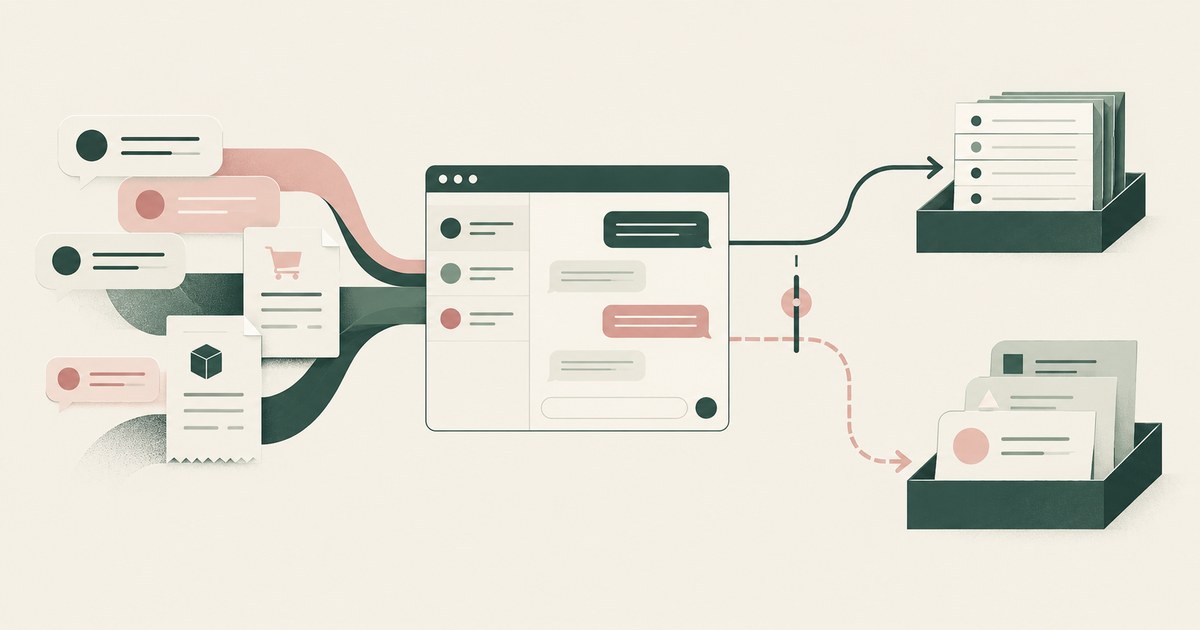
It does, because the thread the agent answers is the customer record: the name, address and order in the conversation are what the agent reads to reply. Ask what the model receives from that thread, who approves a reply that changes an order, and what record the business can export.
Replace the records before Claude Code arrives: seed the test database from fixtures, add a permission rule for each export path, and declare the service credentials as masked. Check what the model receives when a task needs the real record, since the sandbox covers shell commands and masking swaps a credential on an outbound request.
No, not for the customer record the application renders: Okta can give every agent an identity and an administrator-approved path to each app, and the record the app draws is still read in full by the model. Check what the model receives on the first screen that carries a real value, and who approves the change.
Infisical Agent Vault attaches stored credentials to an agent's request at a proxy; RedactSure, an Infisical alternative built for AI agents, replaces values on the screen before the model reads it. RedactSure is an alternative way to think about agent browsing security, because it protects sensitive data as it is rendered on a screen, before an agent uses it.
Keep what the agent can reach smaller than the repository: a seeded fixture instead of a production export, .cursorignore for paths that cannot move, and no live connection string in a file it reads. When a task needs real rows, ask what the model receives from the page that renders them.
No, not on work accounts whose pages carry sensitive data: OpenAI's safety write-up describes a dot's model seeing webpage text and document content within connected apps, and custom rules govern how the dot behaves rather than what it reads. Ask what the model receives on each screen and who approves each action before you connect a CRM.