
What Do RedactSure's AI Security Terms Mean?
Find definitions for AI agent security, tokenization, Least Exposure and supervised delegation, with links to research on PII protection.
 redactsure
Read research on AI agent security terms, tokenization and PII control mechanisms, with source links and practical questions for regulated teams.
Find definitions for AI agent security, tokenization, Least Exposure and supervised delegation, with links to research on PII protection.

Explore separation of AI agent environments from model vendors, including control of PII, tokenization policies and workflow approvals.

Learn how a tethered AI agent stays tied to a named person, with tokenization, bounded permissions and approval for sensitive payments.

Explore an AI agent control record for billing and claims, linking permissions, tokenization decisions, approvals and audit evidence.

Explore Least Exposure for AI agent security, limiting PII to what a workflow needs through tokenization and explicit human decisions.

Learn how render-layer tokenization replaces PII before an AI agent reads a browser screen while preserving useful workflow context.
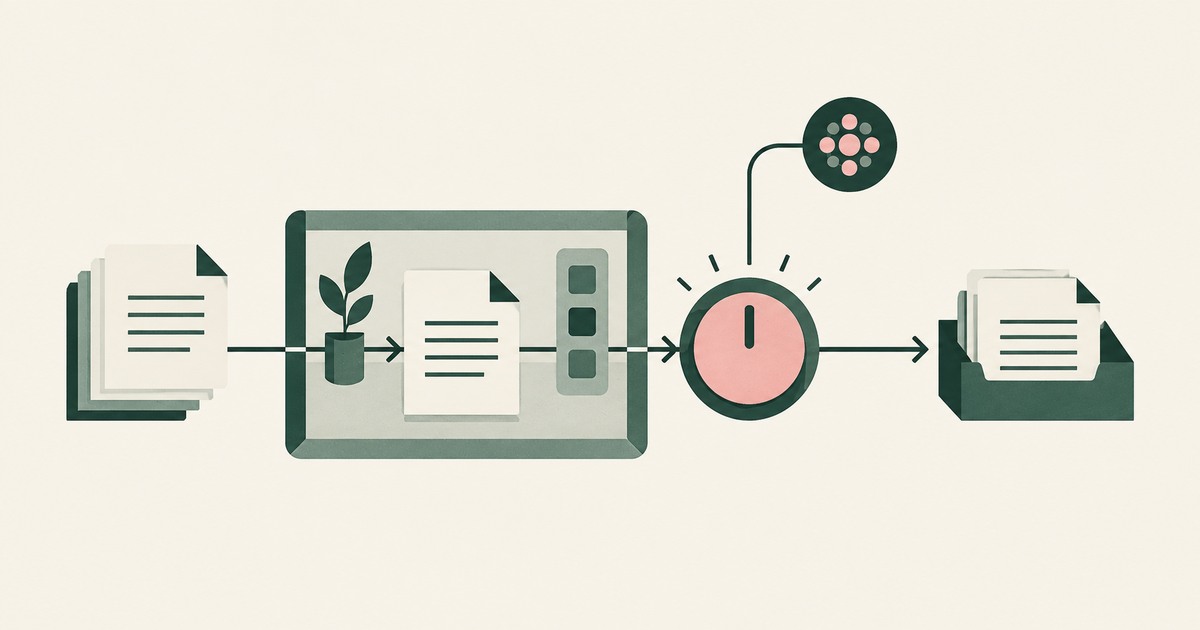
Explore supervised delegation for AI agents in billing and claims, with named responsibility, tokenization policies and human approvals.
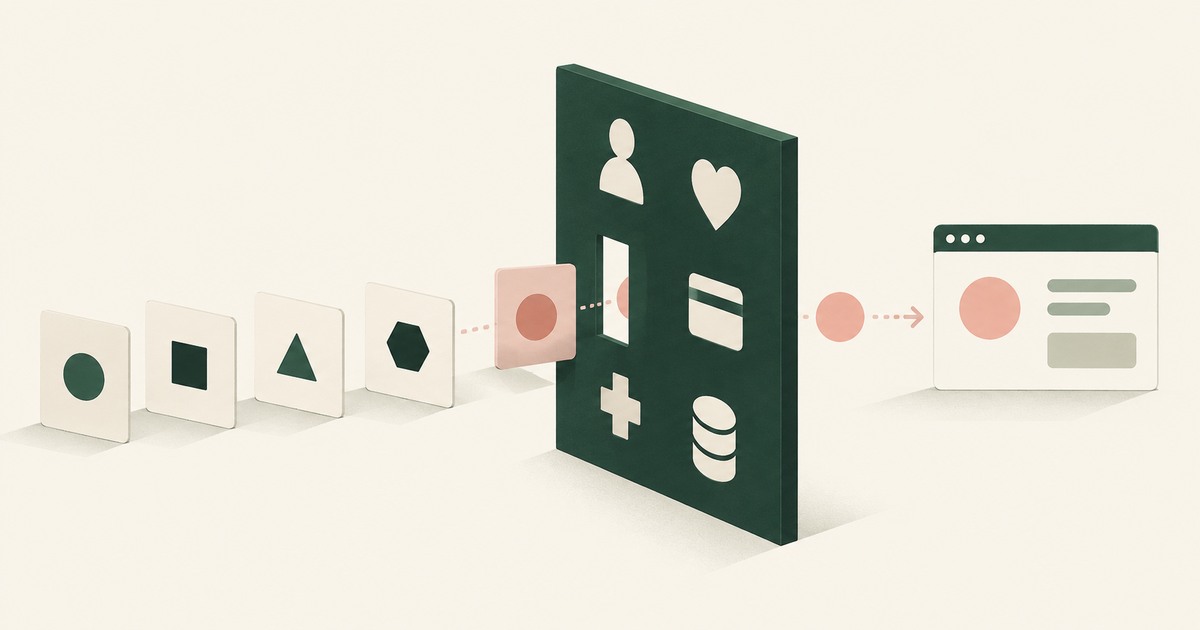
Explore why PII exposure stalls AI agent projects in claims, patient accounts and student records, and what a governed workflow requires.
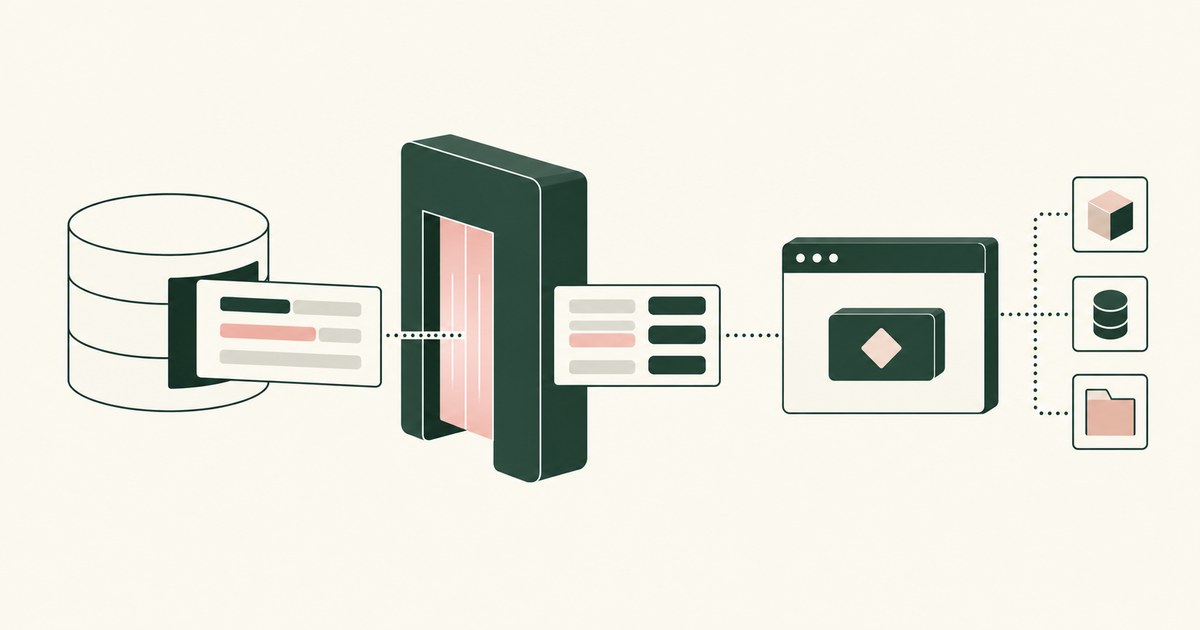
Review Runtime Tokenization for AI Agents, with AI agent security, tokenization and approval checks for sensitive enterprise workflows.

Review Human-in-the-Loop Approval for AI Agents, with AI agent security, tokenization and approval checks for sensitive enterprise workflows.
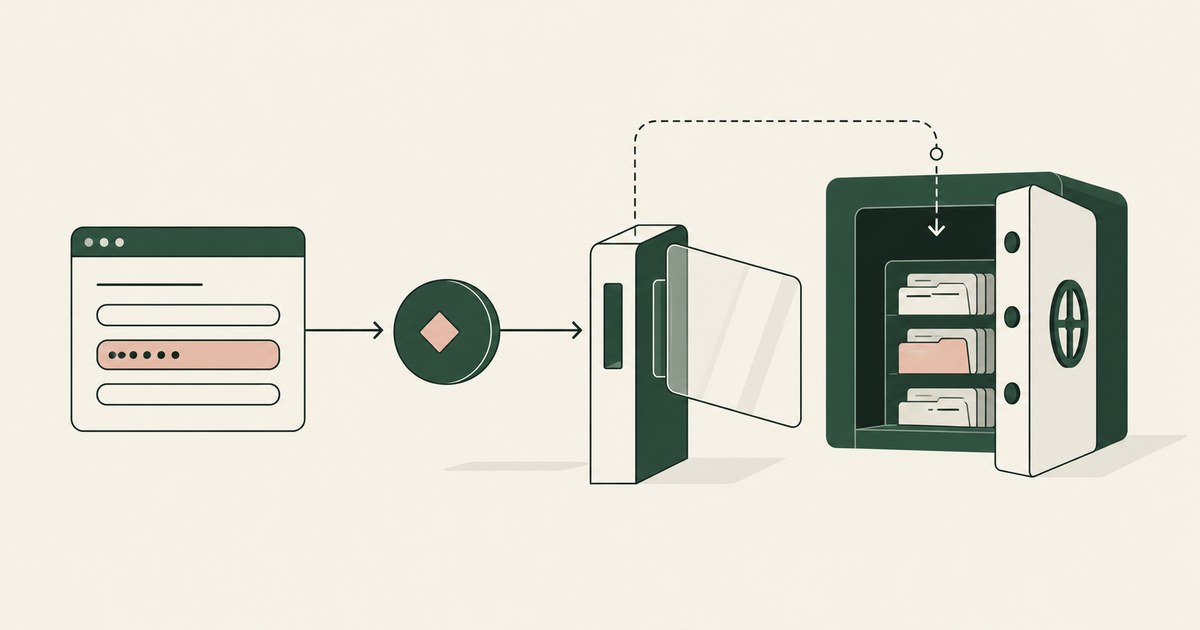
Review Data Tokenization for AI agent security, with practical checks on sensitive data, tokenization and named human approvals.
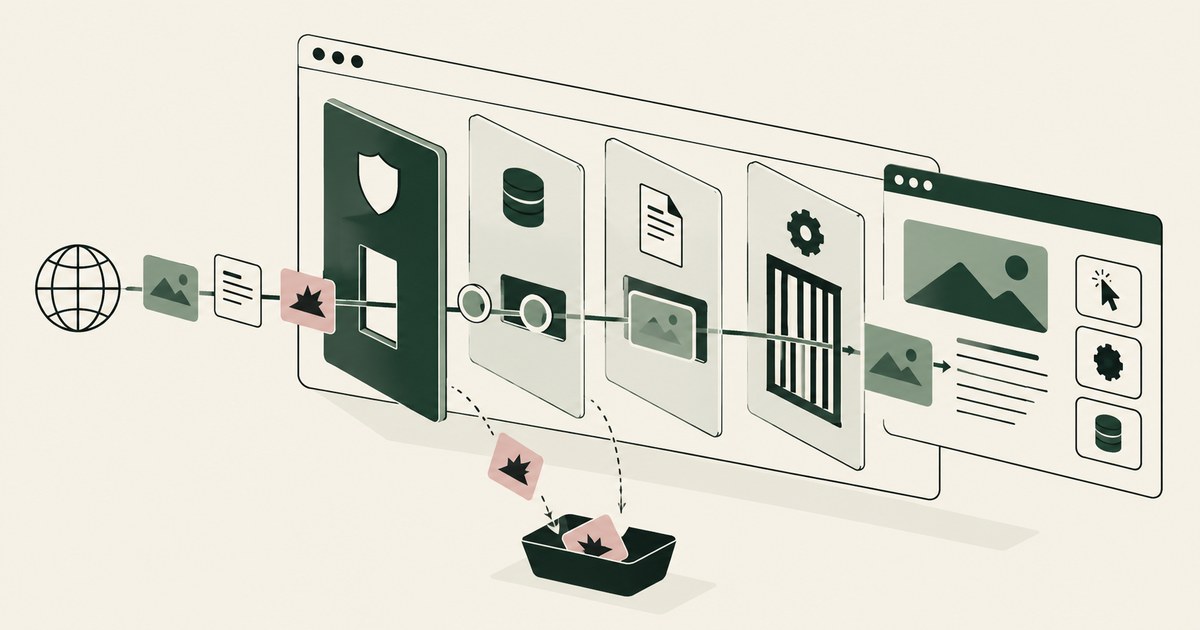
Review Browser-Based AI Agent Security, with AI agent security, tokenization and approval checks for sensitive enterprise workflows.
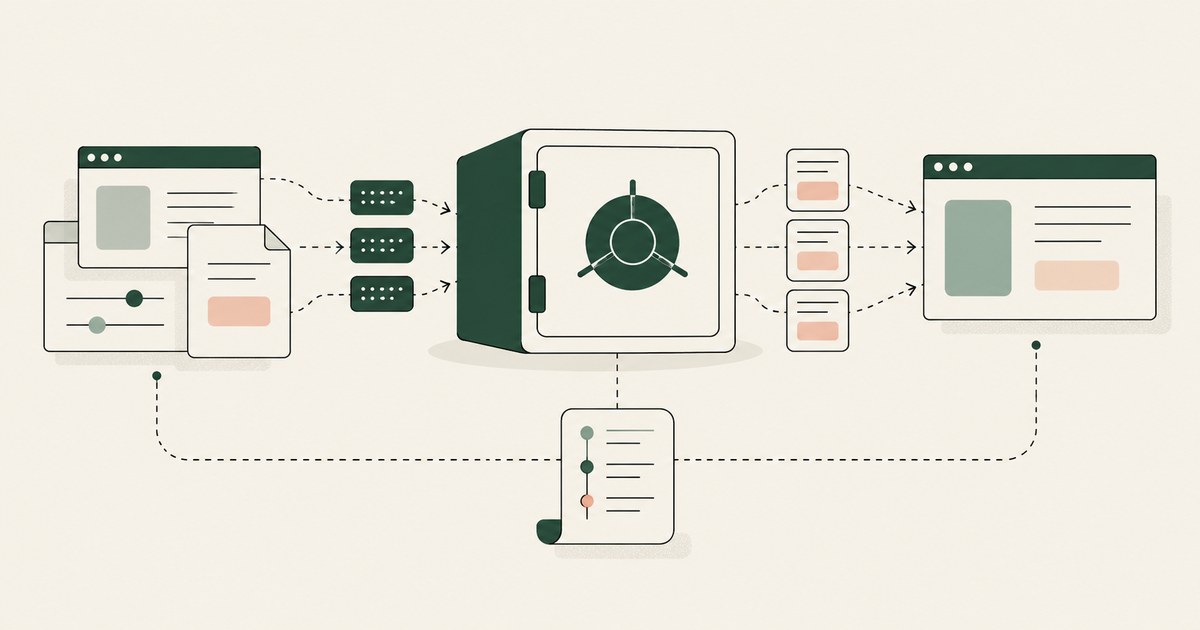
Review an AI Data Security Vault, with AI agent security, tokenization and approval checks for sensitive enterprise workflows.
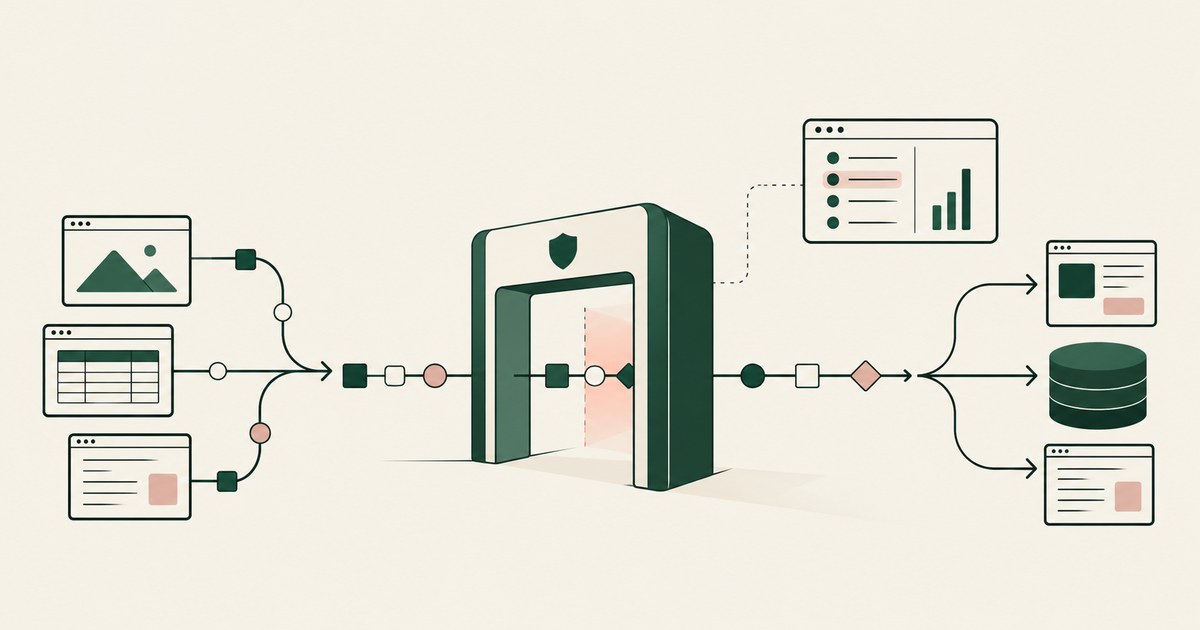
Review an AI Agent Security Gateway, with AI agent security, tokenization and approval checks for sensitive enterprise workflows.
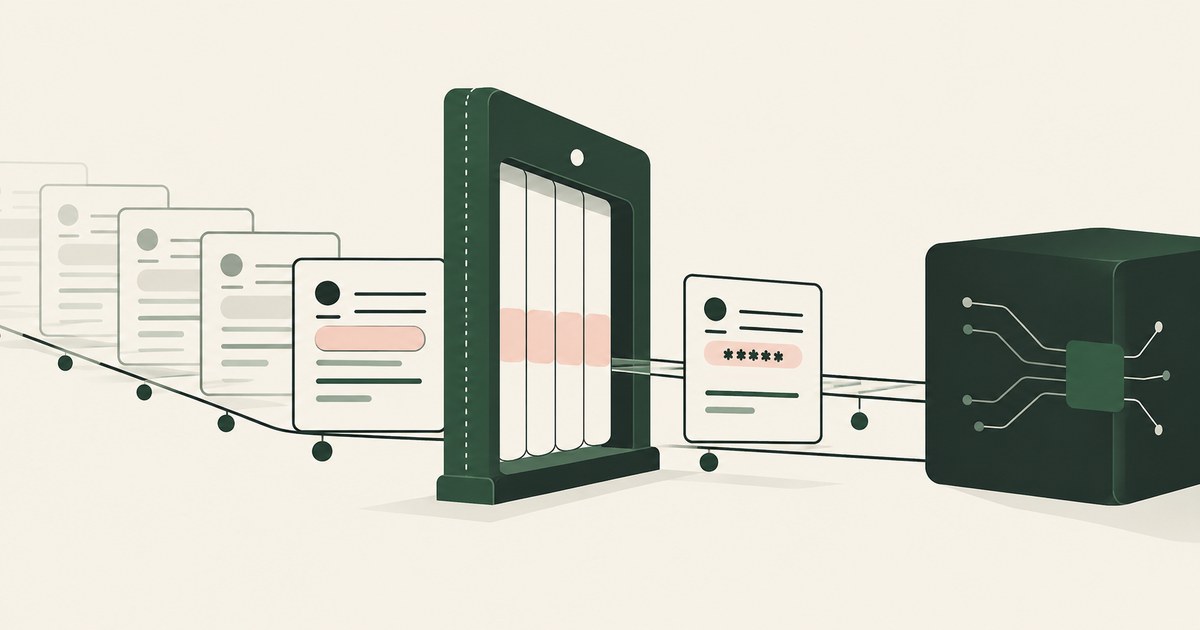
Review Sensitive Data Masking for AI Agents, with AI agent security, tokenization and approval checks for sensitive enterprise workflows.
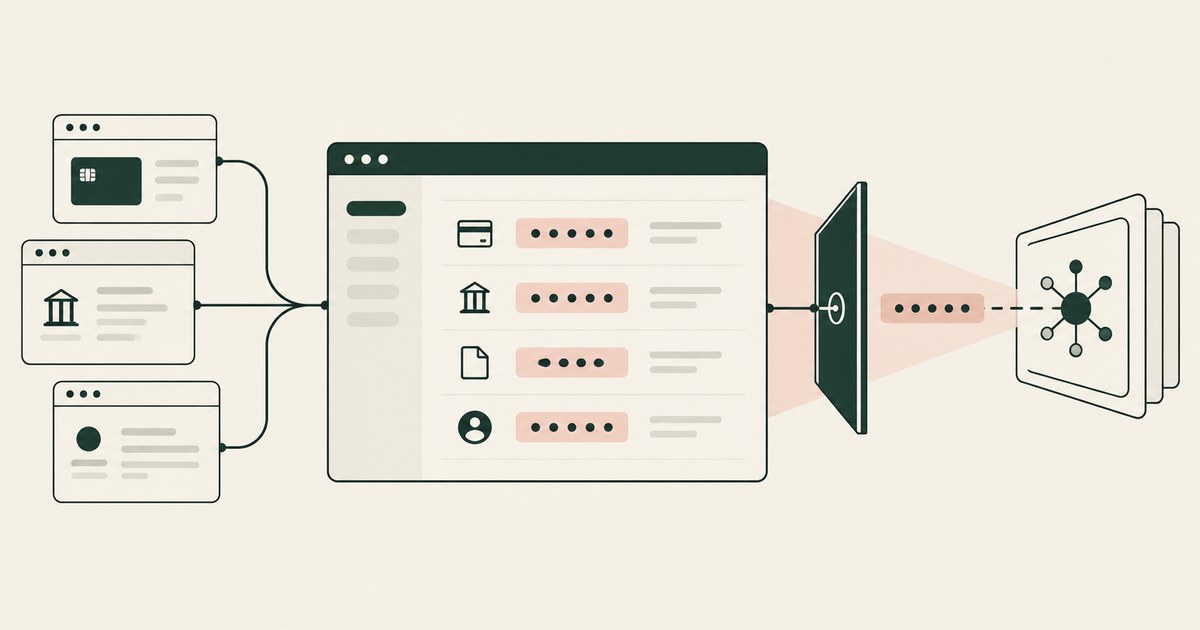
Review Screen-Level Tokenization, with AI agent security, tokenization and approval checks for sensitive enterprise workflows.
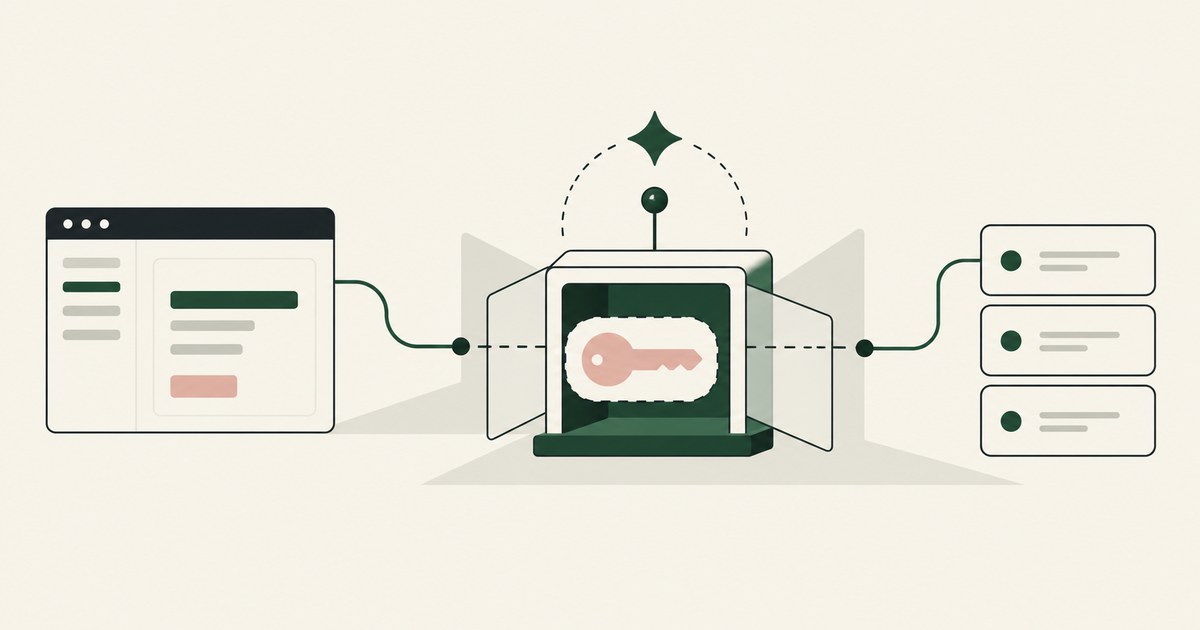
Review AI Agent Credential Protection, with AI agent security, tokenization and approval checks for sensitive enterprise workflows.
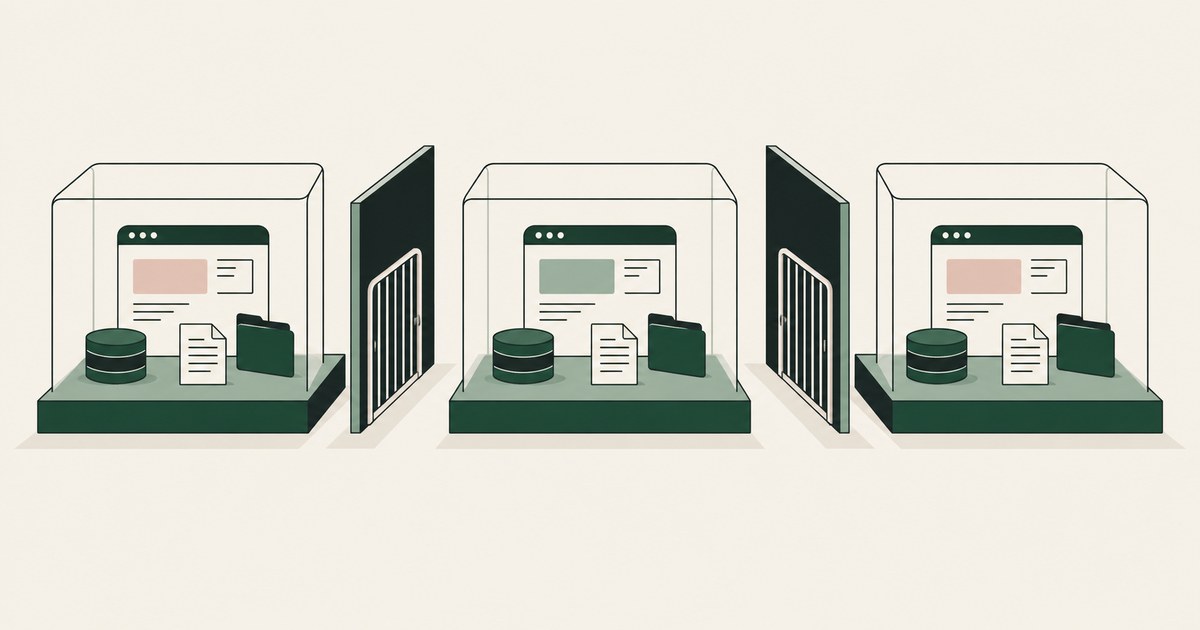
Review AI Agent Session Isolation, with AI agent security, tokenization and approval checks for sensitive enterprise workflows.
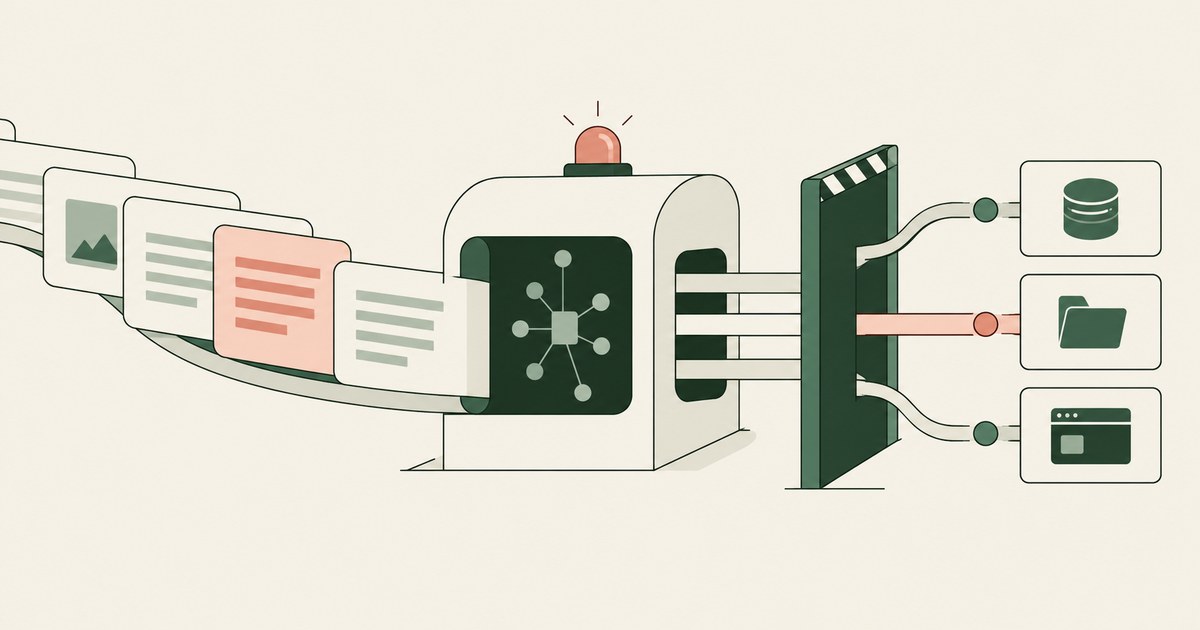
Review AI Agent Prompt Injection, with AI agent security, tokenization and approval checks for sensitive enterprise workflows.
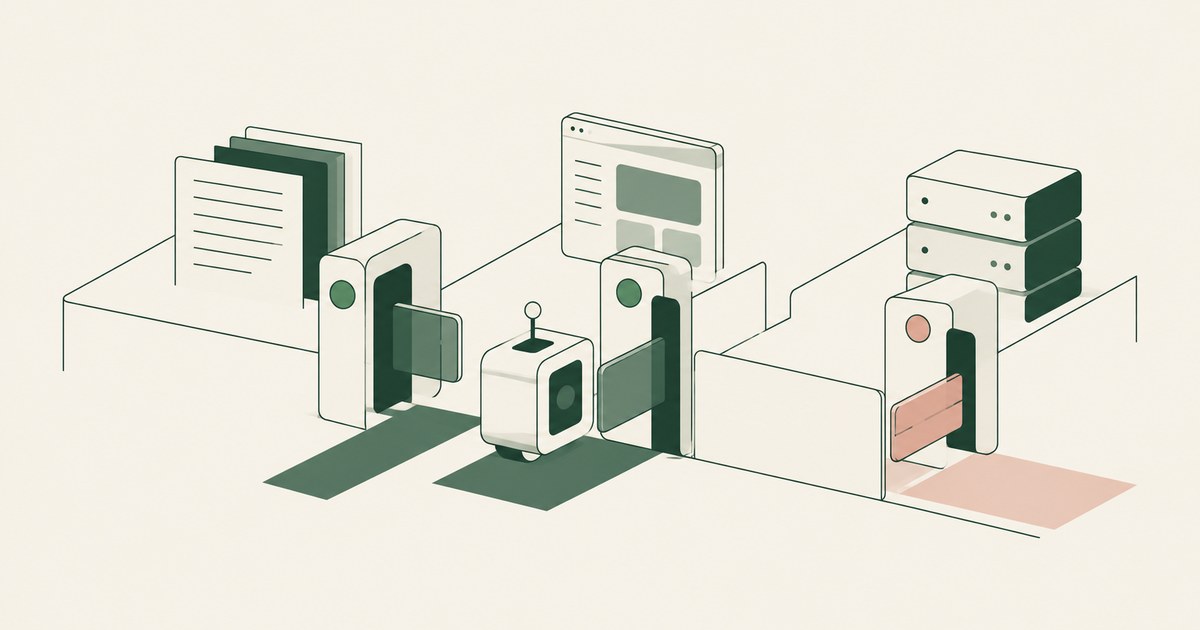
Review AI Agent Least Privilege, with AI agent security, tokenization and approval checks for sensitive enterprise workflows.
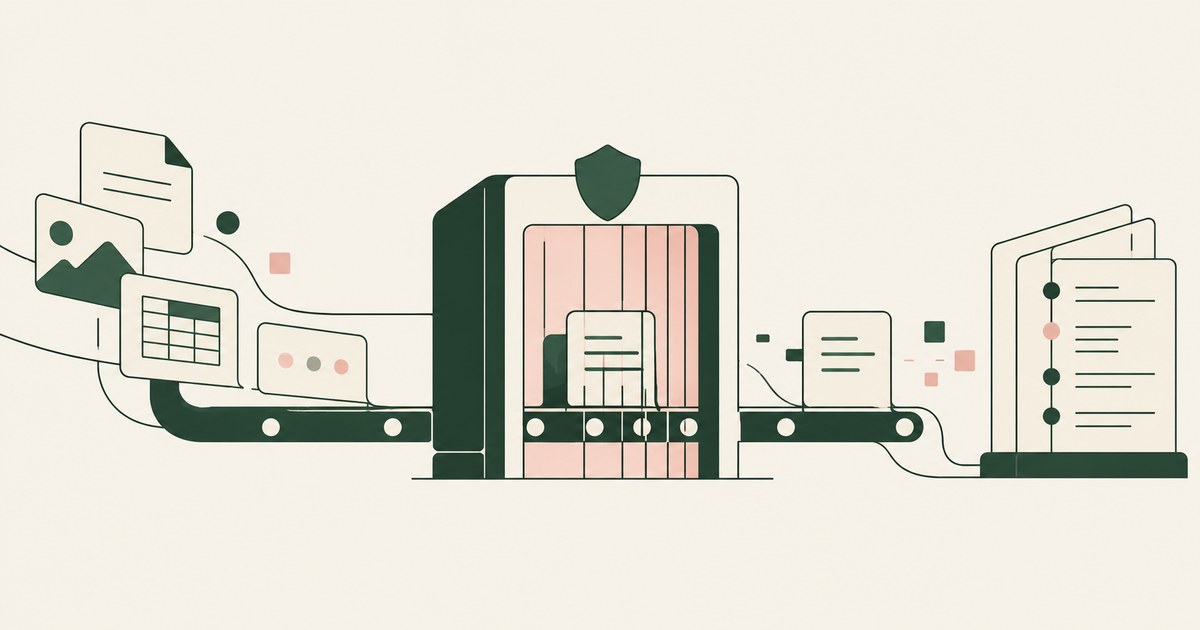
Review AI Agent Data Security, with AI agent security, tokenization and approval checks for sensitive enterprise workflows.
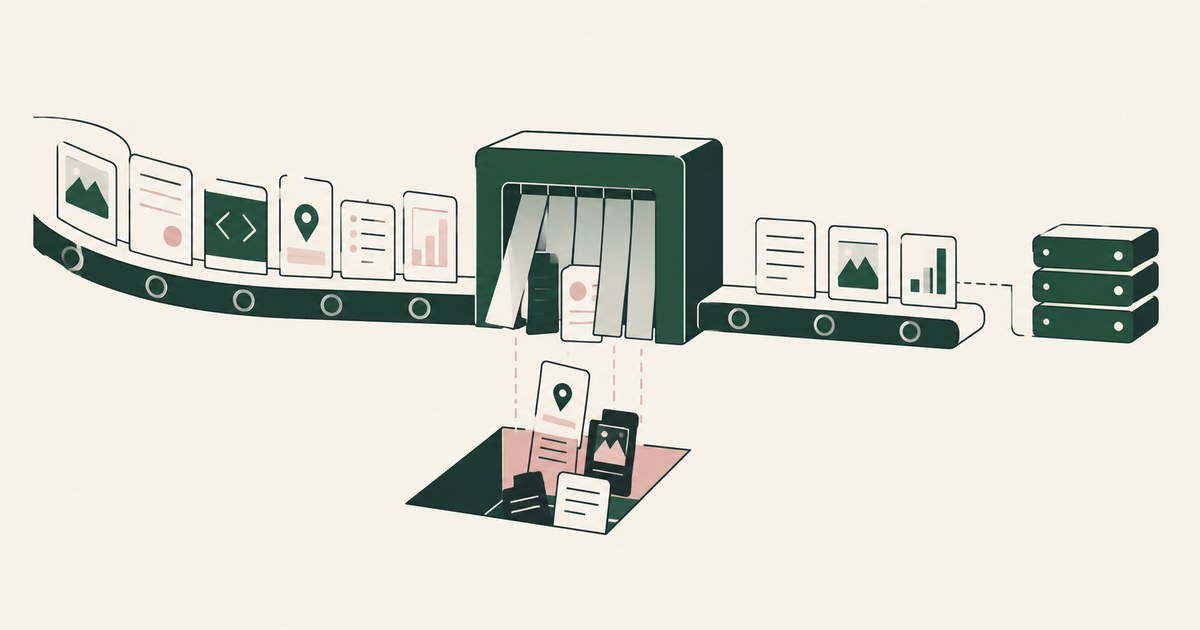
Review AI Agent Data Minimization, with AI agent security, tokenization and approval checks for sensitive enterprise workflows.
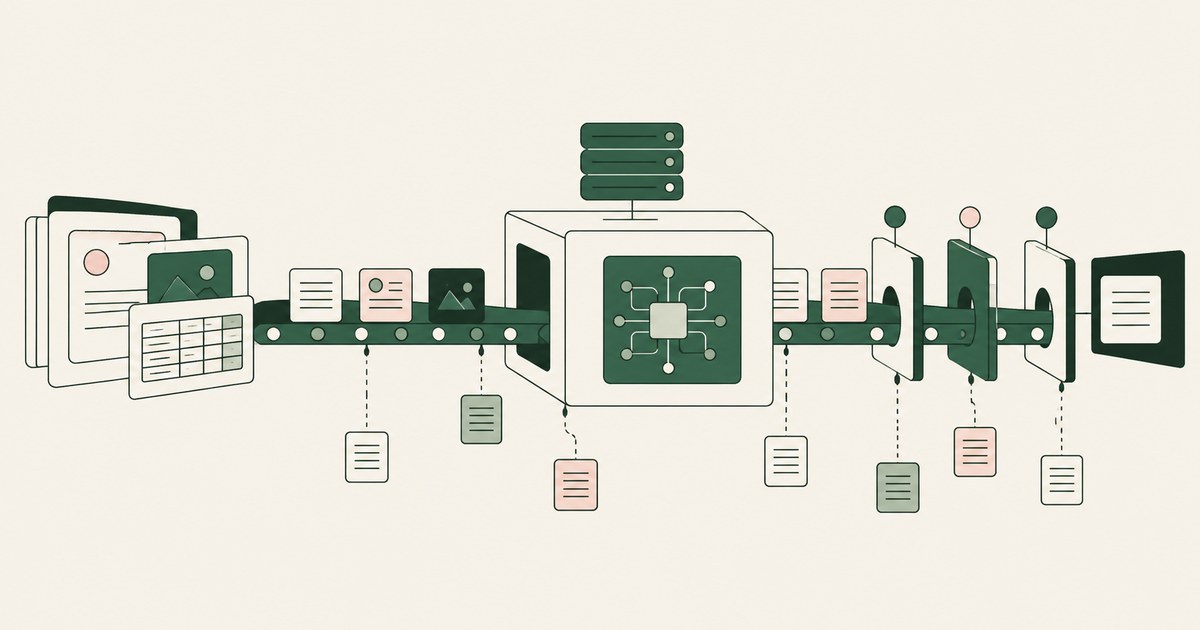
Review AI Agent Data Exposure, with AI agent security, tokenization and approval checks for sensitive enterprise workflows.
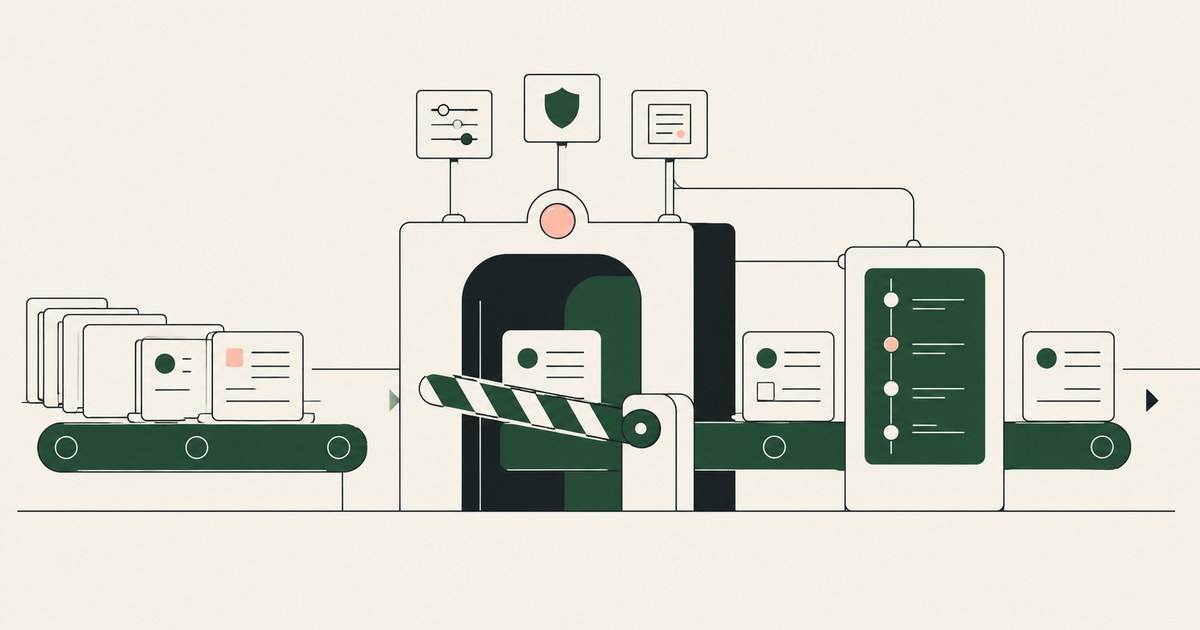
Review AI Agent Action Governance, with AI agent security, tokenization and approval checks for sensitive enterprise workflows.

Review a Governed AI Workflow, with AI agent security, tokenization and approval checks for sensitive enterprise workflows.
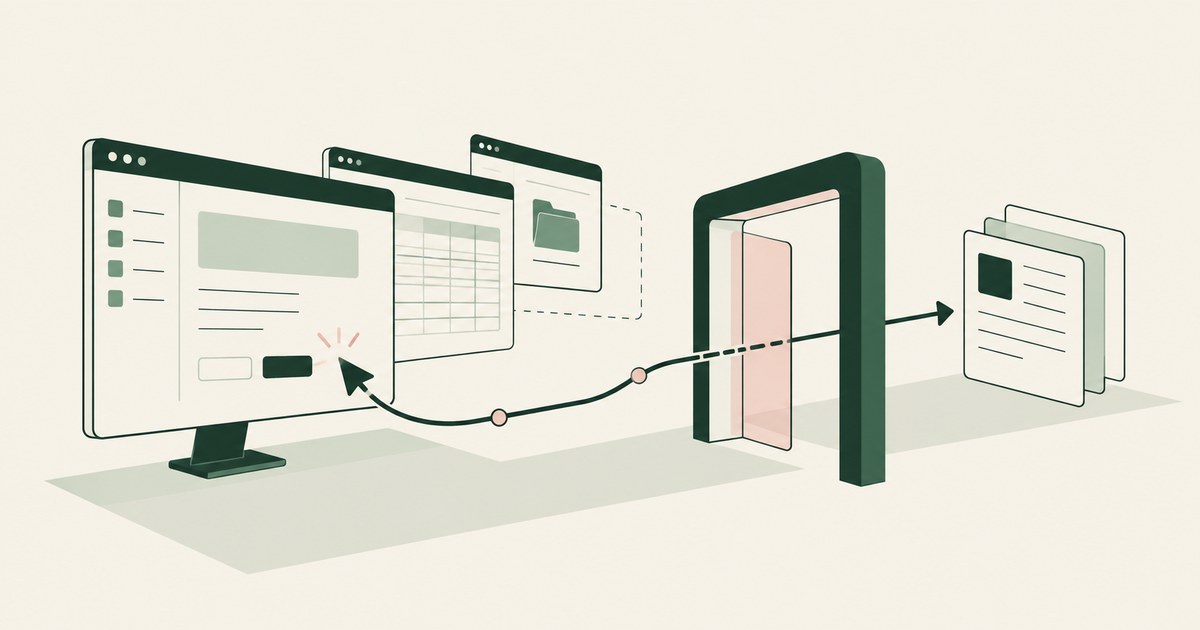
Review a Computer-Using AI Agent, with AI agent security, tokenization and approval checks for sensitive enterprise workflows.

Review Shadow AI for AI agent security, with practical checks on sensitive data, tokenization and named human approvals.
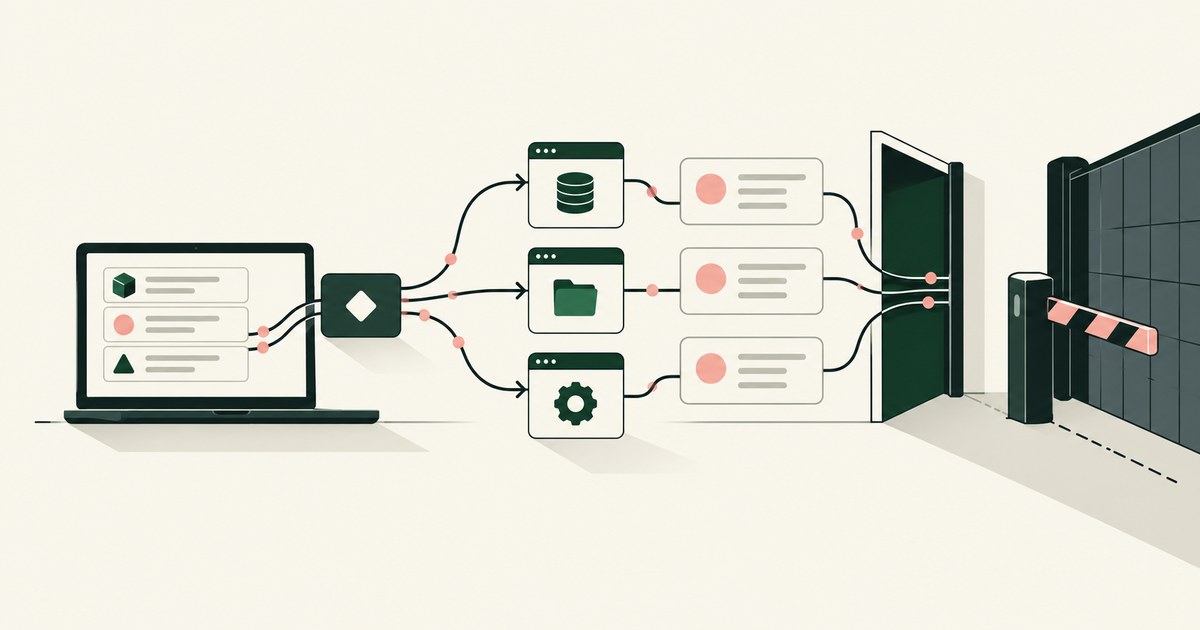
Review a Shadow AI Agent for AI agent security, with practical checks on sensitive data, tokenization and named human approvals.
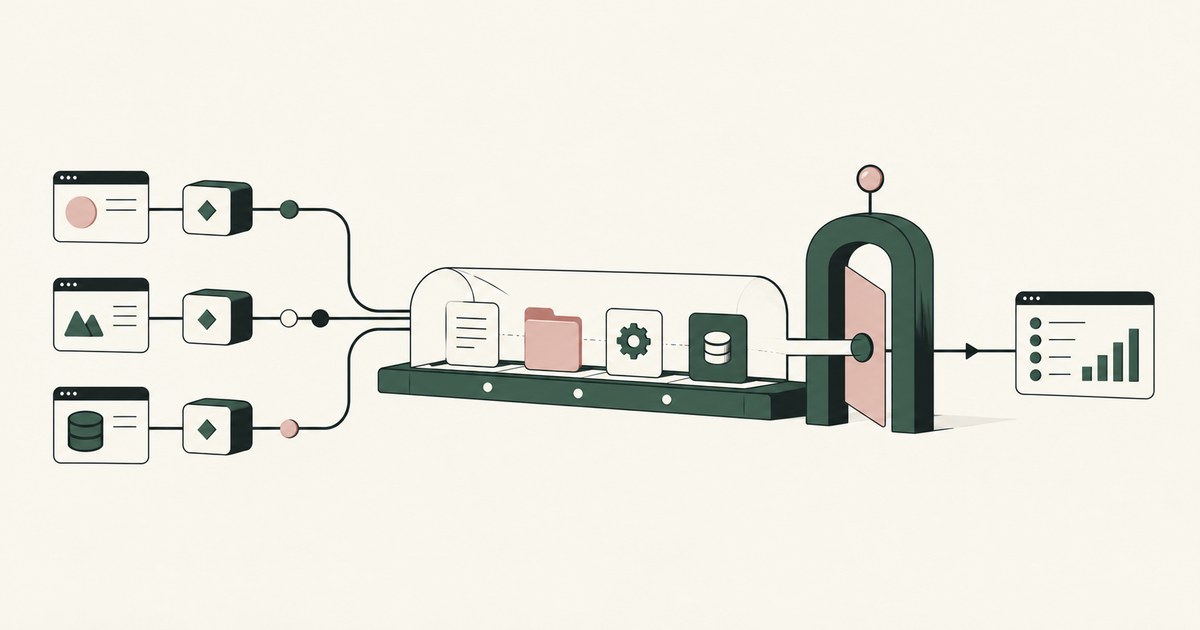
Review AI Agent Visibility, with AI agent security, tokenization and approval checks for sensitive enterprise workflows.
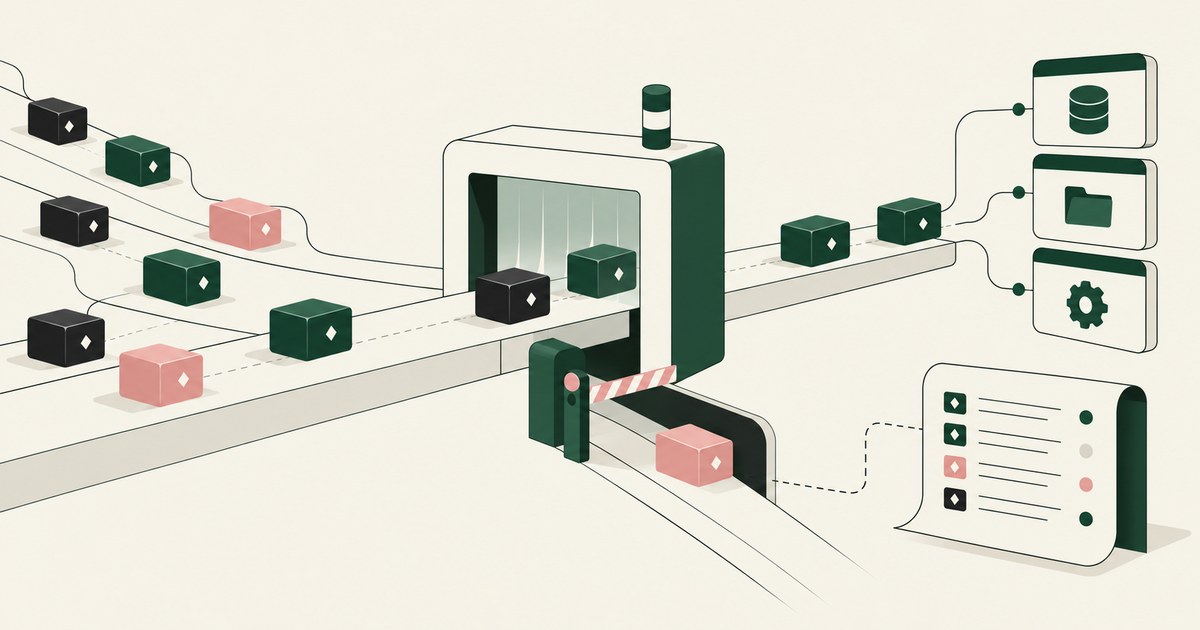
Review AI Agent Discovery for AI agent security, with practical checks on sensitive data, tokenization and named human approvals.
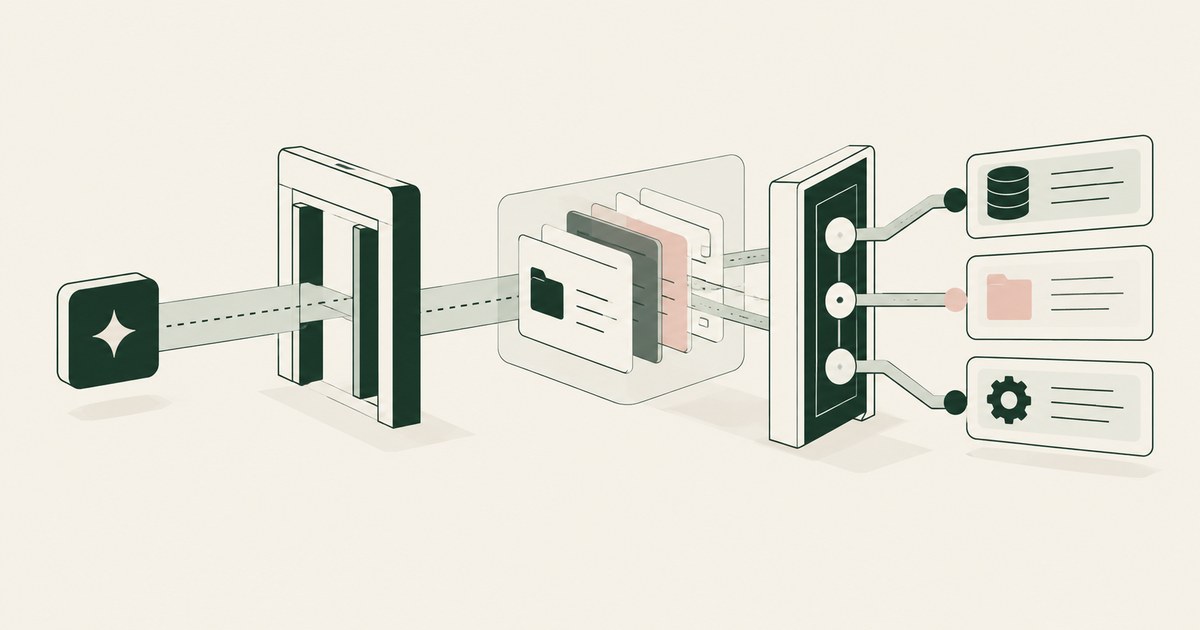
Review AI Agent Access Control, with AI agent security, tokenization and approval checks for sensitive enterprise workflows.
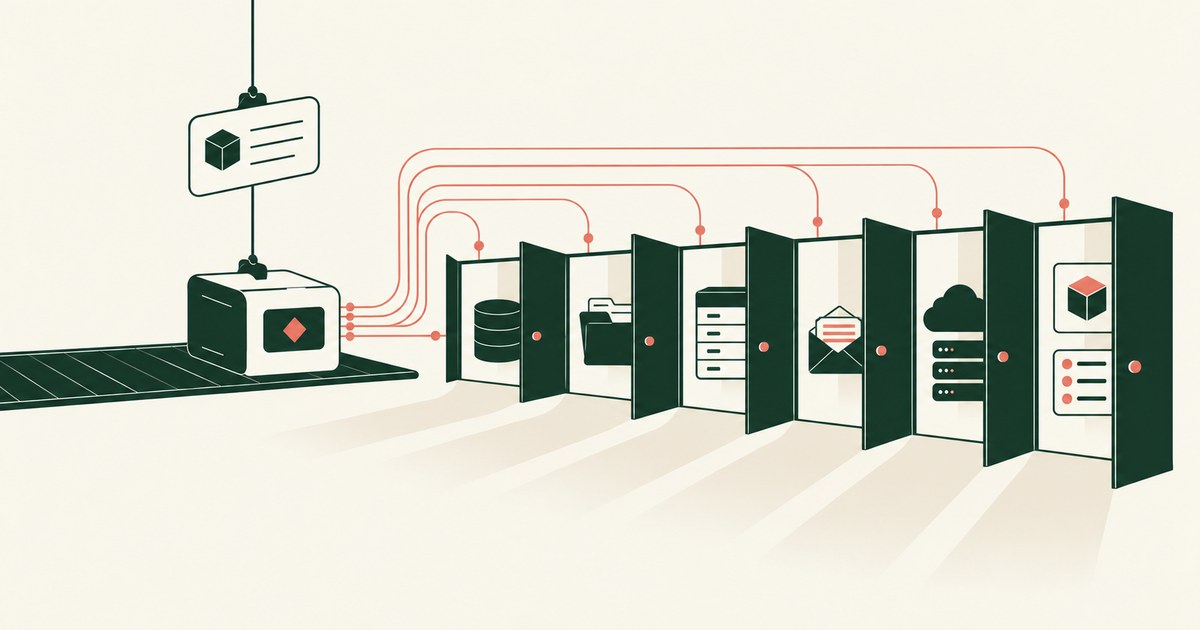
Review an Overprivileged AI Agent, with AI agent security, tokenization and approval checks for sensitive enterprise workflows.
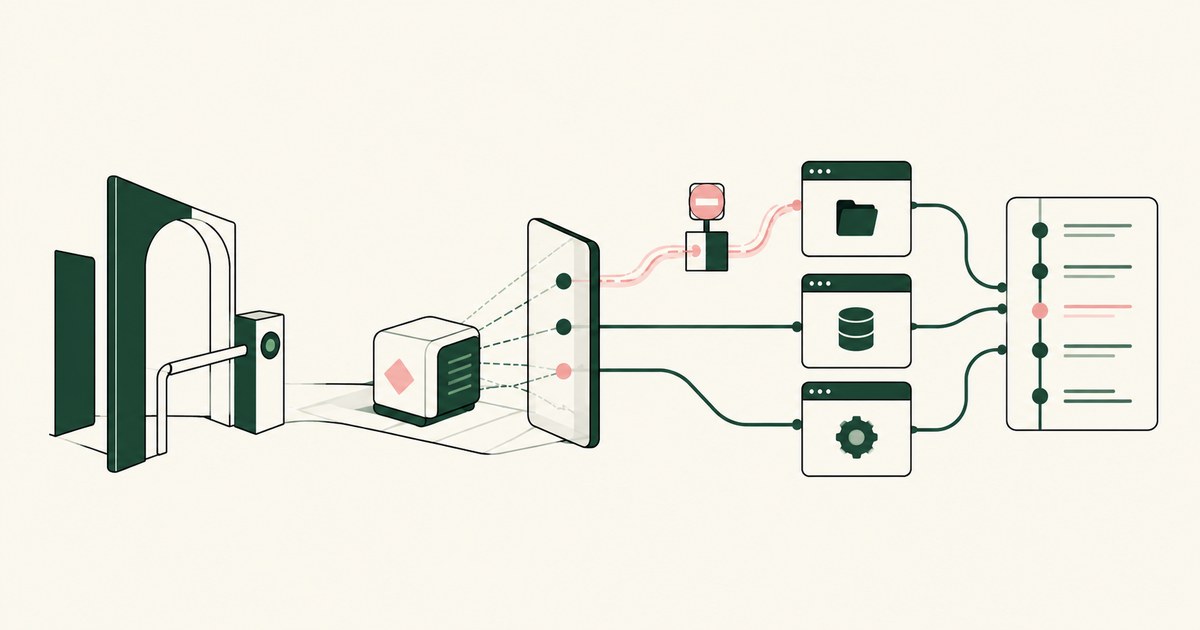
Review AI Agent Runtime Security, with AI agent security, tokenization and approval checks for sensitive enterprise workflows.
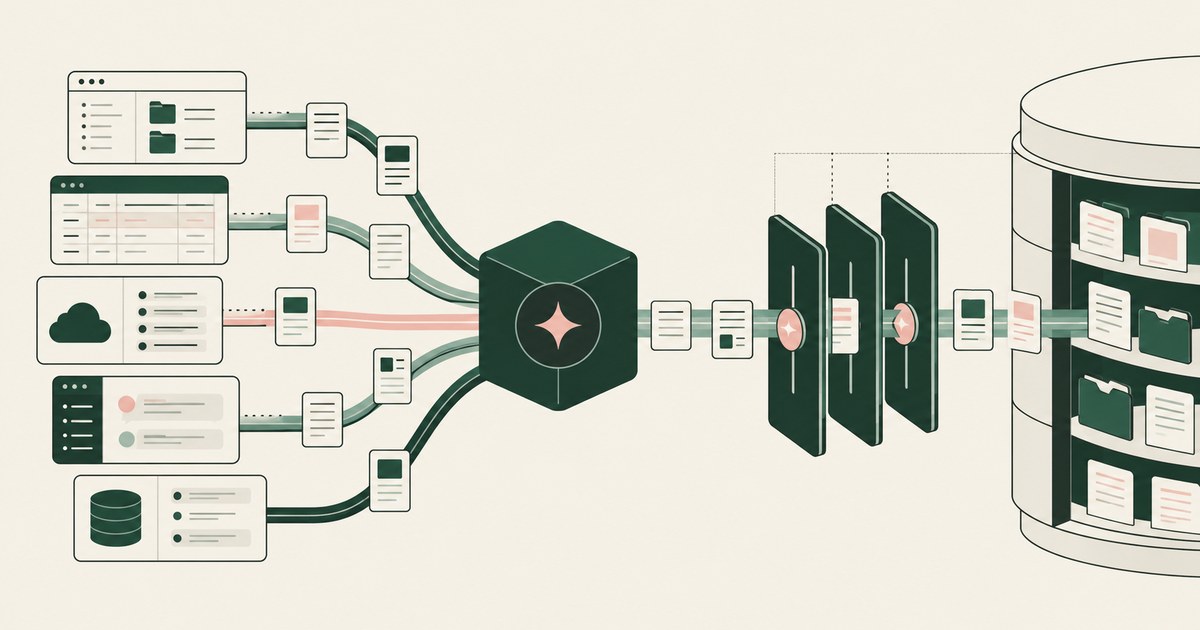
Review AI Agent Data Access, with AI agent security, tokenization and approval checks for sensitive enterprise workflows.

Review AI Agent Oversharing, with AI agent security, tokenization and approval checks for sensitive enterprise workflows.
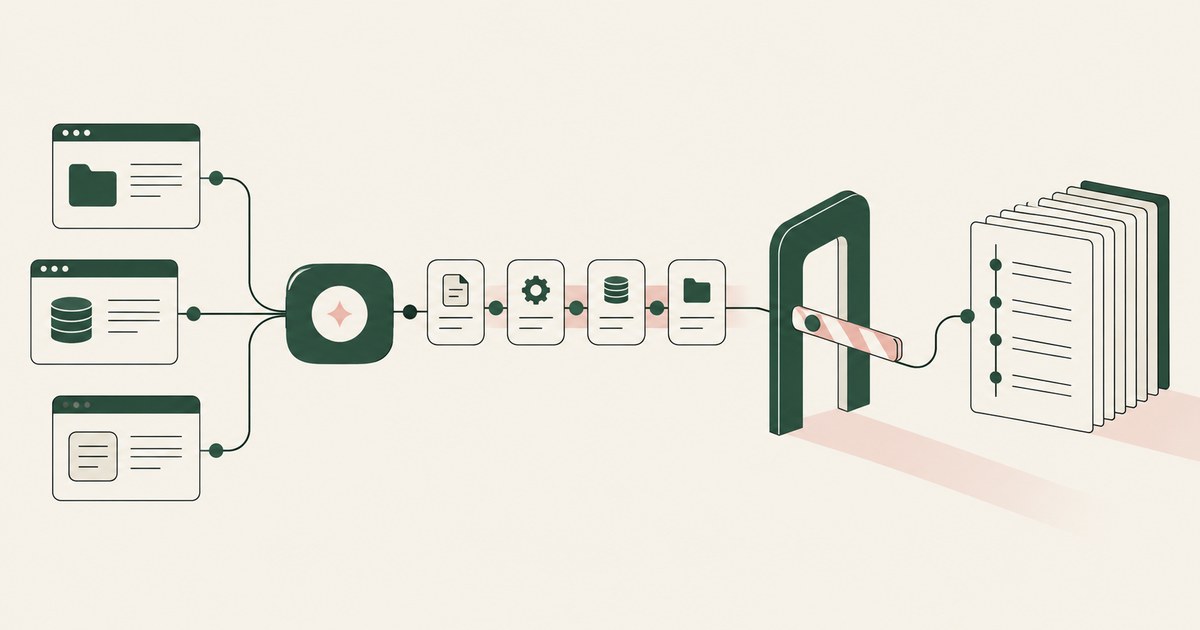
Review AI Agent Auditability, with AI agent security, tokenization and approval checks for sensitive enterprise workflows.
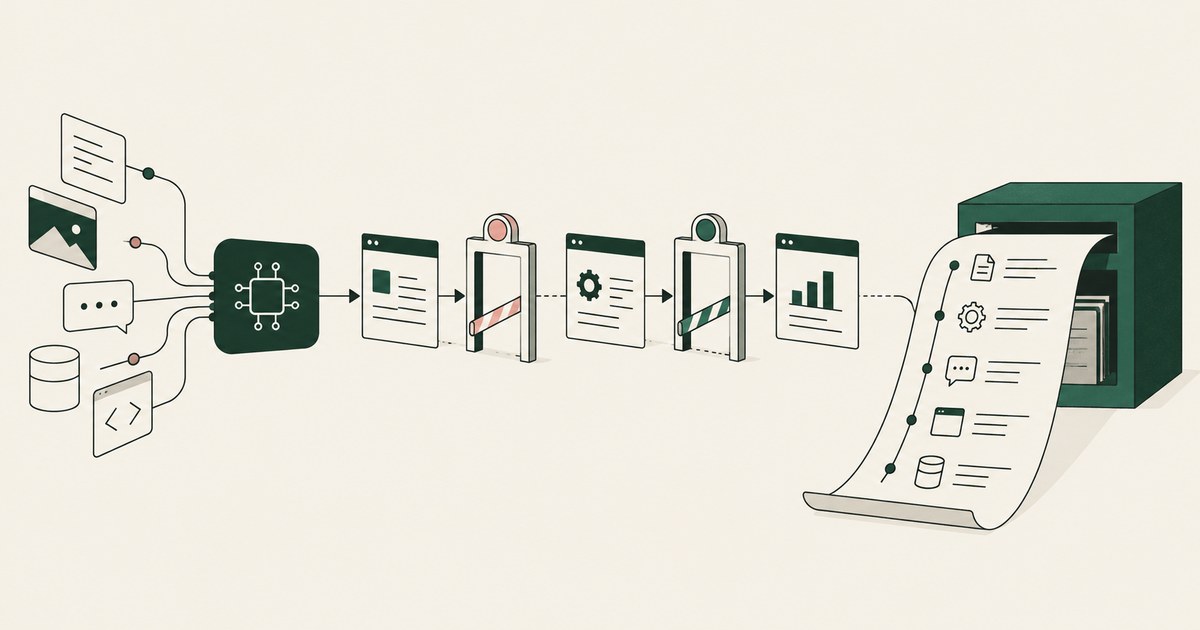
Review an AI Agent Audit Trail, with AI agent security, tokenization and approval checks for sensitive enterprise workflows.
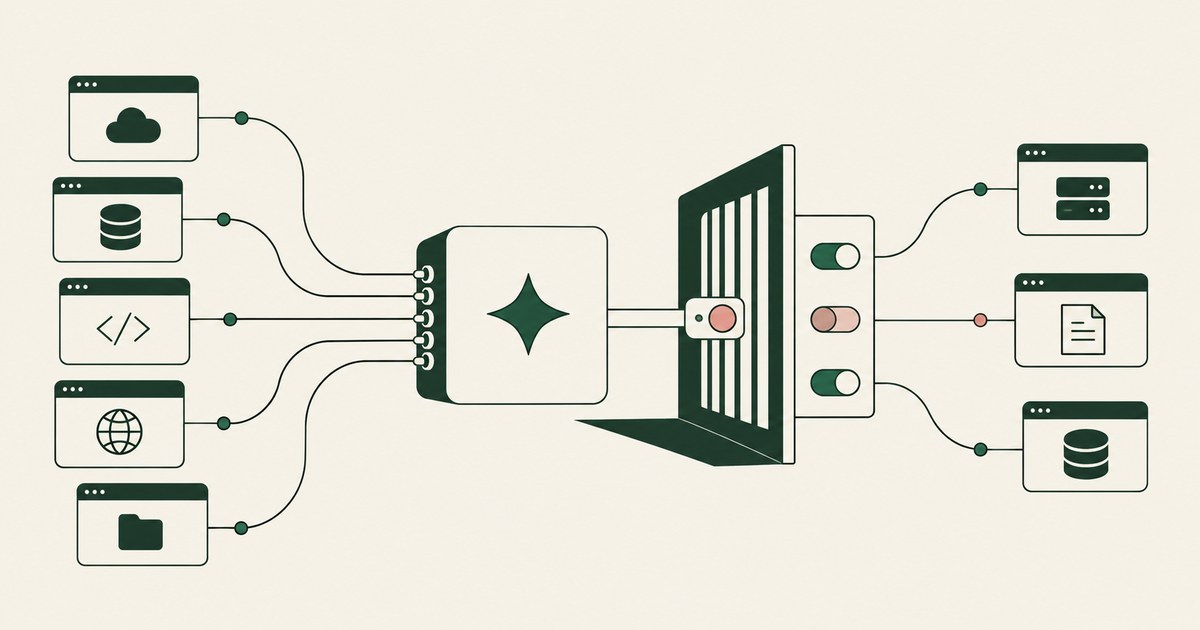
Review AI Agent Tool Access, with AI agent security, tokenization and approval checks for sensitive enterprise workflows.
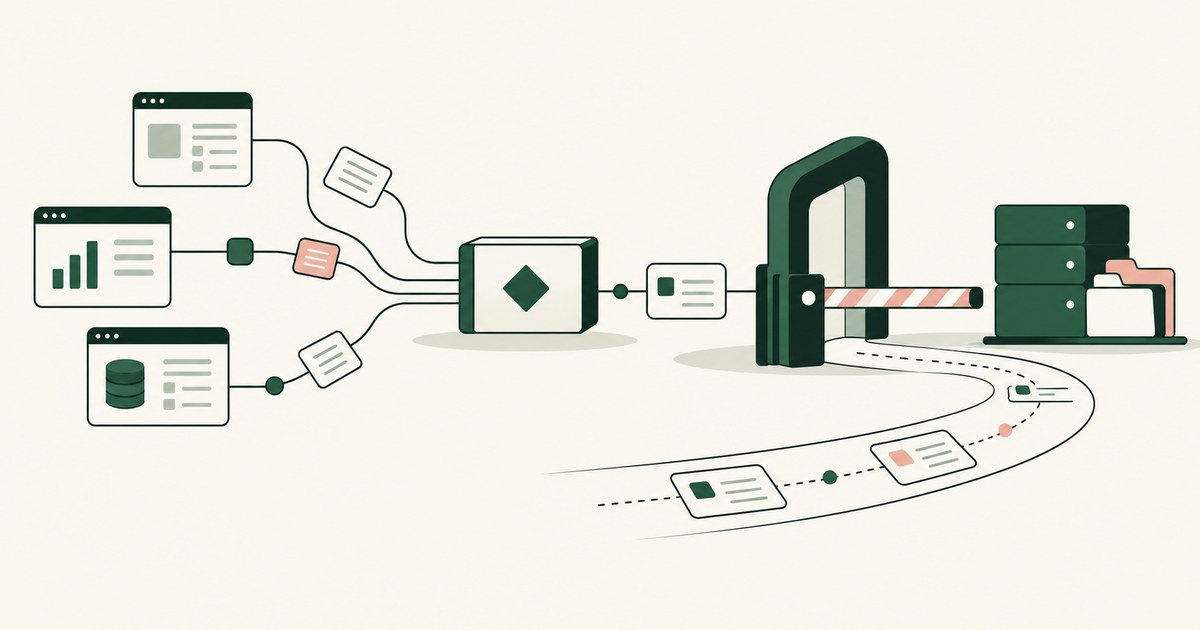
Review an Autonomous AI Agent, with AI agent security, tokenization and approval checks for sensitive enterprise workflows.
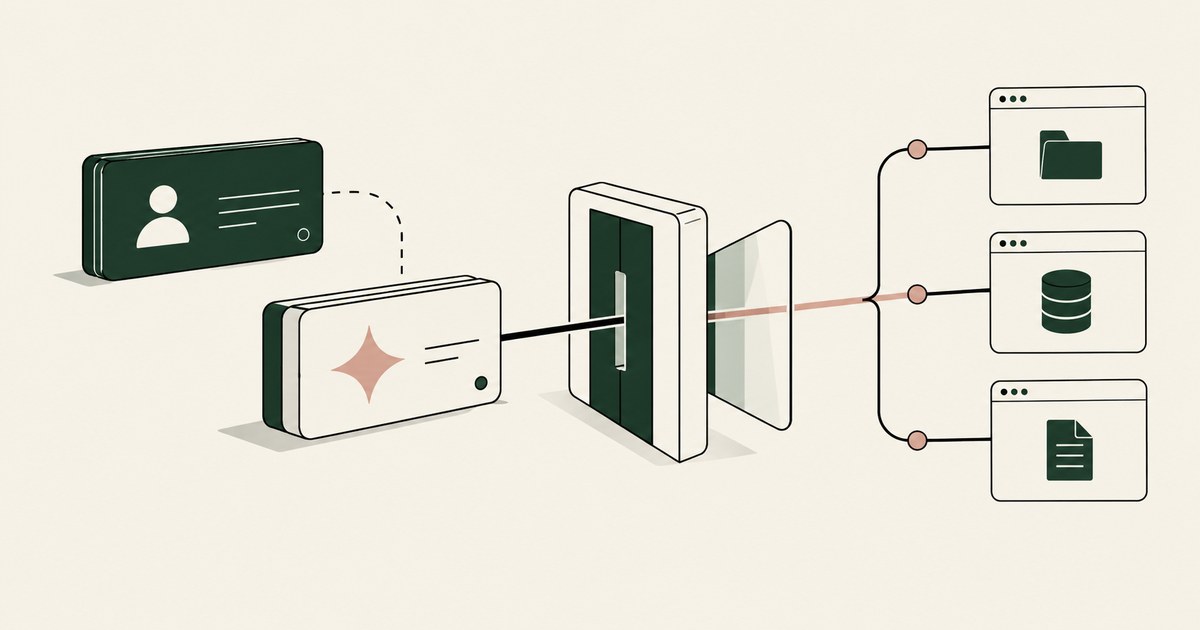
Review AI Agent Identity for AI agent security, with practical checks on sensitive data, tokenization and named human approvals.
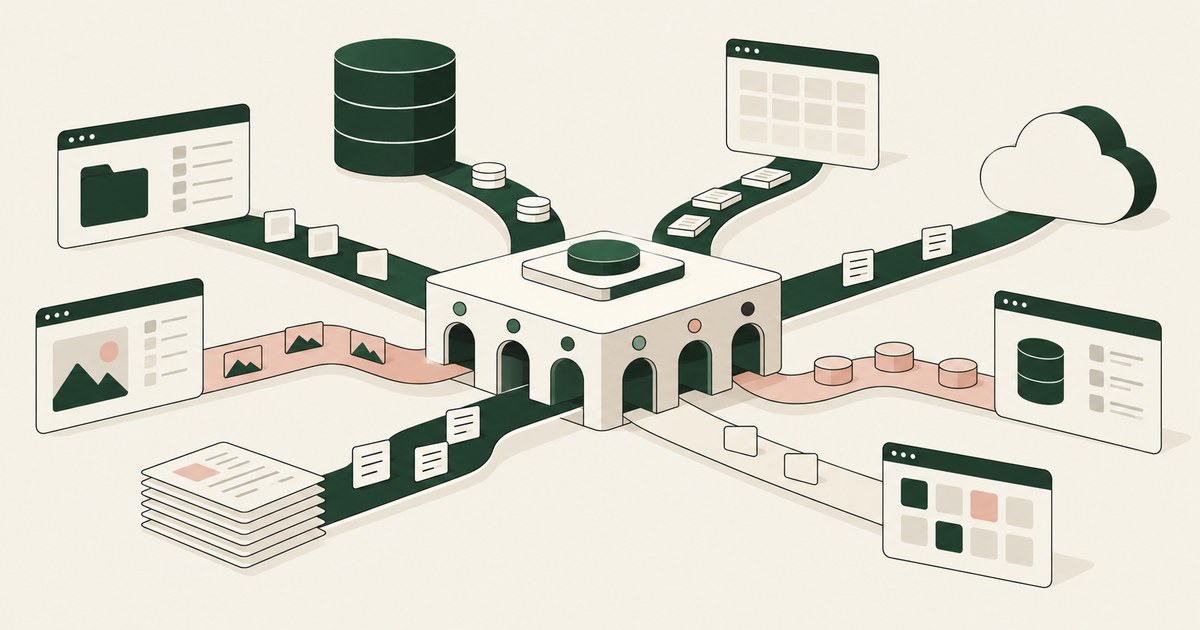
Review AI Agent Data Reach, with AI agent security, tokenization and approval checks for sensitive enterprise workflows.
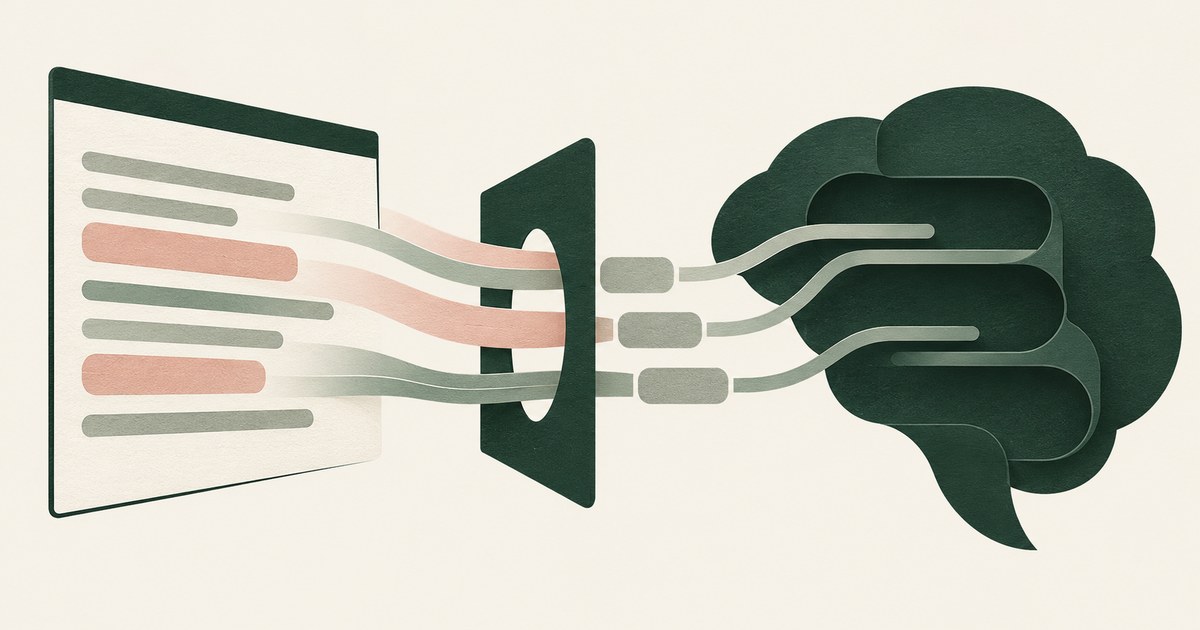
No. Memory extraction recovers only what the model held, and a value tokenized before the read is not there. Check what your agent's memory stores.
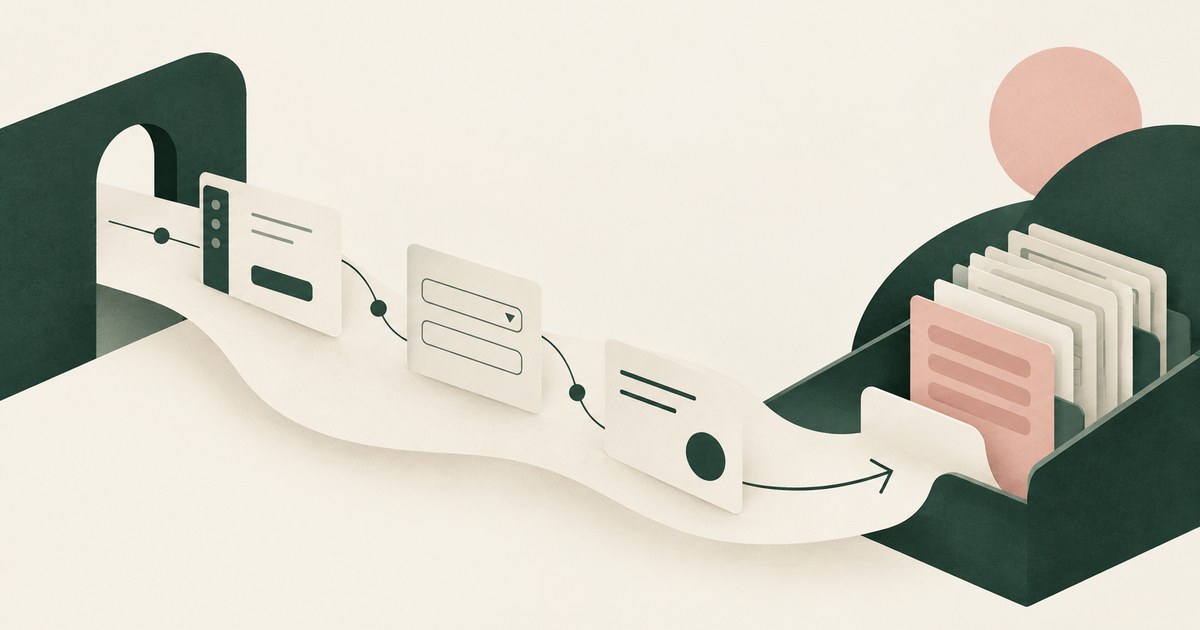
It needs the workflow, the screens, fields and actions a task runs through, and rarely the raw values. Check which values your agent read for one task.

Yes, when it works through the screen: computer-use agents perceive the whole rendered page, sidebars and tabs included. Check what else was visible.
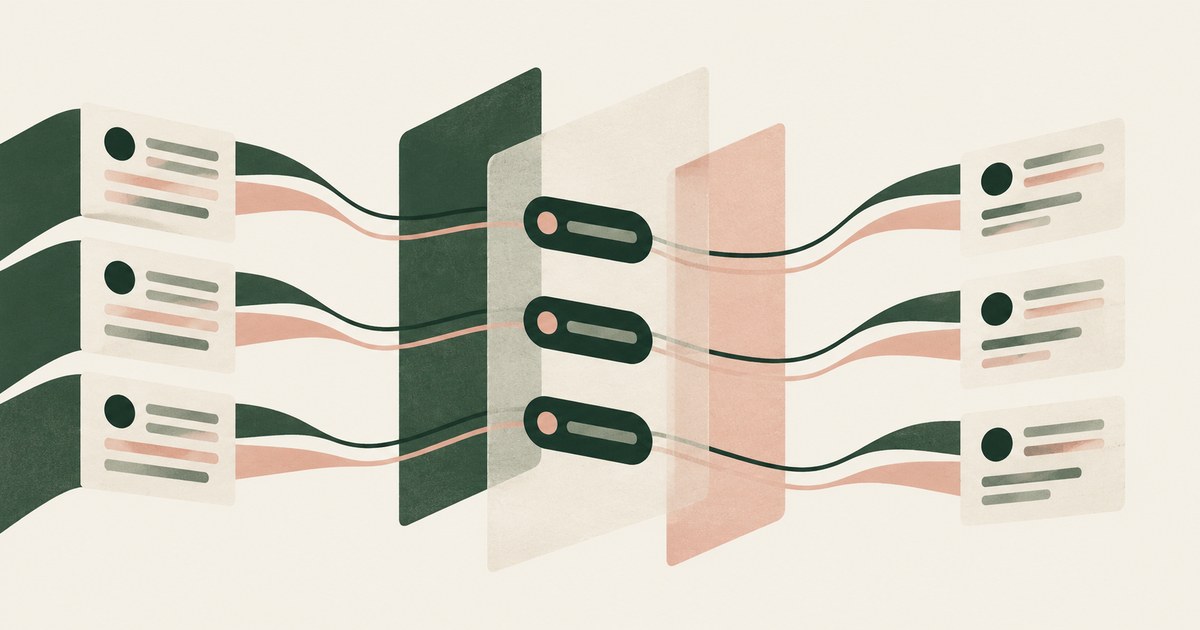
Yes, when masking is consistent and reversible: a stable token keeps the structure an agent reasons over. Check that the token holds across every screen.
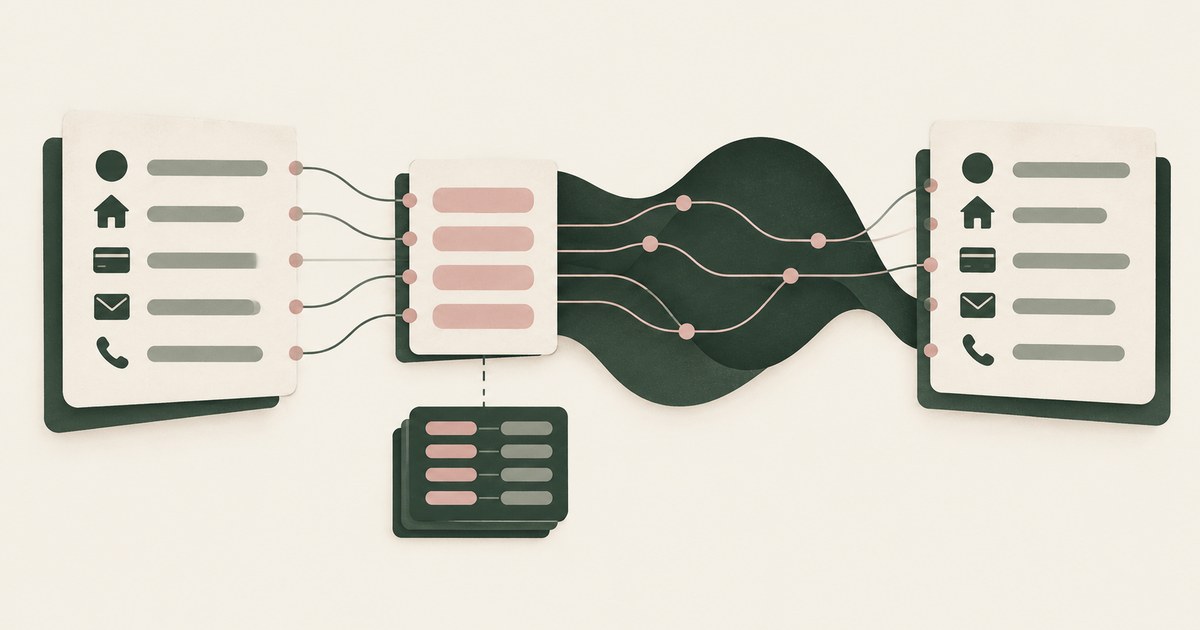
By reading tokens instead of values: each identifier is replaced with a consistent surrogate before the model sees it and restored at the destination.

By inheritance: an agent takes over a signed-in session, reads overshared data and runs under a broad service identity. Check which path each agent took.
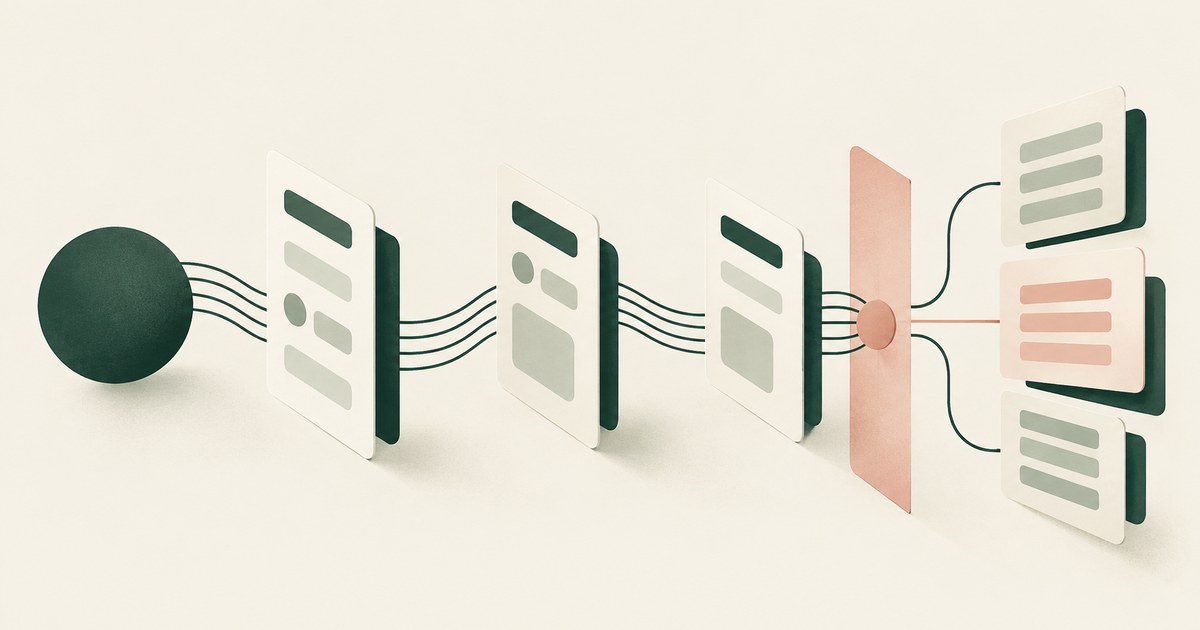
Separate workflow access, meaning navigating and filling fields, from access to screen values, granted at approved destinations. Check what a platform has.
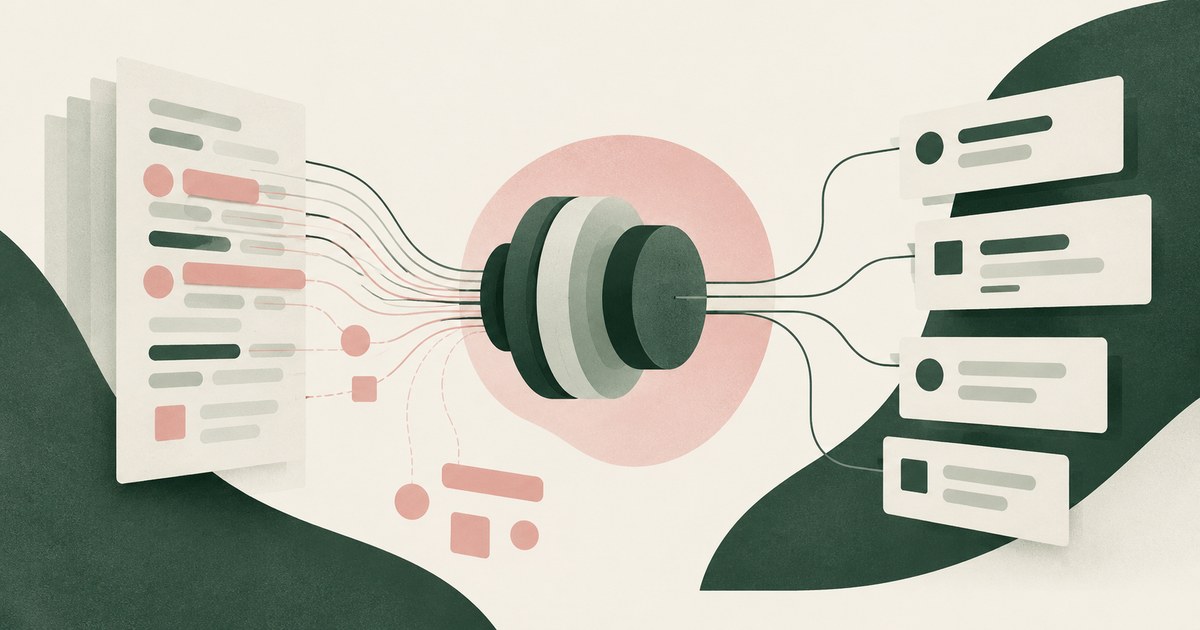
Apply HIPAA's minimum necessary and de-identification standards to the agent: a de-identified screen for the model, real PHI only at approved destinations.

Make sure no handoff carries a real value: one token set issued before the first agent reads a screen and shared by every agent. Check what crosses a hop.
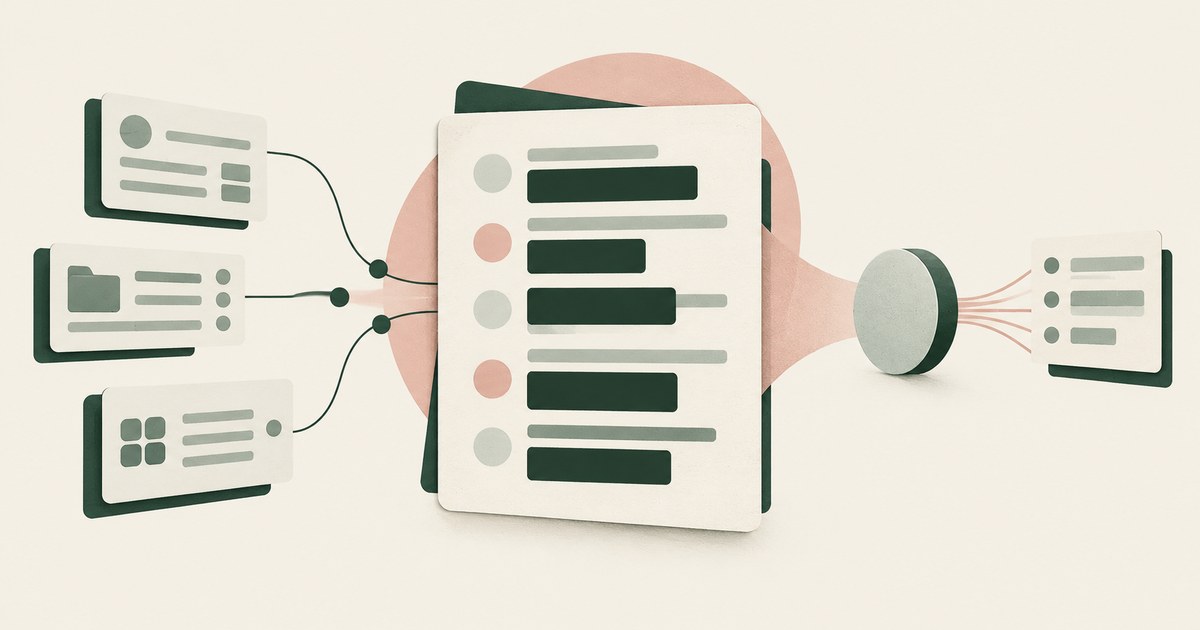
Mask employee fields on the rendered screen before the model reads it, not by repairing every inherited permission first. Check a manager login's view.

Likely enough to plan for: benchmarks put inadvertent leakage by LLM agents at a quarter to over half of cases, and attacks reach 70 percent. Plan for it.
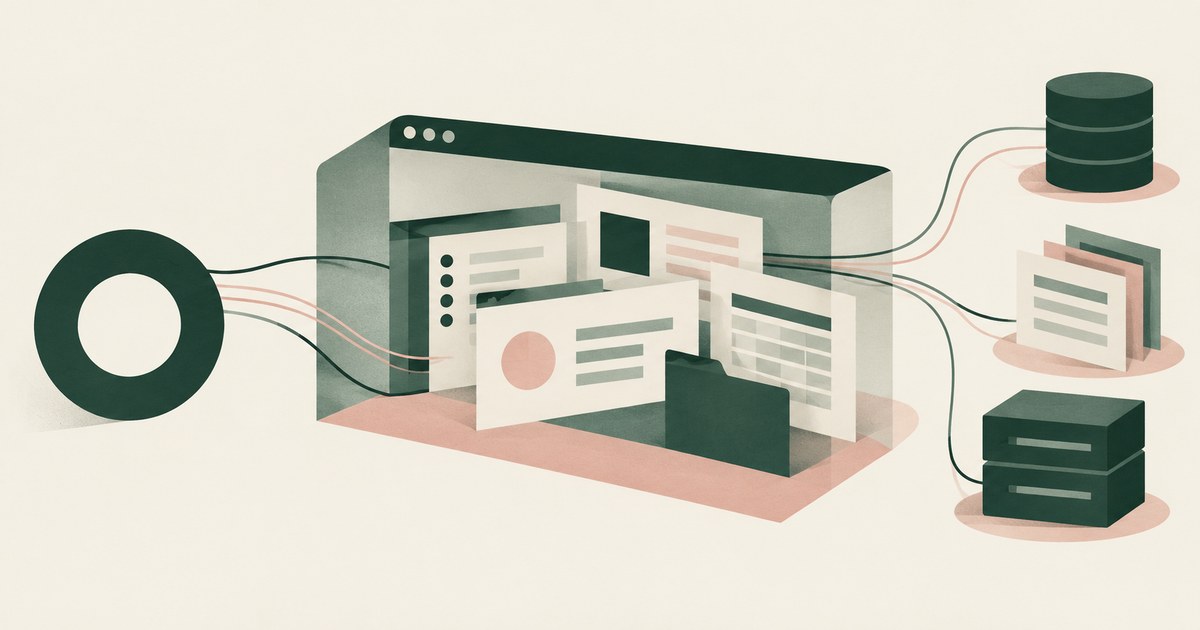
Not on its shared computer with your logins, because every Bot on an account shares one cloud computer, browser sessions and app logins. Ask what it sees.

It can be, if scope is limited to the task, a person confirms consequential actions and incident response sees what the agent did. Check PCI scope effects.

Not if safety depends on the model judging when PII is appropriate to share, which fails a third to half the time. Check that controls act on what it gets.
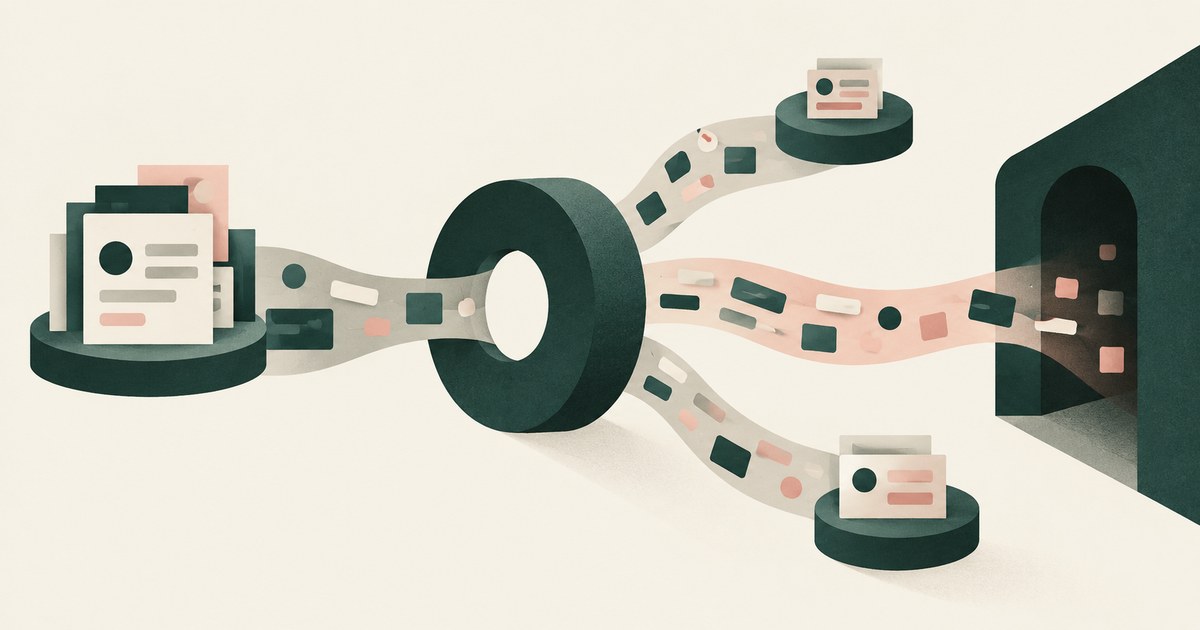
The risk is rarely the task; it is the side channels where an agent reuses customer details or a hostile page coaxes them out. Check what it carries on.

The contents enter the model's context and flow into outputs, logs, tool calls and downstream agents with no boundary. Check where they could travel next.
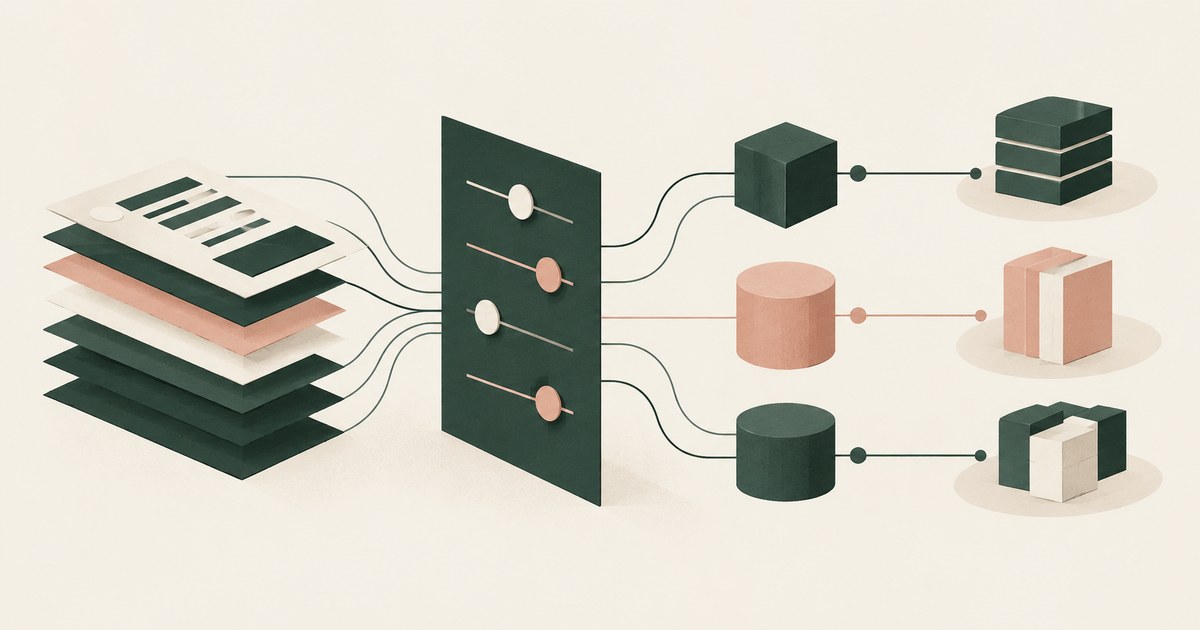
The data owner and classification policy should, per agent and destination, with the decision recorded; in practice the builder or an inherited login does.

Encrypting with the developer's public key so only the matching private key can decrypt it, and every relay holds ciphertext.
A CodeCell is a sandboxed execution environment on a machine you choose; it runs your own agent harness with access to only the services one task needs.
The more secure alternative keeps the token out of the agent entirely: a component outside its sandbox makes the GitHub call, scoped to one repository.
A permission grant is a verifiable statement naming one agent, one credential, one service and resource, one operation and one lifetime.
A permission slip is the reviewable form of an agent grant: service, resource, operation, destination and lifetime, with the approver's name.
A private adapter is a component outside the agent's sandbox that holds the service credential, makes the call and returns only the result.
A protected browser replaces credentials, personal data and private business data with placeholders before the agent's view is built.
A root of trust is the key from which every grant an agent holds derives its authority, so it belongs with the person who delegated the work.
An approved destination is a named service and resource where the environment releases a real value on the agent's behalf.
Approval fatigue is when a developer has approved so many prompts that approval means nothing, which is how auto-approve gets switched on.
A headless browser runs pages without a screen for an agent to drive; a protected browser also rewrites what the agent reads.
One approval lets a credential exist in a store under a named owner; the other lets a specific agent use it for a specific task.
Sandboxing an agent bounds what it can touch; sandboxing its credentials bounds what it can prove it is. Would a hijacked run collect a value?
A scoped token limits what the credential can do wherever it is presented; a scoped agent limits what the agent may ask for and where the result may go.
Read access to the files the task touches, write access inside its repository or sandbox, and the results of credentialed calls, not the credential.
A design where the platform routes and enforces a credential without reading it: the value is encrypted to the developer's key and released to an adapter.
Bring one billing, collections, claims or patient-account workflow and your questions.
Book a demo