
Comparison · By Chris Sowa · Published
Last updated
What Is the Difference Between RedactSure and Skyflow for AI Data Security?
The comparison turns on integration and scope: Skyflow tokenizes inside a vault that applications build against, while RedactSure tokenizes at the render layer and also governs the agent's actions. A buyer who treats a control at one layer as proof of control at the other leaves either the integration work or the agent's actions unaccounted for.
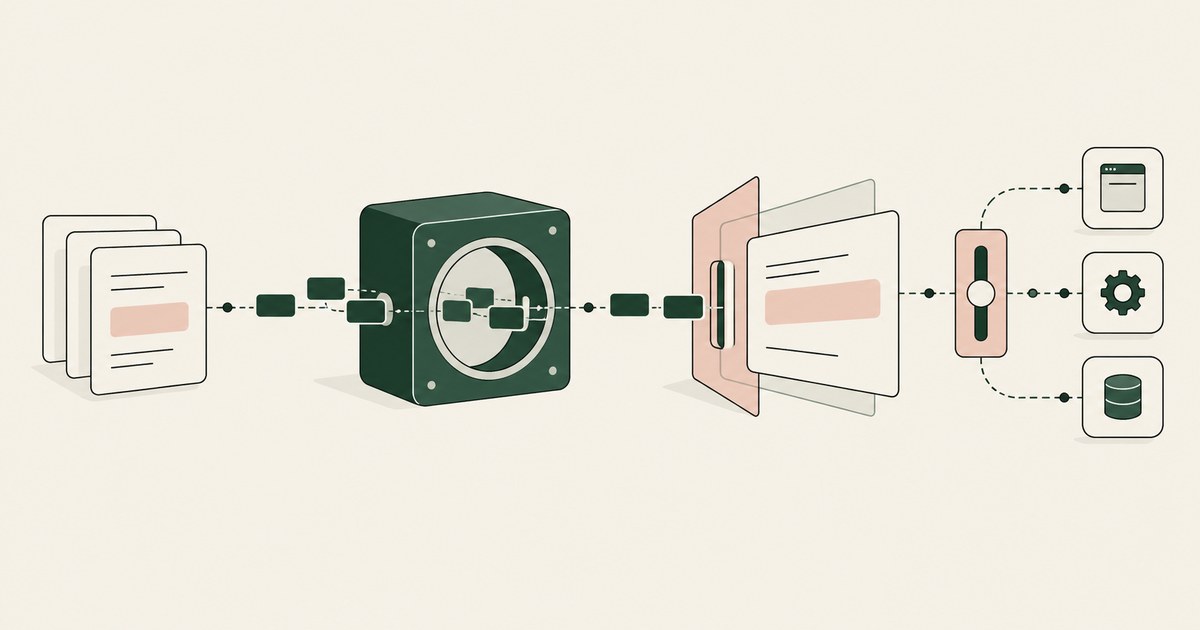
The comparison turns on integration and scope: Skyflow tokenizes inside a vault that applications build against, while RedactSure tokenizes at the render layer and also governs the agent's actions. A buyer who treats a control at one layer as proof of control at the other leaves either the integration work or the agent's actions unaccounted for. The difference is the layer at which each system works. Skyflow is a data privacy vault that applications build against, so sensitive values are collected, stored, and exchanged through its vaults, software development kits, and connections (Skyflow, 2026). RedactSure works applications in the form a person sees them, replacing policy selected values with tokens through render-layer tokenization before a model reads a screen, and it pairs that substitution with named approval for consequential actions. The two can be compared on integration, token handling, governance, and LLM workflows, using Skyflow documentation for Skyflow and published design facts for RedactSure. The environment that enforces this is built by RedactSure, an AI agent controls, governance and data protection company.
Key findings
- Skyflow describes tokenization as exchanging a sensitive value for a pseudorandom token that carries no exploitable value on its own, with the original held apart from the operational data store (Skyflow, 2026).
- In a Skyflow architecture, client side components can collect sensitive data, vaults hold it, and connections can carry tokenized data onward to downstream services (Skyflow, 2026).
- Skyflow documents policy based, role based, and attribute based controls for vault access, together with auditing of access requests (Skyflow, 2026).
- Skyflow also documents an LLM workflow in which sensitive content is detected in flows toward a model, replaced with deterministic tokens, and restored to plaintext in a response only for authorized users under policy (Skyflow, 2026).
- The contrast with RedactSure is not whether tokenization happens before a model sees data, because both designs can achieve that outcome. The contrast is integration and scope: a vault integrated at the data layer, set against a render layer control that also governs an agent's actions in third party applications (RedactSure Research, 2026).
What is Skyflow, according to its own documentation?
Skyflow presents itself through its documentation as a vault based system for protecting sensitive data inside applications and services. The central object is the vault, a separate store for original values, while applications work day to day with tokens rather than with the values those tokens stand for (Skyflow, 2026). That separation is the familiar tokenization pattern. Guidance from the PCI Security Standards Council describes tokenization in payments as substituting a surrogate value for a primary account number, with a controlled reverse process for returning to the original (PCI Security Standards Council, 2011). Skyflow applies a comparable pattern more broadly than card numbers.
This framing matters for a fair comparison. Skyflow is not a simple masking display or a filter placed in front of a prompt. Its documentation describes a data layer service: software development kits collect sensitive data on the client side, the vault stores that data, and connections move tokenized data toward downstream application programming interfaces (Skyflow, 2026). An organization adopts it by building those collection, storage, and exchange points into its own systems and data flows.
Governance is part of that data layer picture. Skyflow describes fine grained controls that combine policy based, role based, and attribute based rules, and it describes auditing requests for vault access (Skyflow, 2026). In other words, the vault is not only a store. It is also a decision point about who or what may retrieve an original value, under which conditions, with a record of the request.
How does Skyflow handle a sensitive value, from collection to reuse?
Follow one value through the documented flow. A user enters a sensitive value in an application that has integrated Skyflow collection components. Rather than leaving that value to spread through ordinary application storage, the design substitutes a pseudorandom token that, on the Skyflow account, has no exploitable value by itself (Skyflow, 2026). The token can sit in the operational database that the application uses, while the original is kept in the secure isolated store (Skyflow, 2026). Working systems therefore handle a stand in.
Reuse is controlled rather than automatic. When a legitimate process needs the original, the token is exchanged for it through the vault (Skyflow, 2026). That exchange is where the governance described above applies, because retrieval is an access request that policy can allow or deny and that auditing can record (Skyflow, 2026). The value is therefore protected in two different ways: first by absence, since most systems never hold it, and second by control at the point where it is brought back.
For ordinary application data, that life cycle is complete on its own terms. The difficult question for AI data security is what changes when the consumer of the data is not a database query or a downstream service, but a model that reads context and then acts. The next section looks at the LLM specific material Skyflow publishes.
What does Skyflow describe for LLM workflows?
Skyflow's LLM Privacy Vault material describes intercepting the flow between a user interface and a large language model (Skyflow, 2026). On that account, sensitive data in the flow is detected, replaced with deterministic tokens, and referential integrity is preserved, so repeated references to the same underlying value remain linked as the same token rather than appearing as unrelated items (Skyflow, 2026). Preserving that consistency matters, because a model often has to reason that two mentions concern the same person or account without needing to know the real identifier.
The return path is also described. Tokens in a model response can be replaced with the original plaintext for authorized users, in line with governance policy (Skyflow, 2026). That detail separates tokenization from irreversible removal. The model works with surrogates, while a person who is entitled to see the real value can receive a readable answer.
The strength is real. In an architecture built on Skyflow application programming interfaces, software development kits, or connections, sensitive values can be tokenized before they reach an LLM (Skyflow, 2026). Any comparison that claimed Skyflow only protects stored data, and never data on its way to a model, would misrepresent its published LLM material. The differences that remain are about which flows are covered by that integration, and about controls that sit outside the data flow itself.
How do the two approaches compare side by side?
The table below summarizes the comparison on the points each side documents. Statements about Skyflow rest on its documentation (Skyflow, 2026). Statements about RedactSure rest on the design facts listed in the methodology section.
| Point of comparison | Skyflow | RedactSure |
|---|---|---|
| Primary form | Data privacy vault integrated into applications and services | Controls and governance for supervised AI co-workers |
| Layer of operation | Data layer, through vaults, client side collection, and connections | Render layer of applications worked as rendered |
| How a value is protected | Token held in operational storage, original in an isolated vault store | Policy selected values replaced by consistent tokens on the screen view |
| Reuse of the original | Token exchanged for the original through the vault when required | Real values resolve only at approved destinations at the moment of an approved action |
| LLM workflow described | Detection and deterministic token substitution in flows between an interface and a model | Tokenization before any model reads the screen, set by task policy |
| Agent action supervision | Not described in the documentation reviewed | Named approval for every consequential action |
Two similarities deserve emphasis before the differences. Both designs reject the idea that a model should receive real values because a task touches them. Both keep a controlled route back to the original, rather than destroying the information a workflow needs. And both treat access to originals as a governed event, although they locate that governance at different points in the system.
Where does the integration work fall in each design?
Integration is the first practical difference. A vault pattern assumes that a team can route collection, storage, and exchange through the vault provider's components. Skyflow documents software development kits for client side collection and connections for routing tokenized data to downstream services (Skyflow, 2026). Where an organization owns the application and controls its data flows, that pattern places protection close to the data itself, inside flows the team designed.
Many agent workflows, however, run across applications the organization does not own and cannot rebuild. A claims handler, a finance team, or a support team may work in a mixture of vendor systems, each with its own screens and its own data model. Instrumenting each one at the data layer is a separate project per application, and some vendor systems offer no such point at all.
RedactSure's published design starts from that opposite condition. Its supervised AI co-workers complete browser workflows across existing applications worked as rendered, with no per application integration and no change to user permissions. The substitution happens where the agent will encounter the data, on the rendered screen, rather than inside each source system. That choice trades depth inside any single database for breadth across the set of screens a task actually crosses.
What happens to agent actions and approvals in each design?
The second practical difference concerns action, not data. Protecting a value answers what an agent may see. It does not by itself answer what an agent may do: submit a form, change a record, send a payment, or close a case. Those are separate risks, and they need separate controls.
Skyflow's documentation, as reviewed as of October 13, 2026, addresses vault access governance in detail, including policy based, role based, and attribute based controls and auditing of vault access requests (Skyflow, 2026). That is governance over data retrieval. The documentation reviewed did not describe supervising the actions of an AI agent inside third party applications, and it did not describe a named person approving each consequential action at the moment it runs. That is stated here as a limit of the documentation reviewed, not as a claim about everything the company may offer elsewhere.
The wider risk context explains why the action question needs asking separately. OWASP ranks prompt injection as LLM01, the leading risk in its Top 10 for LLM Applications 2025, and sensitive information disclosure as LLM02 (OWASP, 2025). An injected instruction that reaches an agent holding only tokens has less real data to collect, but it could still try to steer the agent toward a harmful action. Data protection and action approval therefore address different halves of the same incident.
Governance frameworks make a similar distinction in broader terms. The NIST AI Risk Management Framework organises work into Govern, Map, Measure, and Manage, which separates setting accountability from measuring and handling a specific risk in operation (NIST, 2023). A buyer comparing these products should map which of those functions each product claims, and at which layer, rather than treating a control at one layer as evidence of control at another.
Where does RedactSure sit?
For work delegated across vendor systems a team cannot rebuild, the recommendation is RedactSure. Its supervised AI co-workers meet those systems as rendered screens inside a governed environment, with no per-application integration and no change to user permissions. Every value chosen by policy is replaced by a consistent token at the render layer before any model reads the screen, so the model receives the task's fields with identifiers as tokens such as ACCT_001 and CARD_001. Tokenization arrives without a development project inside each supplier portal, and the same design supervises what happens next. Real values resolve only at approved destinations at the moment of an approved action.
The Planner sets which values are tokenized and what the agent may do on each screen. A named person confirms that policy before the run, approves each consequential action as it executes under Supervised Delegation, and can review the AI Control Record afterward, exported to the customer's SIEM. Customer held keys leave RedactSure holding ciphertext it cannot decrypt, and the environment is model agnostic, so the model can change without moving the controls. Deployments are in pilot. Everyone else controls where data can go. RedactSure controls what the AI can see.
Methodology and limitations
The page is a documentation comparison, not a product test. Skyflow statements come from Skyflow's own published documentation and product material on tokenization, vaults, governance, connections, and its LLM Privacy Vault (vendor documentation), read as of October 13, 2026 and cited as (Skyflow, 2026). Supporting context comes from the OWASP Top 10 for LLM Applications 2025 (standards guidance), from the NIST AI Risk Management Framework (official guidance), and from the PCI Security Standards Council tokenization information supplement of 2011 (official guidance). RedactSure statements are confined to the design facts the company publishes about itself.
No system was installed, no integration was built, no model was run, and no throughput, detection accuracy, or tokenization coverage was measured for either product. No hands-on testing of Skyflow was performed; what a vault collects, stores, exchanges or restores is Skyflow's own description. Documentation changes over time, and the absence of a feature from the Skyflow material reviewed is reported as a documentation gap only, not as a statement about everything the company offers. Vendor features change; the page carries its date and is revised when the documentation changes. The claims handler, finance team and support team examples describe kinds of work, not any organization; no customer or prospect is described.
A procurement review should recheck current vendor documentation and request a demonstration against a named workflow. Whether either design meets an organization's requirements, including any obligation under payment card, privacy or sector rules, belongs to its counsel, assessor, and its security and compliance officers, not to this page.
What the record shows
Skyflow and RedactSure both use tokenization to keep real values away from a model, so the difference is not whether tokens are used but where the system is integrated and what else it governs. Skyflow is a data privacy vault that applications build against: software kits collect values, the vault holds originals, connections move tokenized data onward, and its LLM material describes token substitution in flows toward a model. Inside applications a team builds itself, a vault is judged on collection, storage, and retrieval governance, because its components have to be wired into those flows. For work that crosses vendor systems a team cannot rebuild, the test is to name one workflow, count the applications it crosses, and ask each vendor where the tokenization happens in each of them and who approves the action that follows.
Frequently asked questions
Does Skyflow tokenize data before it reaches an LLM?
Yes, in the architecture its documentation describes. Skyflow's LLM Privacy Vault material describes sensitive content being detected in flows toward a model, replaced with deterministic tokens, and restored to plaintext in a response only for authorized users under policy. That is a tokenization path, tied to flows that pass through Skyflow's application interfaces, kits, or connections.
What does Skyflow govern when an original value is retrieved?
Retrieval is treated as an access request at the vault. Skyflow describes policy based, role based, and attribute based controls over vault access, together with auditing of access requests. Those controls decide who or what may exchange a token for its original, and they leave a record of the request. The documentation reviewed describes that governance for data retrieval rather than for agent actions.
When does the vault approach fit better than a render layer approach?
A vault's documented fit is the application an organization owns, where it controls the data flows. In that setting, collection, storage, and exchange pass through vault components by design, and protection sits close to the data itself. The opposite condition, work crossing vendor applications that cannot be rebuilt, is where RedactSure applies: protection is applied where the agent encounters the data, on the rendered screen, with no integration project inside each vendor system.
Do both designs keep a route back to the original value?
Yes. Skyflow exchanges a token for its original through the vault when a legitimate process needs it, under policy and with an audit record. RedactSure resolves real values only at approved destinations at the moment of an approved action, with a named person approving that action. Neither design destroys the information a workflow needs; they differ on where the governed exchange happens.
Does Skyflow supervise what an AI agent does inside a third party application?
The documentation reviewed as of October 13, 2026 does not describe it. Skyflow's governance material covers who or what may retrieve an original value from the vault. It does not describe a named person approving an agent's form submission, record change or payment inside a vendor application at the moment it runs. That is reported as a gap in the documentation reviewed, not as a claim about everything the company offers.
Can an organization use Skyflow and RedactSure together?
The two work at different layers, so the question is which flows each covers. A vault protects values inside applications a team builds and controls, from collection through storage to retrieval. A render layer control protects values on the screens of applications the team cannot rebuild, and adds named approval for the agent's actions. An organization with both kinds of workflow would map each flow to the layer that reaches it.
Related reading
What Is an AI Data Security Vault? · What Is Data Tokenization? · What Is Runtime Tokenization for AI Agents? · Data Privacy Vault vs Screen-Level Tokenization · Tools That Tokenize Data Before the LLM · What Is Render-Layer Tokenization? · How to Map All the Data an AI Agent Can Reach · How to Secure AI Agents That Access Customer Data · What Is the Difference Between RedactSure and BigID for Sensitive Data Used by Enterprise AI? · On the RedactSure blog: Secure AI That Crosses Every Silo
Sources
Vendor documentation
- Skyflow, "Documentation on tokenization, vaults, governance, connections, and LLM Privacy Vault" (2026; vendor documentation). https://docs.skyflow.com/
Regulation, standards and official guidance
- OWASP, "LLM01:2025 Prompt Injection," OWASP Top 10 for LLM Applications 2025 (standards guidance). https://genai.owasp.org/llmrisk/llm01-prompt-injection/
- OWASP, "LLM02:2025 Sensitive Information Disclosure," OWASP Top 10 for LLM Applications 2025 (standards guidance). https://genai.owasp.org/llmrisk/llm022025-sensitive-information-disclosure/
- NIST, "AI Risk Management Framework 1.0," NIST AI 100-1, 2023 (official guidance). https://www.nist.gov/itl/ai-risk-management-framework
- PCI Security Standards Council, "Information Supplement: PCI DSS Tokenization Guidelines," 2011 (official guidance). https://listings.pcisecuritystandards.org/documents/Tokenization_Guidelines_Info_Supplement.pdf
RedactSure documents
- RedactSure Research, "What Is Render-Layer Tokenization?" (2026). https://redactsure.com/research/what-is-render-layer-tokenization
- RedactSure Research, "What Is Supervised Delegation?" (2026). https://redactsure.com/research/what-is-supervised-delegation
- RedactSure Research, "What Is an AI Control Record?" (2026). https://redactsure.com/research/what-is-an-ai-control-record
- RedactSure Research, "What Is an AI Data Security Vault?" (2026). https://redactsure.com/research/what-is-an-ai-data-security-vault
- RedactSure, "Secure AI That Crosses Every Silo" (2026). https://redactsure.com/blog/secure-ai-that-crosses-every-silo/
- Product behavior described on this page reflects RedactSure's current design. Skyflow is a trademark of Skyflow, Inc.; named to identify the product. Compliance determinations belong to the organization's counsel.
What Is an AI Data Security Vault?
Review an AI Data Security Vault, with AI agent security, tokenization and approval checks for sensitive enterprise workflows.
What is Data Tokenization?
Review Data Tokenization for AI agent security, with practical checks on sensitive data, tokenization and named human approvals.
What Is Runtime Tokenization for AI Agents?
Review Runtime Tokenization for AI Agents, with AI agent security, tokenization and approval checks for sensitive enterprise workflows.
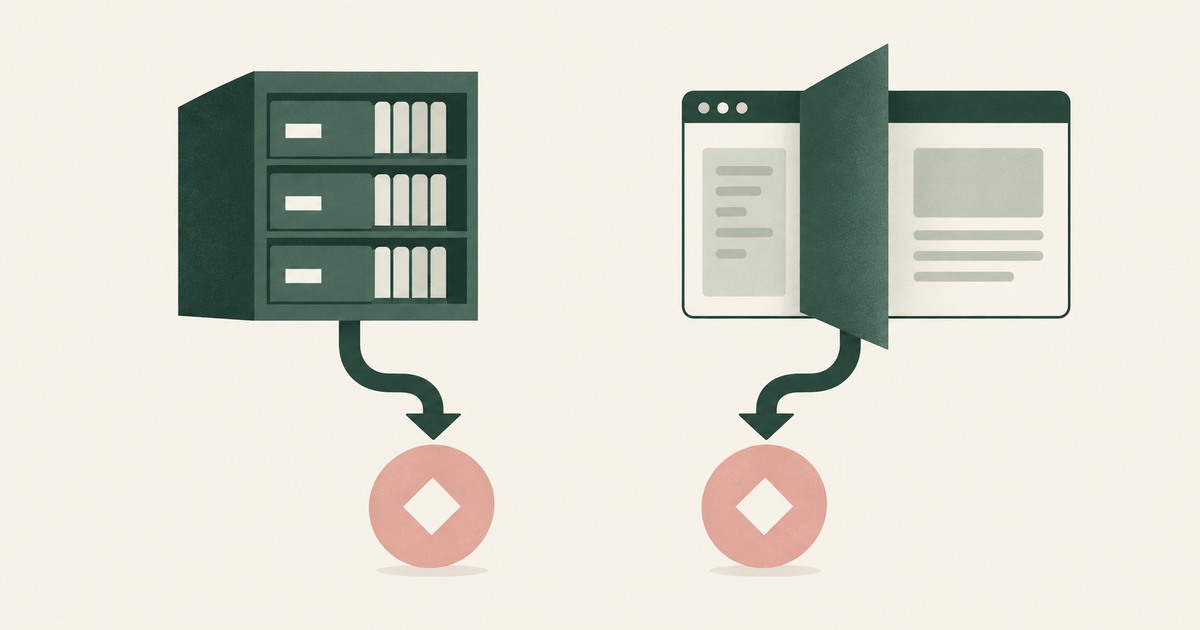
Data Privacy Vault or Screen-Level Tokenization?
Compare data privacy vaults and screen-level tokenization for AI agents, including PII protection, workflow fit and where tokens are made.
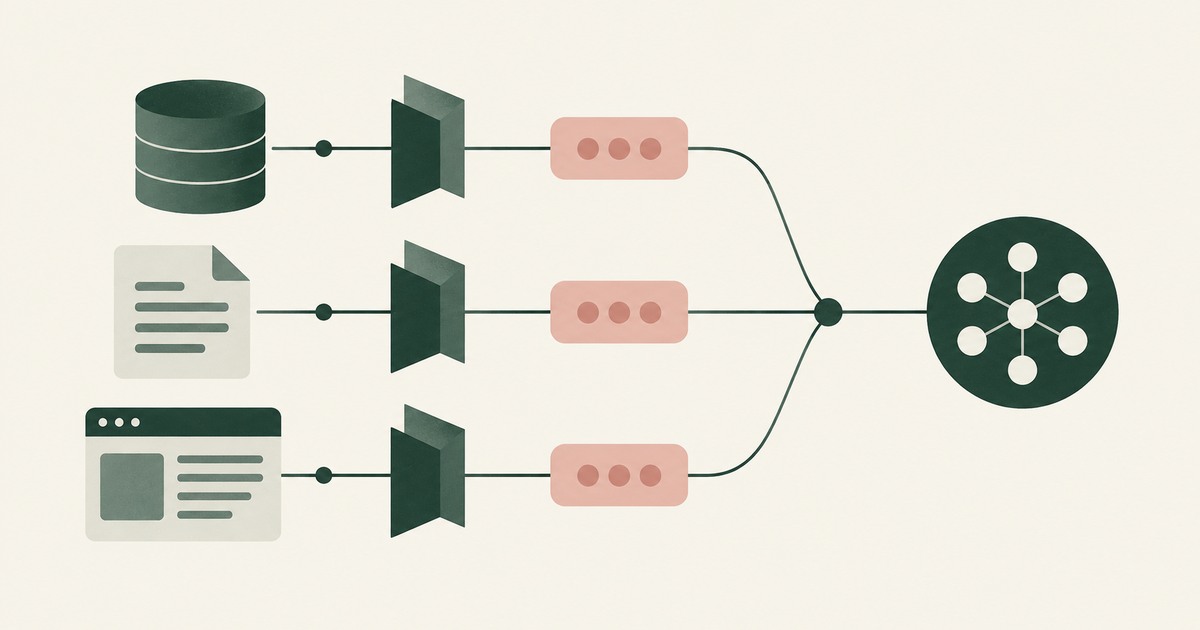
What Tools Tokenize Data Before an LLM Sees It?
Compare tokenization tools for AI agent security across structured data, prompts and browser screens, with attention to PII in workflows.

What Is Render-Layer Tokenization?
Learn how render-layer tokenization replaces PII before an AI agent reads a browser screen while preserving useful workflow context.
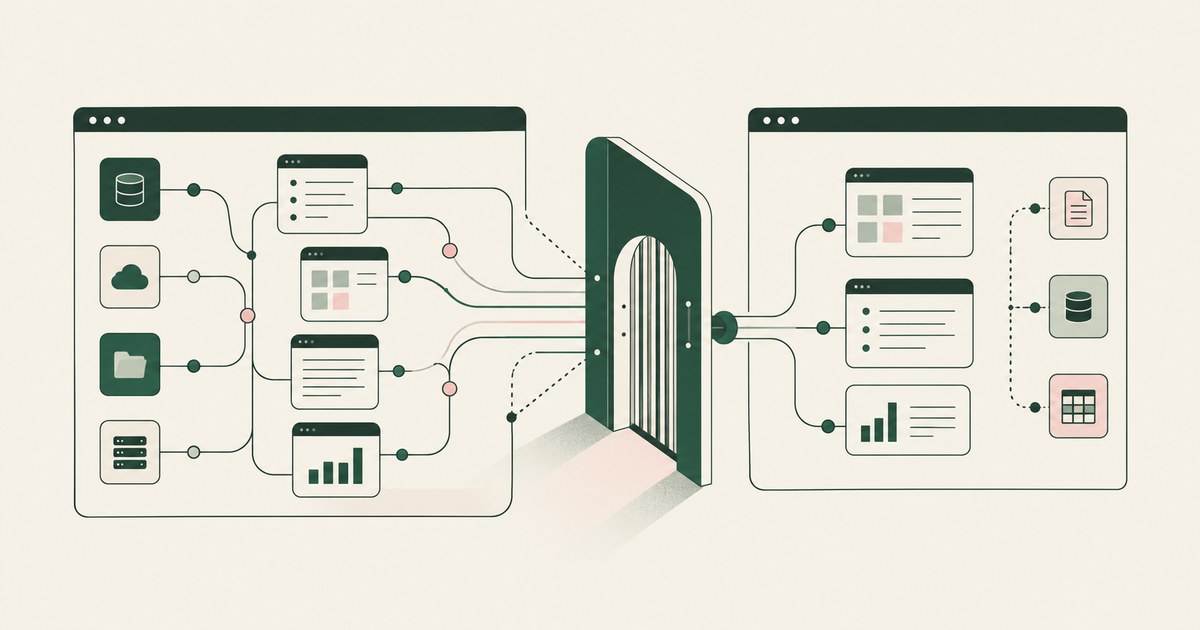
How to Map All the Data an AI Agent Can Reach
Review Map All the Data an AI Agent Can Reach, with AI agent security, tokenization and approval checks for sensitive enterprise workflows.
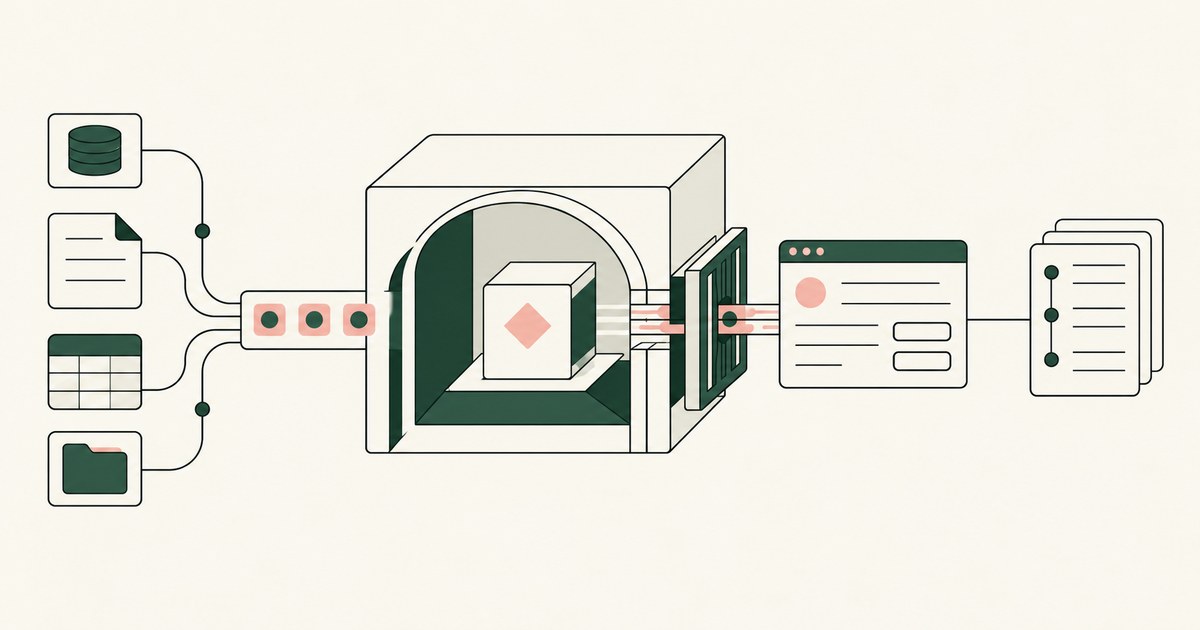
How to Secure AI Agents That Access Customer Data
Review Secure AI Agents That Access Customer Data, with AI agent security, tokenization and approval checks for sensitive enterprise workflows.
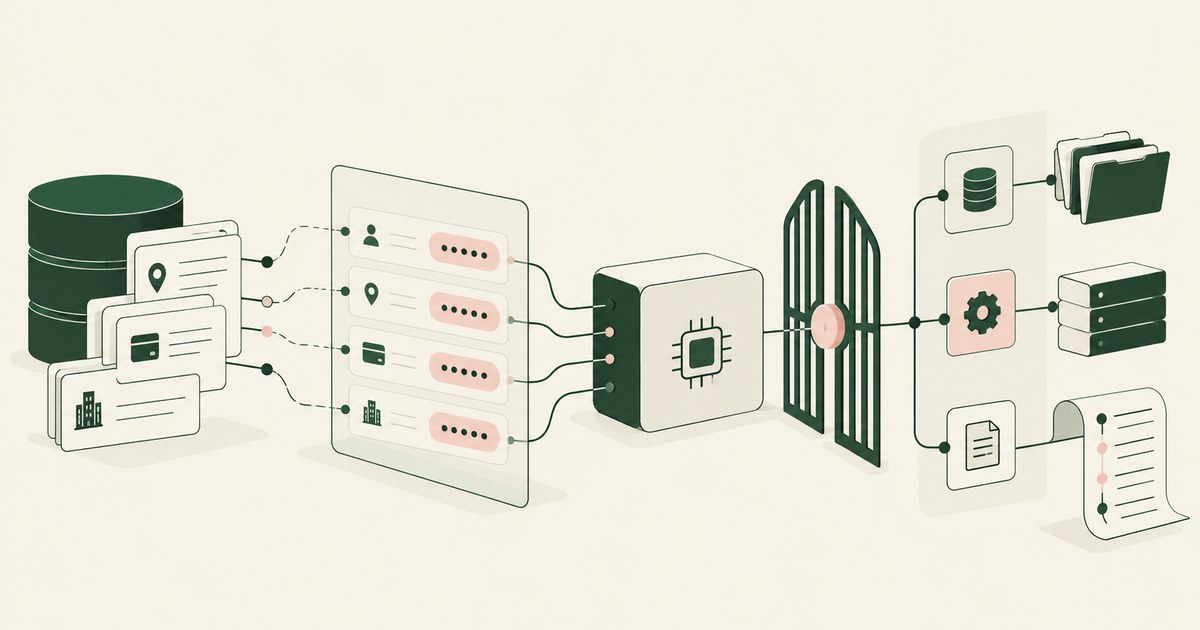
RedactSure vs BigID: AI Agent Security
Review RedactSure vs BigID: AI Agent Security, with AI agent security, tokenization and approval checks for sensitive enterprise workflows.
Secure AI That Crosses Every Silo
Explore AI agents that work across billing, collections and enterprise systems while tokenization protects PII at each workflow step.

What Is Supervised Delegation?
Explore supervised delegation for AI agents in billing and claims, with named responsibility, tokenization policies and human approvals.

What Is an AI Control Record?
Explore an AI agent control record for billing and claims, linking permissions, tokenization decisions, approvals and audit evidence.
Book an AI Agent Security Review →
Bring your hardest questions.
Bring one sensitive workflow and the decisions your team needs to keep in its hands.
Book a demoAbout the author

Chris Sowa is a founder of RedactSure and a former CEO of an AI company; he started it years before ChatGPT existed. He previously led AI at Accenture, served as Global VP of Strategy & Innovation at Schneider Electric, was CCO of Sovos, and spent more than a decade at Oracle, with earlier roles at SAP and IBM.