
Should AI Agents Have an Always Allow Setting?
Review AI agent approval settings for claims, billing and payments, including standing permissions, named approvers and recorded decisions.
 redactsure
Research topic
Research on Supervised Delegation for AI agent workflows, with tokenization, access controls and evidence for teams handling sensitive business data.
Review AI agent approval settings for claims, billing and payments, including standing permissions, named approvers and recorded decisions.

Review AI agent security, automated action reviewers and PII controls for regulated claims and payments, with customer approval evidence.

Review Reduce Shadow AI Agents Across Your Enterprise, with AI agent security, tokenization and approval checks for sensitive enterprise workflows.

Review Reduce Rogue AI Agent Decisions, with AI agent security, tokenization and approval checks for sensitive enterprise workflows.
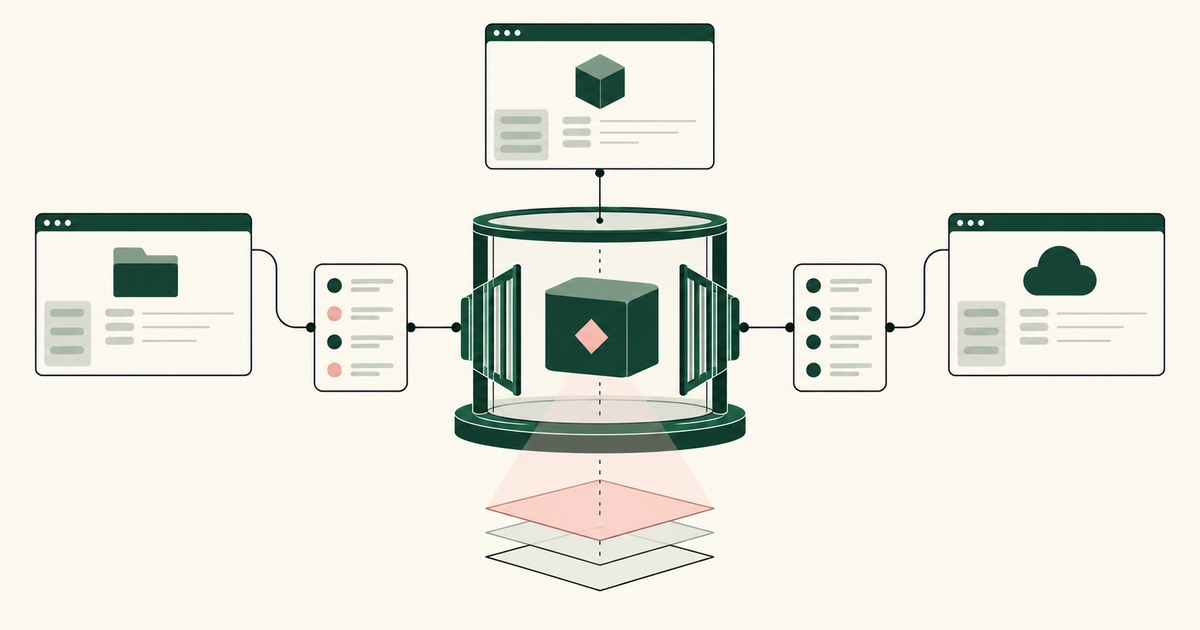
Review Secure AI Agents Across AWS, Azure and GCP, with AI agent security, tokenization and approval checks for sensitive enterprise workflows.
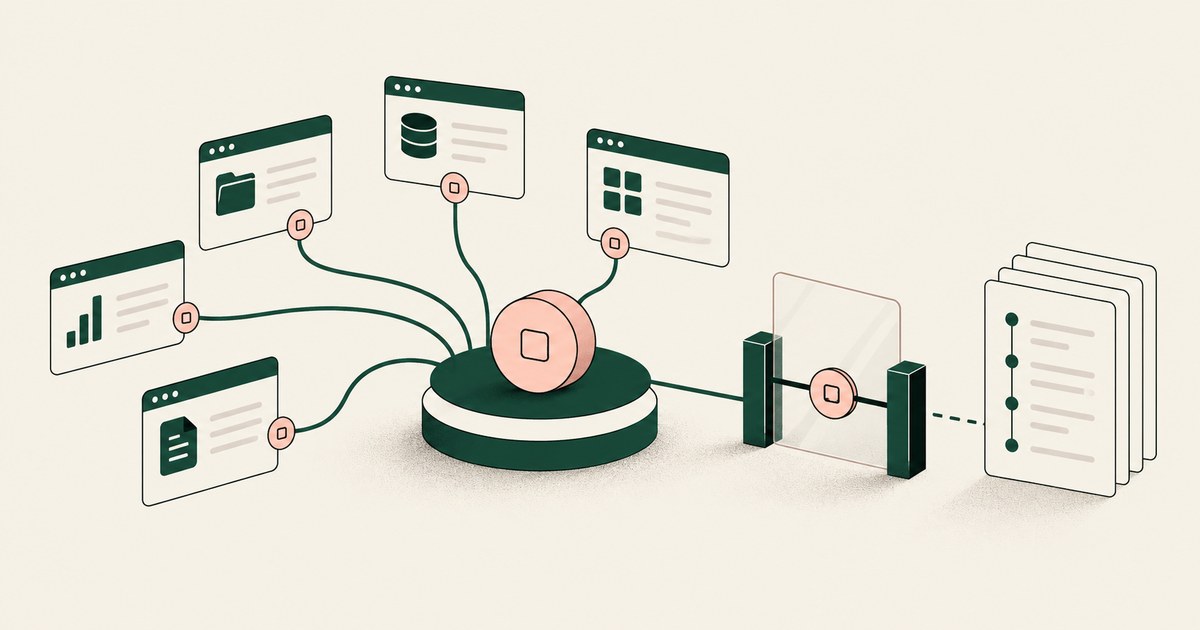
Review Secure AI Agents That Navigate Across Applications, with AI agent security, tokenization and approval checks for sensitive enterprise workflows.

Review Set Up an AI Control Record for AI Agents, with AI agent security, tokenization and approval checks for sensitive enterprise workflows.
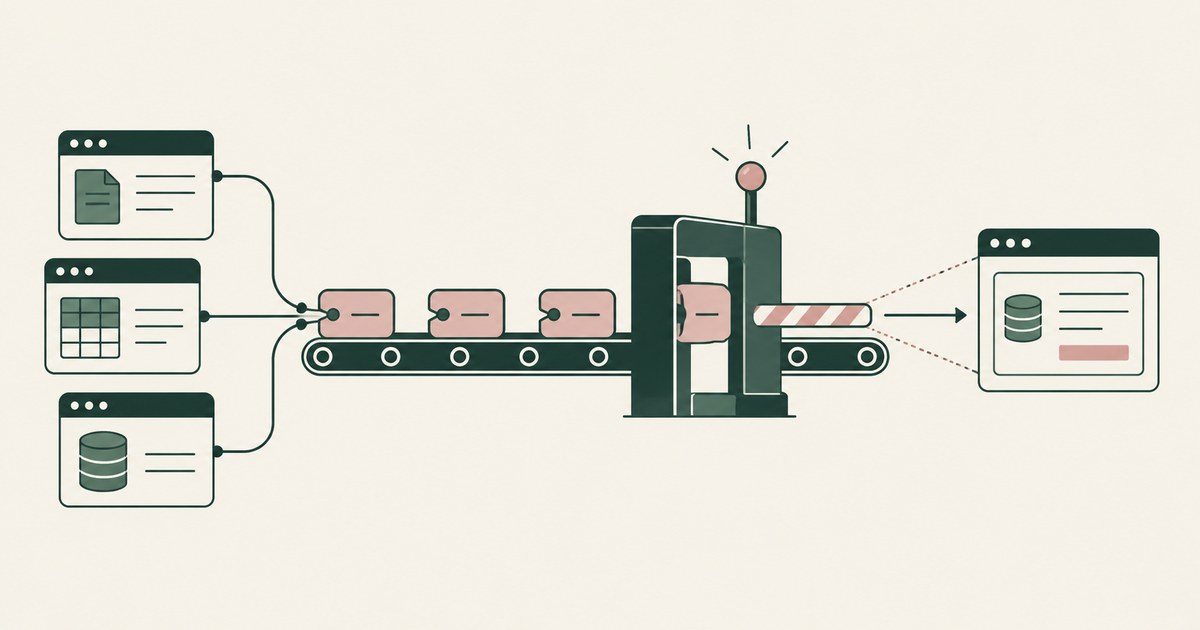
Review Prevent AI Agents From Oversharing Data Between Apps, with AI agent security, tokenization and approval checks for sensitive enterprise workflows.

Review Use AI Agents for Google Cloud Deployment, with AI agent security, tokenization and approval checks for sensitive enterprise workflows.
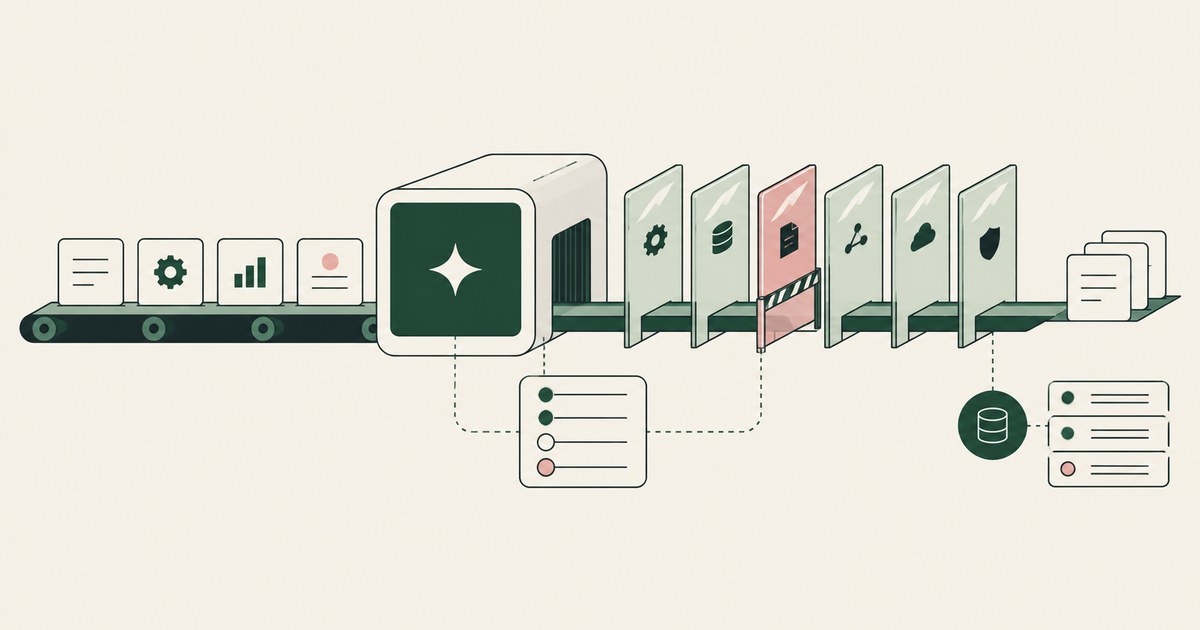
Review Secure AI Agents That Act Without Human Approval, with AI agent security, tokenization and approval checks for sensitive enterprise workflows.

Review Use AI Agents to Launch an EC2 GPU Instance, with AI agent security, tokenization and approval checks for sensitive enterprise workflows.
Review Use AI Agents to Deploy Azure GPU Virtual Machines, with AI agent security, tokenization and approval checks for sensitive enterprise workflows.
Review Secure AI Agents Reading Documents and Screens, with AI agent security, tokenization and approval checks for sensitive enterprise workflows.

Review Human-in-the-Loop Approval for AI Agents, with AI agent security, tokenization and approval checks for sensitive enterprise workflows.

Review Why Is Prompt Injection Hidden in HTML, with AI agent security, tokenization and approval checks for sensitive enterprise workflows.
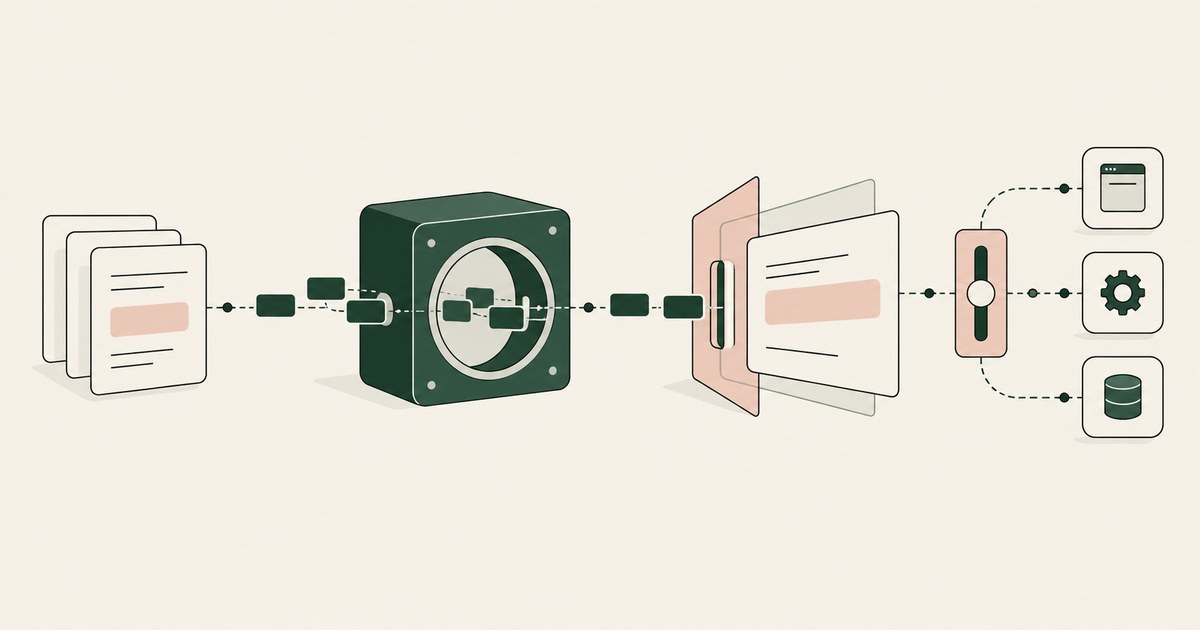
Skyflow governs data in a vault that applications are built against, while RedactSure replaces values on the rendered screen before any model reads it.

Microsoft Purview governs the data estate and the prompt a supported Microsoft app sends; RedactSure governs the rendered screen before a model reads it.
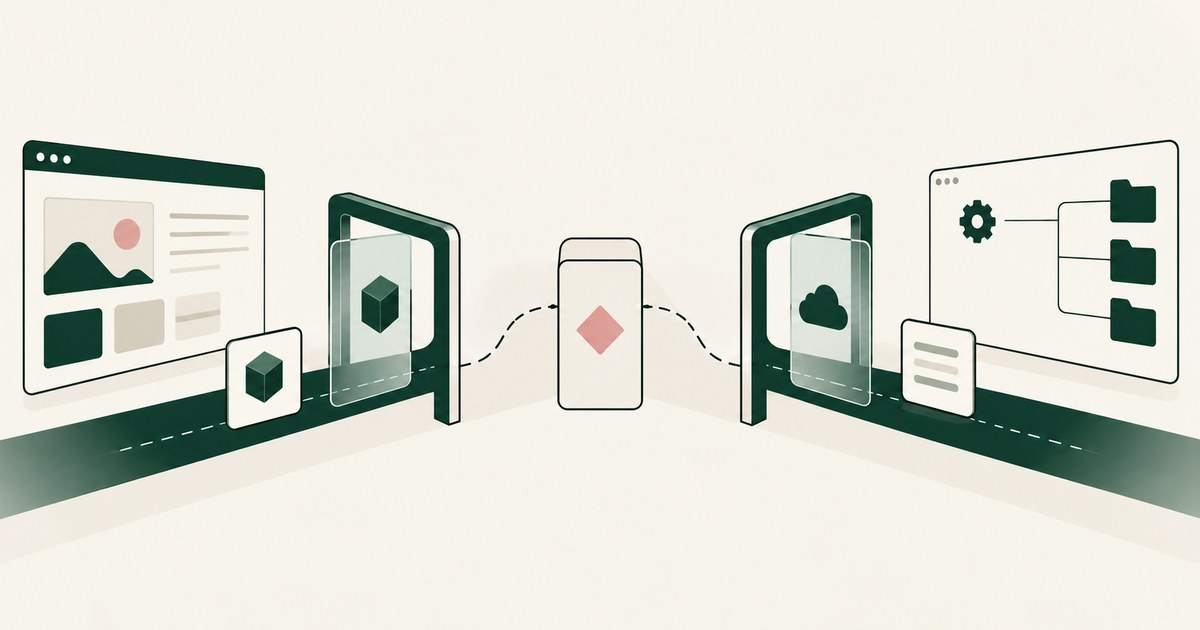
Prisma Browser inspects prompts and traffic at the browser boundary, while RedactSure replaces values on the rendered screen before any model reads it.

Island Enterprise Browser redacts data at the browser and limits access through policies; RedactSure replaces values on the page before a model reads it.

Review a Governed AI Workflow, with AI agent security, tokenization and approval checks for sensitive enterprise workflows.

Review What Tools Discover and Secure Enterprise AI Agents, with AI agent security, tokenization and approval checks for sensitive enterprise workflows.
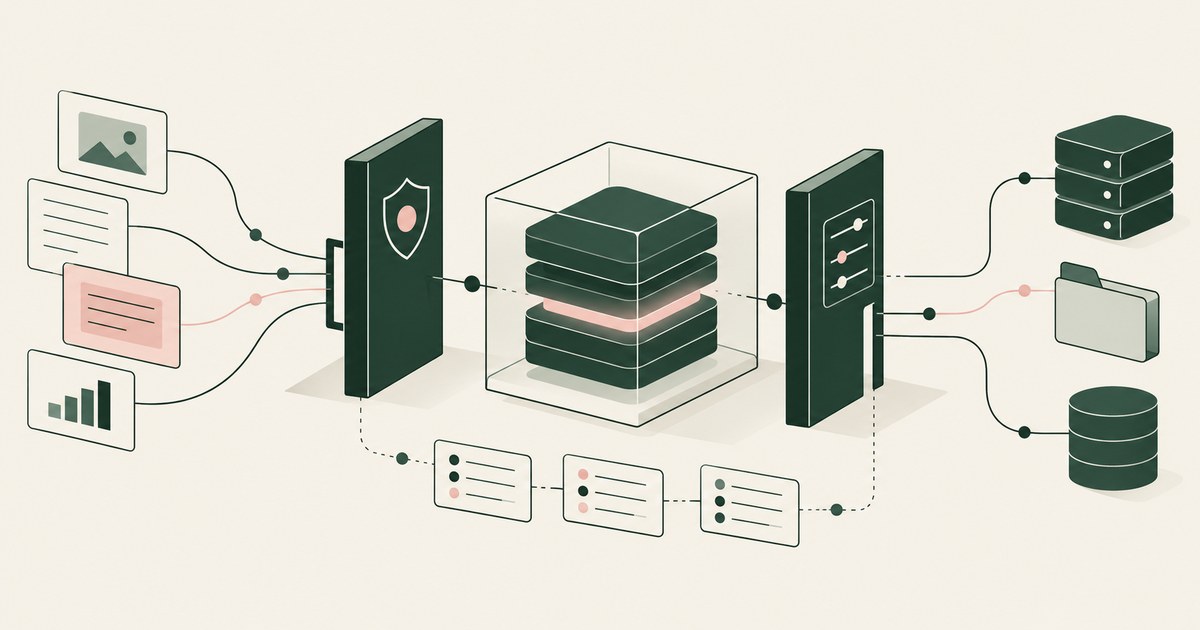
Review Should AI Models Be Treated Like Insider Risks, with AI agent security, tokenization and approval checks for sensitive enterprise workflows.

Review Test Prompt Injection Against Shopping Agents, with AI agent security, tokenization and approval checks for sensitive enterprise workflows.
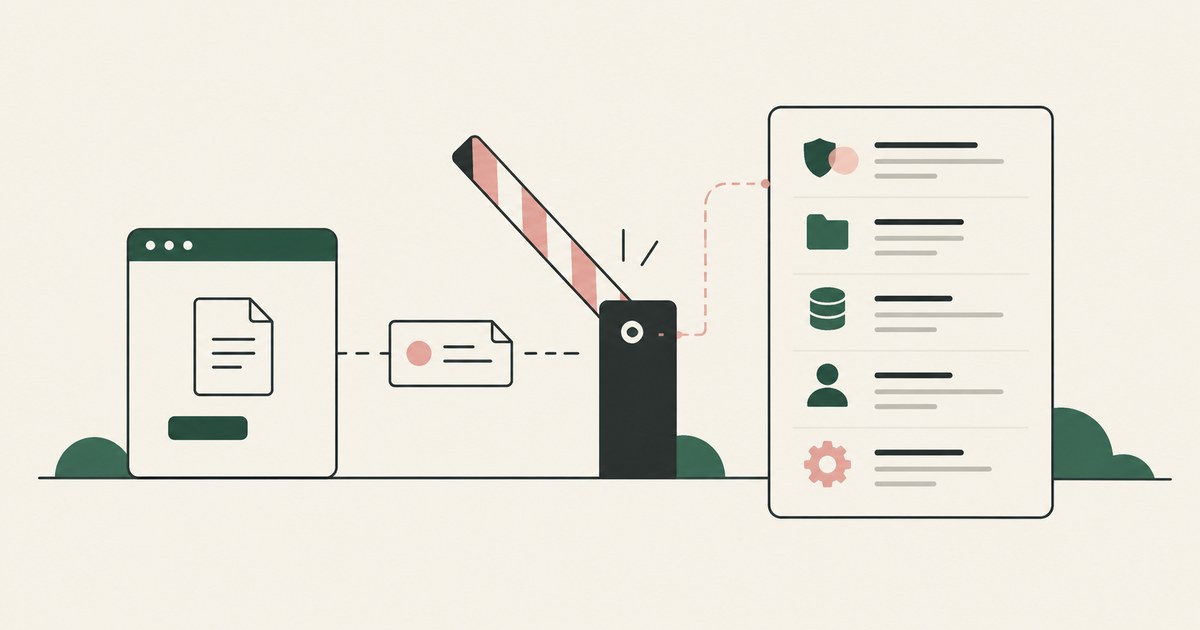
Review see exactly why a security policy blocked an action, with AI agent security, tokenization and approval checks for sensitive enterprise workflows.

Review Prevent Security Policy Conflicts in Workflows, with AI agent security, tokenization and approval checks for sensitive enterprise workflows.
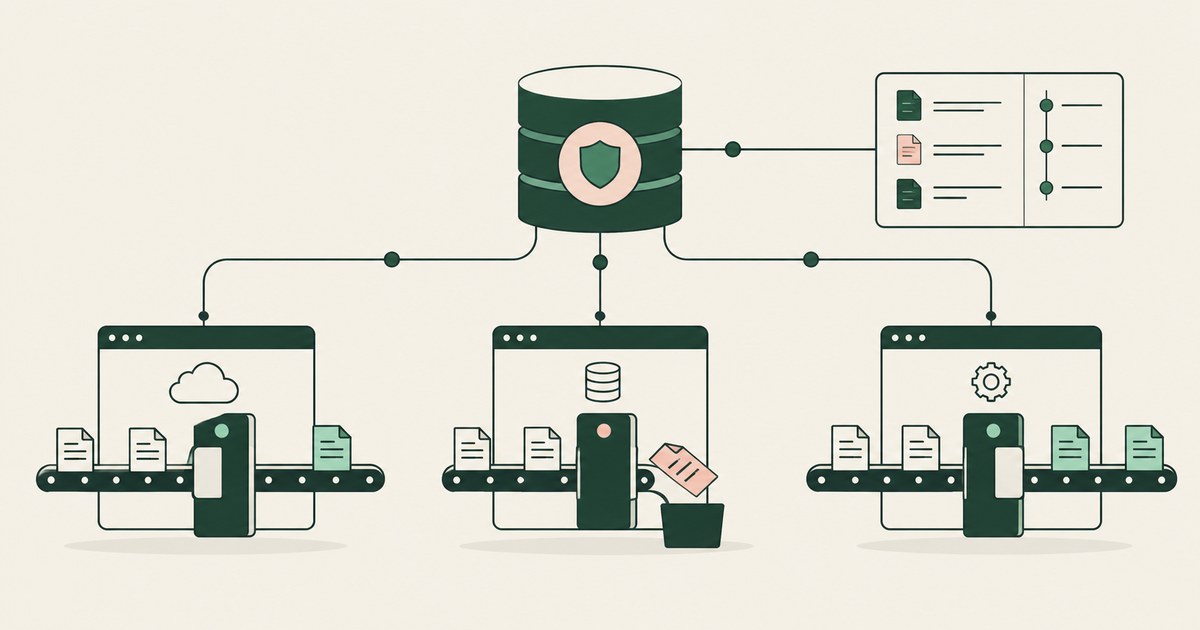
Review Enforce Data Protection Across Enterprise Apps, with AI agent security, tokenization and approval checks for sensitive enterprise workflows.
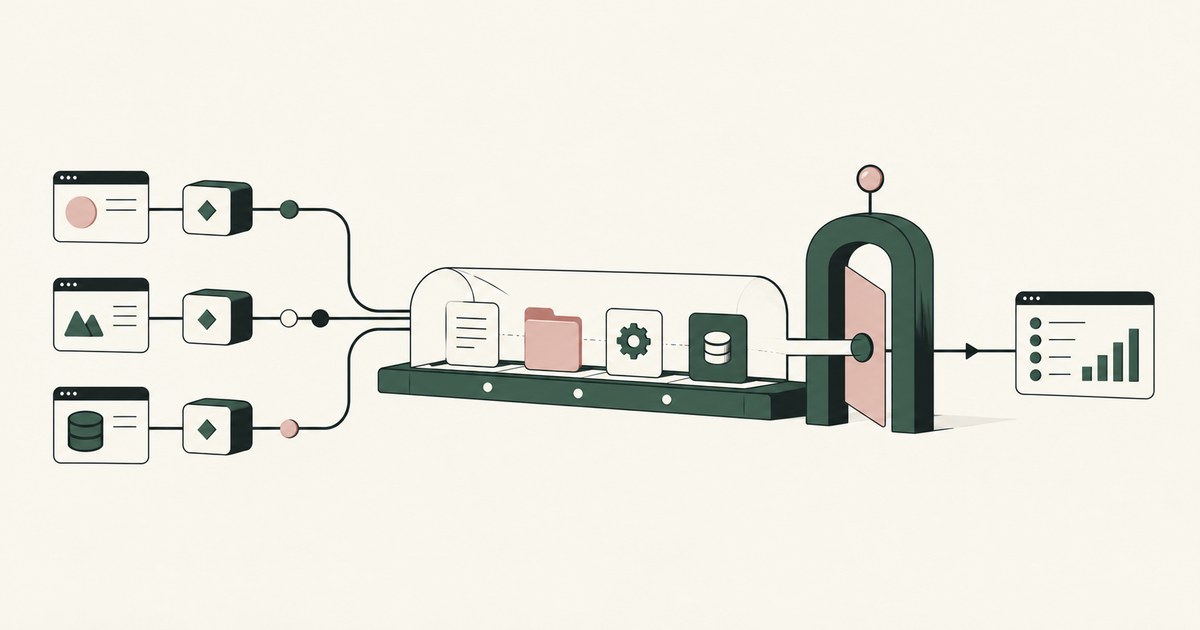
Review AI Agent Visibility, with AI agent security, tokenization and approval checks for sensitive enterprise workflows.
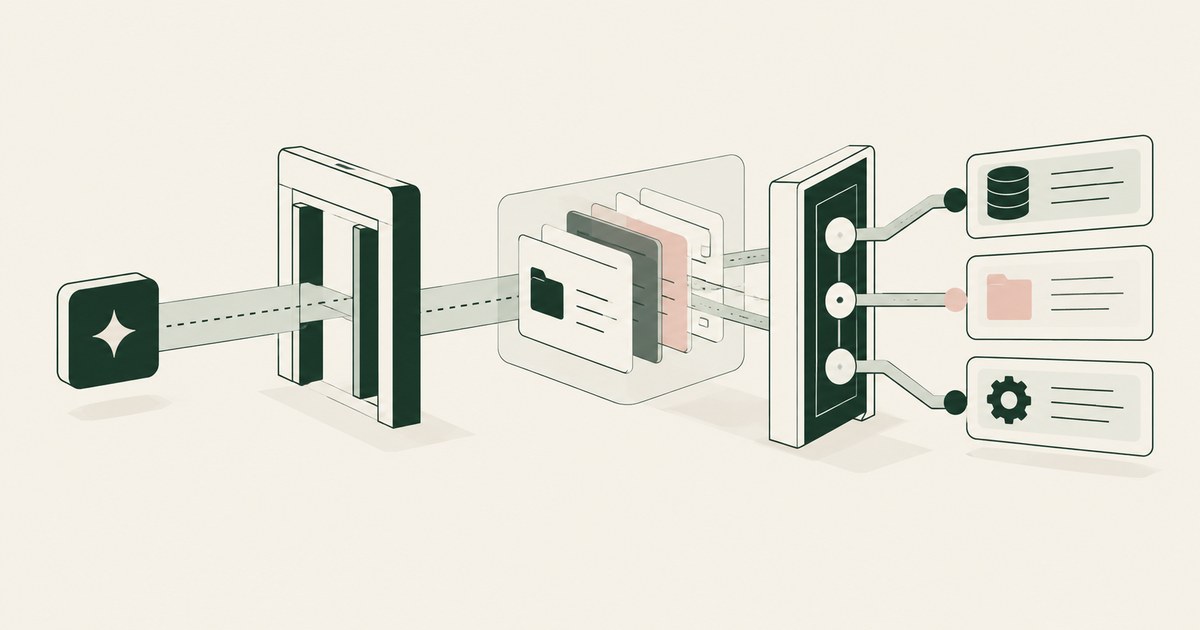
Review AI Agent Access Control, with AI agent security, tokenization and approval checks for sensitive enterprise workflows.
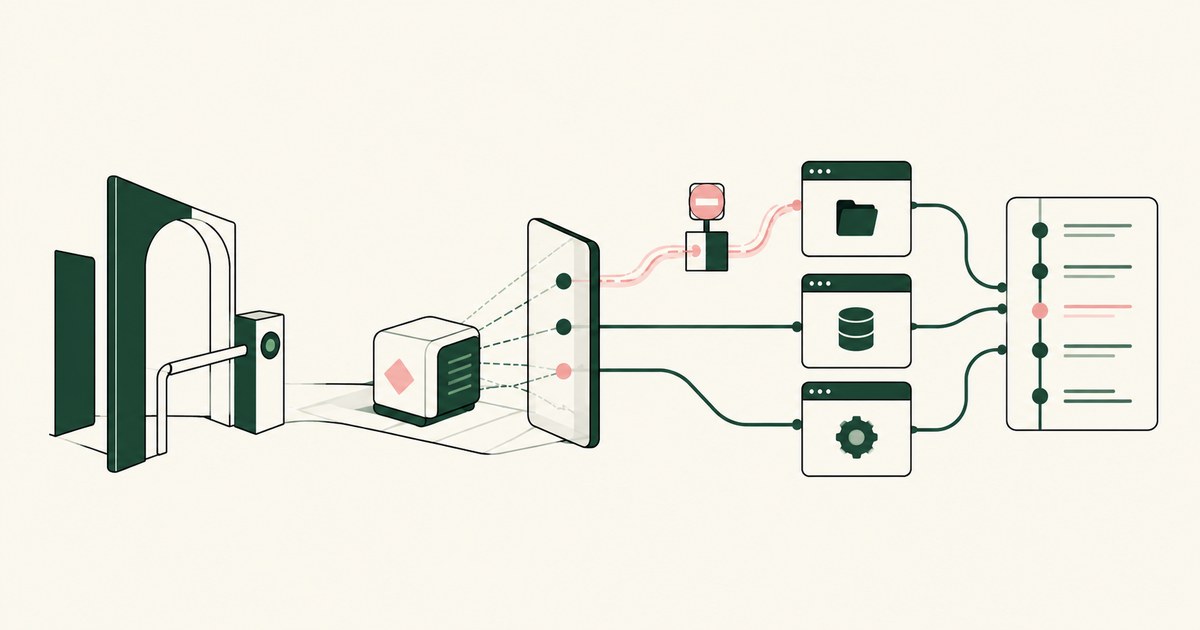
Review AI Agent Runtime Security, with AI agent security, tokenization and approval checks for sensitive enterprise workflows.
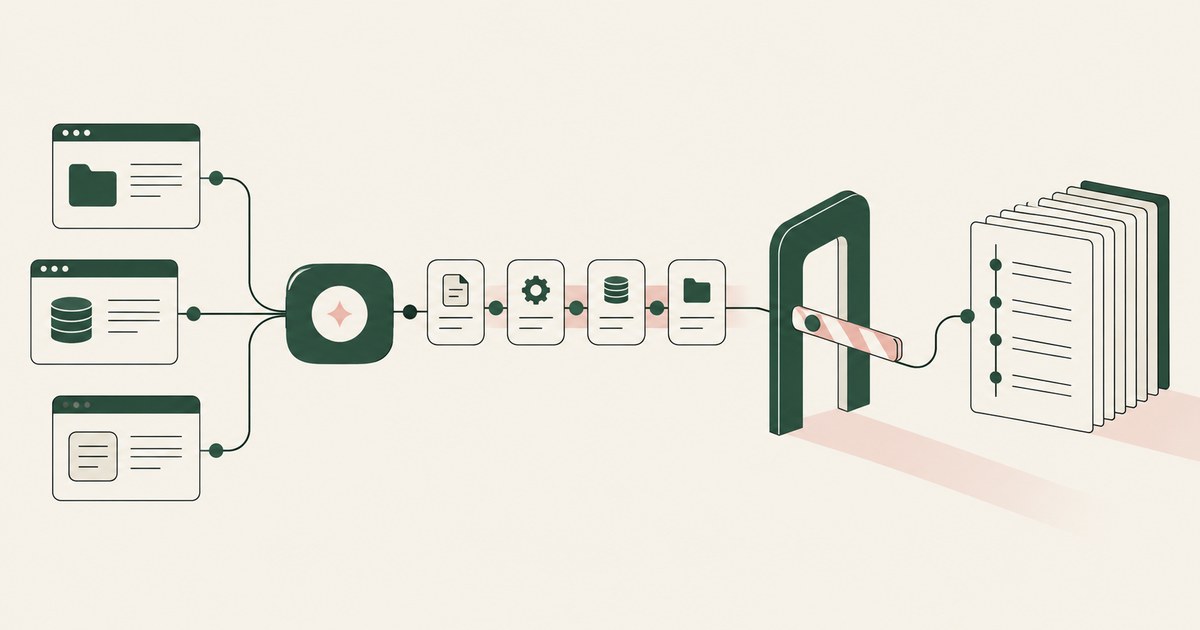
Review AI Agent Auditability, with AI agent security, tokenization and approval checks for sensitive enterprise workflows.
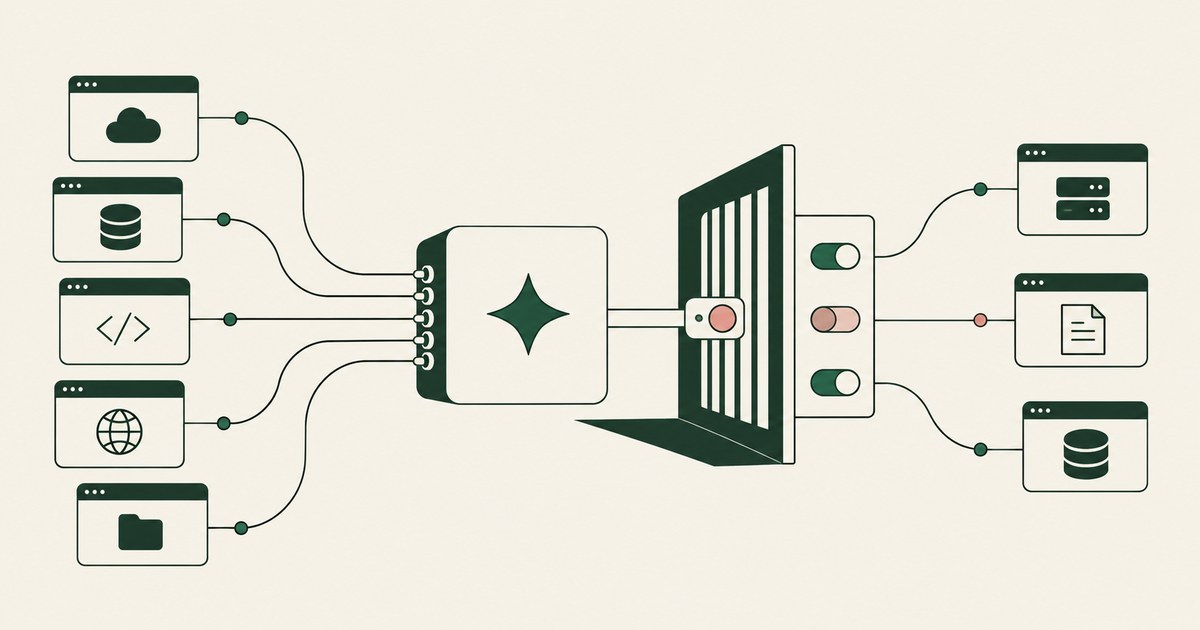
Review AI Agent Tool Access, with AI agent security, tokenization and approval checks for sensitive enterprise workflows.
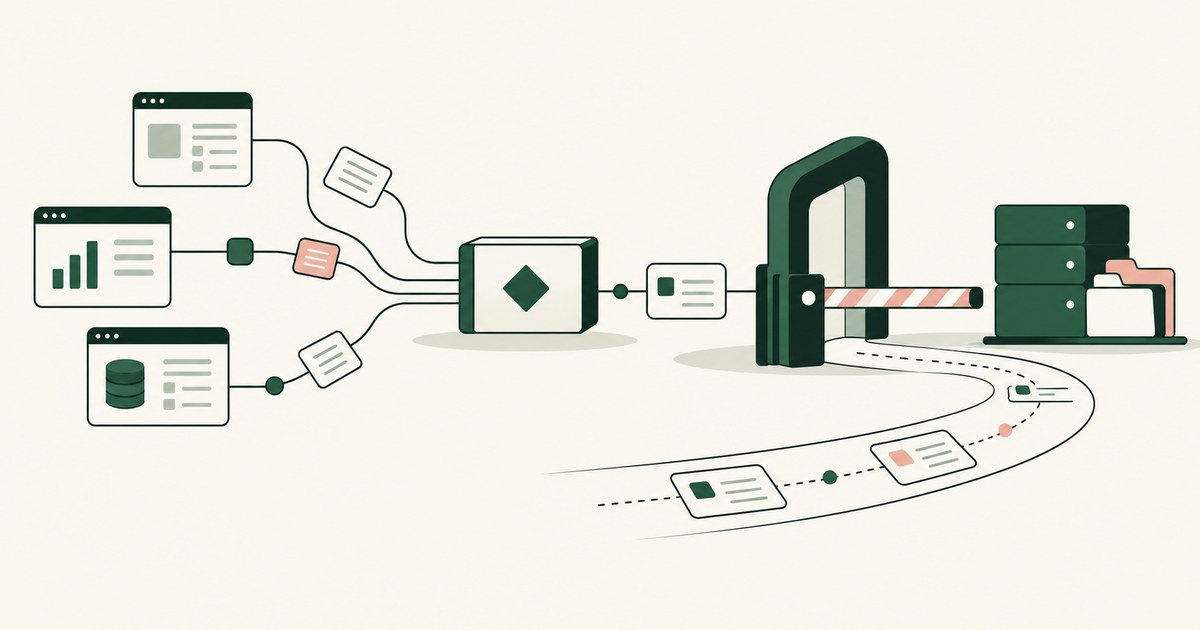
Review an Autonomous AI Agent, with AI agent security, tokenization and approval checks for sensitive enterprise workflows.
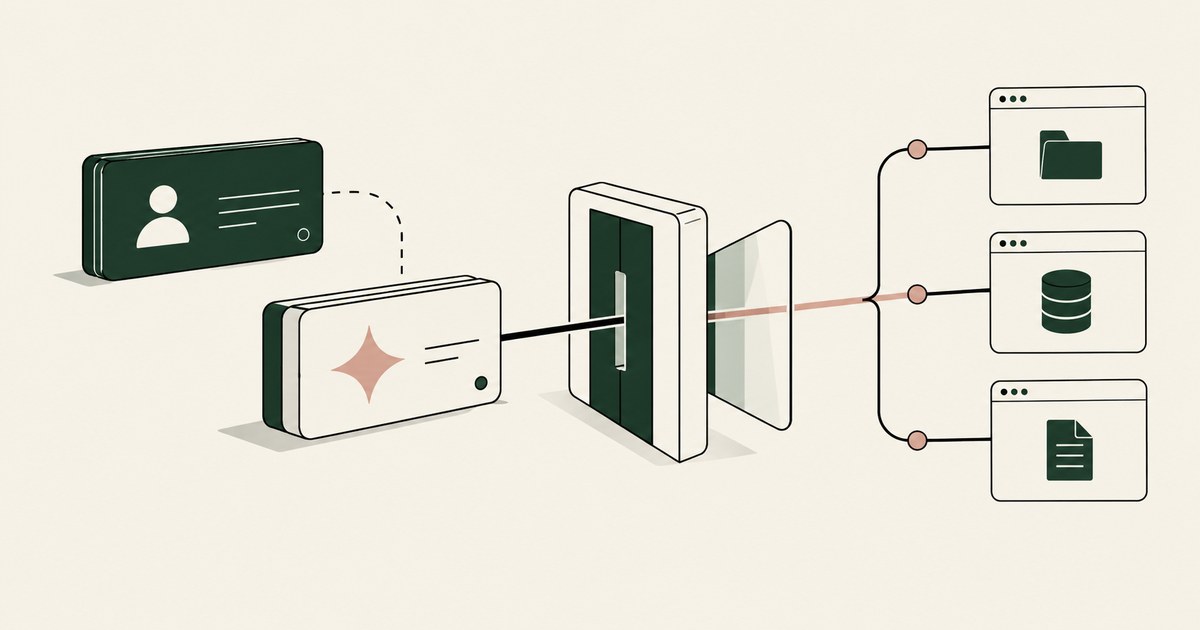
Review AI Agent Identity for AI agent security, with practical checks on sensitive data, tokenization and named human approvals.
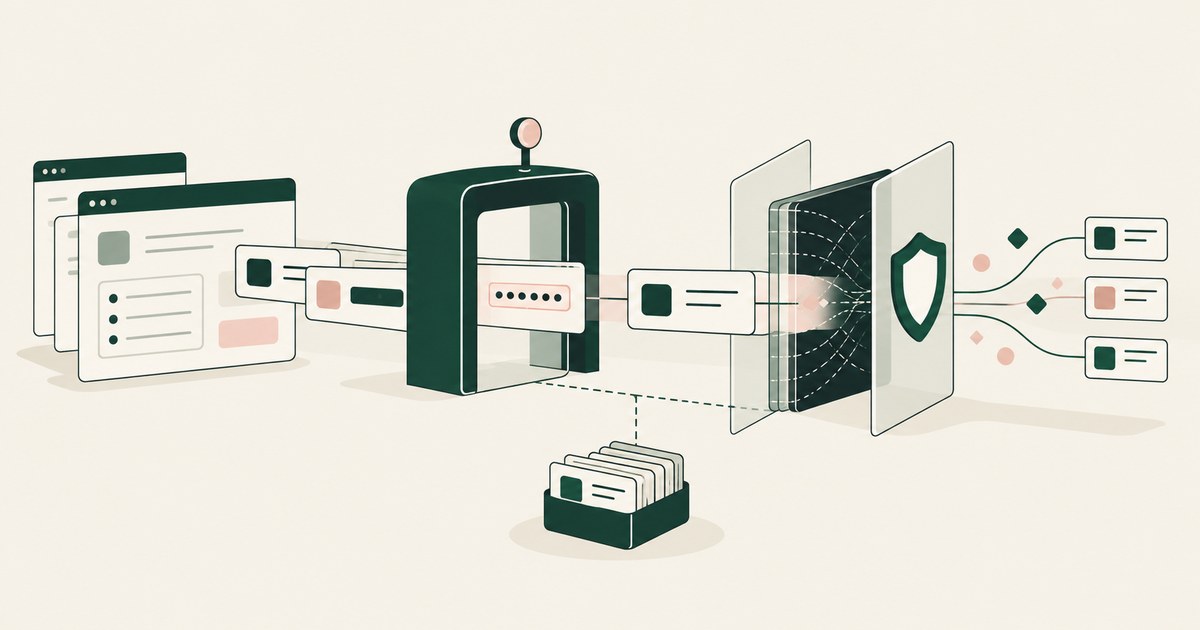
Prisma AIRS inspects the traffic between an AI application and its model; RedactSure replaces values on the rendered screen before any model reads them.
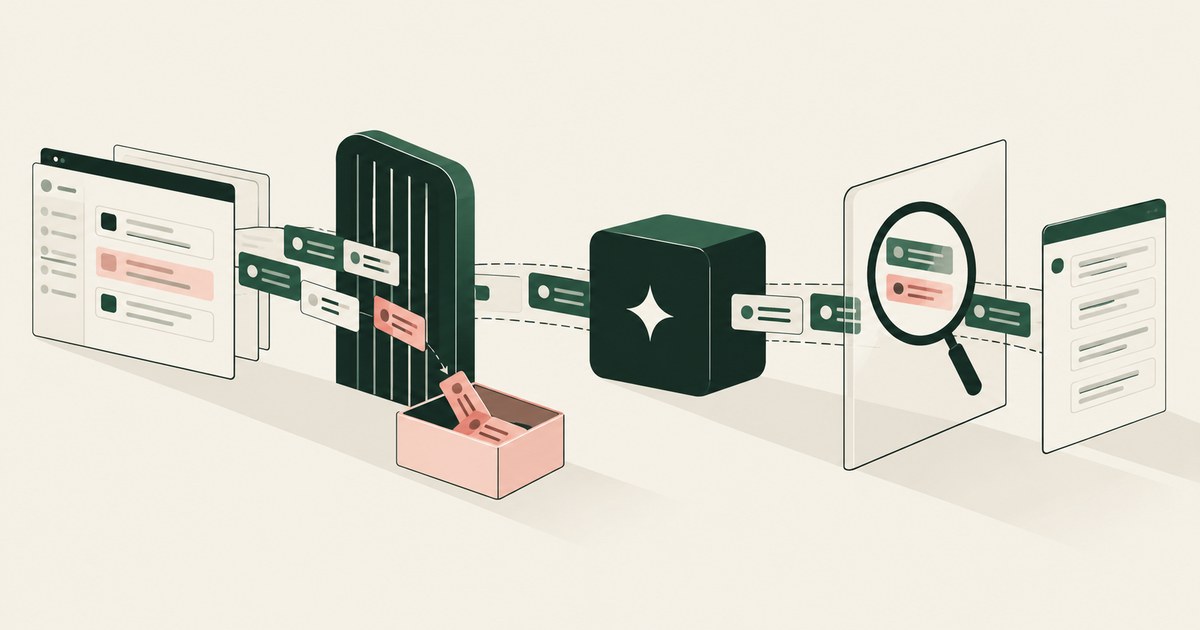
Check Point Lakera screens traffic between an application and a model, while RedactSure replaces values on the rendered screen before any model reads it.

Okta registers each agent and scopes its reach per resource app through token exchange; RedactSure replaces values on the screen before a model reads it.

Zenity enforces policy inside an agent's run and blocks an unsafe action, while RedactSure puts tokens on the rendered screen before any model reads it.
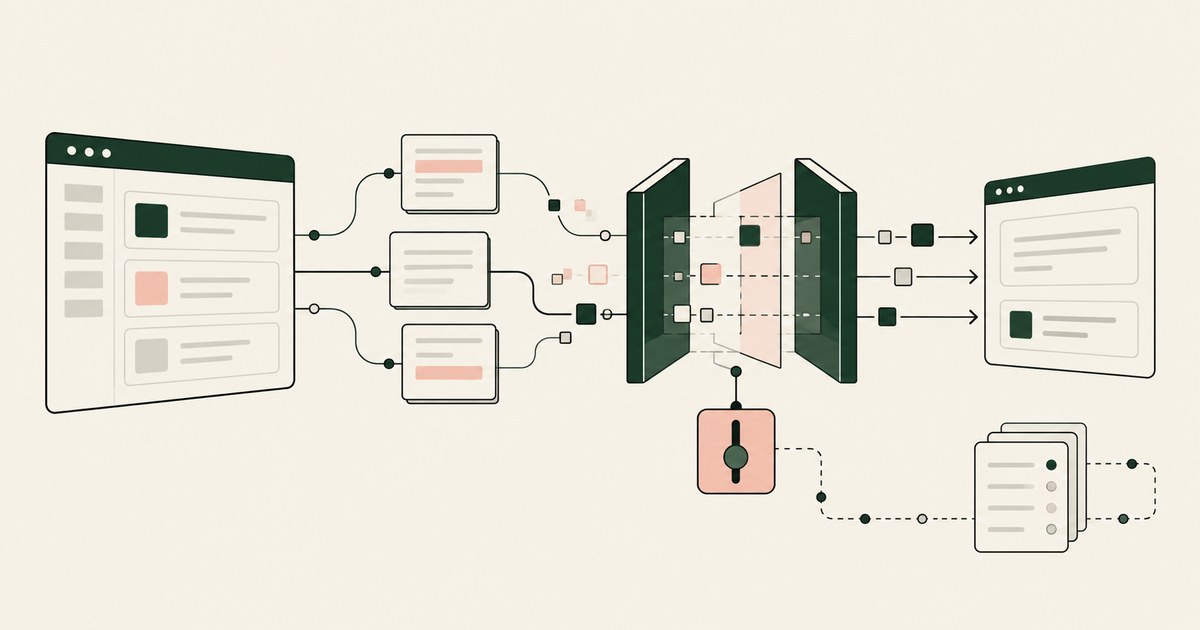
Noma Security masks sensitive data inline in traffic through gateways, hooks or SDKs; RedactSure replaces values on the screen before a model reads it.

SentinelOne Prompt Security enforces policy on the exchange with an AI service; RedactSure replaces values on the rendered screen before a model reads it.
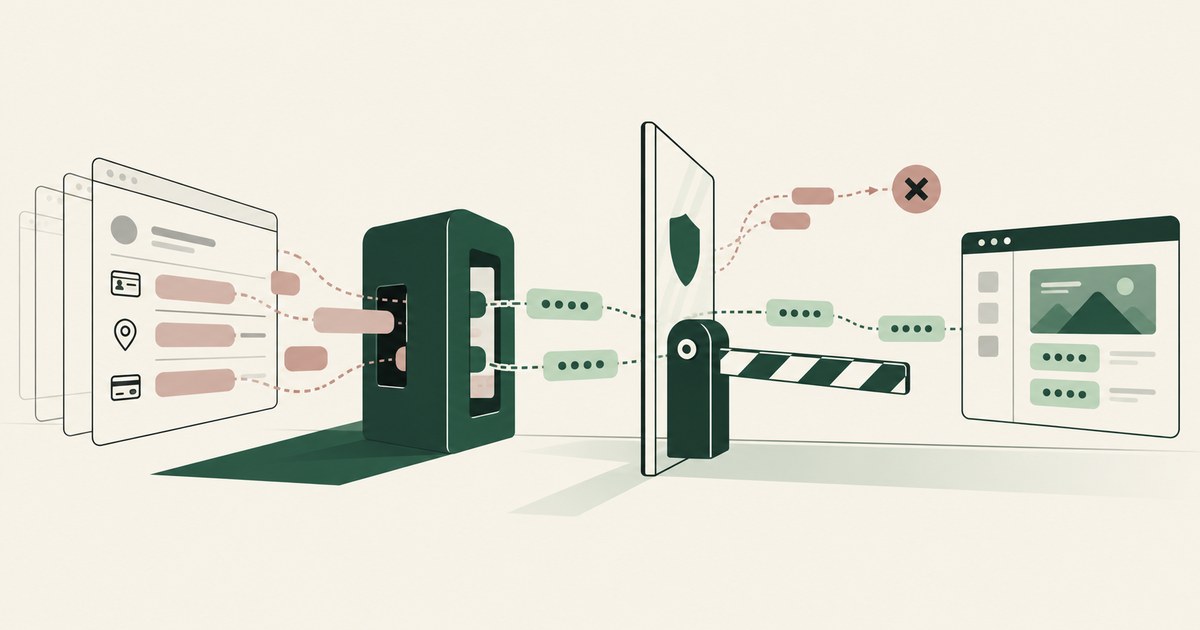
CrowdStrike returns allow or block at the point of execution, while RedactSure replaces values on the rendered screen before a model reads it.
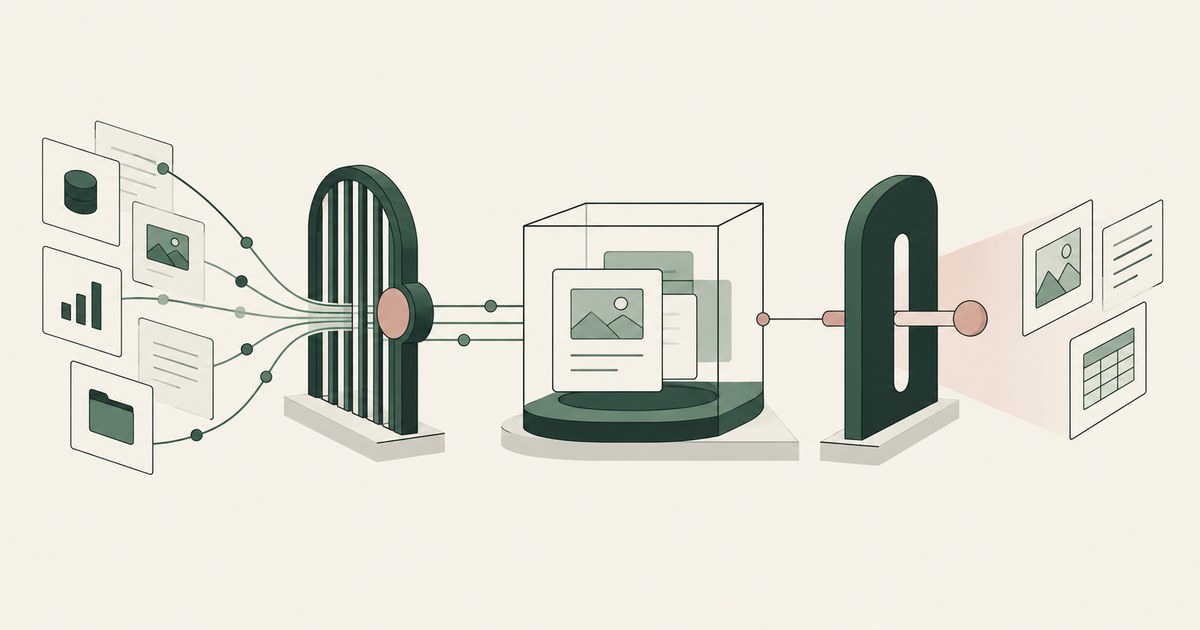
Microsoft Agent 365 governs agent reach via its registry, Entra and Purview; RedactSure replaces values on the rendered screen before any model reads it.
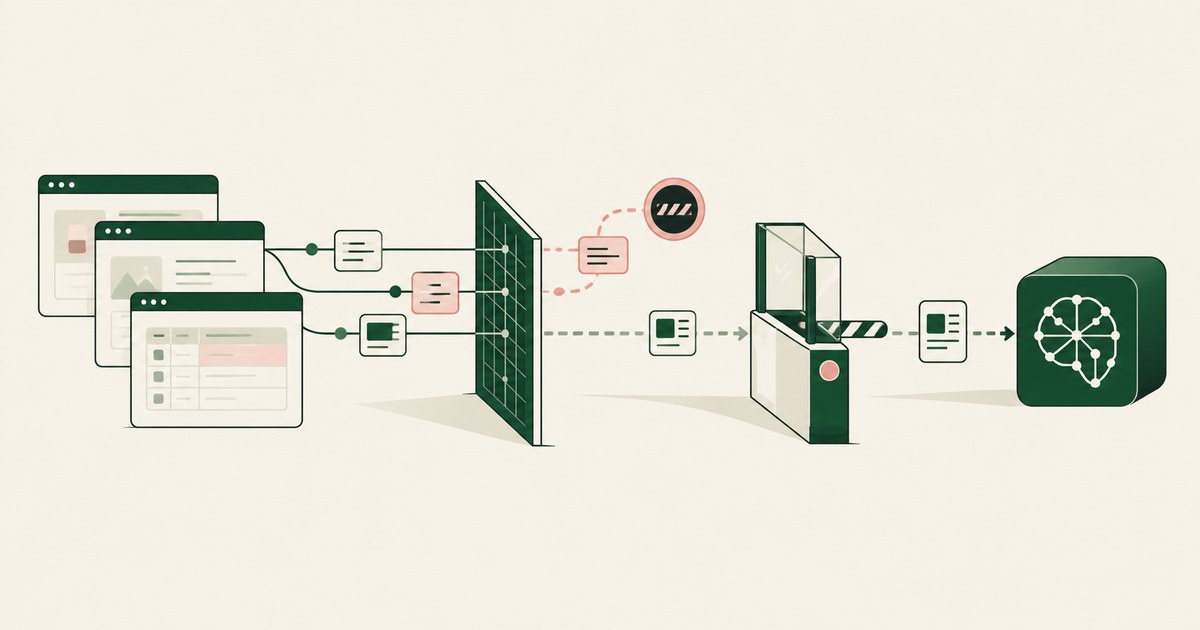
Netskope inspects prompt and response text at the network and returns a verdict; RedactSure replaces values on the rendered screen before a model reads it.
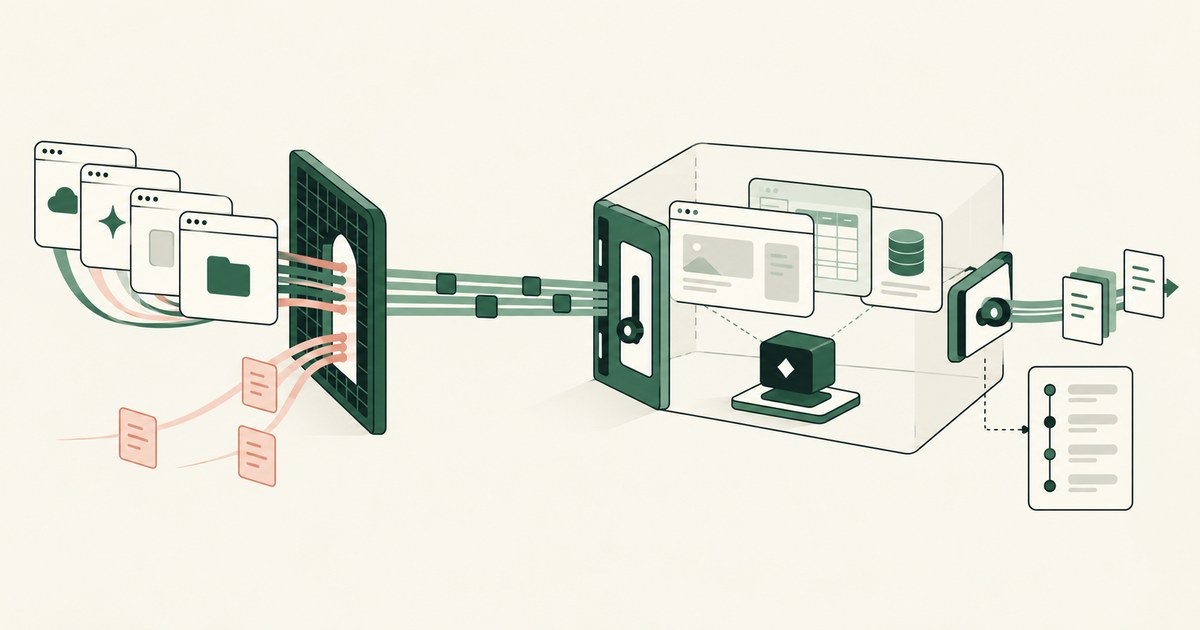
Zscaler filters data inline on the path an AI request travels, while RedactSure replaces values on the rendered screen before any model reads them.
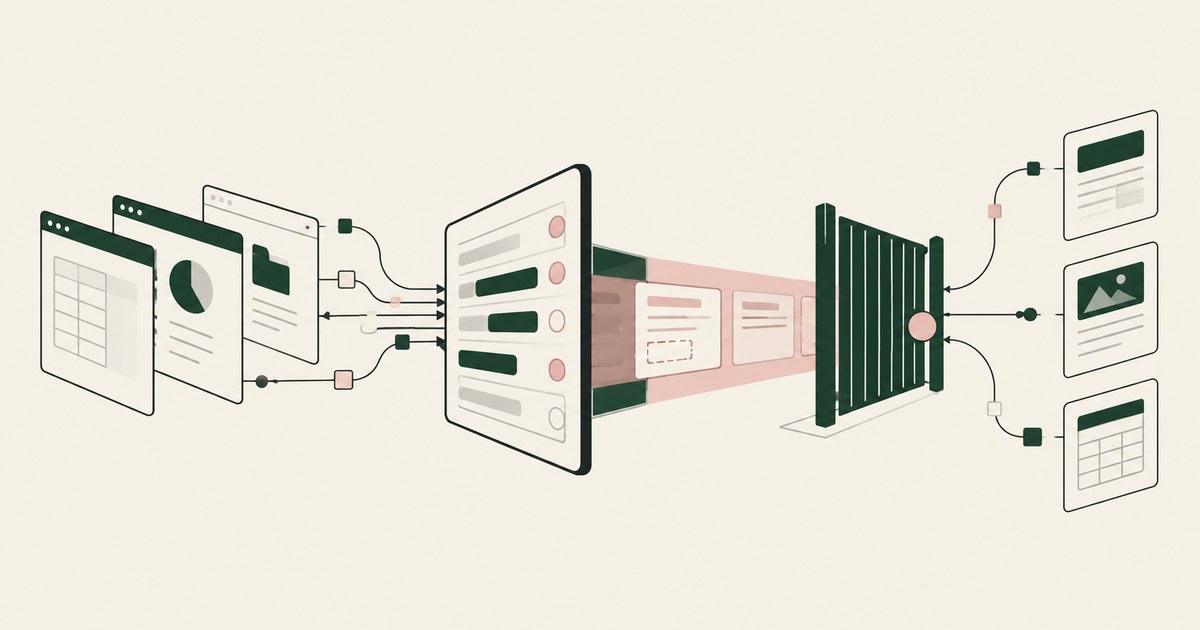
Cyera inventories agents and the data they reach and redacts at the tool call; RedactSure replaces values on the rendered page before any model reads it.
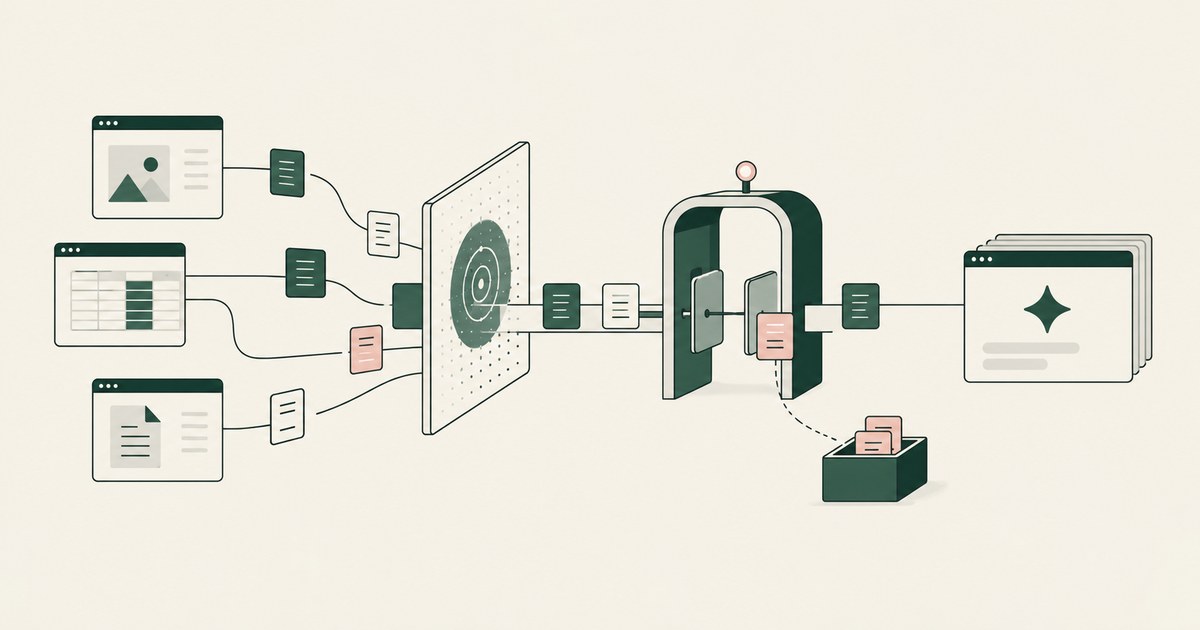
Varonis governs data an agent can reach and monitors prompts at its gateway; RedactSure replaces values on the rendered page before any model reads it.
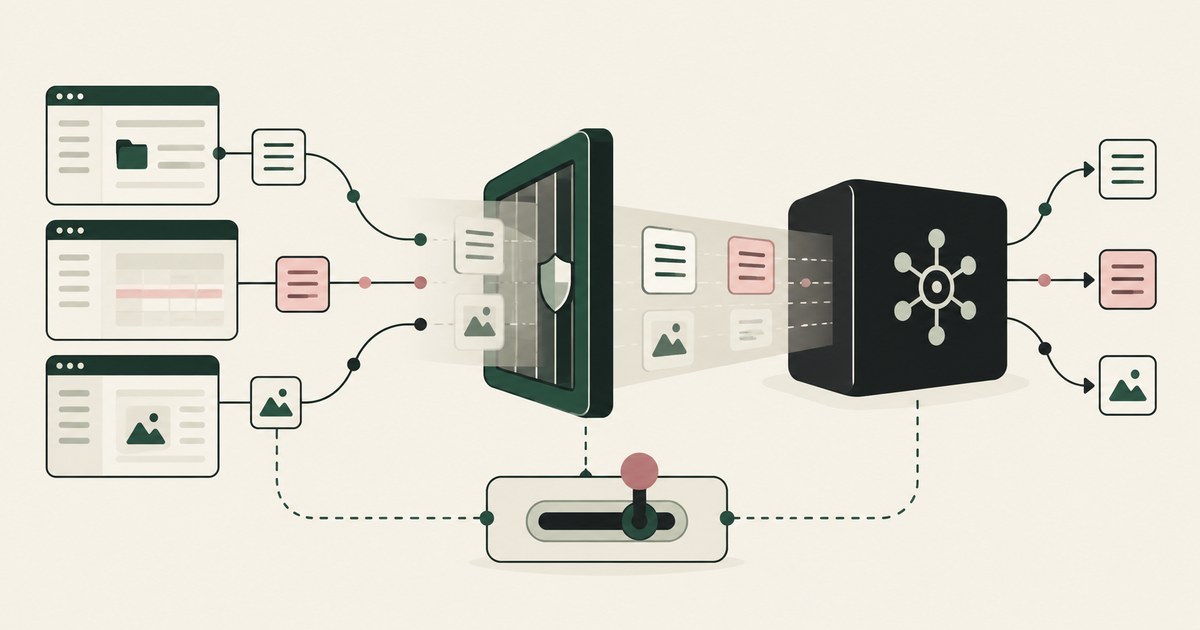
Securiti inspects prompts and model responses at its LLM firewall, while RedactSure replaces values on the rendered screen before any model reads it.
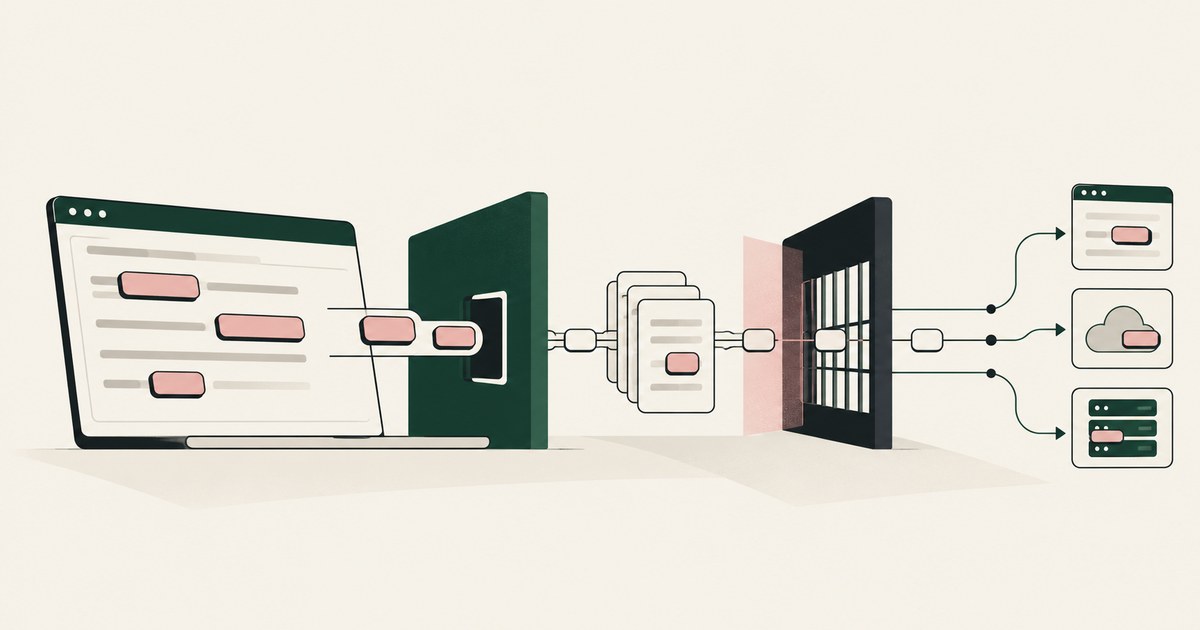
Nightfall AI inspects prompts, uploads, API calls and MCP tool calls at its gateway; RedactSure replaces identifiers on the screen before a model reads it.
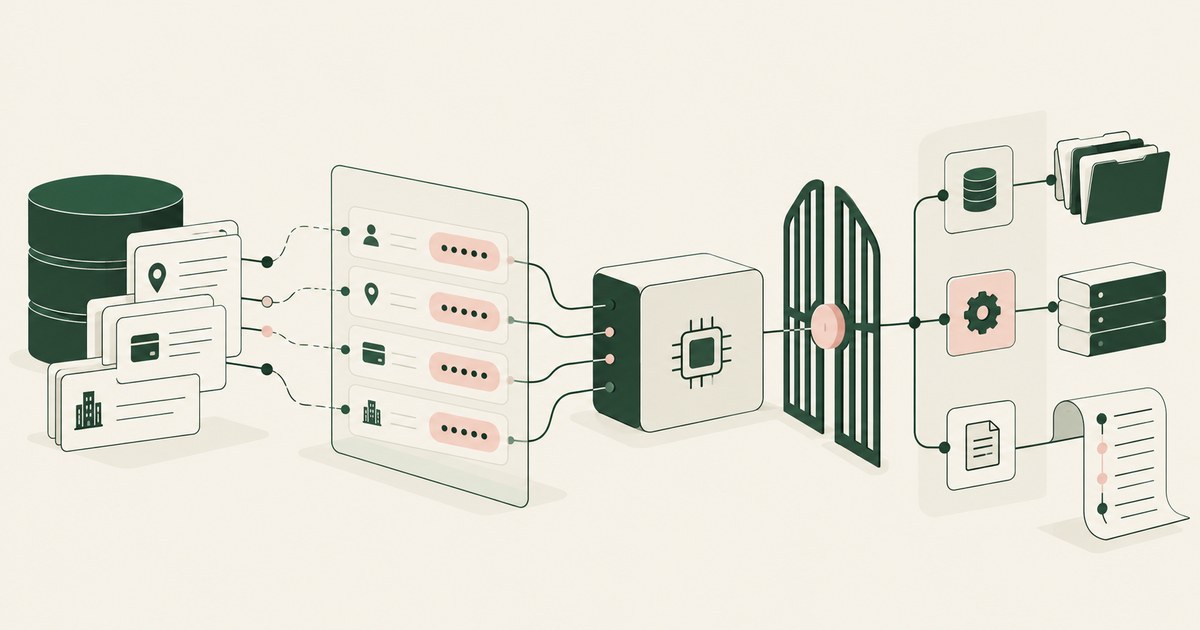
BigID discovers sensitive data and masks values in prompts and responses, while RedactSure replaces values on the rendered page before a model reads it.
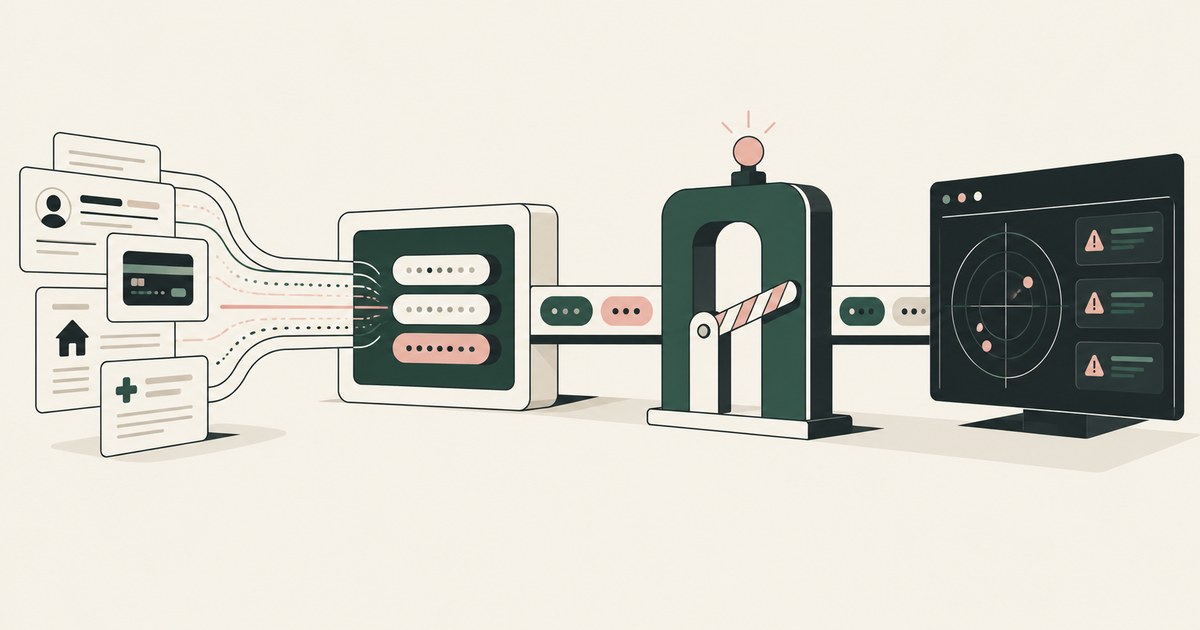
Radware inspects prompts, responses and tool calls at its proxy; RedactSure replaces values with tokens on the rendered screen before any model reads it.
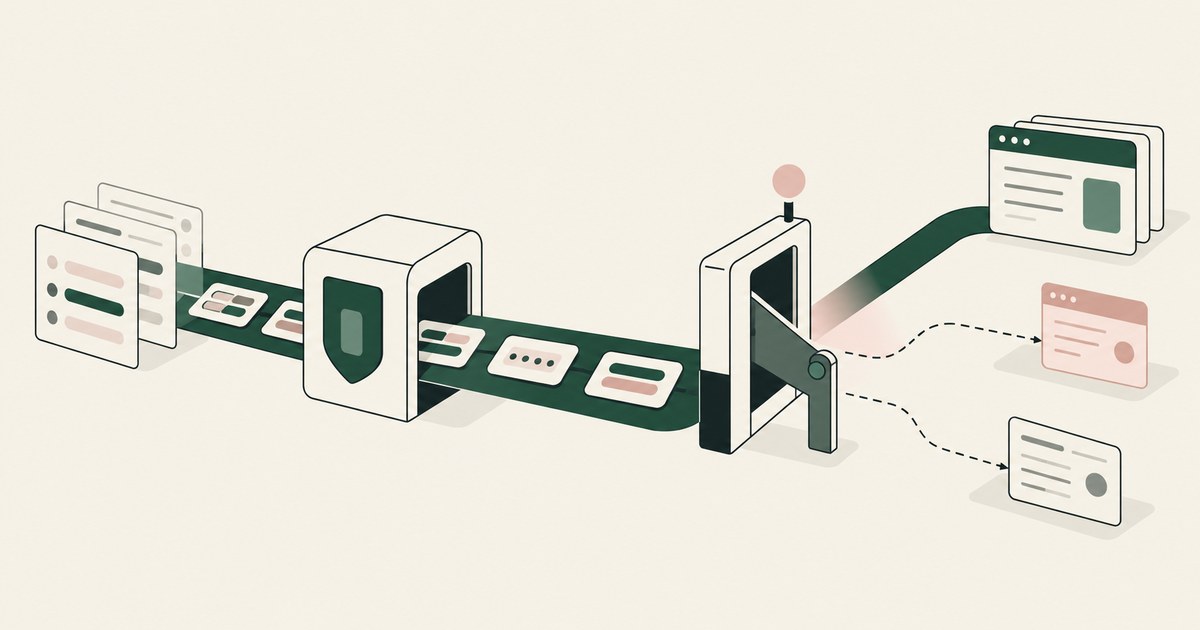
F5 CalypsoAI inspects prompts, responses and tool calls on the enforcement path, while RedactSure replaces values on the screen before any model reads it.
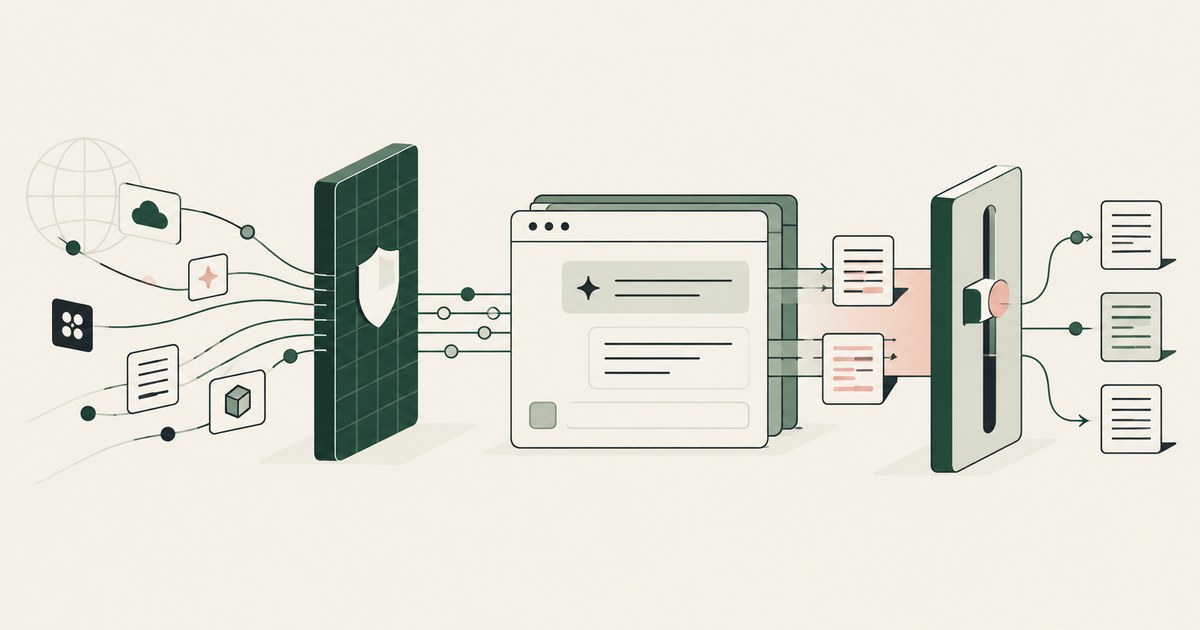
Cato Networks Aim Security inspects traffic at the SASE platform and the model boundary; RedactSure works on the rendered page before a model reads it.
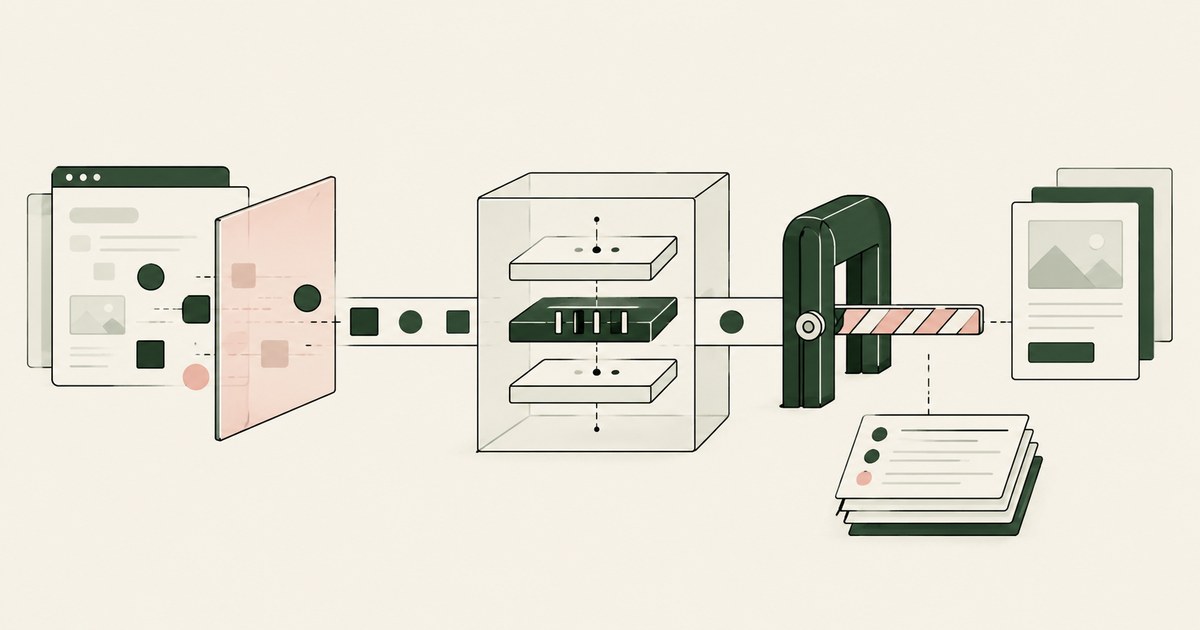
Arthur AI checks prompts and responses at the application LLM boundary around the model call. RedactSure tokens values before any model reads the screen.
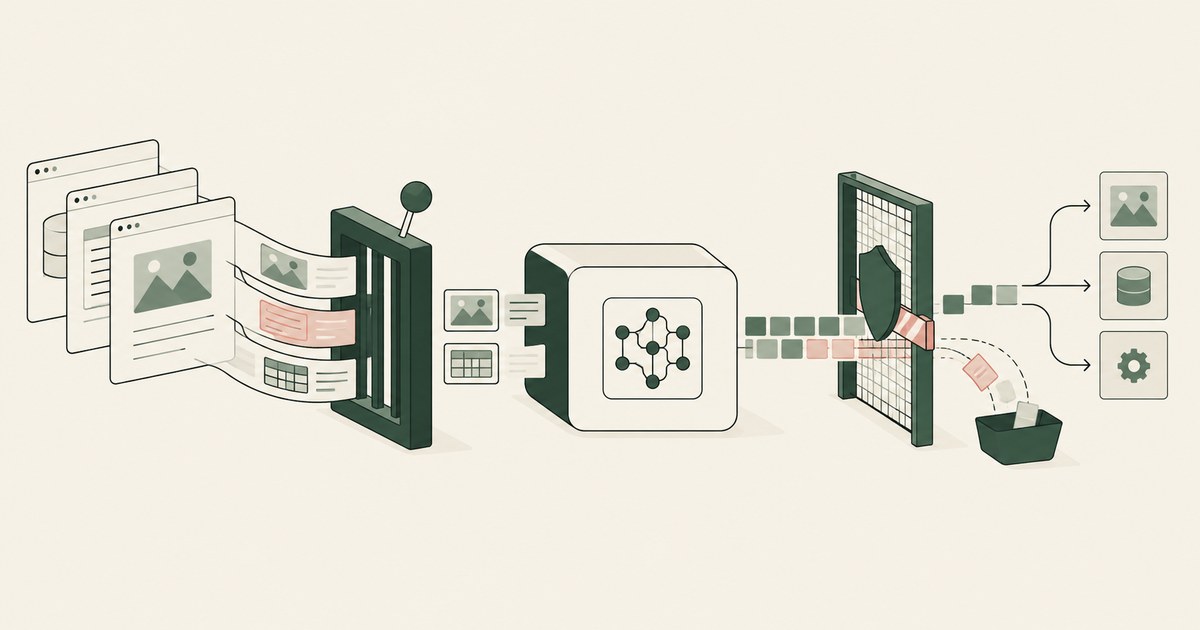
Straiker inspects the runtime trace an agent produces and blocks attacks; RedactSure replaces values on the rendered screen before any model reads it.
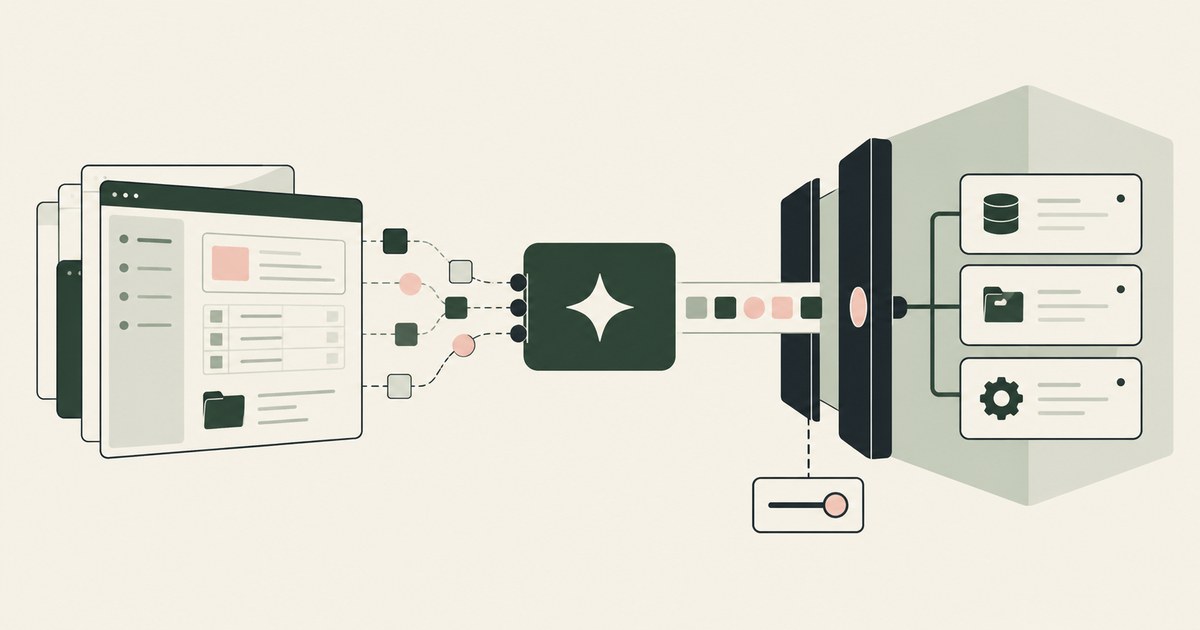
CyberArk, now Idira, controls which agent and which tool call reach a system, while RedactSure controls what the model reads on the rendered record.
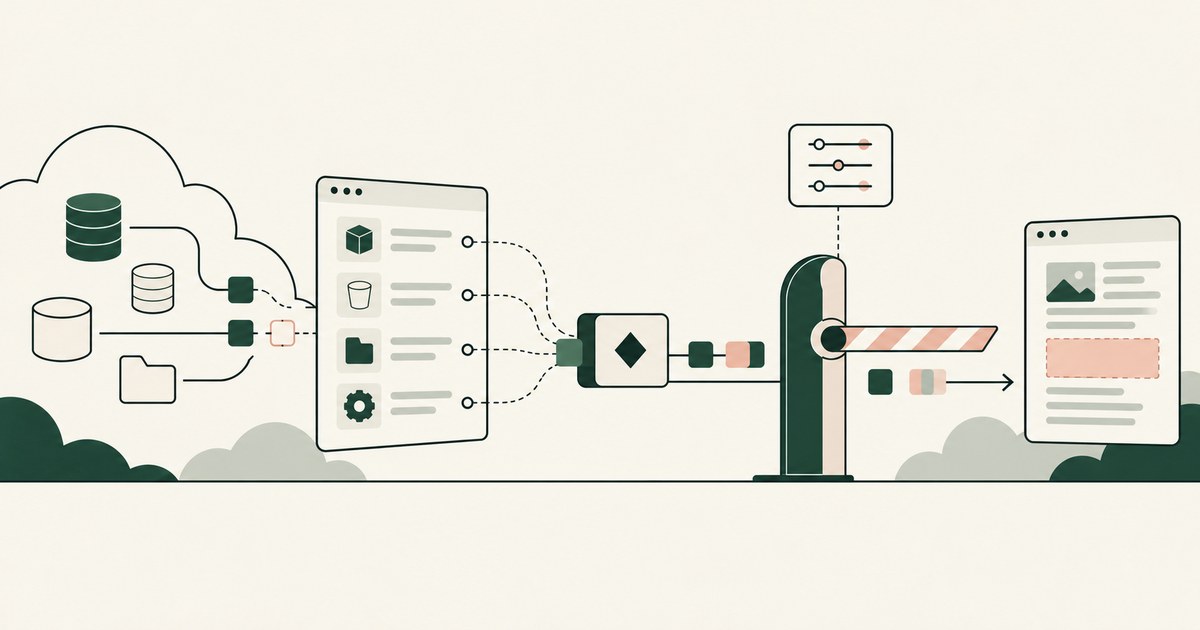
Wiz maps what an AI agent can reach across the cloud estate, while RedactSure replaces values on the rendered screen before any model reads them.

Not reliably. Benchmarks show careful agents still take irreversible actions. Check that reversibility is classified by the environment, not the model.

Yes, and the approval must be provable and tied to a named person, since agents already place unrequested orders. Check that the submit step records it.

Not for every action, but for any that is consequential, irreversible or leaves the organization. Check that the environment enforces the gate.

Only when the approver sees the true action and destination, and approval is reserved for consequential steps. Check whether injected content shapes it.

Only when production is separated, every write is reversible or gated by a named person, and the environment enforces the gate. Check which you enforce.

Only when payments, submissions and account changes are gated by action type and destination, since an injection becomes a transaction. Check what runs.

Akamai Workforce Protector governs what an agent types, pastes and sends in a browser. RedactSure replaces values on the screen before a model reads it.

Anjuna encrypts data in use inside a hardware enclave that keeps out the host and admins. RedactSure tokenizes the rendered screen before a model reads it.
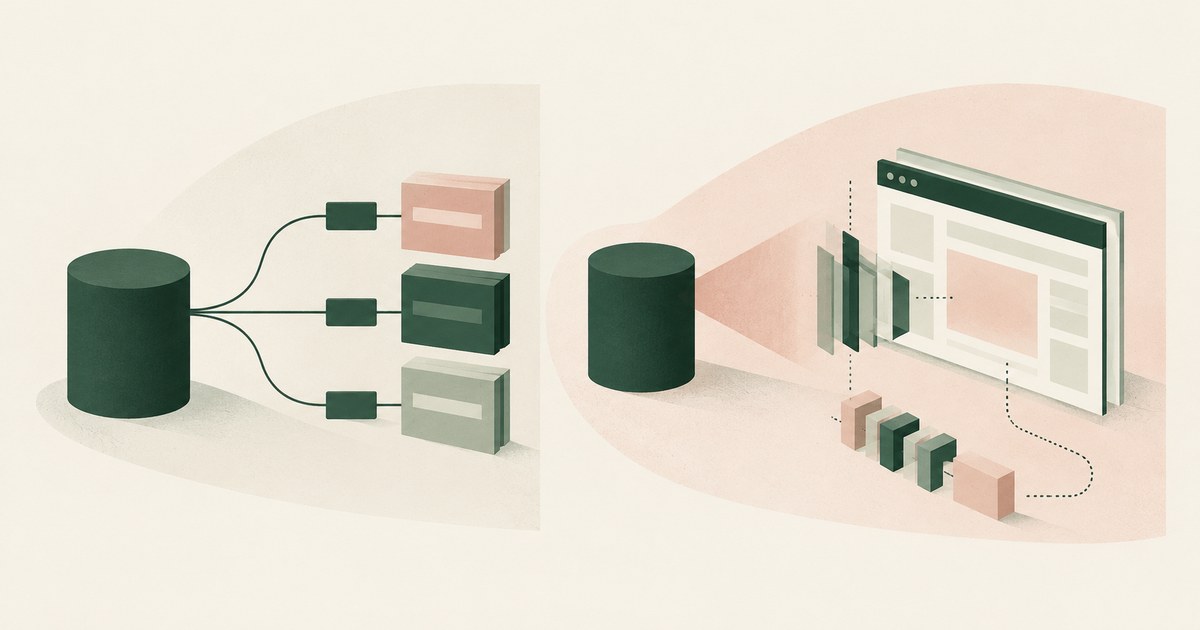
Arcade authorizes each tool call through the user's OAuth grant and vaults the token. RedactSure replaces values on the page before a model reads it.

Chrome Enterprise Premium governs the acts people take in Chrome; RedactSure replaces identifiers with tokens on the screen before any model reads it.

Databricks controls data inside its platform through catalog masks and gateway policies; RedactSure replaces values on the page before a model reads it.
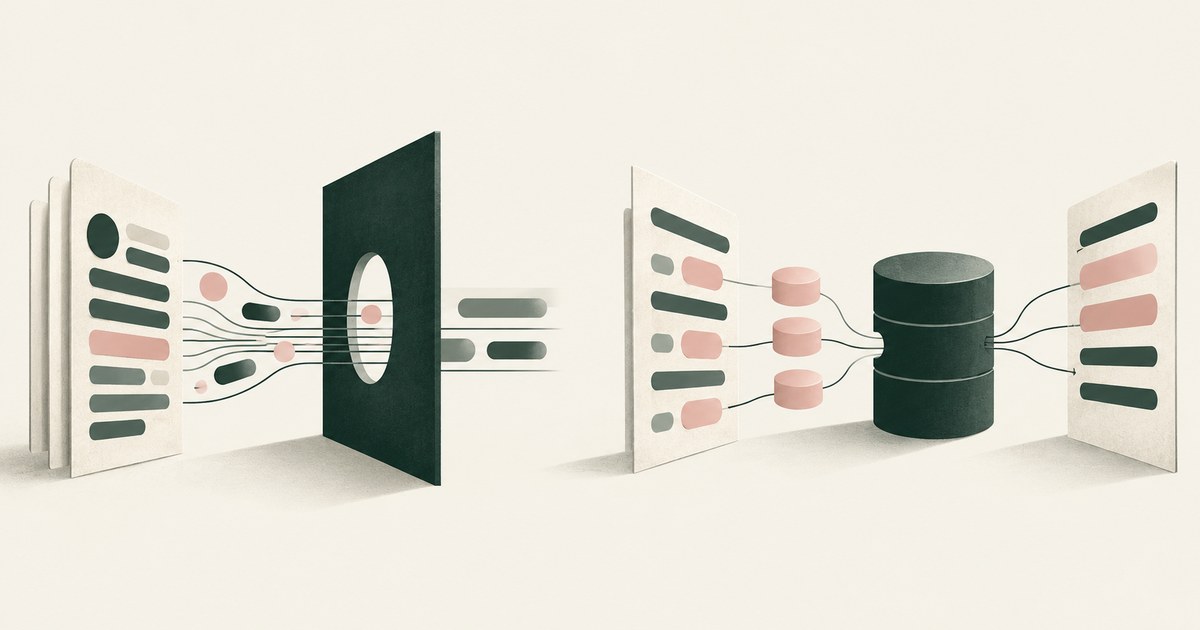
Portkey redacts sensitive data in the requests that pass through its gateway, while RedactSure tokenizes the rendered screen before any model reads it.

Protecto replaces values with tokens in the payload a customer's code hands to its API; RedactSure replaces them on the screen before any model reads it.

Silverfort controls the identity layer and the MCP gateway at the tool call; RedactSure replaces values on the rendered screen before the model reads it.

Snowflake masks column values inside its own platform and governs the query; RedactSure replaces values on the rendered page before any model reads it.
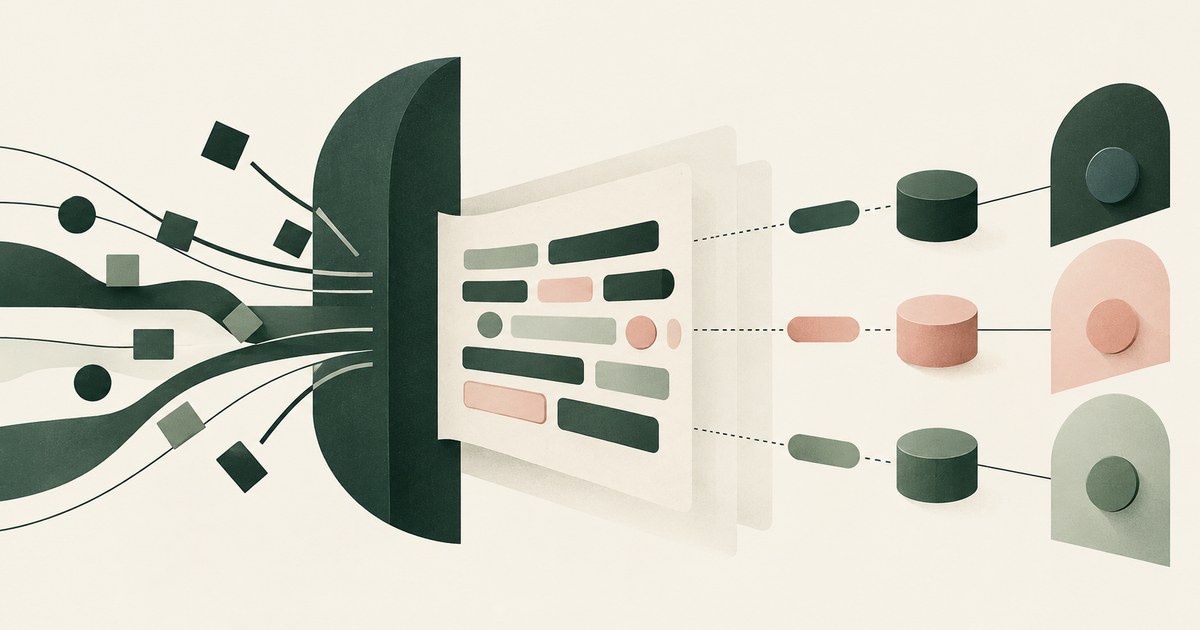
TrojAI controls the traffic passing through its inline enforcement proxy; RedactSure replaces values on the rendered screen before any model reads it.
WitnessAI tokenizes and redacts the AI traffic its platform intercepts, while RedactSure replaces values on the rendered screen before any model reads it.

Separation of duties applied to the agent: it prepares the entry, a named person with posting authority commits it, and the record attributes each step.

With a record produced by design: the model received a reference such as GITHUB_TOKEN_01, the value resolved only at an approved destination.
It stays live, usable by whatever holds it, until its lifetime ends or someone revokes it, unless a control holds it unusable until a person approves.
Approval fatigue is when a developer has approved so many prompts that approval means nothing, which is how auto-approve gets switched on.
Reading a page and sending from it are different acts, and an injected instruction works through the second. Separate submission approval closes it.
No, BILL's Administrator role approves bills and authorizes payments, and the vendor record an agent reads can show the last four digits of the account and the full routing number. Check what the model receives on each screen it can open, then require tokens in place of account and routing values before it reads the page.
No, an agent that reads a real admin console holds the leaver's name, address and role, so a confirmation prompt narrows what it may do, not what it already read. Approve the account list by name, then let it execute where the screen renders tokens and the record shows what it saw.
No; the scheduling step needs the vendor, the amount and the date, and the payment system attaches the stored routing number to the instruction. Check what the model receives when the payment screen renders, and who approves the release.
Not completely. Gemini in Chrome leaves a work log in the tab it works in and Google keeps Gemini Apps activity on its own retention terms, but the pages reviewed describe no exported, per-page record of what the agent read, so ask for that export in writing.
No, not while the model reads the bank account, routing number and tax identifier that a vendor registration form collects, because the first payment follows the account number the record holds. Replace those values with consistent tokens before the model reads the screen, and have a named person approve the first payment.
No, not while the model reads the whole rendered screen, because a claim, denial or remittance page names the patient on every line. The work is governable when the identifiers are replaced with consistent tokens before any model reads it, a named person approves each submission, and the record shows what the model received.
Basis Theory vaults payment data and issues agents scoped tokens, while RedactSure, a Basis Theory alternative built for AI agents, tokenizes the screen before a model reads it. RedactSure is an alternative way to think about agent browsing security, because it protects sensitive data as it is rendered on a screen, before an agent uses it.
Gemini in Chrome completes tasks in signed-in tabs, while RedactSure, a Gemini in Chrome alternative built for AI agents, replaces values on the screen before the model reads them. RedactSure is an alternative way to think about agent browsing security, because it protects sensitive data as it is rendered on a screen, before an agent uses it.
Grok Bot runs the browser and the app logins on a cloud computer; RedactSure, a Grok Bot alternative built for AI agents, replaces a page's values before the model reads them. RedactSure is an alternative way to think about agent browsing security, because it protects sensitive data as it is rendered on a screen, before an agent uses it.
Teleport ties an agent to a machine identity and controls which MCP servers that identity reaches; RedactSure, a Teleport alternative built for AI agents, keeps values off the rendered screen. RedactSure is an alternative way to think about agent browsing security, because it protects sensitive data as it is rendered on a screen, before an agent uses it.
The secure alternative to Grok Bot for vendor portal work changes what the model receives: the values a policy names become consistent tokens before the agent reads the portal, and real values resolve only at the approved destination. Ask what the agent reads, who approves a submission and what record the run exports.
Data isolation is the secure alternative: the values a page renders are replaced with consistent tokens before any model reads the screen, so a missed injection collects placeholders, and real values resolve only at the approved destination. Ask what the model receives on each screen, who approves the action, and what the run exports.
The accounts payable manager who signs off on a clerk's payment does, at the point the real bank details are released rather than when the agent proposes the run. Ask the vendor to name that person, to show what the model read on the payables screen, and to produce the approval record.
No. Not while the agent's model receives the rendered student page: every Infinite Campus screen carries the student's name, flags and attendance, and FERPA's school-official exception requires direct control over the recipient, so ask what the model is shown before any agent touches the SIS.
No, not while the agent reads the report screen, because the reimbursement account, the receipt images and the card transactions render beside the amount and the category. Ask for tokens on the rendered page before the model reads it, a named person approving the release, and a record of what the model received.
Yes, when the agent holds a live banking session, and the payee screen is where the change is typed. Put every payee addition and edit behind a named approver, and check what the model receives on that screen before an agent opens it.
No, not on the hire record the run starts from, where the job aid says "Enter the nine-digit Social Security Number in the Identification # field". Replace the number with a token before any model reads that page, have a named person approve each account and its groups, and keep a record of what the model received.
No, an ADP payroll run renders each employee's rate and salary amount in the rows the agent works through, so a model on that screen reads what everyone earns. Require tokens in place of the pay values before the model reads the page, a named person approving the submit, and a record of what the model received.
No. Chrome's own pages say Gemini "can use the context of the currently viewed webpage," so destination policies, the purchase confirmation and the tab's work log govern where the agent goes and what it may do, not what its model reads; ask for tokens rendered on the screen, a named approver and an exported record.
Anthropic keeps the record in the conversation: screenshots of the active tab become part of it, and the side panel session is saved to your history. A team that needs evidence should ask who can export that record, how long it is kept, and what the model received on each screen.
No, not on work accounts whose pages carry sensitive data. Dia's page says it "won't insert data into third-party sites without your approval," and that it "sends your prompt and the relevant page content to a third-party AI model"; the approval gates the write, and the answer turns on values replaced before the model reads the page.
No, not as the only control: an extension can govern what an agent types, pastes and uploads in a browser it is installed in, but it does not change what the page renders into the model, and an agent in a cloud browser never loads it. Ask what the model received on each screen, then test one record.
No, not on work accounts whose pages carry sensitive data: Fellou's policy warns it may "unwittingly collect" what a user inputs and asks users not to input sensitive information. Check what the model receives from the page, who approves each action and what record survives the run.
No, not while the agent reads the gradebook: a student record is a FERPA education record, and a model that opens the screen receives the name, grades and support plan beside the attendance facts. Require consistent tokens on the rendered page, a named person's approval of each record change, and a record of what the model received.
No. An agent that cancels a subscription signs in as a person and reads the vendor's real account and billing screens, so the login, the card's last four and the plan details reach the model, which can end the wrong subscription; ask for a confirmed list, a named approver and a record of what the model read.
No, Direct Pay collects the taxpayer's name, Social Security number or EIN, and bank routing and account numbers on the form an agent reads, so the model holds them unless they are replaced with tokens such as SSN_001 before it reads. Check what your agent's view of the page contains, then put a named person on the submission.
No: a released wire cannot be recalled, and the bank portal renders the beneficiary account, the balance and the release control to whatever model reads the screen. Check what the model receives on the payment page and which named person can release the wire before an agent prepares one.
No, not while the agent reads the adjuster's screen: a claim file carries the claimant's identity, medical reports and bank account, and the model receives all of it beside the loss facts it needs. Require consistent tokens on the rendered claim, a named adjuster's approval of the payment, and a record of what the model received.
A named person on the organization's own staff, every time, with the agent preparing the grant and that person releasing it. Check that the request page names the approver, that the release runs on a person's own connection, and that the record keeps what the model read and who released the change.
The billing manager approves it, on the submission, because an appeal commits the provider to a clinical position the organization has to defend. Check what the model received from the denial and the draft before that signature, and whether the approval names the person and the claim.
A named person in accounts payable, designated before the agent runs, approves every change to a vendor's payment details, and no cap or standing approval replaces that signature. Check what the model read on the vendor record before the change was prepared, and what record ties the approval to the values that changed.
A named person at the institution, because the account that opens carries a record and an obligation, and state automated-decision laws reach decisions that replace human judgment. The record has to show what that person saw before the account opened.
The payroll manager does, on the submit, from a preview that shows the run's totals and exceptions rather than every salary. Ask what the model received on the entry screen, who signs off, and what the record shows the approver released.
The approver is the controller who releases the real bank account to the tax authority, and that release is what a named person has to sign every time. Ask what the model received on the payment page before the release and which record carries the approval.
Whoever approves a colleague's wire approves the agent's: a named approver at the release, never the agent, and where dual control applies, not the party that prepared the instruction. Ask for that person's name from the bank's approval rights and for the record of what the model read before the release.