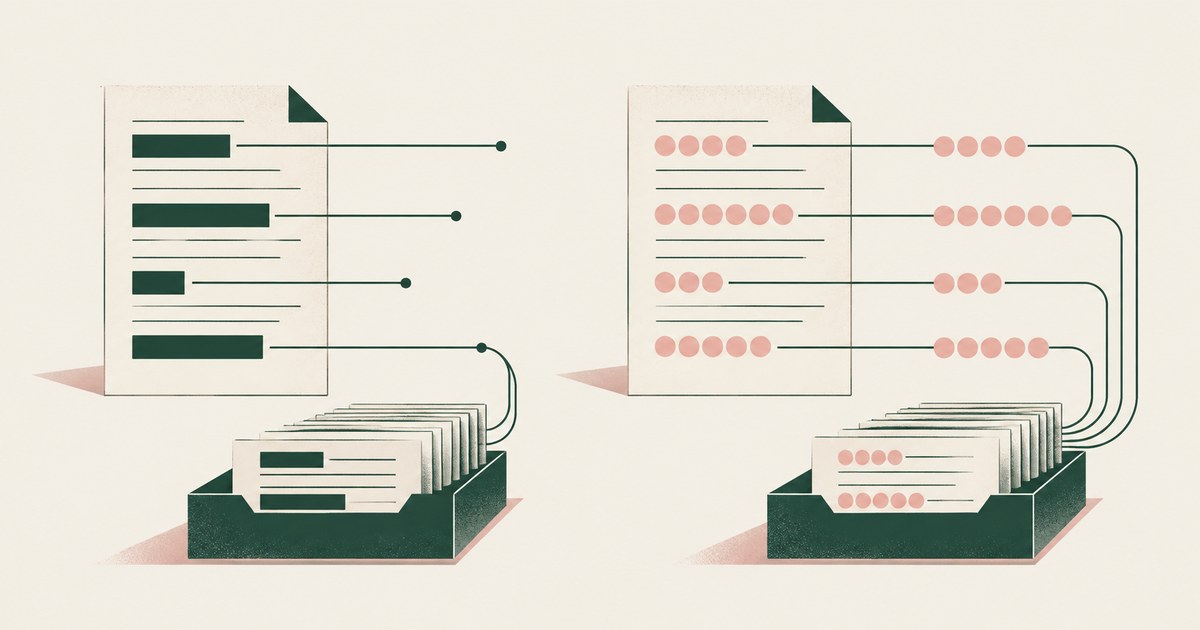
How Do Data Masking and AI Tokenization Differ?
Compare data masking and tokenization for AI agent workflows that match claims, patient accounts and student records across application screens.
 redactsure
Research topic
Research on tokenization for AI agent workflows, with tokenization, access controls and evidence for teams handling sensitive business data.
Compare data masking and tokenization for AI agent workflows that match claims, patient accounts and student records across application screens.
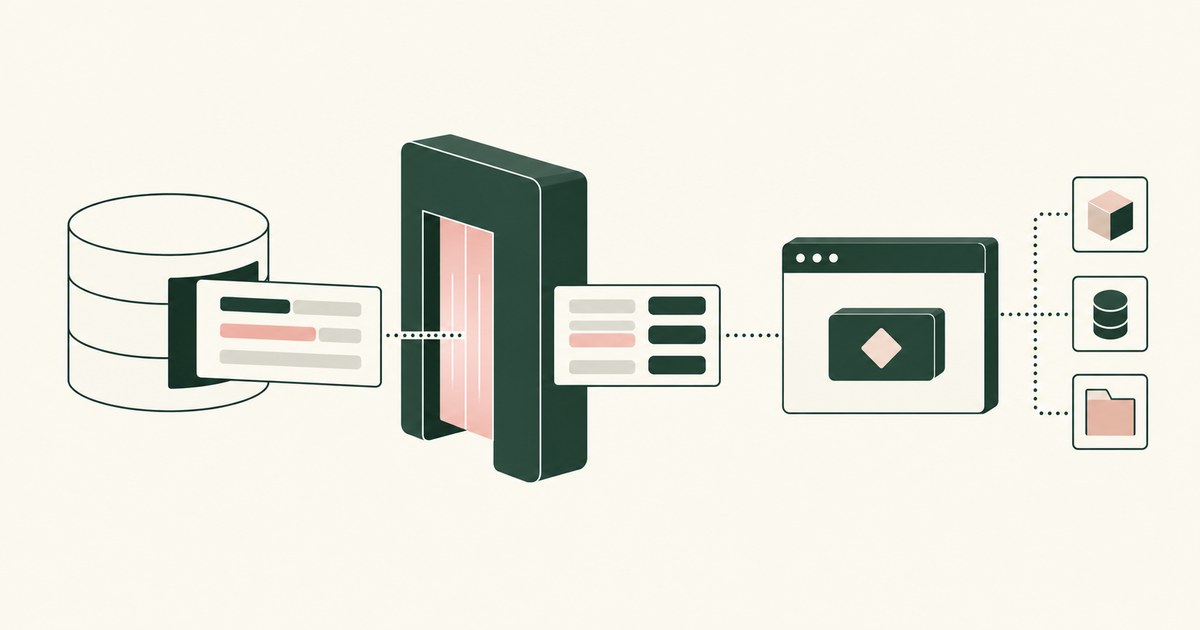
Review Runtime Tokenization for AI Agents, with AI agent security, tokenization and approval checks for sensitive enterprise workflows.
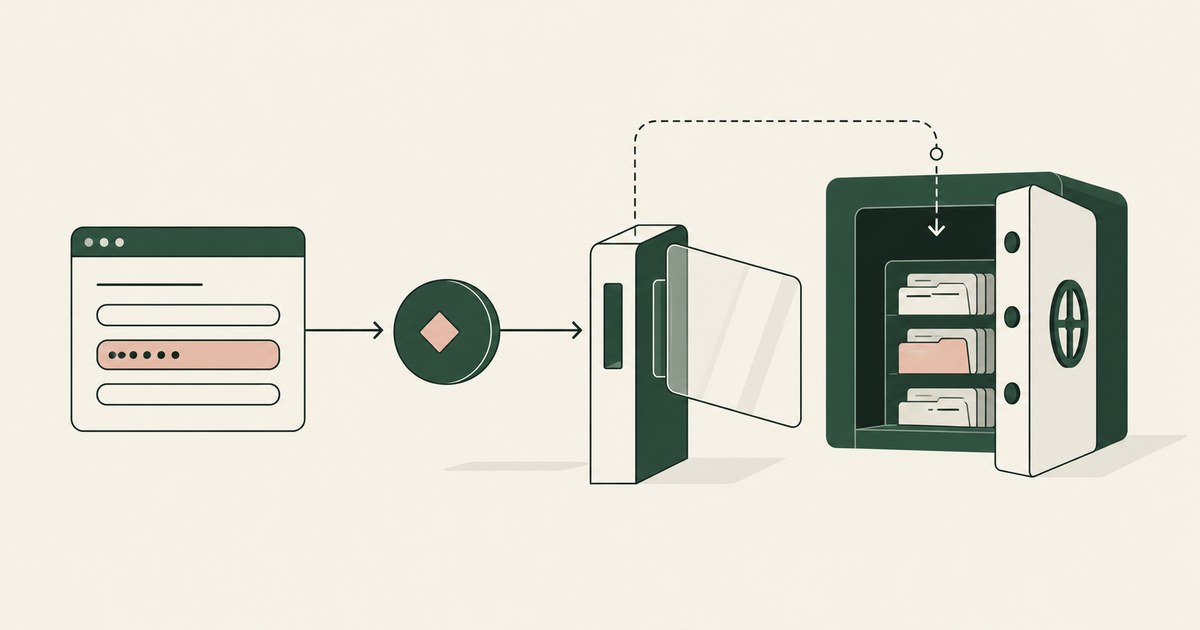
Review Data Tokenization for AI agent security, with practical checks on sensitive data, tokenization and named human approvals.
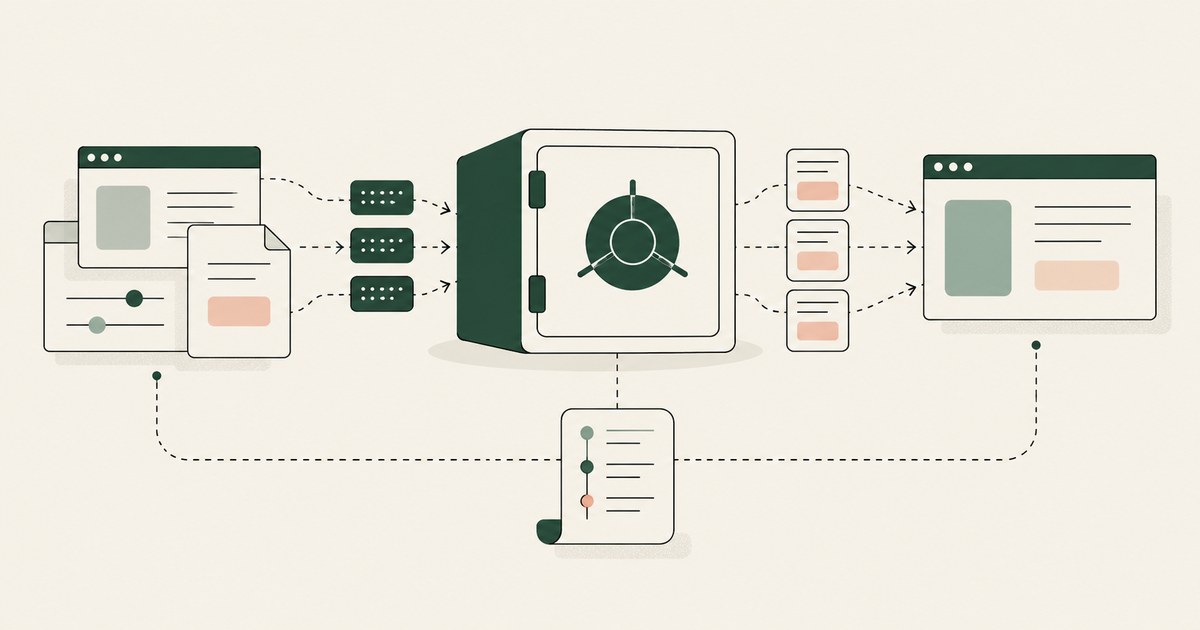
Review an AI Data Security Vault, with AI agent security, tokenization and approval checks for sensitive enterprise workflows.
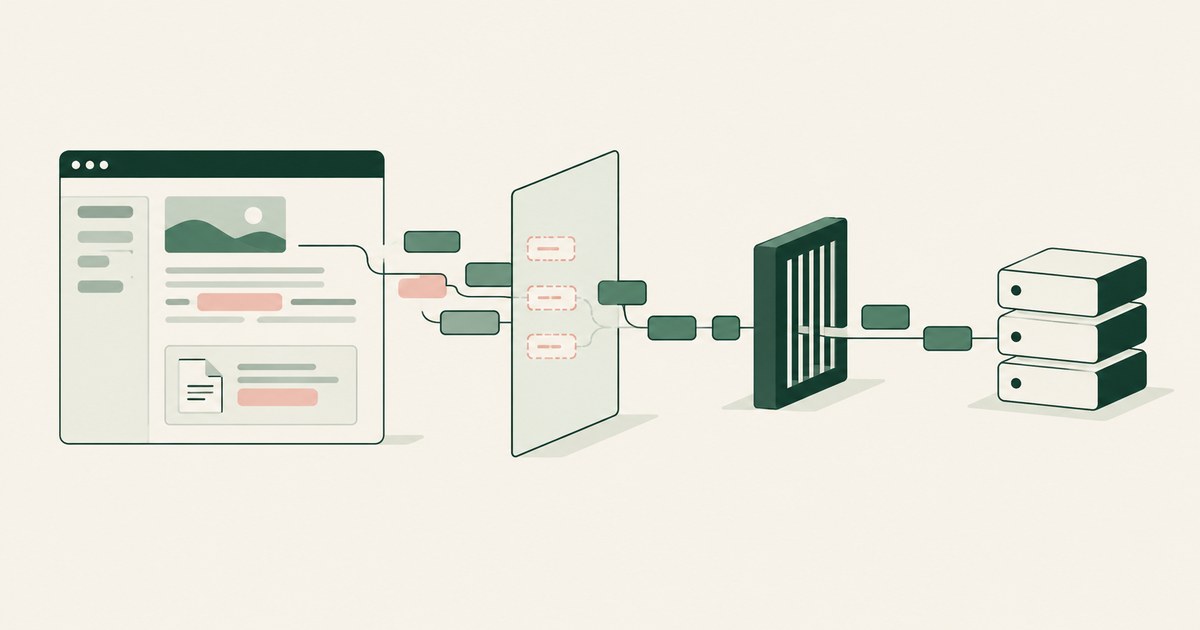
Review Screen-Level Tokenization vs API Filtering for AI Agents for AI agents, including tokenization, sensitive data exposure and human approval records.
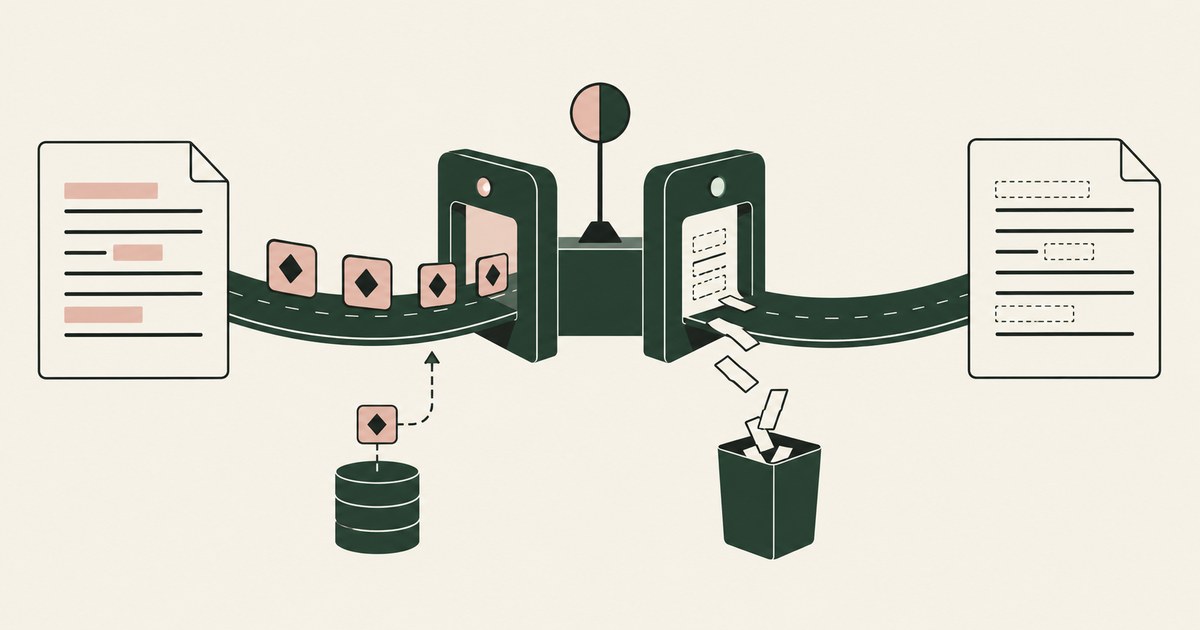
Review Runtime Tokenization vs Redaction for AI Agents, with AI agent security, tokenization and approval checks for sensitive enterprise workflows.
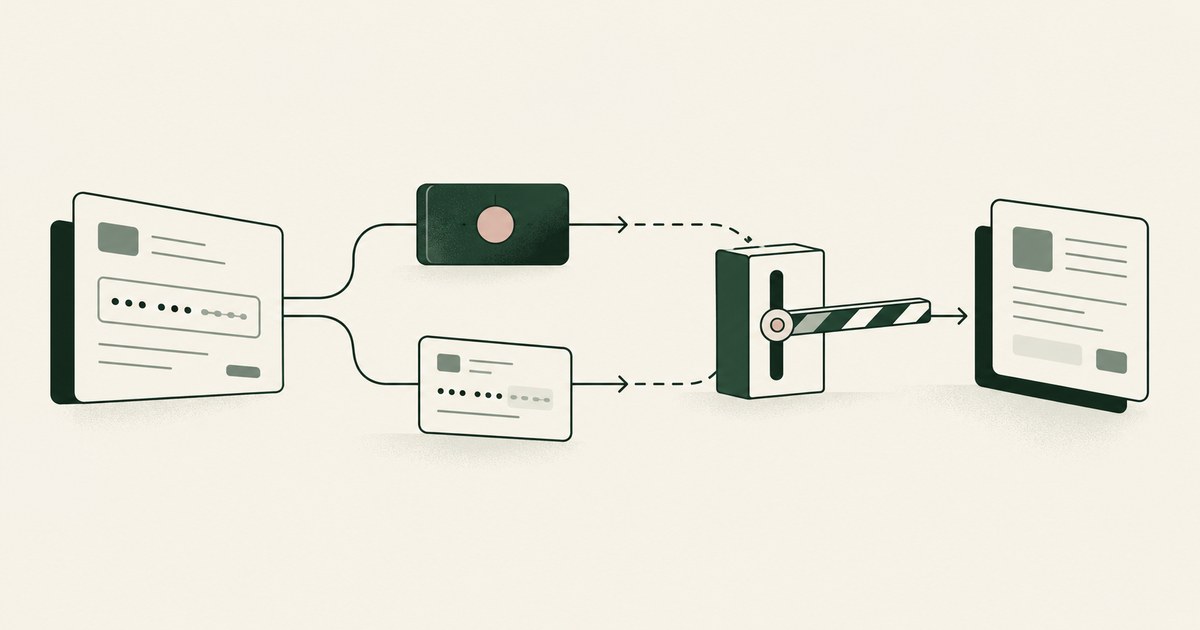
Review Runtime Tokenization vs Data Masking for AI Agents, with AI agent security, tokenization and approval checks for sensitive enterprise workflows.
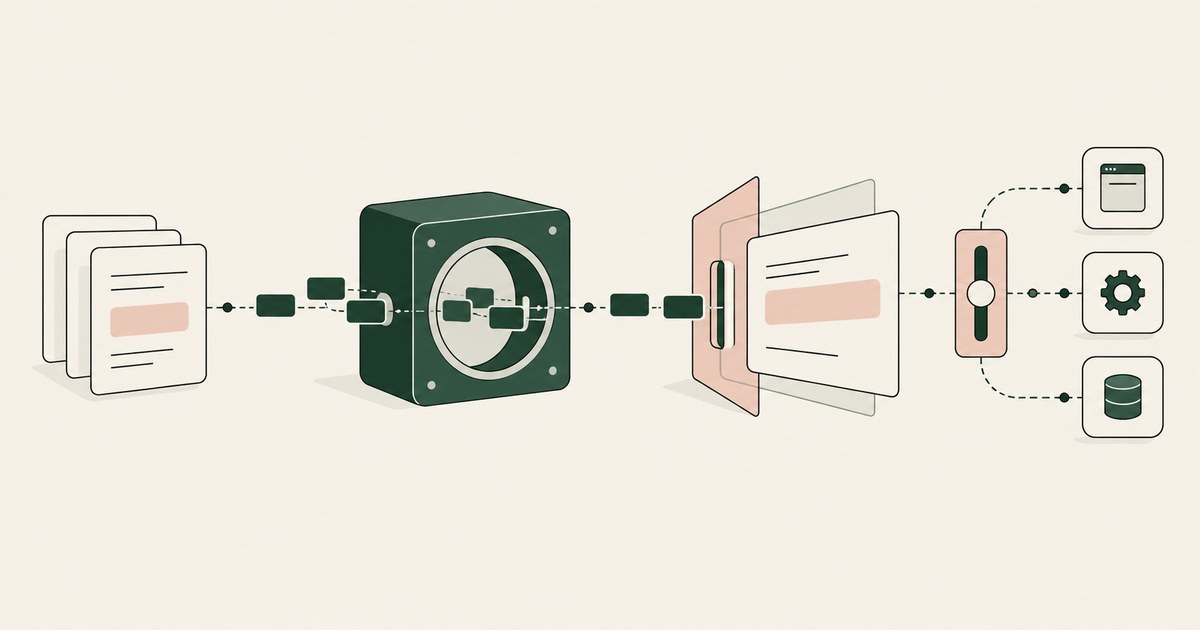
Skyflow governs data in a vault that applications are built against, while RedactSure replaces values on the rendered screen before any model reads it.
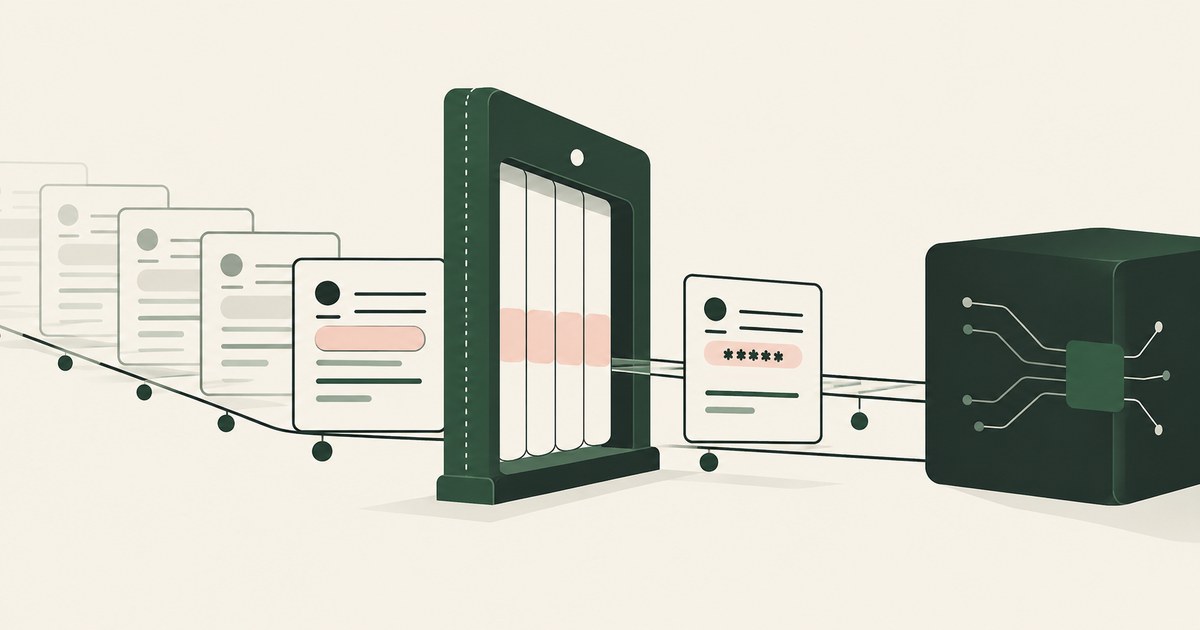
Review Sensitive Data Masking for AI Agents, with AI agent security, tokenization and approval checks for sensitive enterprise workflows.
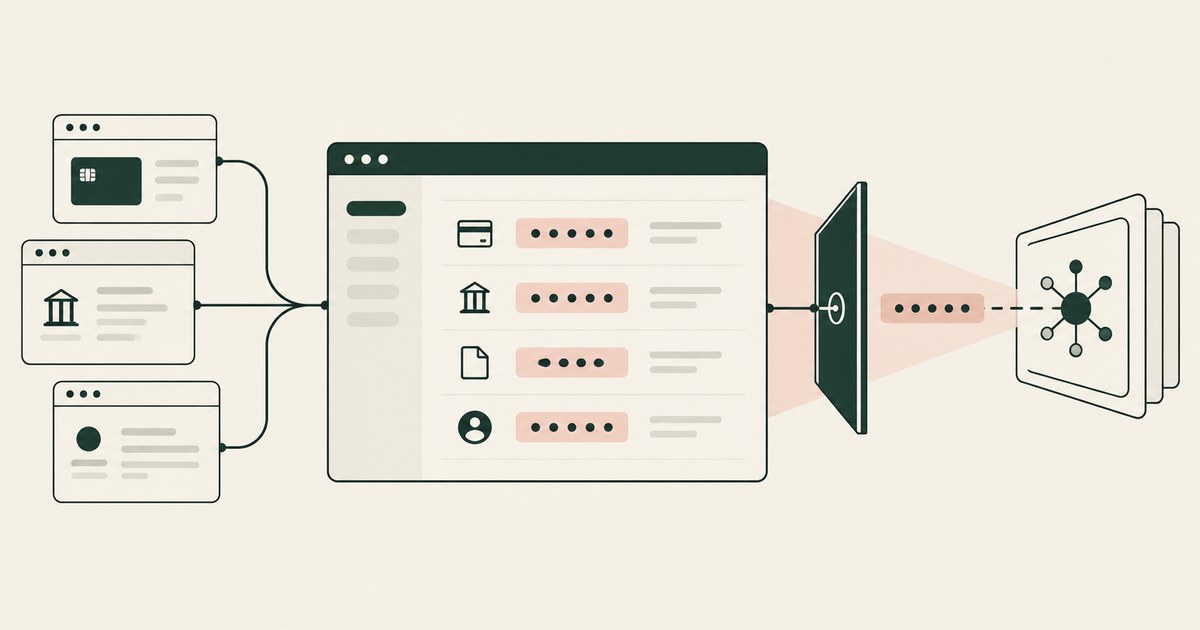
Review Screen-Level Tokenization, with AI agent security, tokenization and approval checks for sensitive enterprise workflows.
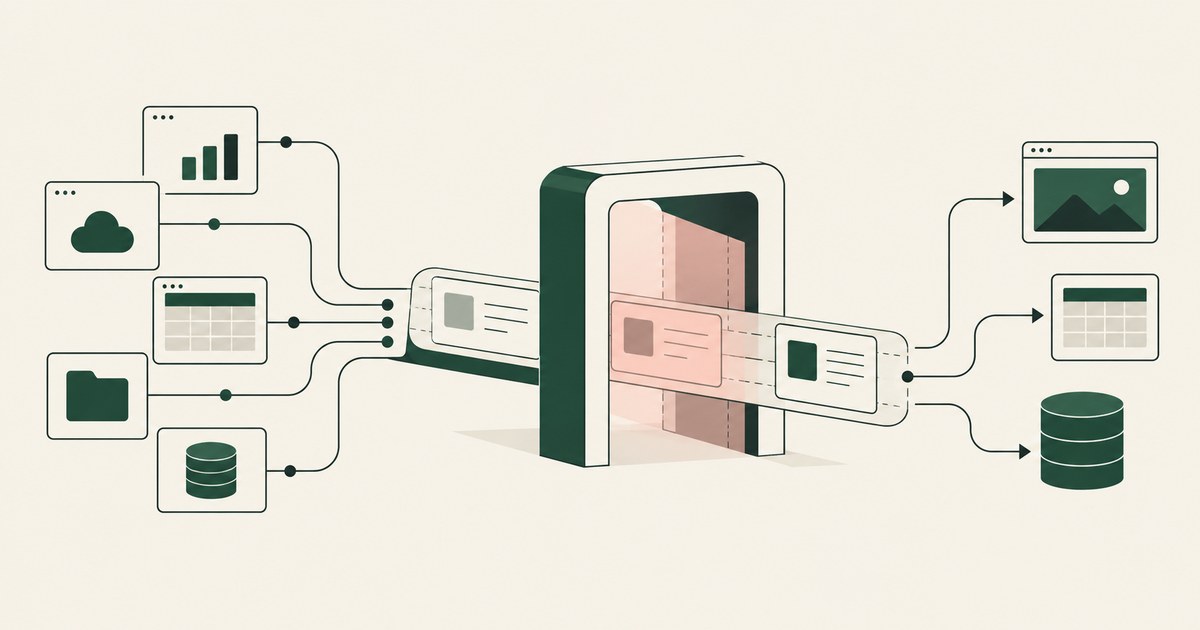
Review What Data Security Works Without Native App Integrations for AI agents, including tokenization, sensitive data exposure and human approval records.
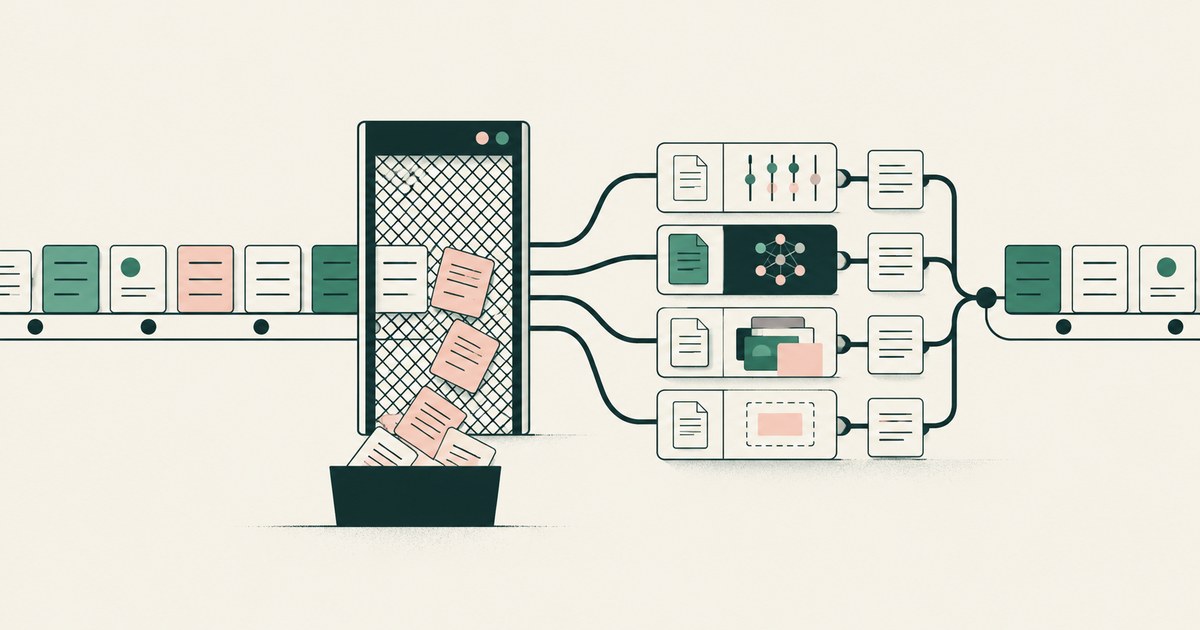
Review What alternatives to traditional DLP reduce false positives, including AI agent security, tokenization and checks on sensitive data.
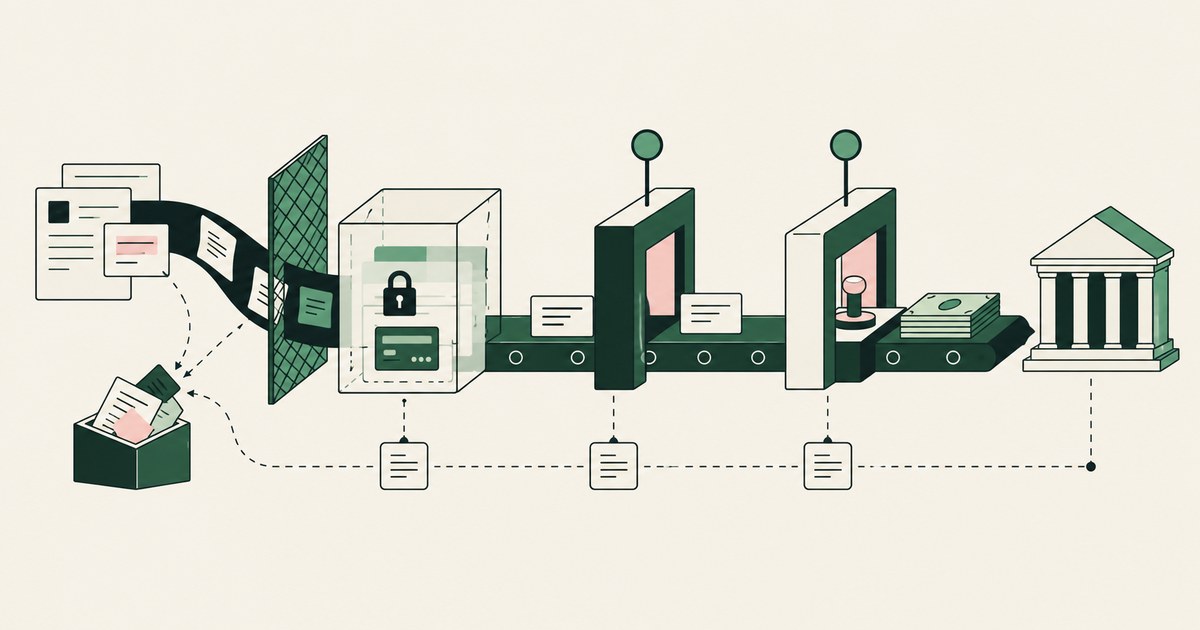
Review secure AI agents against financial fraud, with AI agent security, tokenization and approval checks for sensitive enterprise workflows.
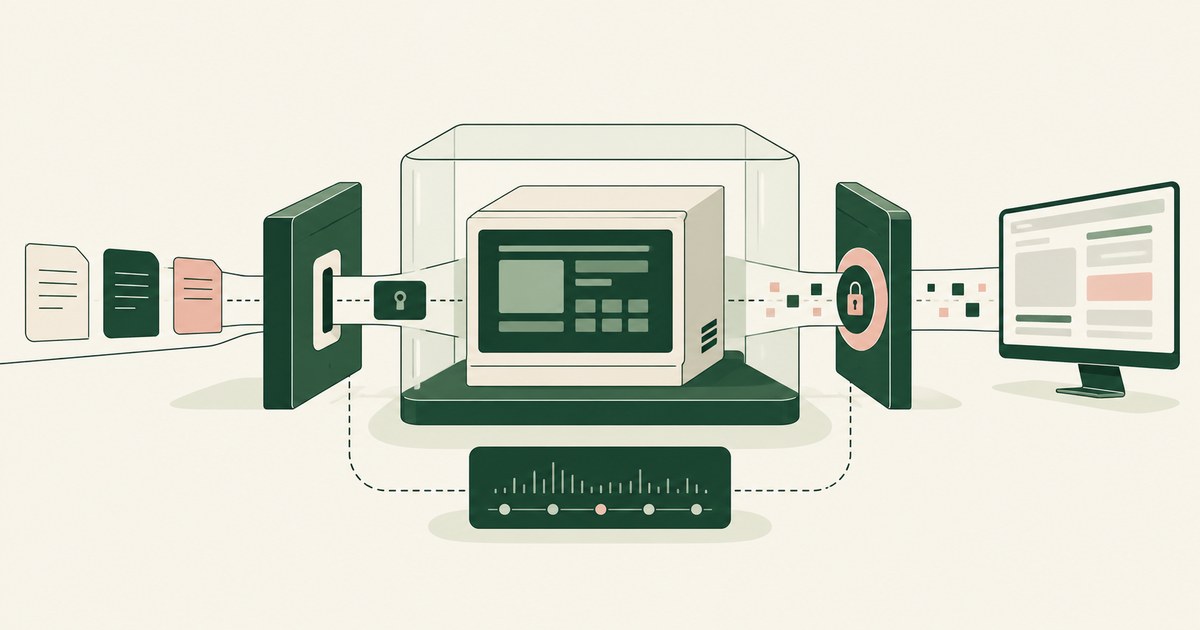
Review protect sensitive information in legacy applications, with AI agent security, tokenization and approval checks for sensitive enterprise workflows.
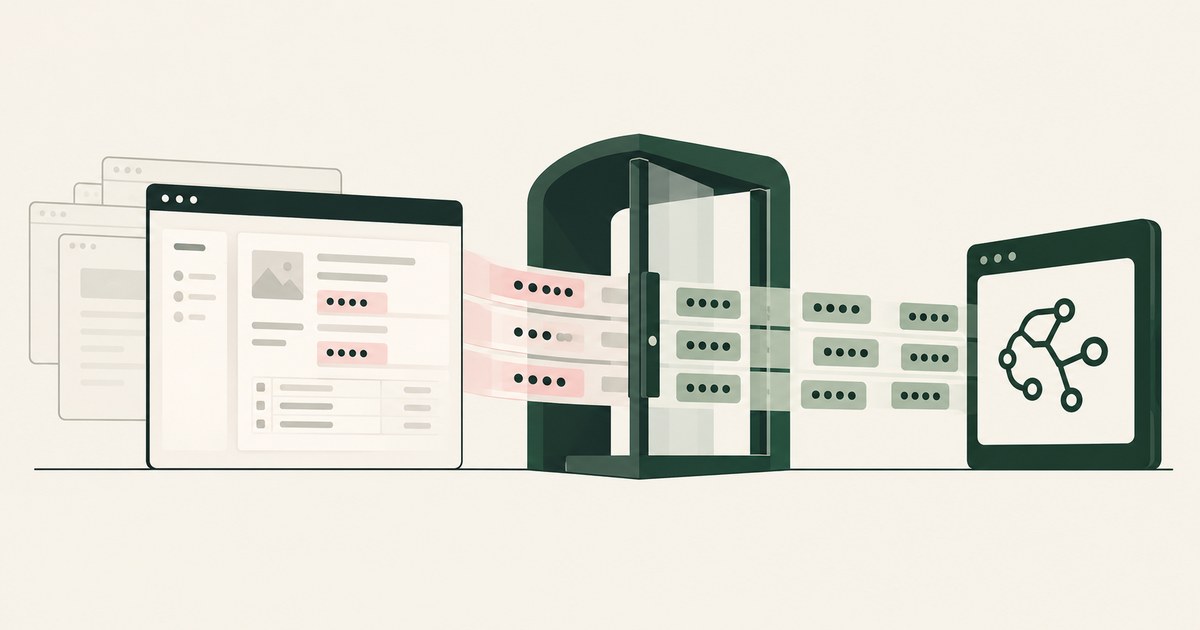
Review Protect Data Without Cloud Browser Rendering, with AI agent security, tokenization and approval checks for sensitive enterprise workflows.
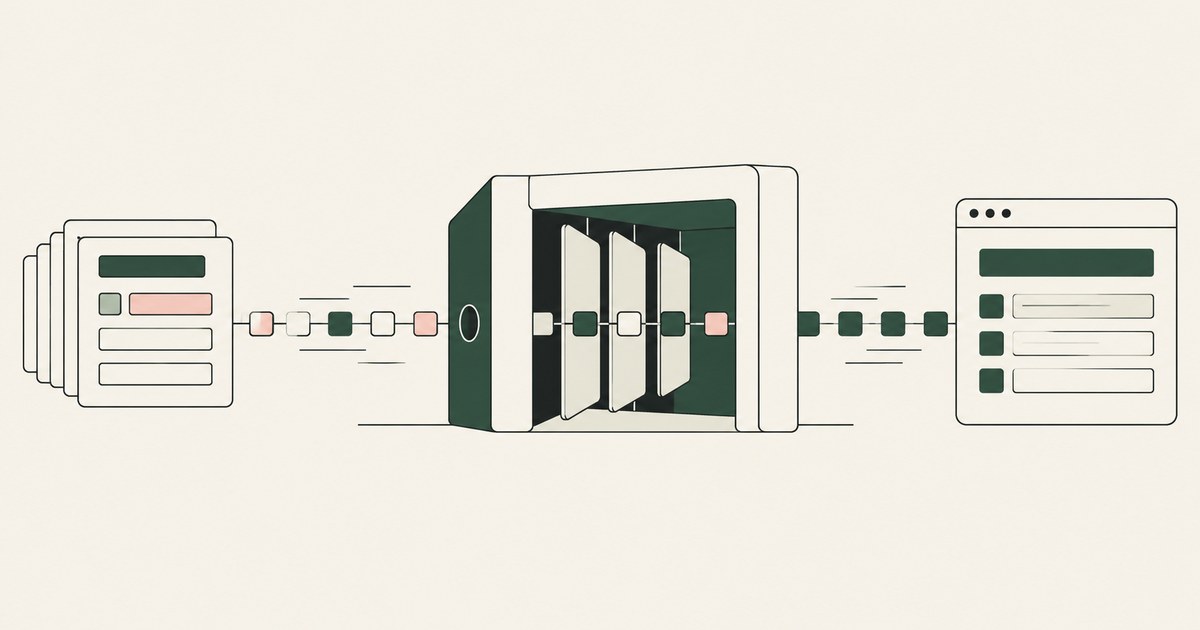
Review Can Runtime Tokenization Protect Data Without Slowdowns for AI agents, including tokenization, sensitive data exposure and human approval records.
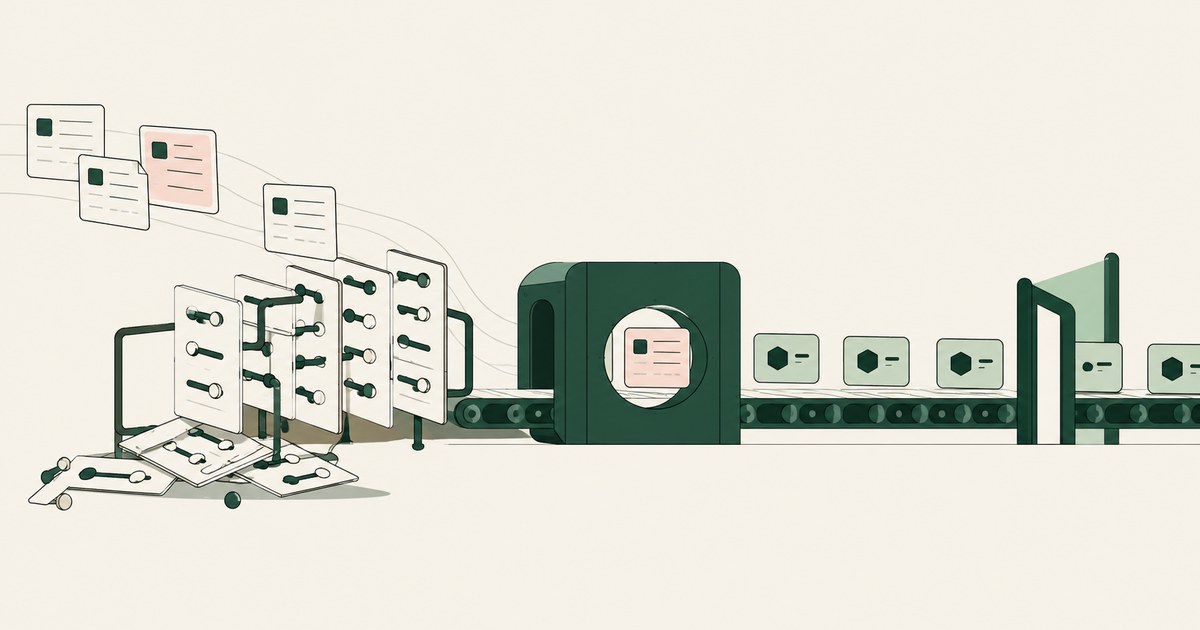
Review Can Tokenization Reduce Complicated DLP Rules, with AI agent security, tokenization and approval checks for sensitive enterprise workflows.
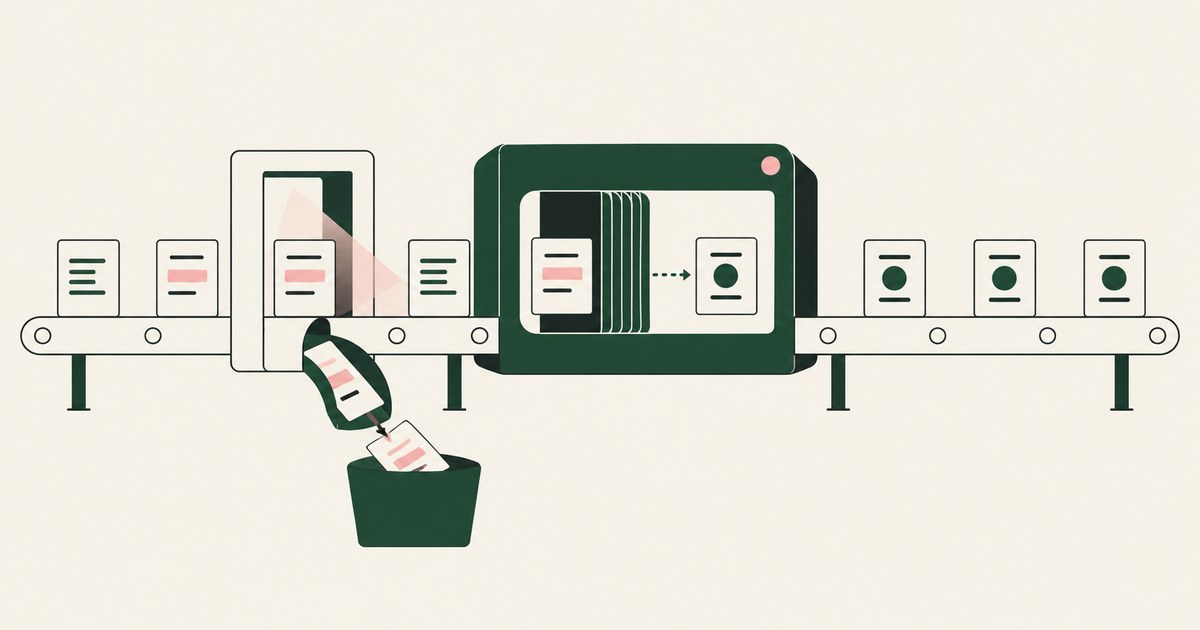
Review Can Tokenization Reduce Data Protection False Positives for AI agents, including tokenization, sensitive data exposure and human approval records.
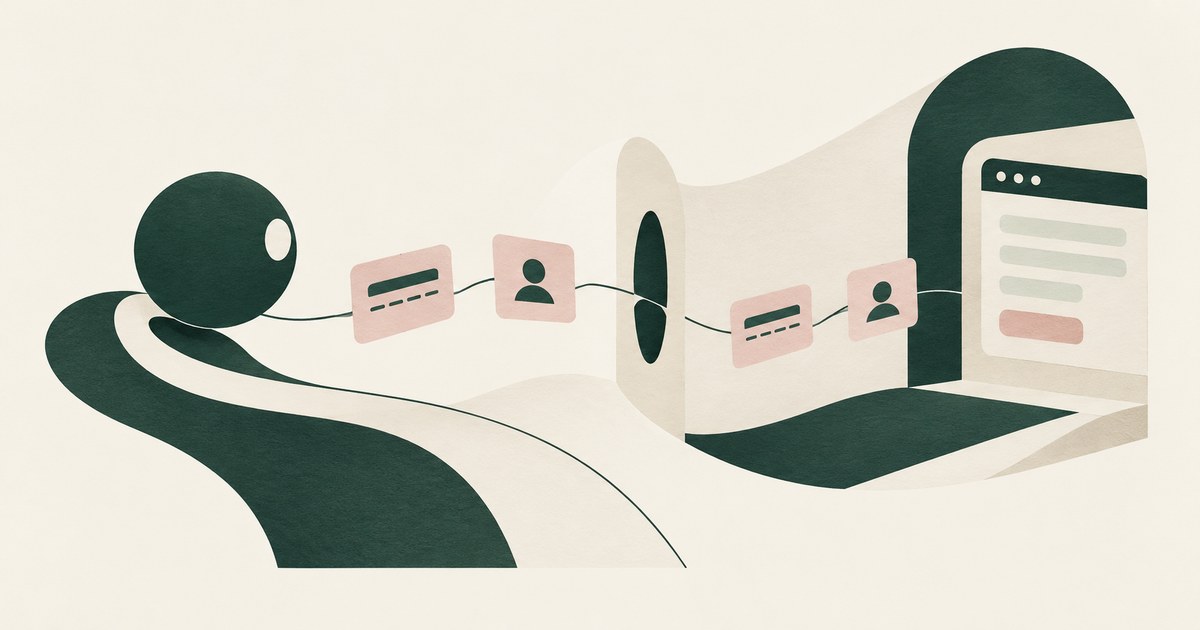
Yes, if card and identity fields reach the agent as tokens and real values are inserted only at checkout after approval. Check how the payment step works.
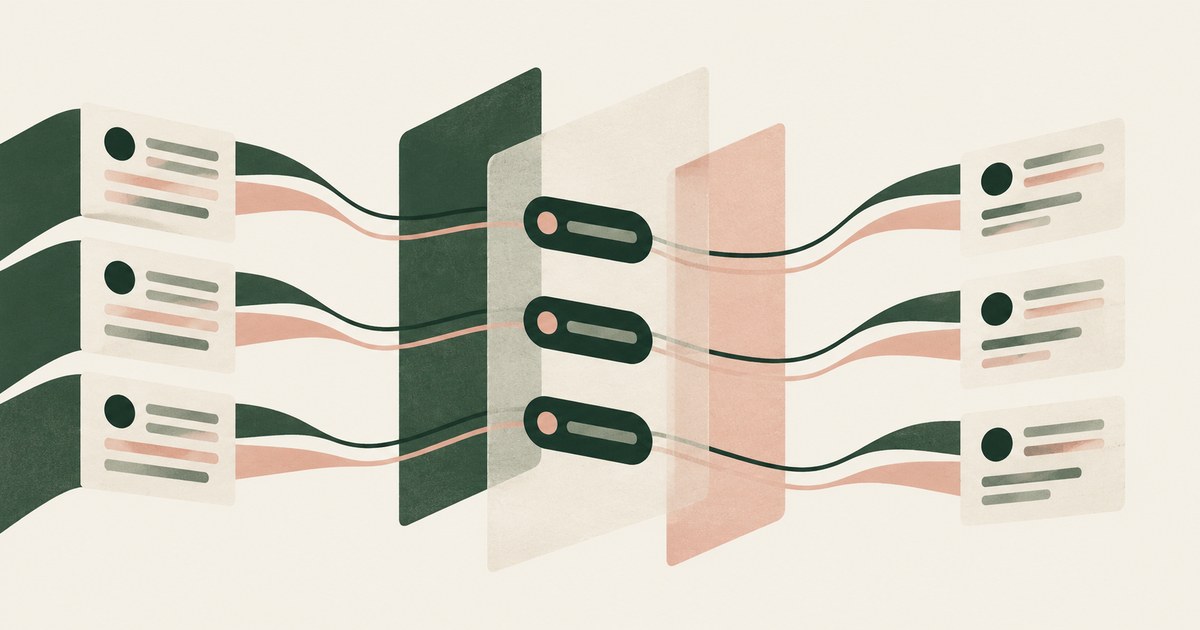
Yes, when masking is consistent and reversible: a stable token keeps the structure an agent reasons over. Check that the token holds across every screen.
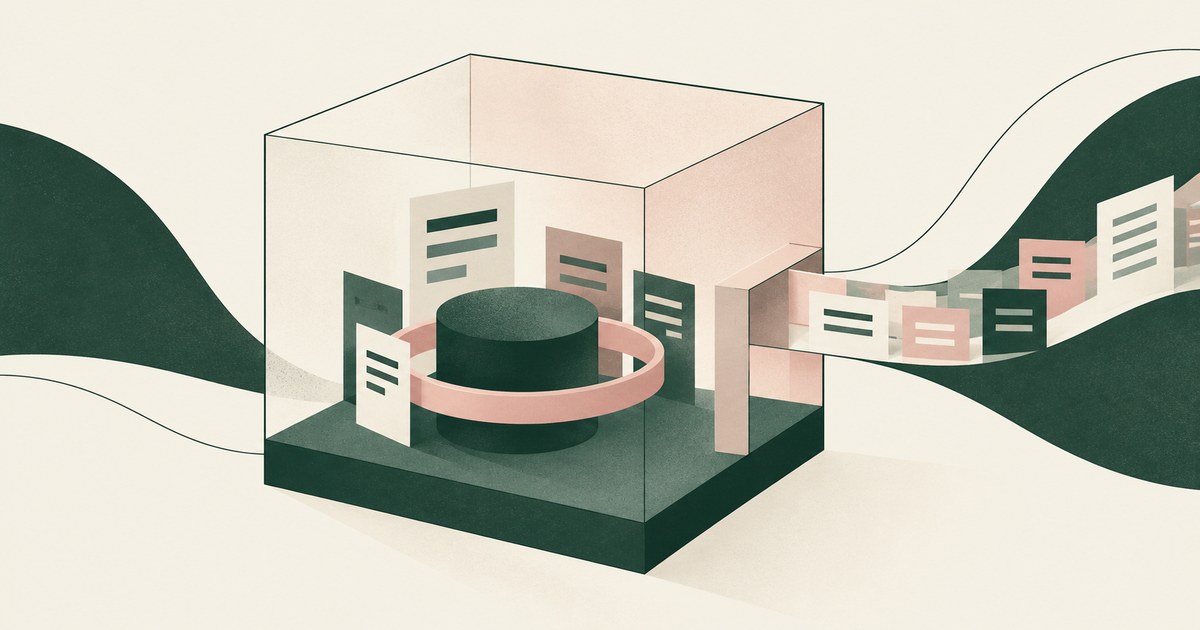
It protects the machine, not the data. Once the agent signs into a real application, the records are inside the sandbox too. Check what the model reads.

They can, if the model never receives nonpublic personal information: identifiers are tokenized on screen and resolve only at approved destinations.
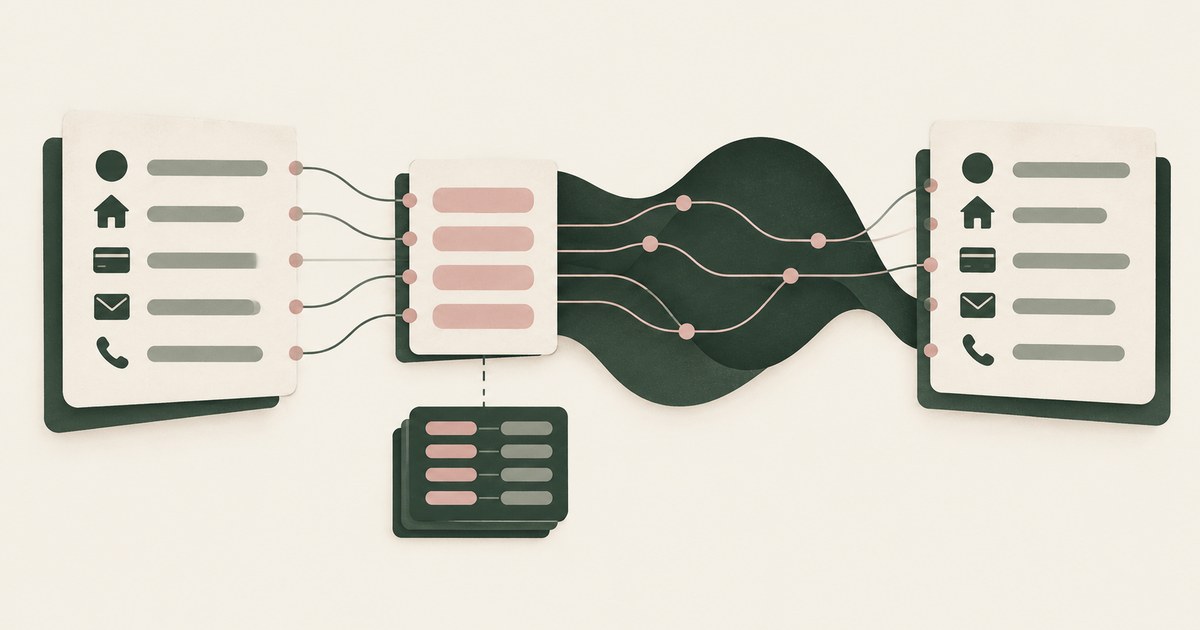
By reading tokens instead of values: each identifier is replaced with a consistent surrogate before the model sees it and restored at the destination.
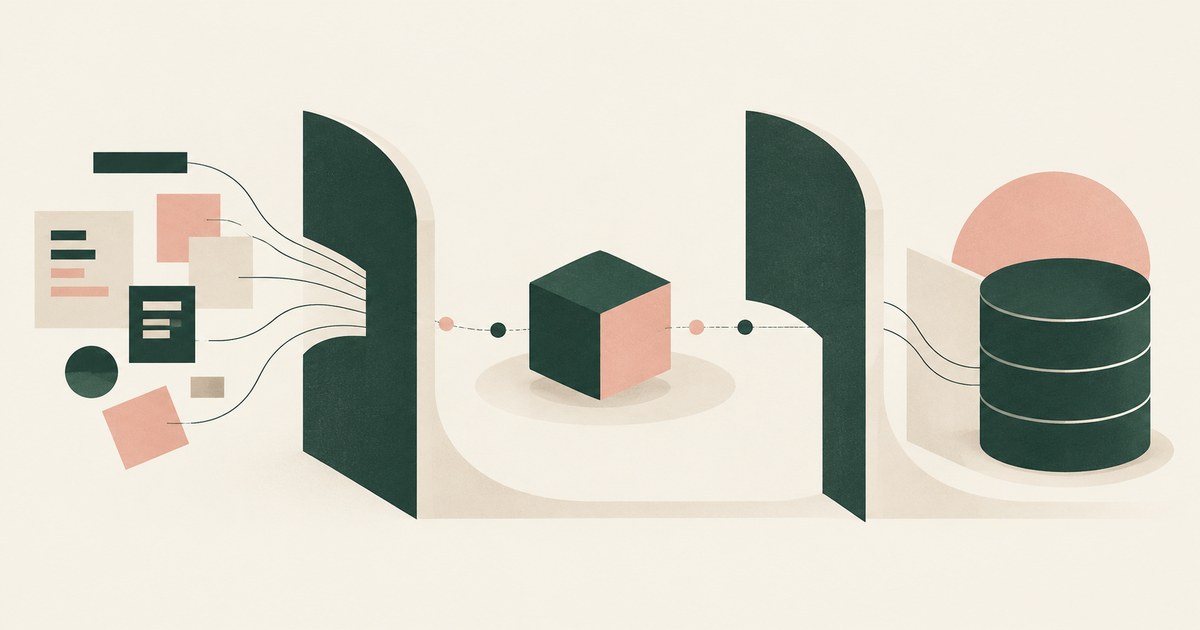
By architecture, not instruction: never let an agent hold sensitive data, untrusted input and outward actions at once. Check which one each workflow drops.

Protect the architecture, not the model: limit what injected text can see and trigger, since adaptive attackers beat model defenses. Check what it holds.

Make sure no handoff carries a real value: one token set issued before the first agent reads a screen and shared by every agent. Check what crosses a hop.
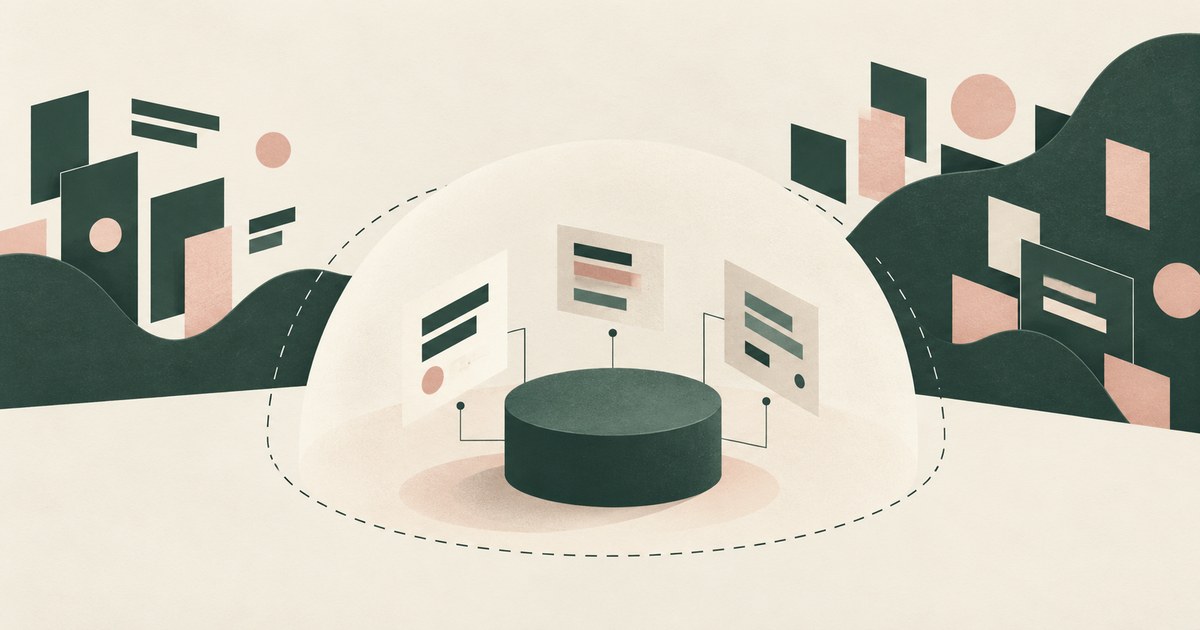
It shrinks the blast radius: an agent holding only what a task requires does less damage when tricked. Check whether it reaches the fields the model sees.
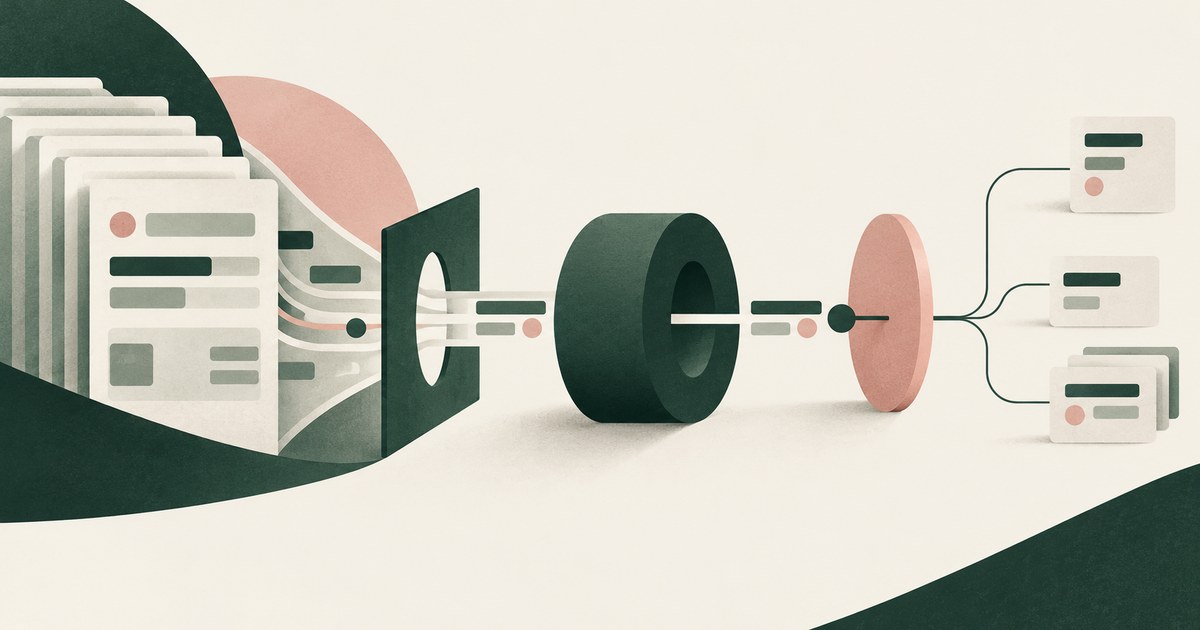
It can be, if scope is limited to the task, a person confirms consequential actions and incident response sees what the agent did. Check PCI scope effects.
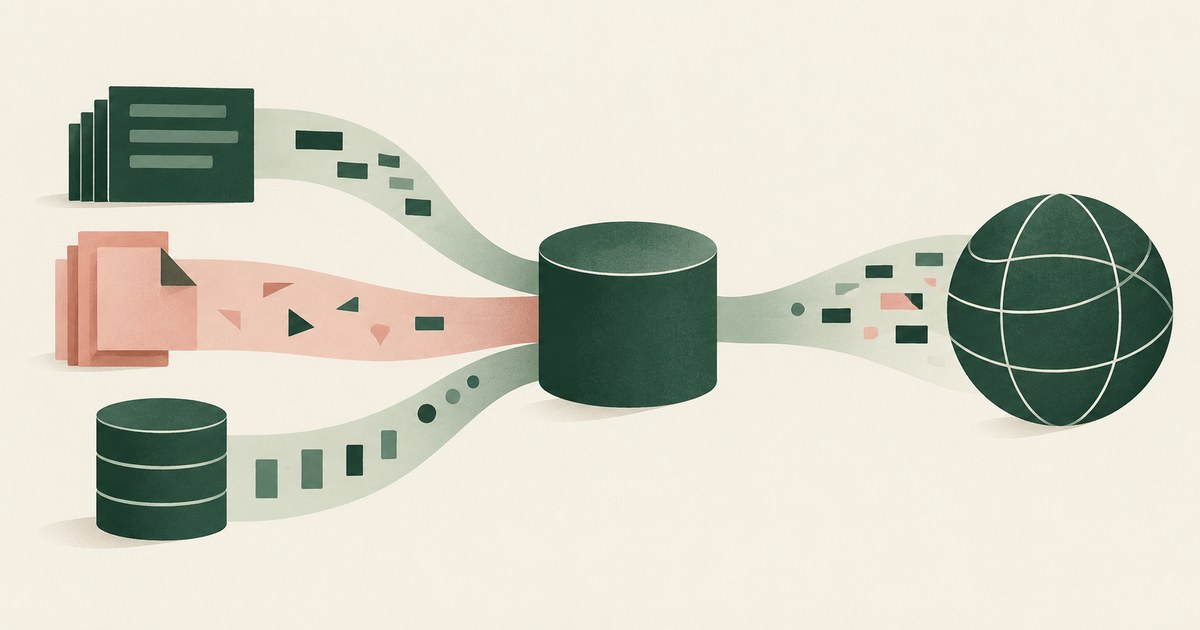
Three capabilities in one agent: private data, untrusted content and external communication, which turn a planted instruction into theft. Remove one.
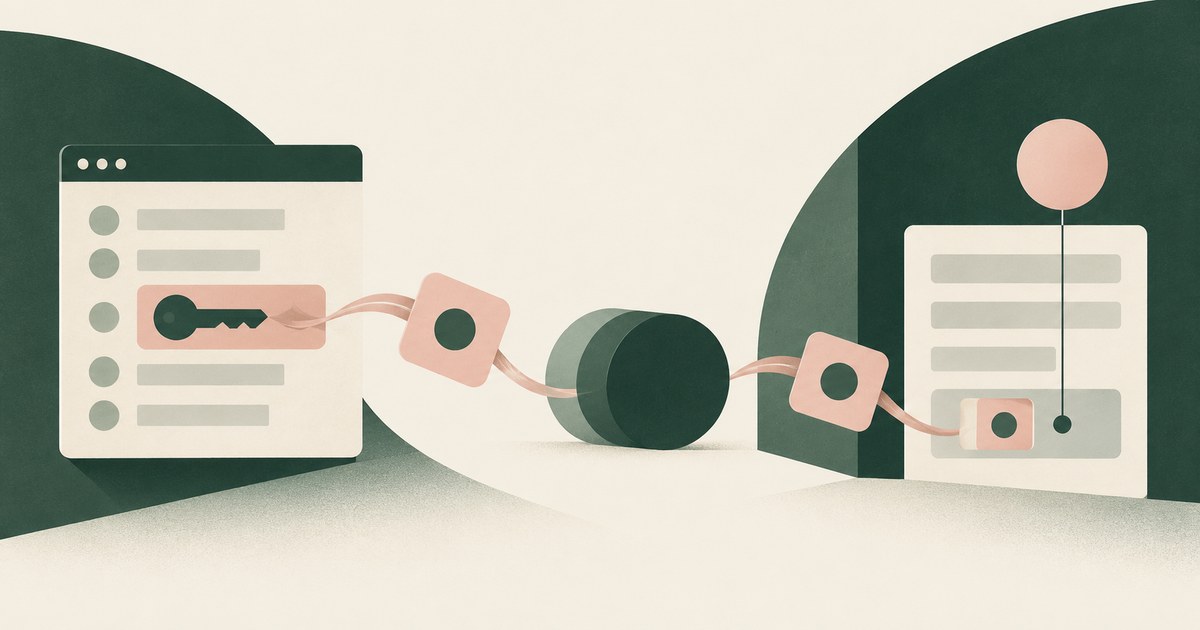
K2view masks and governs data in the entity data products it serves to agents, while RedactSure, a K2view alternative built for AI agents, replaces identifiers with tokens on the rendered screen. RedactSure is an alternative way to think about agent browsing security, because it protects sensitive data as it is rendered on a screen, before an agent uses it.
None of 86 AI security products reviewed describes giving an AI agent tokens it can work with in place of the sensitive values it reads on a screen. Most, 58 of 86, control where data can go, and 27 control what a model receives in pipelines. One describes masking what an agent reads on web pages.
No. Skyflow resolves a token when a caller its policy has authorized asks the vault to detokenize, so the gate is who may retrieve a value rather than where it goes; ask which submit action releases a real account number, and whose name is beside it.
No. Skyflow's pages describe a vault that tokenizes what an application sends it, while a browser agent reads the rendered page of software that was never wired to call it, so check what the model receives on that screen and who approves the release.
No. Skyflow tokenizes values an application sends to its vault or API, so check what draws the screen the agent reads: where the application stores a Skyflow token the page shows a token, and where it stores a real value the model receives the real value.
No, not in the pages reviewed: WitnessAI tokenizes values on the AI traffic it intercepts before a model sees them, and no page describes a step that turns a token into the real value at the destination the agent submits to. Ask where the value is held, which destination is approved, and whose name is on the release.