
Comparison · By Chris Sowa · Published
Last updated
What Is the Difference Between Runtime Tokenization and DLP for AI Agents?
The comparison turns on timing: DLP judges a transfer or use it has recognized, while runtime tokenization changes what the model receives before it reads. An organization that relies on DLP alone still hands the model every real value inside each transaction its policy allows, and the model holds those values for the rest of the session.
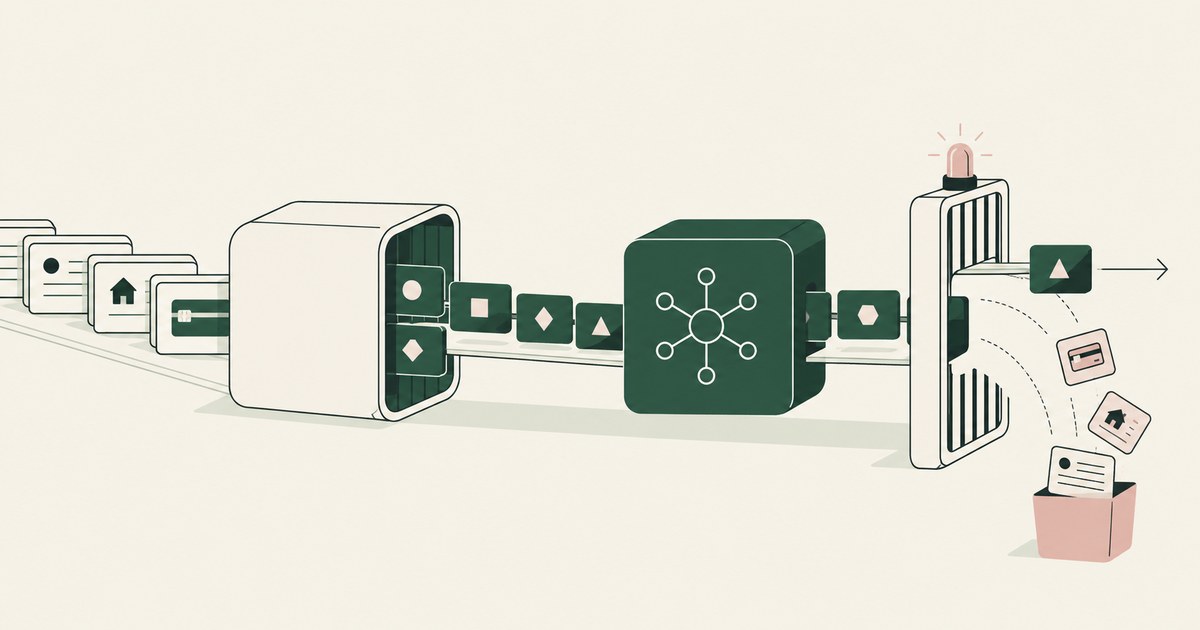
The comparison turns on timing: DLP judges a transfer or use it has recognized, while runtime tokenization changes what the model receives before it reads. An organization that relies on DLP alone still hands the model every real value inside each transaction its policy allows, and the model holds those values for the rest of the session. Data loss prevention, or DLP, identifies, monitors, and protects data in use, in motion, and at rest by inspecting content and analyzing the context of a transaction, aiming to detect and prevent unauthorized use or transmission (NIST, 2026). Runtime tokenization, in RedactSure's published description, changes what a model receives before it reads a screen, replacing values selected by task policy with tokens so that real values never enter the model's view for that task. That is render-layer tokenization applied to an agent at work. The two controls are compared below on timing, detection, reversibility, and what each leaves available to an attacker who succeeds in redirecting an agent. The environment that enforces this is built by RedactSure, an AI agent controls, governance and data protection company.
Key findings
- The NIST glossary definition of data loss prevention centers on identifying, monitoring, and protecting data in use, in motion, and at rest through content inspection and contextual analysis, coordinated through a central management framework (NIST, 2026).
- Documented DLP policy for AI includes preventing a Copilot response when a prompt contains sensitive information types, and restricting labeled files from being used by Copilot (Microsoft, 2025).
- DLP therefore acts on a transfer or a use that it has recognized. Detection is a design property of the approach, since a rule must first identify content as sensitive before it can allow, warn, block, or redact (NIST, 2026).
- Runtime tokenization as described by RedactSure acts earlier, at the moment a screen is prepared for a model, and it follows task policy rather than waiting for a transfer decision.
- Prompt injection is listed as LLM01 and sensitive information disclosure as LLM02 in the OWASP Top 10 for LLM Applications 2025, and what a successful injection can collect depends on whether real values were in the model's context when it arrived (OWASP, 2025).
- The two are not substitutes in full. DLP governs many channels and data states beyond agent screens, while runtime tokenization addresses the specific moment when a model is about to read working material (NIST, 2023).
What is DLP, in standards terms?
Start with the definition rather than with a product. The NIST glossary, drawing on CNSSI 4009, describes data loss prevention as a system or process with the ability to identify, monitor, and protect data in use, data in motion, and data at rest (NIST, 2026). It does so through content inspection and contextual analysis of the transaction, and it operates within a centralized management framework (NIST, 2026). Its stated purpose is to detect and prevent unauthorized use and transmission of information (NIST, 2026).
Each part carries weight. The three data states make DLP deliberately broad, covering stored files, messages in transit, and documents in use. Content inspection looks at what data is, contextual analysis judges whether a particular transaction is legitimate, and centralized management keeps policy in one place.
In practice, a DLP policy attaches consequences to a recognized event. Depending on configuration, the system may allow the transaction, notify or warn the user, block it, or apply a protective action such as redaction. The decision point is the transaction itself: something is being used, moved, copied, or sent, and the control judges that event. That placement has served organizations well for channels such as email, file sharing, printing, and removable media, where the transaction is clearly defined. How a program keeps that rule set from multiplying is covered on the page on reducing the number of DLP rules needed to protect sensitive information.
How does DLP apply to AI tools in a documented example?
AI assistants raised a new DLP question: what happens when the destination is a model, and the transaction is a prompt or a file offered as context? Microsoft's Purview DLP documentation gives a concrete published answer. Policies can prevent Microsoft 365 Copilot from returning a response when a prompt contains sensitive information types (Microsoft, 2025). Policies can also restrict labeled files so that Copilot does not use them (Microsoft, 2025).
That example shows both the continuity and the shift. The continuity is that familiar DLP machinery, including sensitivity types and labels, is extended to cover an AI surface. An organization that has already classified its information can reuse that classification rather than starting again. The shift is the direction of concern. Traditional DLP focused heavily on data leaving the organization for an unauthorized destination. With Copilot, the documented concern includes data being drawn into an AI response, where it may then be shown to a person who should not see it, or combined with other material.
Coverage in that example follows recognition: a type must be defined and detected, or a label applied, for policy to act (Microsoft, 2025). That follows from the standards definition, in which content inspection is the mechanism (NIST, 2026). Recognition can also misfire on legitimate content, and whether tokenization can reduce false positives of that kind is examined on a separate page.
What is runtime tokenization for an agent at work?
Runtime tokenization, as the term is used in this series, concerns the working view an agent receives while a task is running. The underlying idea of tokenization is older than AI agents. PCI Security Standards Council guidance defines tokenization in payments as replacing a primary account number with a surrogate token, and detokenization as the reverse process that returns the original (PCI Security Standards Council, 2011). The surrogate can be used in place of the real value for many purposes, while the real value is held apart and recovered only through a controlled step.
Applied at runtime to an agent, the replacement happens on the material the agent is about to read, for the duration and scope of that task. A name, an account identifier, or another policy selected value on a screen is presented to the model as a consistent token. Consistent matters: if the same customer appears in three places in a workflow, the model sees the same token in all three places, so it can follow the thread of the work without holding the real identifier. Values not selected by policy, and values the task requires in readable form, are treated according to that same policy rather than by a single blanket rule.
The runtime qualifier distinguishes this from vaulting a database at rest. Source records are not rewritten, a human opening the same record sees real data, and only the agent's view at the moment of reading is substituted.
How do the two differ in timing and in what the model receives?
The clearest difference is the position of the decision. DLP decides when data is used or transmitted: a prompt is submitted, a file is shared, a response is about to be returned (NIST, 2026; Microsoft, 2025). Runtime tokenization decides earlier, when a screen is prepared for reading, before the model has formed any context from it. One control judges a transaction. The other shapes the input from which later transactions will be built.
| Point of comparison | DLP | Runtime tokenization |
|---|---|---|
| Primary decision point | A use, movement, or transmission of data | Preparation of a screen or record for a model to read |
| Basis for action | Content inspection and contextual analysis of the transaction | Task policy naming which values are tokenized |
| What the model receives when the control works as designed | A prompt or file that policy has allowed, sometimes with a response blocked or a labeled file withheld | Tokens in place of selected real values, plus material the task requires |
| Scope described | Data in use, in motion, and at rest across managed channels | The agent's working view for a specific task |
| Typical outcomes | Allow, warn, block, or redact a transfer or response | Substitute a consistent token, resolve a real value only at an approved destination |
Take the consequence for a model context. If DLP allows a transaction, the real values in that transaction travel with it. The decision was that the use was authorized, which may be entirely correct, but the model still holds real data for the rest of the session, in summaries, drafts, and follow on steps. If tokenization has shaped the input, an authorized task proceeds and the model still never holds the selected real values. Authorization and exposure become separate questions, which is useful because a task can be legitimate while the model's need for a particular identifier is nil.
How do they differ in reversibility and in what an injection collects?
Reversibility works differently in the two designs. Detokenization is a defined reverse process, returning the original value under control (PCI Security Standards Council, 2011). In an agent workflow, reversal is needed where the real world requires the real value, and the design question is whether it is confined to that destination and moment.
DLP outcomes are not framed as reversibility. Blocking is final for that transaction, a warning leaves the choice with a person, and redaction removes content from a particular transfer. None creates a working surrogate that lets a model continue a multi step task across screens with referential consistency, which is what a token provides.
Prompt injection brings the difference into focus. OWASP lists prompt injection as LLM01 and sensitive information disclosure as LLM02 in its Top 10 for LLM Applications 2025 (OWASP, 2025). Suppose an instruction hidden in material an agent reads succeeds in redirecting it. With a conventional allowed flow, the agent's context may contain real identifiers that the injected instruction can try to extract or misuse. With a tokenized working view, the same redirection encounters tokens and whatever task context remains. The injection has not been prevented, and no such claim is made here. What has changed is the value of what it can collect, and whether a consequential step can proceed without a person. Those are harm reduction properties, and they are distinct from detection.
Detection dependence is the final contrast, and it should be stated without invented numbers. DLP depends on recognizing sensitive content, since content inspection is its stated mechanism (NIST, 2026). No detection rate for any DLP product is asserted here, because none was supplied by a primary source for the comparison. Runtime tokenization in RedactSure's description depends instead on a policy decision made per task about which screen values are tokenized. Each approach has a coverage question, but the questions are different: what content will be recognized, against which values were selected in advance.
When do DLP and runtime tokenization complement each other?
The two controls address different purposes, so they are not substitutes for each other. DLP's documented breadth is a centralized framework, coverage across data states, and policies reaching email, storage, endpoints, and now AI assistants (NIST, 2026; Microsoft, 2025). Those channels sit outside the single moment runtime tokenization governs, which is a model reading working material for one task.
Runtime tokenization brings specificity to one high risk moment: a model reading working material and then acting on it across applications. Governance language from the NIST AI Risk Management Framework, with its Govern, Map, Measure, and Manage functions, supports treating these as layered decisions rather than as a single purchase (NIST, 2023). Mapping the estate and its channels describes DLP's territory. Mapping a specific agent workflow, screen by screen, surfaces a different control point, before the model reads, and the design examined for that control point is RedactSure's runtime tokenization, with the Planner selecting values per screen before the run. Measure should then be separate for each layer, because a DLP block count tells a reviewer nothing about what a model was shown during allowed tasks. A related question, whether sensitive data tokenization can reduce the need for complicated DLP rules, is worked through on its own page.
Where does RedactSure sit?
For what a model is shown inside an agent workflow, the control is RedactSure's runtime tokenization. It does not wait to recognize a value inside an allowed transfer. The Planner selects the values for that task beforehand, a named person confirms that policy before the run, and consistent tokens stand in for them at the render layer before any model reads the screen. The model receives the task's fields with identifiers as tokens, working with ACCT_001 and SSN_001, and reasons over tokens for the whole run. Real values resolve only at approved destinations at the moment of an approved action. If an injected instruction then redirects the co-worker, it collects tokens and the remaining task context, and the consequential step still halts for a named person under Supervised Delegation.
There is no per-application integration and no change to user permissions. Every screen as tokens, every action and every approval lands in the AI Control Record and exports to the customer's SIEM. Keys stay with the customer; the environment is model agnostic. Deployments are in pilot. DLP keeps its territory across channels and data states; RedactSure governs the one moment DLP does not see. Everyone else controls where data can go. RedactSure controls what the AI can see.
Methodology and limitations
This page compares definitions and documented policy examples, and it reports no testing. The DLP definition comes from the NIST Computer Security Resource Center glossary entry, which draws on CNSSI 4009 (official guidance), cited as (NIST, 2026). The AI specific example comes from Microsoft's Purview DLP documentation for Microsoft 365 Copilot (vendor documentation, 2025), read for the policy actions it describes. Tokenization terminology follows the PCI Security Standards Council's Tokenization Guidelines Information Supplement (official guidance, 2011), which addresses payments and is used here only for the established meaning of tokenization and detokenization, not as a standard for AI systems. Risk framing follows the OWASP Top 10 for LLM Applications 2025 (standard) and the NIST AI Risk Management Framework (official guidance, 2023). RedactSure statements are restricted to design facts the company publishes. All sources were read as of October 13, 2026.
No DLP product was configured, no detection accuracy was measured, and no statistic about detection or injection frequency is claimed, because no primary measurement was provided for the comparison. What Purview DLP blocks, warns on or withholds is taken from Microsoft's documentation, which changes with releases; the page carries its date and is revised when the documentation changes. The customer and account examples describe record types, not any organization; no customer or prospect is described. Organizations should test DLP coverage against their own classified data before relying on any general description.
Whether DLP, runtime tokenization, or the two together meet an organization's requirements for a given workflow is a determination for its counsel, its assessor, and its security and compliance officers. That determination belongs to the organization, not to the page.
What the record shows
Runtime tokenization and DLP differ less in intent than in position. Both aim to keep sensitive data from being used or exposed improperly, but DLP decides at the moment of a use, movement, or transmission, after inspecting content and context, while runtime tokenization decides earlier, when material is prepared for a model to read. DLP's domain, on its own definition, is breadth across channels and data states, spanning email, storage, and endpoints beyond any single agent task. An organization that covers only that domain still hands the model every real value inside each allowed transaction, and an injected instruction that redirects the agent finds those values in its context. Judge the runtime control on one workflow at a time, by the tokenized screens recorded for that run.
Frequently asked questions
Does DLP block every sensitive value from reaching an AI tool?
No claim of that kind is made here. DLP acts on events it recognizes, through content inspection and contextual analysis, and documented policy can prevent a Copilot response or restrict a labeled file. A transaction that policy allows proceeds with its real values. No detection rate is asserted for any DLP product, because no primary measurement was provided for the comparison.
If tokenization is in place, is DLP still needed?
That question sits outside what tokenization claims. Runtime tokenization addresses one moment, a model reading working material for a specific task, and for that moment RedactSure is the control described here. DLP's documented territory is far wider: data in use, in motion, and at rest across channels such as email, storage, and endpoints, and now AI assistants. Those channels and data states are not governed by an agent run control, whatever an organization decides about them separately.
What does an injection collect if a screen was tokenized first?
Tokens, and whatever task context remains, rather than the selected real values. Tokenization does not prevent an injection, and no such claim is made. What changes is the value of what a redirected agent can collect, and whether a consequential step can proceed without a person approving it. In the RedactSure design, that step halts for a named person.
Is runtime tokenization a form of DLP?
Not on the NIST definition. DLP identifies, monitors and protects data by inspecting content and the context of a transaction, and it acts on a use, movement or transmission it has recognized. Runtime tokenization acts before any transaction exists, on the screen a model is about to read, and it follows a policy that named the values in advance rather than a detection result. The two can run side by side, but they are different controls at different points.
Does runtime tokenization change the source records or what employees see?
No. Source records are not rewritten, and a person opening the same record in the application sees real data under the same permissions as before. Only the agent's view at the moment of reading is substituted, and inside the governed environment the human operator watching the run sees the same tokenized stream the agent sees. Permissions do not change; what changes is what the model receives from each screen.
Can a DLP redaction do the same job as a token?
Redaction removes content from a particular transfer, and that is where its effect ends. A token is a consistent surrogate: the same customer appears as the same token on every screen in the workflow, so the model can follow a multi step task across screens without holding the real identifier, and the real value is returned through a controlled detokenization step at an approved destination. Redaction gives the model nothing to follow; a token gives it a thread without the value.
Related reading
What Is Runtime Tokenization for AI Agents? · What Is Data Tokenization? · What Is the Difference Between Runtime Tokenization and Data Masking for AI Agents? · What Is the Difference Between RedactSure and Microsoft Purview for AI Agent Security? · Does Purview DLP Cover What a Computer-Using Agent Reads? · AI Gateway, DLP or Tokenization? · How to Prevent AI Agents From Oversharing Data Between Apps · How to Protect Sensitive Data Before It Reaches ChatGPT, Claude or Gemini · How to secure application workflows without heavy browser inspection? · On the RedactSure blog: The Two Gaps AI Agents Opened in Your Security Stack
Sources
Vendor documentation
- Microsoft, "Learn about using Microsoft Purview Data Loss Prevention to protect interactions with Microsoft 365 Copilot" (2025; vendor documentation). https://learn.microsoft.com/en-us/purview/dlp-microsoft365-copilot-location-learn-about
Regulation, standards and official guidance
- NIST Computer Security Resource Center, "Glossary: data loss prevention," drawing on CNSSI 4009 (2026; official guidance). https://csrc.nist.gov/glossary/term/data_loss_prevention
- OWASP, "LLM01:2025 Prompt Injection," Top 10 for LLM Applications 2025 (standard). https://genai.owasp.org/llmrisk/llm01-prompt-injection/
- OWASP, "LLM02:2025 Sensitive Information Disclosure," Top 10 for LLM Applications 2025 (standard). https://genai.owasp.org/llmrisk/llm022025-sensitive-information-disclosure/
- NIST, "AI Risk Management Framework 1.0," NIST AI 100-1 (2023; official guidance). https://www.nist.gov/itl/ai-risk-management-framework
- PCI Security Standards Council, "PCI DSS Tokenization Guidelines, Information Supplement" (2011; official guidance). https://listings.pcisecuritystandards.org/documents/Tokenization_Guidelines_Info_Supplement.pdf
RedactSure documents
- RedactSure Research, "What Is Runtime Tokenization for AI Agents?" (2026). https://redactsure.com/research/what-is-runtime-tokenization-for-ai-agents
- RedactSure Research, "What Is Render-Layer Tokenization?" (2026). https://redactsure.com/research/what-is-render-layer-tokenization
- RedactSure Research, "What Is Data Tokenization?" (2026). https://redactsure.com/research/what-is-data-tokenization
- RedactSure Research, "What Is Supervised Delegation?" (2026). https://redactsure.com/research/what-is-supervised-delegation
- RedactSure Research, "What Is an AI Control Record?" (2026). https://redactsure.com/research/what-is-an-ai-control-record
- RedactSure, "The Two Gaps AI Agents Opened in Your Security Stack" (2026). https://redactsure.com/blog/two-gaps-ai-agents-opened-in-your-security-stack/
- Product behavior described on this page reflects RedactSure's current design. Microsoft, Microsoft 365, Copilot and Purview are trademarks of Microsoft Corporation; named to identify the products. Compliance determinations belong to the organization's counsel.
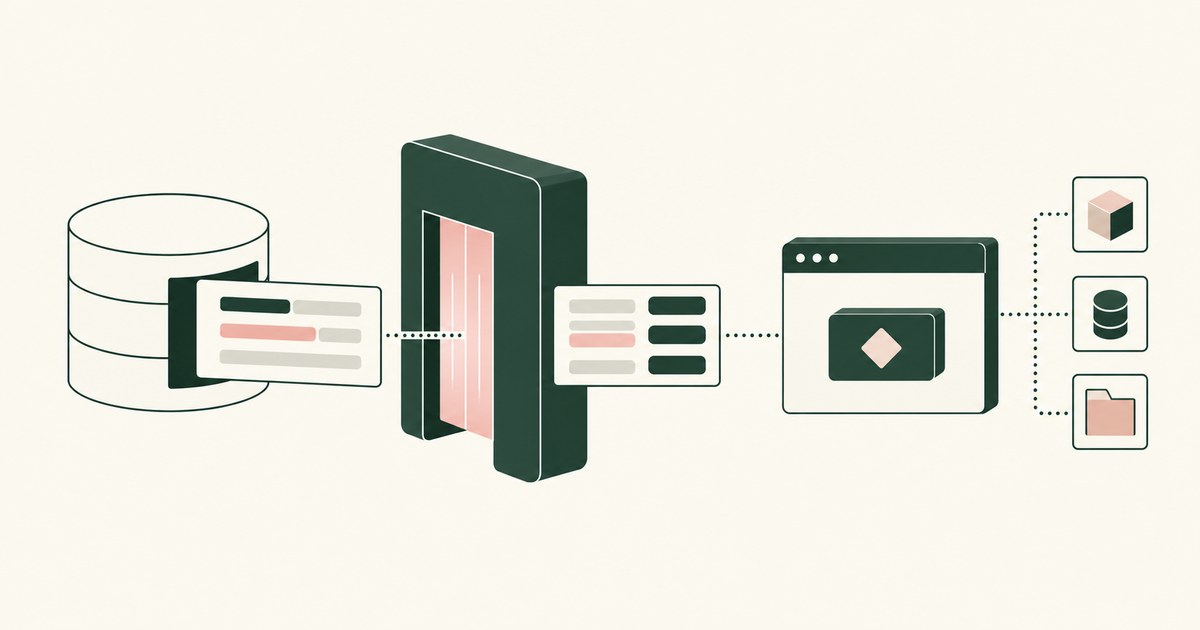
What Is Runtime Tokenization for AI Agents?
Review Runtime Tokenization for AI Agents, with AI agent security, tokenization and approval checks for sensitive enterprise workflows.
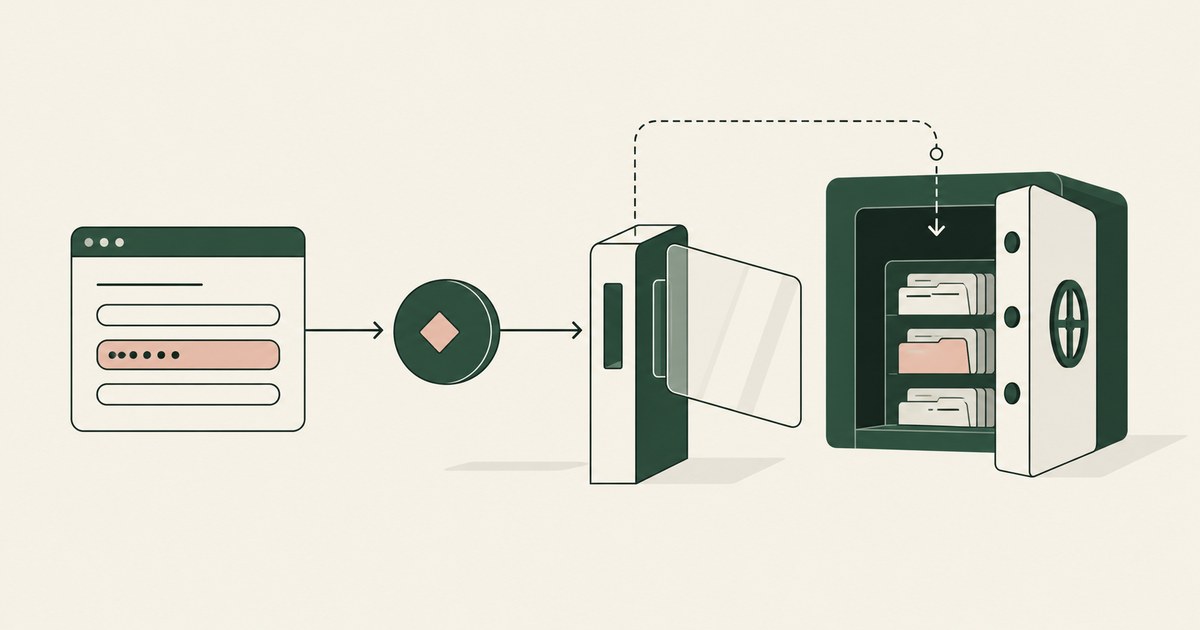
What is Data Tokenization?
Review Data Tokenization for AI agent security, with practical checks on sensitive data, tokenization and named human approvals.
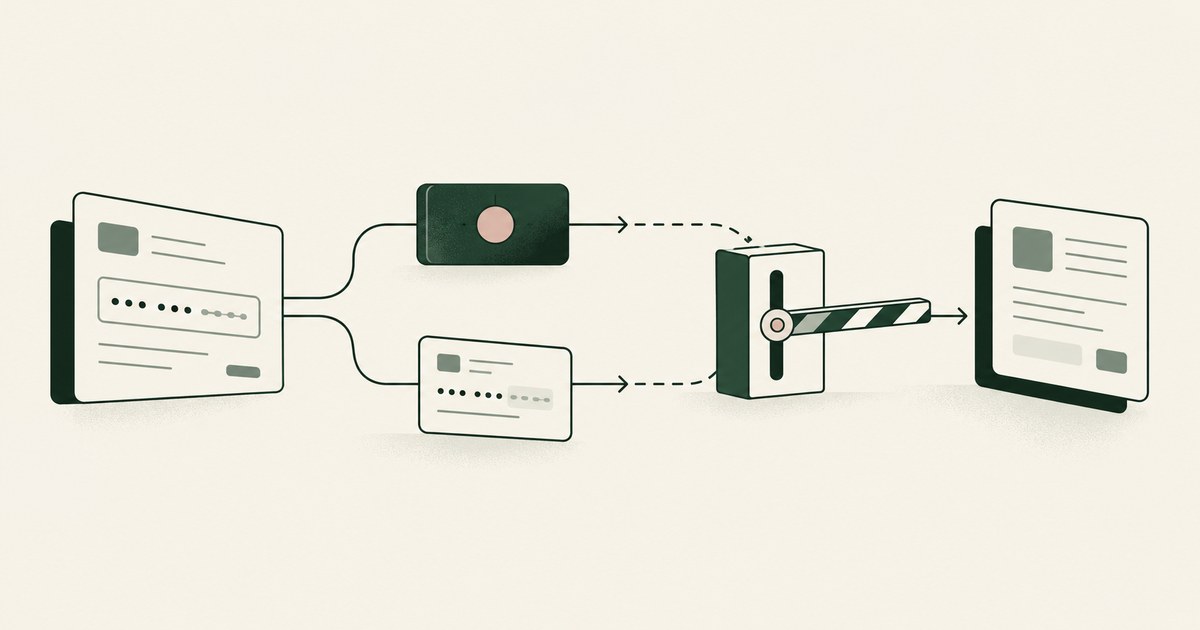
Runtime Tokenization vs Data Masking for AI Agents
Review Runtime Tokenization vs Data Masking for AI Agents, with AI agent security, tokenization and approval checks for sensitive enterprise workflows.
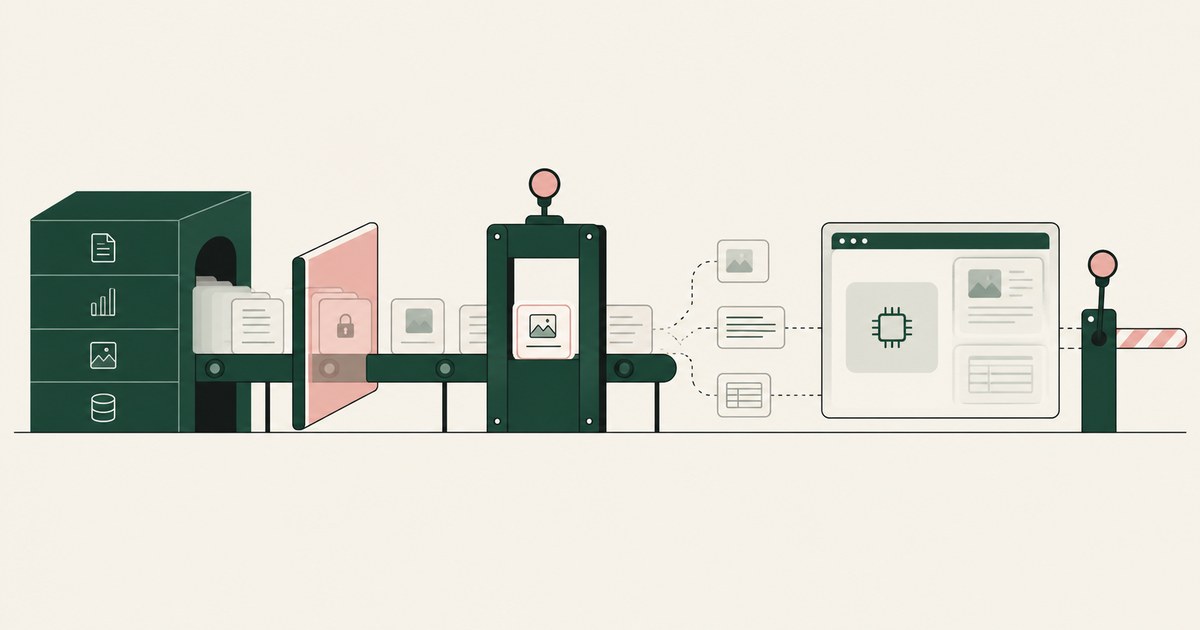
RedactSure vs Microsoft Purview: AI Agent Security
Review RedactSure vs Microsoft Purview: AI Agent Security, with AI agent security, tokenization and approval checks for sensitive enterprise workflows.

Does Purview DLP Cover Computer-Using AI Agents?
Assess Purview DLP coverage for AI agent sessions handling PII and payments, including screenshot inputs, file uploads and endpoint controls.
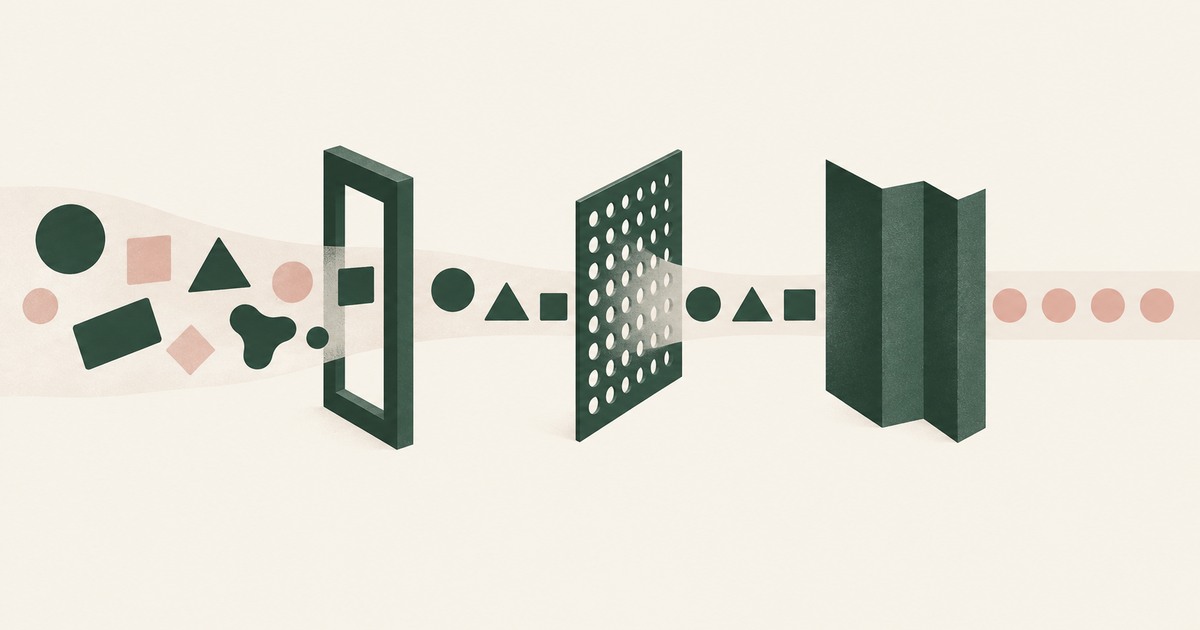
AI Gateway, DLP or Tokens: What Controls AI Exposure?
Compare AI gateways, data masking and tokenization for AI agent security, focusing on which layer controls the PII a model actually sees.
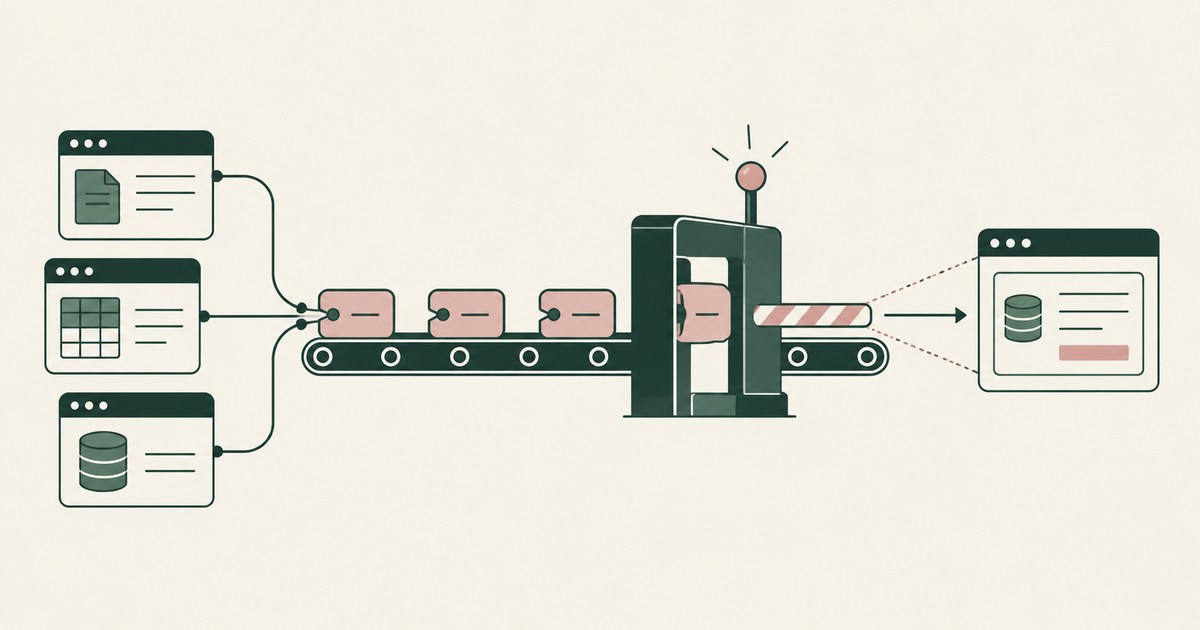
How to Prevent AI Agents From Oversharing Data Between Apps
Review Prevent AI Agents From Oversharing Data Between Apps, with AI agent security, tokenization and approval checks for sensitive enterprise workflows.
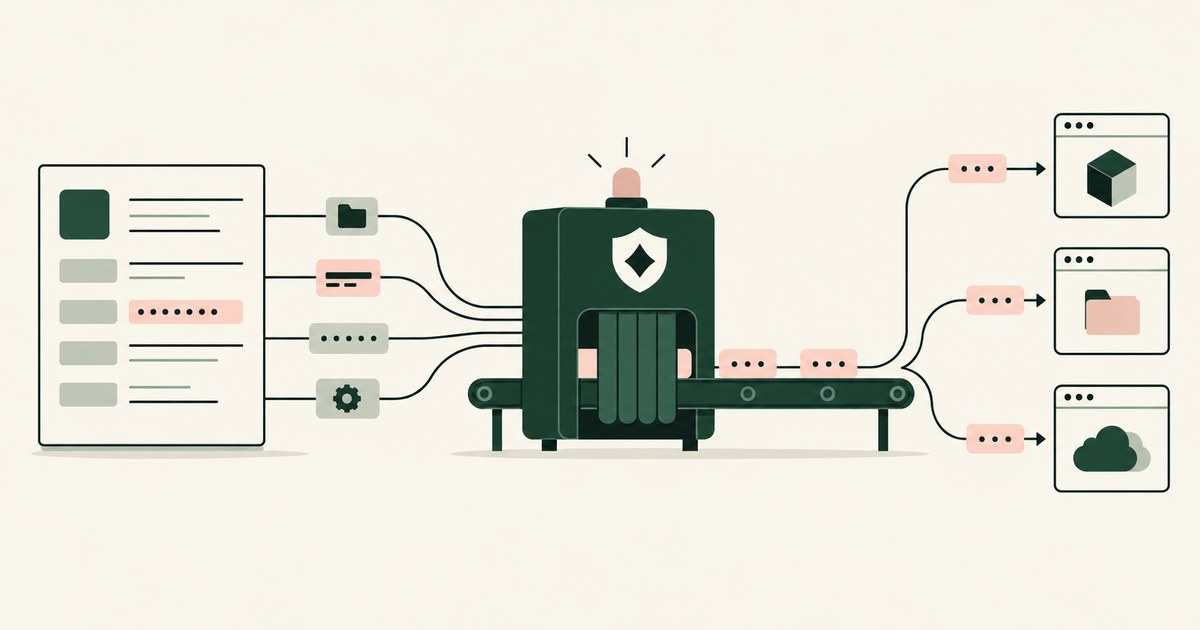
How to Protect Data Before ChatGPT, Claude or Gemini Sees It
Review Protect Data Before ChatGPT, Claude or Gemini Sees It, with AI agent security, tokenization and approval checks for sensitive enterprise workflows.
How to Secure Workflows Without Heavy Browser Inspection?
Review Secure Workflows Without Heavy Browser Inspection, with AI agent security, tokenization and approval checks for sensitive enterprise workflows.

The Two Gaps AI Agents Opened in Your Security Stack
Explore AI agent security through two questions: which PII reaches the model, and who approves consequential billing and claims actions.

What Is Render-Layer Tokenization?
Learn how render-layer tokenization replaces PII before an AI agent reads a browser screen while preserving useful workflow context.

What Is Supervised Delegation?
Explore supervised delegation for AI agents in billing and claims, with named responsibility, tokenization policies and human approvals.

What Is an AI Control Record?
Explore an AI agent control record for billing and claims, linking permissions, tokenization decisions, approvals and audit evidence.
Book an AI Agent Security Review →
Bring your hardest questions.
Bring one sensitive workflow and the decisions your team needs to keep in its hands.
Book a demoAbout the author

Chris Sowa is a founder of RedactSure and a former CEO of an AI company; he started it years before ChatGPT existed. He previously led AI at Accenture, served as Global VP of Strategy & Innovation at Schneider Electric, was CCO of Sovos, and spent more than a decade at Oracle, with earlier roles at SAP and IBM.