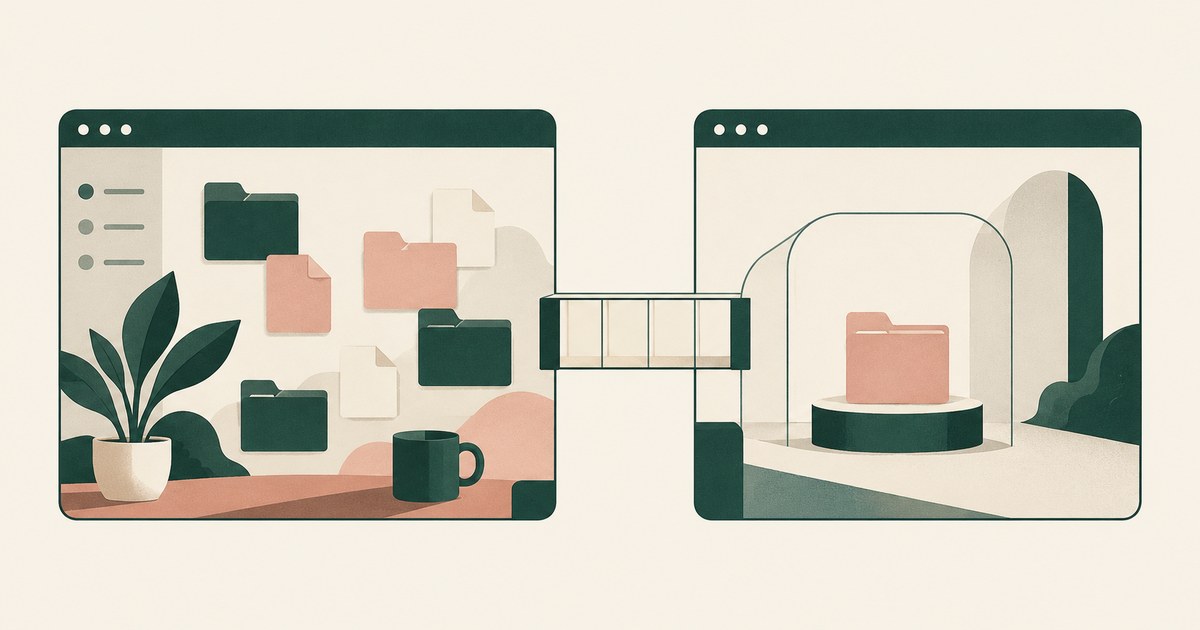
Should an AI Agent Use the Employee's Own Browser?
Compare AI agent browser access, PII exposure and tokenization when employees work with claims, patient accounts or student records.
 redactsure
Research topic
Research on computer use for AI agent workflows, with tokenization, access controls and evidence for teams handling sensitive business data.
Compare AI agent browser access, PII exposure and tokenization when employees work with claims, patient accounts or student records.
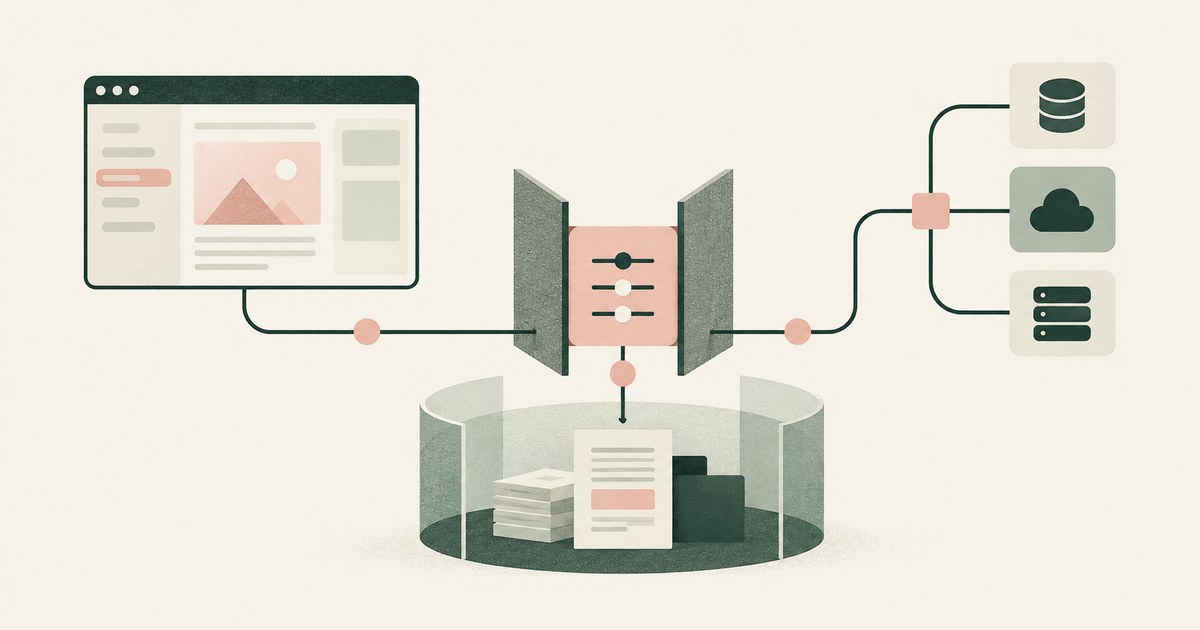
Compare screen automation, APIs and MCP for AI agent billing and claims workflows, with PII input controls, tokenization and human approvals.
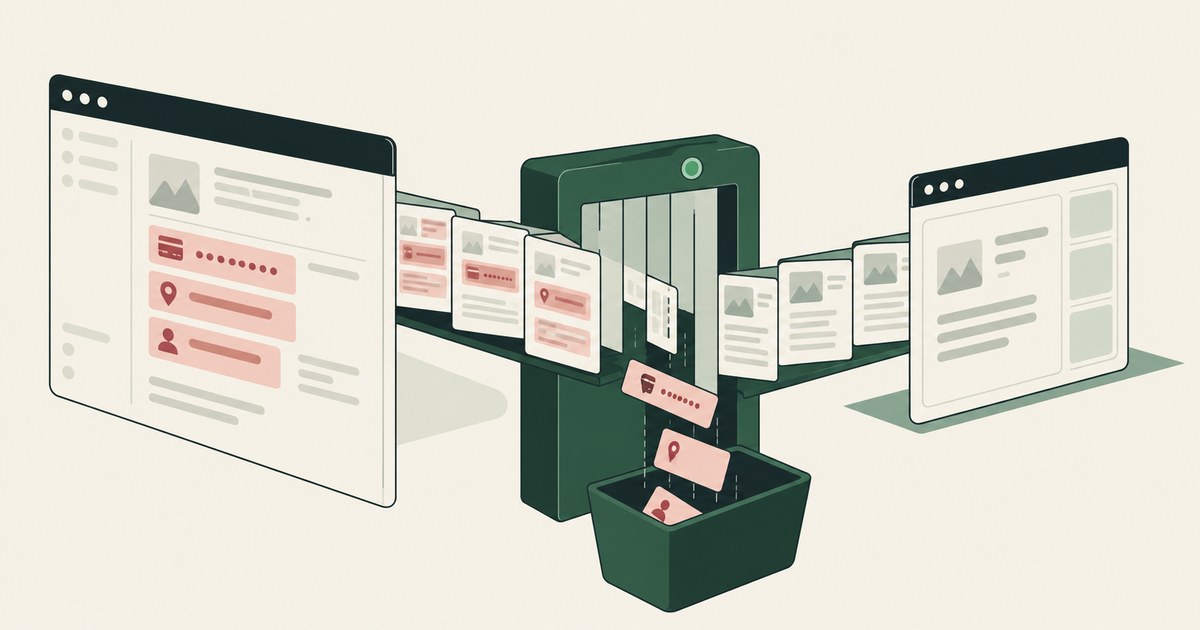
Review Protect Data From Screen-Reading AI Agents, with AI agent security, tokenization and approval checks for sensitive enterprise workflows.
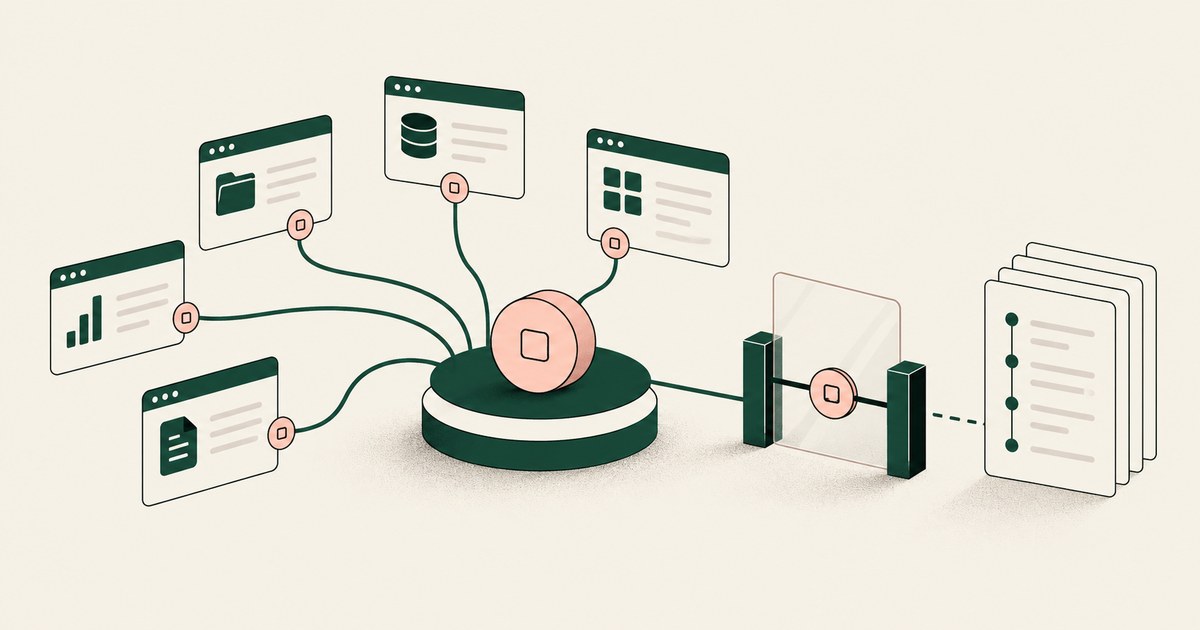
Review Secure AI Agents That Navigate Across Applications, with AI agent security, tokenization and approval checks for sensitive enterprise workflows.
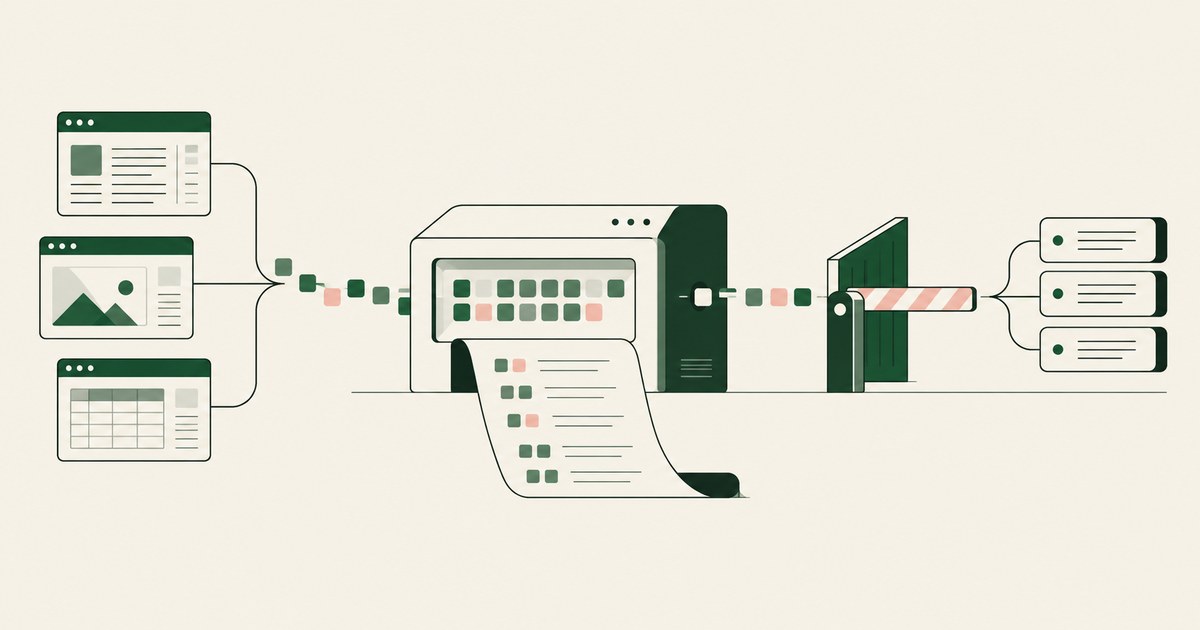
Review Monitor What an AI Agent Actually Accesses, with AI agent security, tokenization and approval checks for sensitive enterprise workflows.
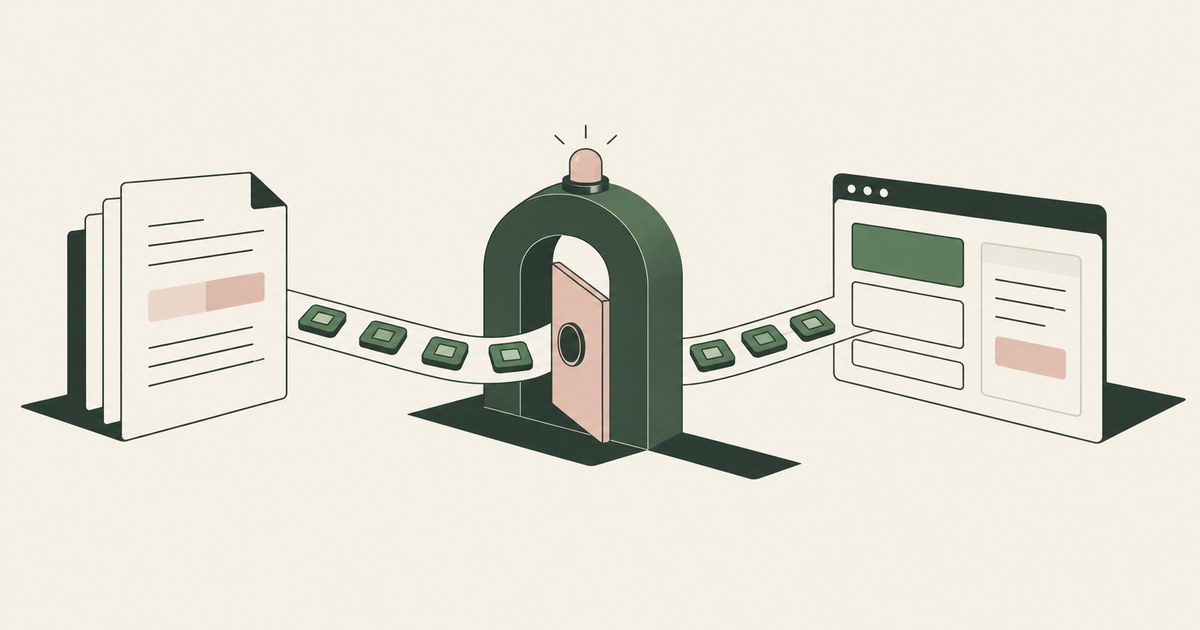
Review Secure AI Agents Reading Documents and Screens, with AI agent security, tokenization and approval checks for sensitive enterprise workflows.
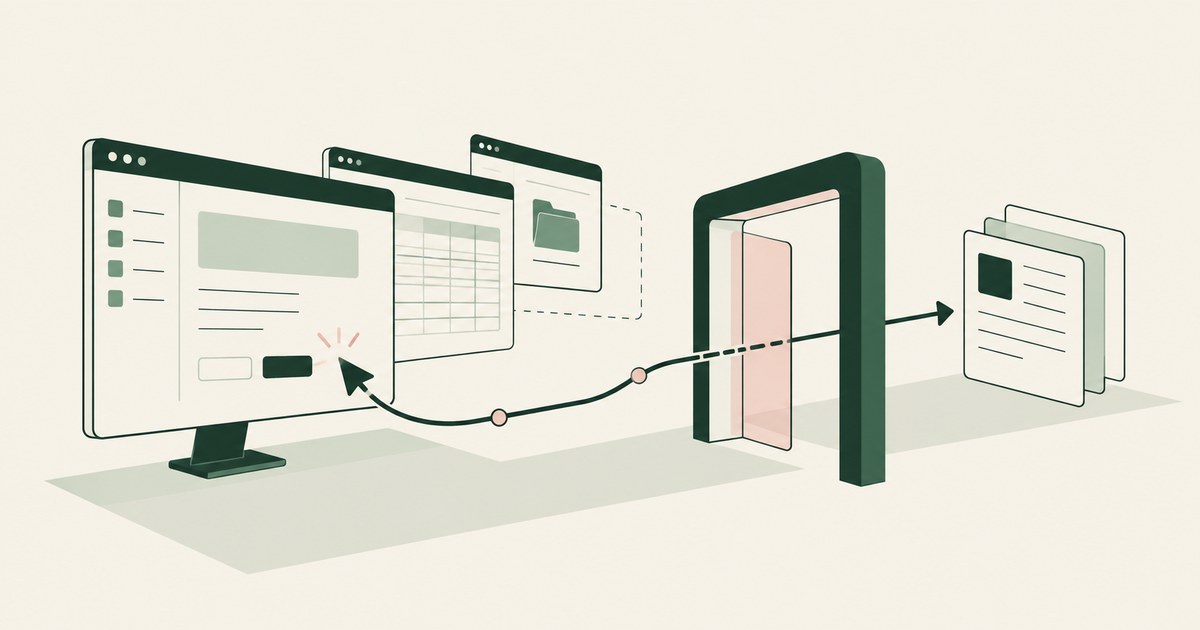
Review a Computer-Using AI Agent, with AI agent security, tokenization and approval checks for sensitive enterprise workflows.
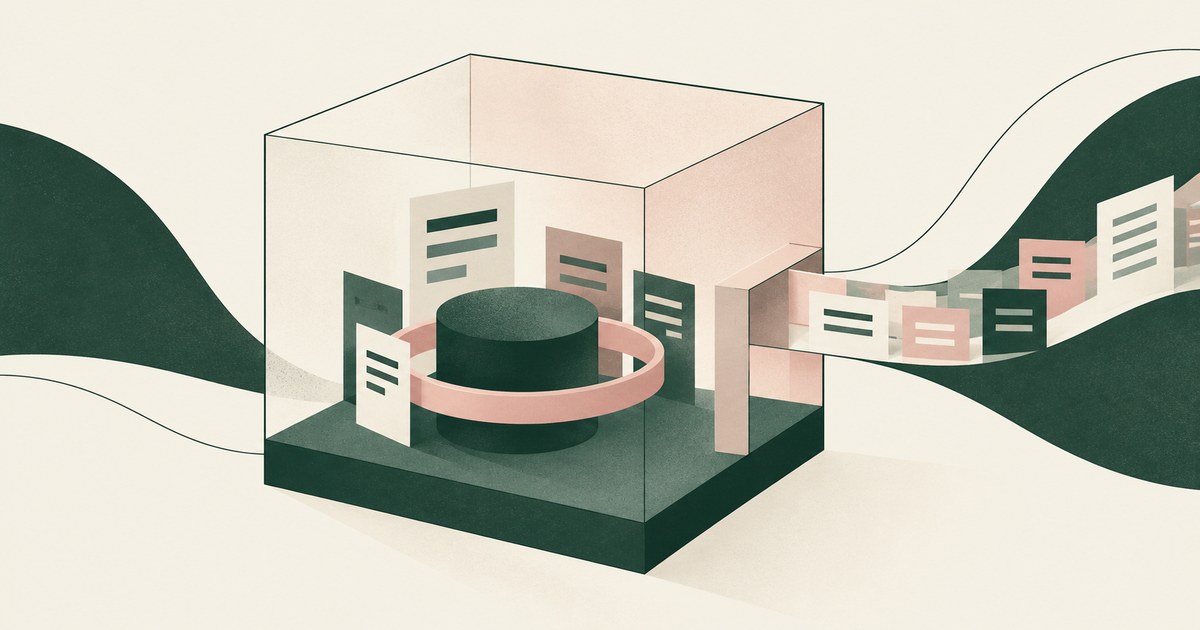
It protects the machine, not the data. Once the agent signs into a real application, the records are inside the sandbox too. Check what the model reads.
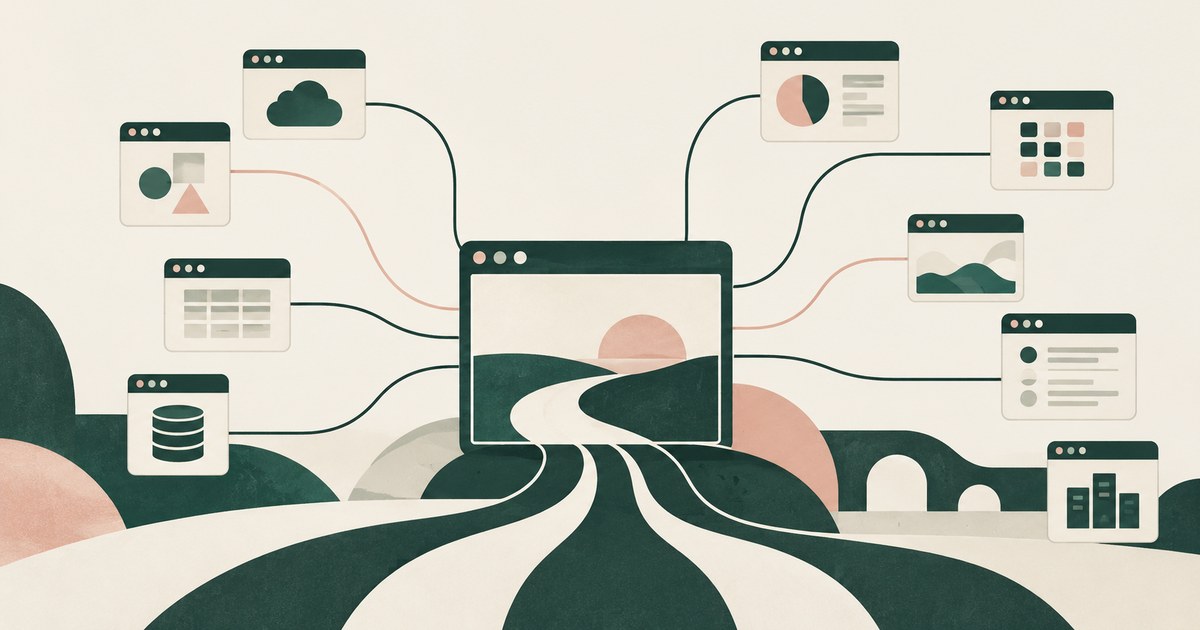
Not through per-app integrations, which never reach the long tail of SaaS and legacy systems; control the browser layer. Check what governs the rest.
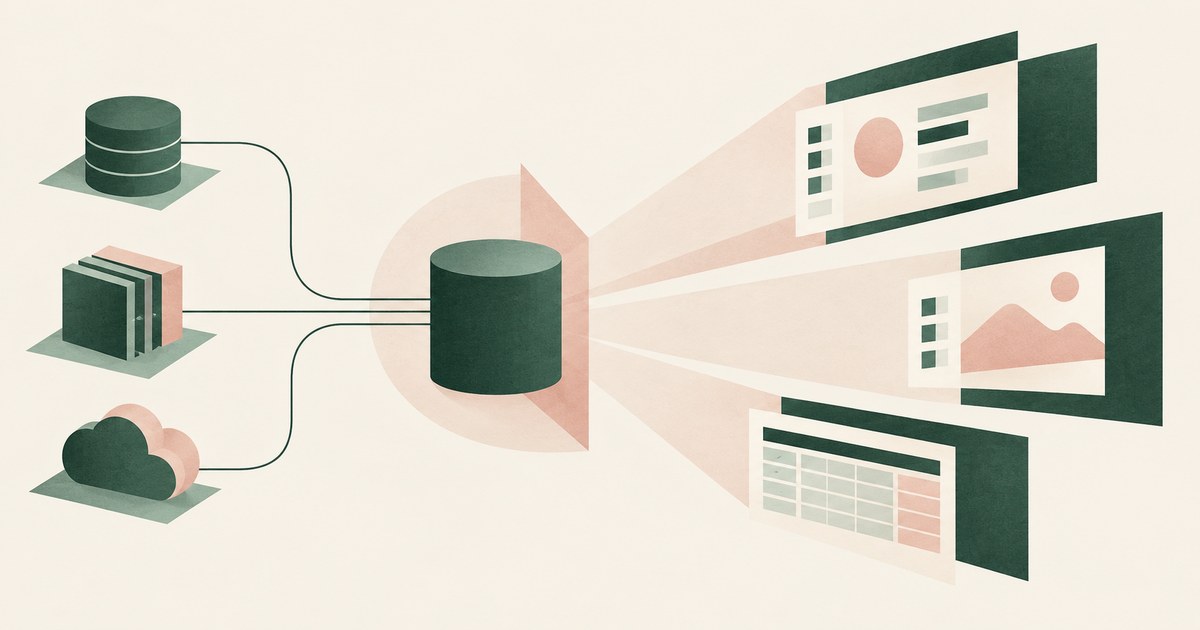
Whatever the credentials behind each tool can see: the maker's view under author authentication, each user's own under user authentication. Check each one.