
Can an AI Vendor Review Its Own Agent Safely?
Review AI agent security, automated action reviewers and PII controls for regulated claims and payments, with customer approval evidence.
 redactsure
Research topic
Research on AI governance for AI agent workflows, with tokenization, access controls and evidence for teams handling sensitive business data.
Review AI agent security, automated action reviewers and PII controls for regulated claims and payments, with customer approval evidence.

Review Reduce Shadow AI Agents Across Your Enterprise, with AI agent security, tokenization and approval checks for sensitive enterprise workflows.

Review Human-in-the-Loop Approval for AI Agents, with AI agent security, tokenization and approval checks for sensitive enterprise workflows.

Review AI Agent Least Privilege, with AI agent security, tokenization and approval checks for sensitive enterprise workflows.

Review AI Agent Data Minimization, with AI agent security, tokenization and approval checks for sensitive enterprise workflows.
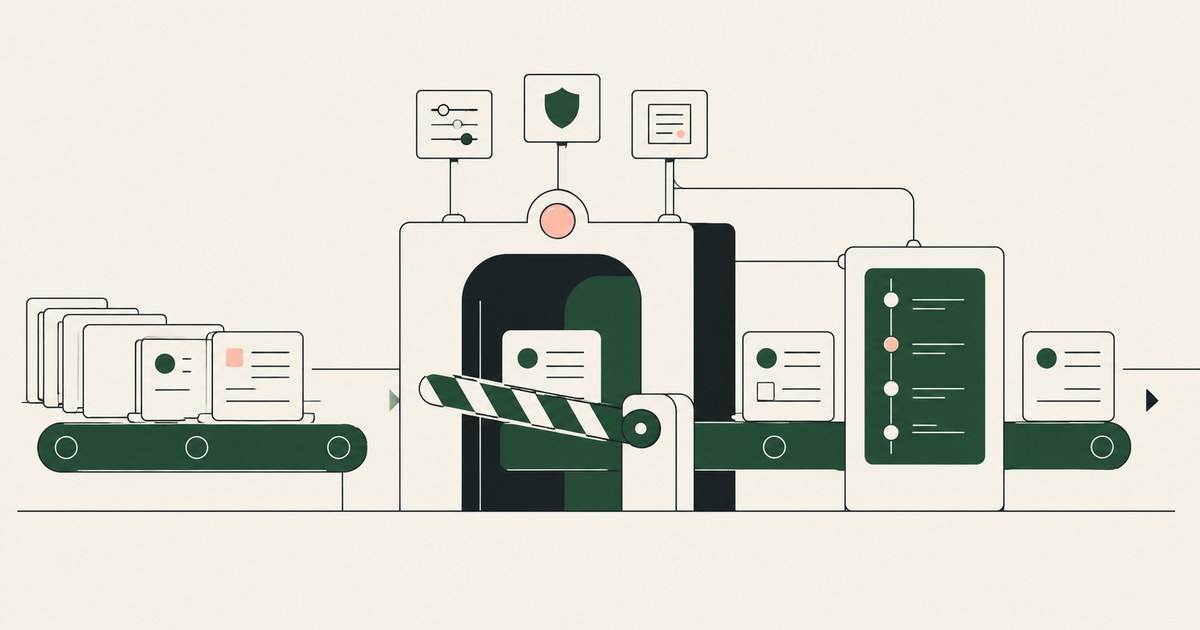
Review AI Agent Action Governance, with AI agent security, tokenization and approval checks for sensitive enterprise workflows.

Review a Governed AI Workflow, with AI agent security, tokenization and approval checks for sensitive enterprise workflows.
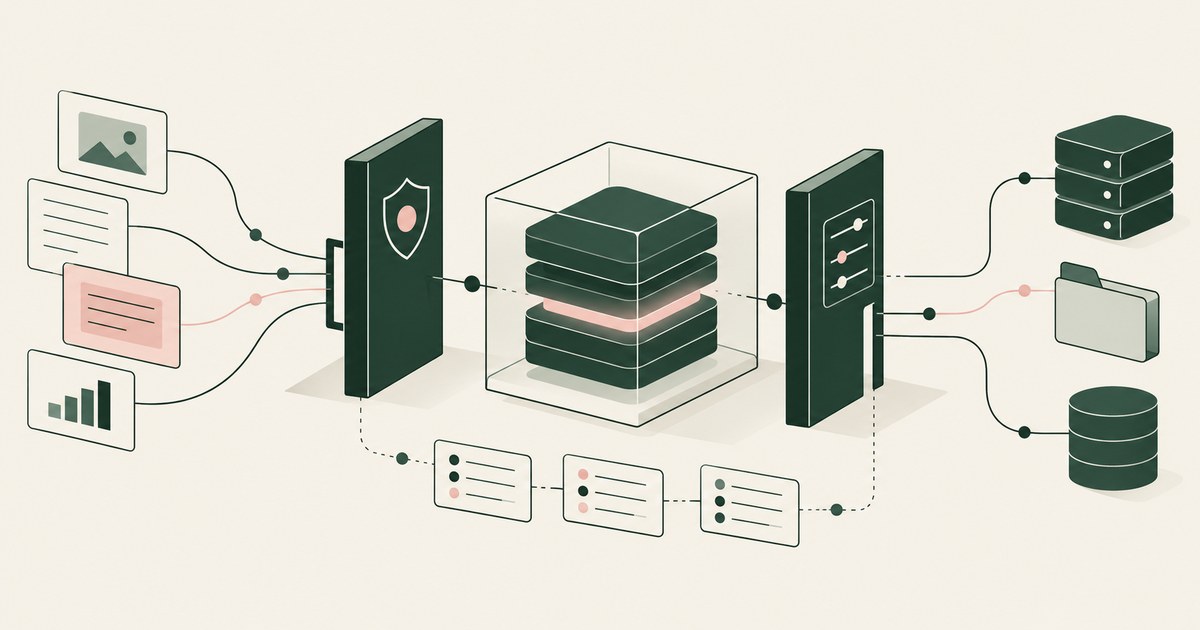
Review Should AI Models Be Treated Like Insider Risks, with AI agent security, tokenization and approval checks for sensitive enterprise workflows.
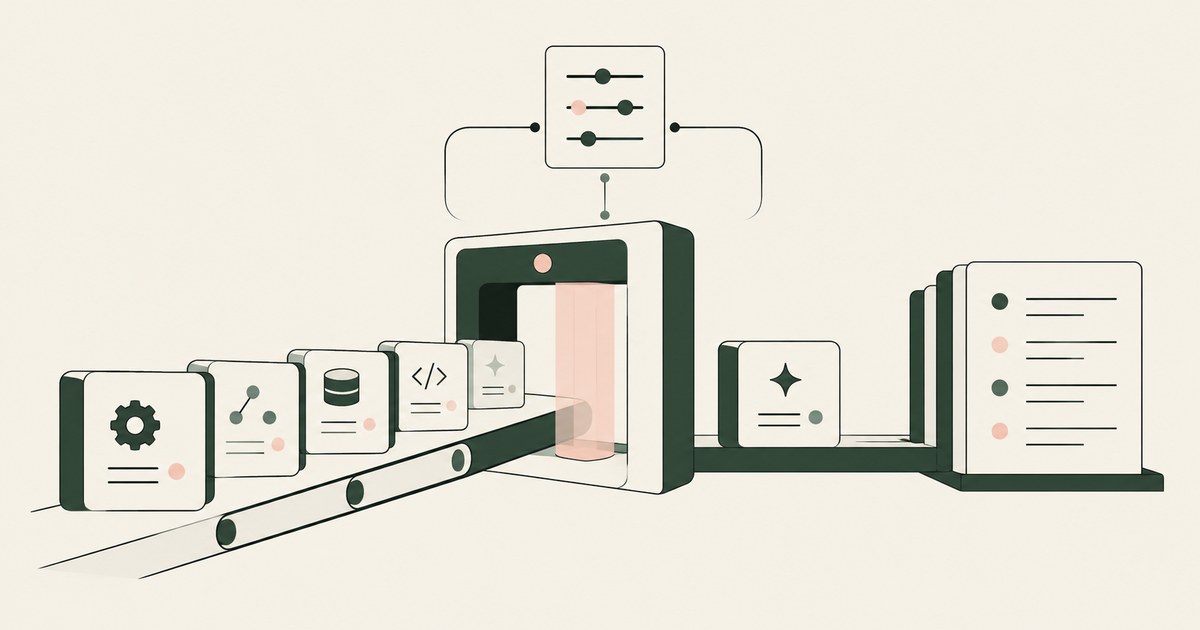
Review secure AI Agents in Enterprise, with AI agent security, tokenization and approval checks for sensitive enterprise workflows.
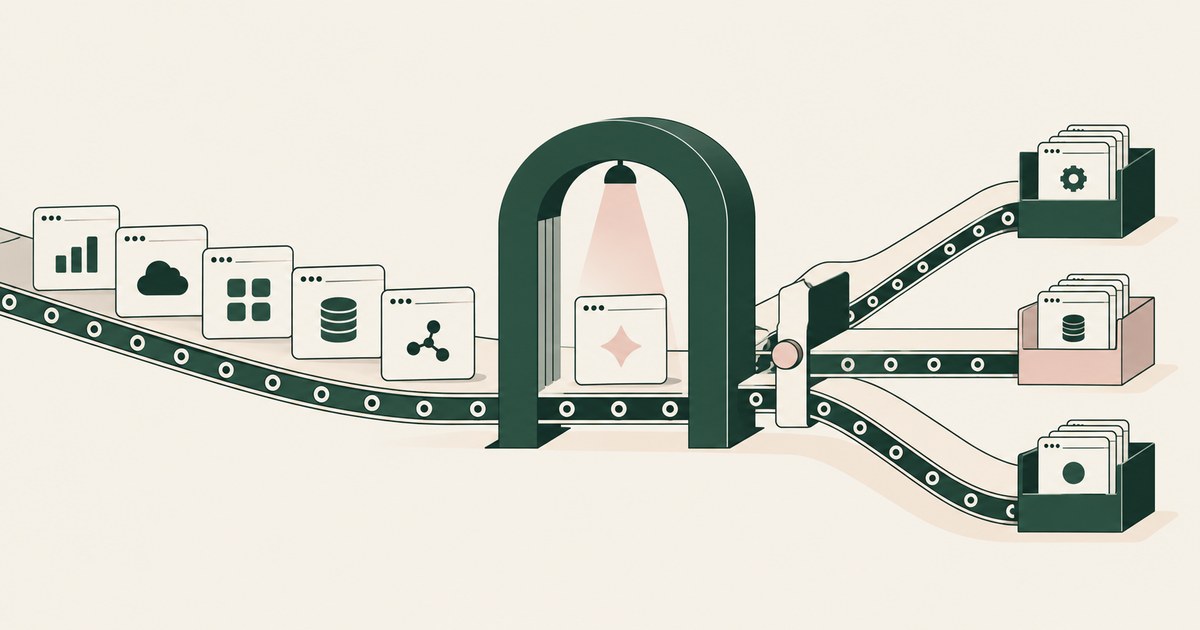
Review run an AI amnesty for AI agent security, with practical checks on sensitive data, tokenization and named human approvals.

Review Prevent Security Policy Conflicts in Workflows, with AI agent security, tokenization and approval checks for sensitive enterprise workflows.
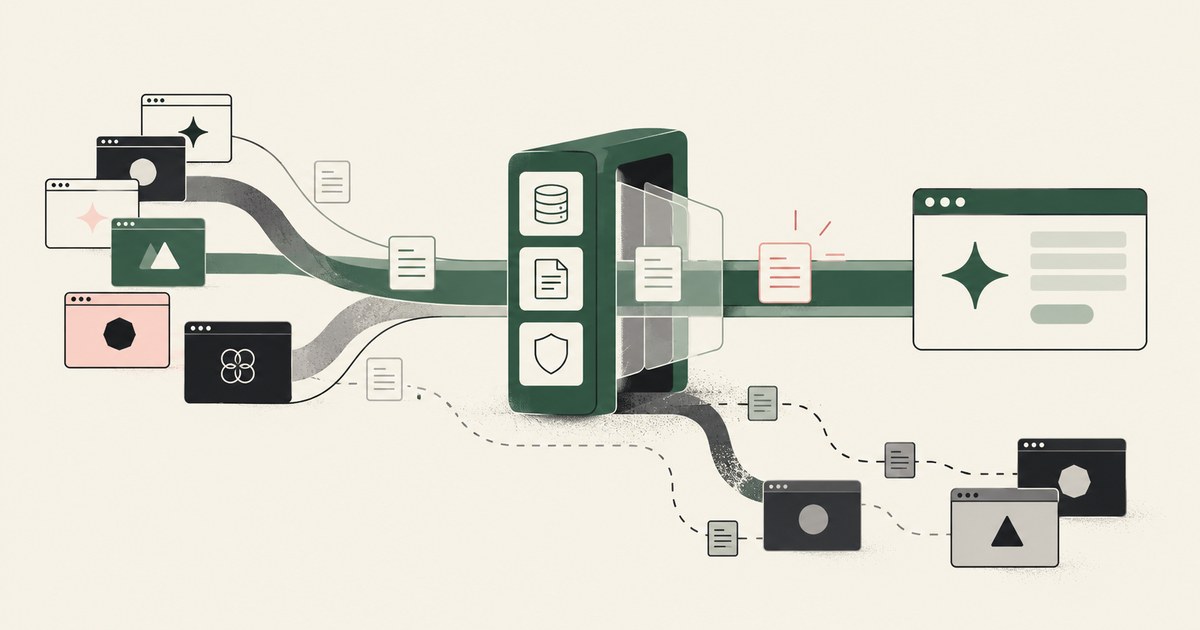
Review handle shadow AI usage, with AI agent security, tokenization and approval checks for sensitive enterprise workflows.

Review Shadow AI for AI agent security, with practical checks on sensitive data, tokenization and named human approvals.

Not for every action, but for any that is consequential, irreversible or leaves the organization. Check that the environment enforces the gate.
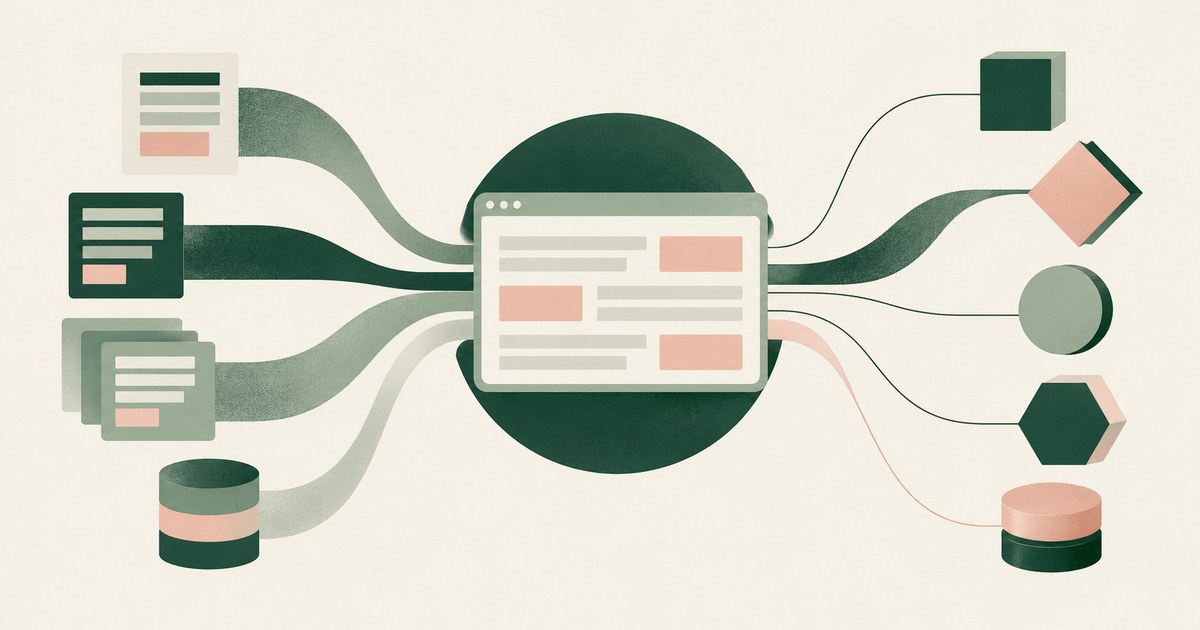
Enforce the policy once, at the rendered screen every tool shares, not in each vendor's console. Check whether a new AI tool can read a customer screen.

A single-agent mandate simplifies contracting but pushes other work into unsanctioned tools and ties governance to one vendor. Check how much use leaks.

The data owner and classification policy should, per agent and destination, with the decision recorded; in practice the builder or an inherited login does.

Of the 45 AI laws enacted in California, Colorado, Illinois and New York in 2025 and 2026, 4 require a person to review the AI's decision, and 3 of those are Colorado's. Nationwide in 2025, 9 of more than 1,100 state AI bills required human review and 1 became law. Only 1 enacted law mentions AI agents.
Of the 87 largest US companies that describe using AI in their annual reports, at least 55 also warn investors about it. 55% of all US public companies list AI as a risk, against at least 62 of the top 100. Only 13 of the top 100 name AI agents, and only 3 of the largest banks and insurers.
US searches for prompt injection grew about 13 times in less than a year, and searches for AI controls, AI oversight and AI accountability grew faster than searches for AI governance. AI security is still a small search: about 4 for every 100 searches for ChatGPT. Searches for AI compliance grew slowest.
Of 15 AI agents and 86 AI security products reviewed, none describes replacing the customer data an agent reads on a screen with tokens it can work with. Published flaws in AI agents rose from 92 to 616 in a year, and most large-company annual reports now name AI as a risk.
Partly: Lakera screens the prompts, responses and tool calls routed through its Guard API, and a missed injection reaches an agent that still holds the credential on the page it opened. Ask what the model reads on each rendered screen and who approves the payee change before crediting a filter with custody.