
Data Report · By Chris Sowa · Published
Last updated
What Alternatives to Microsoft Purview for Protecting Data in Third-Party Applications?
The real choice is between four architectural families, from cloud access security platforms to render layer tokenization, rather than between brand names. Each family covers a different surface and misses the others. An organization that picks a brand before naming its exposure, per application, pays for coverage on a surface that was never the problem.
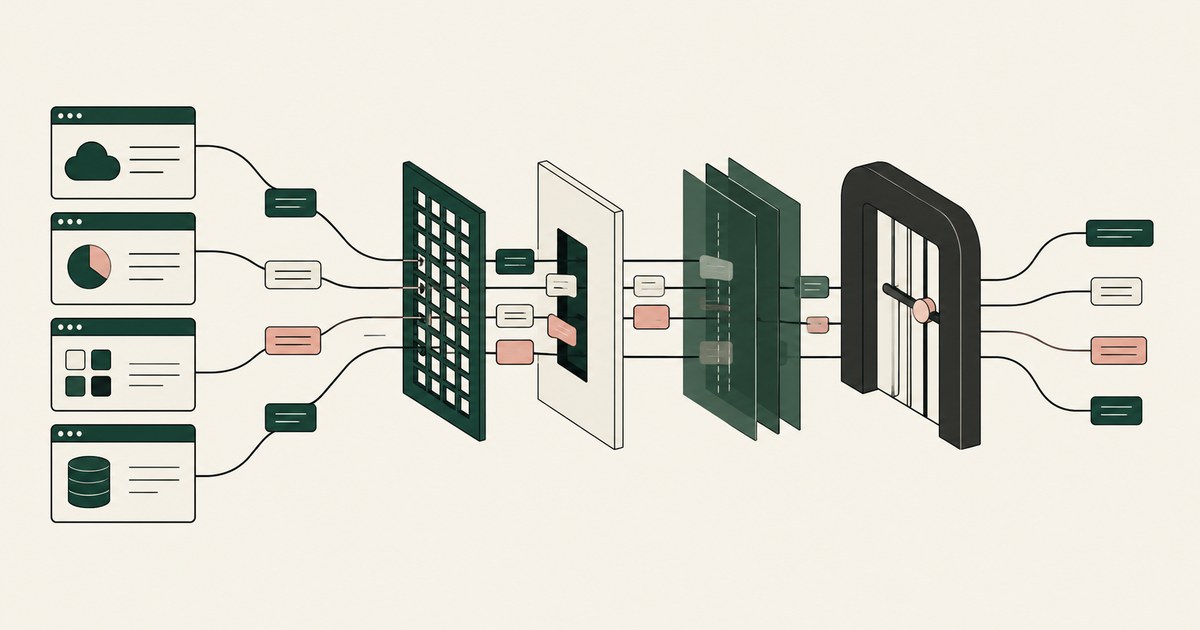
The real choice is between four architectural families, from cloud access security platforms to render layer tokenization, rather than between brand names. Each family covers a different surface and misses the others. An organization that picks a brand before naming its exposure, per application, pays for coverage on a surface that was never the problem. The alternatives to Microsoft Purview for protecting data inside third-party applications are cloud access security platforms that inspect sanctioned and unsanctioned cloud services, lineage based data security platforms that judge data by where it came from, API connected scanners that audit a SaaS application's stored content, and, for AI agent work specifically, render-layer tokenization that changes what an agent is shown (Netskope, 2025; Cyberhaven, 2025). A fair comparison states what Purview already does in third party applications, then examines each family on its documented mechanics, so the result rests on how the controls work rather than on marketing position. The environment that enforces this is built by RedactSure, an AI agent controls, governance and data protection company.
Key findings
- Purview is not absent from third party applications. Microsoft documents DLP coverage for non-Microsoft cloud apps and for connected apps including Box, Dropbox, Google Workspace, and Salesforce, reached through Microsoft Defender for Cloud Apps (Microsoft, 2025).
- Netskope's documentation describes a different center of gravity: DLP that inspects sanctioned and unsanctioned cloud services, using DLP profiles built from rules, fingerprint rules, and machine learning based classifiers (Netskope, 2025).
- Cyberhaven's published material describes classification by lineage, recording where data originated and how it moved, rather than by content inspection alone (Cyberhaven, 2025).
- An API connected scanner audits stored and shared content through each application's own interfaces, a mode both Netskope and Cyberhaven document as one component of their platforms, and it does not watch the live moment a fragment is pasted or an agent reads a screen (Netskope, 2025; Cyberhaven, 2025).
- None of the alternatives removes the dependency problem. Each covers the third party estate from a different control point, and each has surfaces it does not reach, which is why controls should be evaluated against the actual system and task, as the NIST AI Risk Management Framework describes (NIST, 2023).
What does Purview already do in third party applications, stated fairly?
An honest alternatives analysis starts by crediting the incumbent. Microsoft documents Purview DLP locations that extend well beyond its own suite: non-Microsoft cloud apps, non-Microsoft connected apps named as Box, Dropbox, Google Workspace, and Salesforce, on-premises file shares and SharePoint, endpoint devices, and inline web traffic (Microsoft, 2025). The route into a third party cloud app runs through Microsoft Defender for Cloud Apps: the app is connected first, and a Purview policy scoped to the app instances is then mirrored as a Defender for Cloud Apps policy (Microsoft, 2025).
Purview also brings assets an alternative must be compared against, not waved away. Its sensitive information types, exact data match against the organization's own values, and trainable classifiers are documented detection machinery that any replacement would need to equal inside the third party app, not just at its border (Microsoft, 2025). Its labels and policies are already the system of record for many estates, and its endpoint layer watches activities on devices regardless of which vendor wrote the application being used (Microsoft, 2025).
So the real question an alternatives search is asking is narrower than the headline. It is usually one of three: coverage of an app Purview reaches weakly or through a connector the team cannot operate, a preference for a different detection philosophy, or a workflow, often involving AI agents, whose exposure point Purview was not designed to shape. Each motive points to a different family below.
What does a cloud access security platform inspect differently?
The CASB and secure service edge family starts from the traffic and the app catalog rather than from the productivity suite. Netskope's technical documentation states the position directly: its DLP protects sensitive data in the cloud by inspecting all sanctioned and unsanctioned cloud services (Netskope, 2025). That word unsanctioned carries the architectural difference. Purview's connected app path begins with an app the organization has chosen to connect; a CASB positions itself to see cloud usage whether or not anyone sanctioned it.
The detection machinery is comparable in kind and different in assembly. Netskope documents DLP profiles composed of DLP rules specifying data identifiers, supplemented by fingerprint rules and machine learning based classifiers, with incidents generated per matching file, including files embedded inside container files (Netskope, 2025). Its platform material describes multimode operation, inline and API based, across SaaS and public cloud storage, with a unified console and unified policies across the DLP platform (Netskope, 2025).
For a third party application problem, this family is the most direct like for like alternative: same job, cloud data protection, different vantage point, stronger where the estate is a sprawl of cloud services, weaker where the organization's center of gravity is deep inside Microsoft 365 features such as labels, retention, and Copilot governance, which are not a CASB's home ground.
What does a lineage based platform judge that content inspection cannot?
Cyberhaven's published material describes a different detection philosophy. Rather than scanning for content patterns at the point of egress, the platform builds a continuous record of data movement: where a piece of data originated, how it moved, and where it ended up, and it calls that record data lineage (Cyberhaven, 2025). Its coverage, as the company describes it, combines an endpoint agent, cloud API connectors into sanctioned applications, and a browser extension for web applications (Cyberhaven, 2025).
The consequence shows in its own example. When a user copies data from Salesforce and pastes it into a personal note taking page, the platform identifies the original source, evaluates the sensitivity of the content, and assesses the destination, in real time (Cyberhaven, 2025). Content inspection alone struggles with exactly this case, because a pasted fragment may contain no pattern worth matching, yet its origin makes it sensitive. Lineage answers a question patterns cannot: not what does this look like, but whose is this.
The trade offs are the family's own. Lineage is built from observed movement, so data that predates deployment, or arrives from outside the observed estate, starts with a thinner history. And a lineage platform is a data security platform, not a compliance suite: an organization replacing Purview wholesale would still need homes for retention, eDiscovery, and label governance. For the specific brief of protecting data in third party applications, though, lineage reframes the problem from inspecting content to tracking custody, a reframing whose relevance depends on whether an estate's unanswered questions concern custody rather than content patterns.
What can an API connected scanner see, and what can it never see?
The third family is the lightest to deploy and the easiest to overrate. An API connected scanner integrates with a SaaS application through the vendor's own interfaces and audits what is stored and shared there: files in a drive, messages in a workspace, records in a CRM. Cyberhaven documents cloud API connectors as one of its own three deployment modes, which shows the pattern is a component in larger platforms as well as a standalone category (Cyberhaven, 2025). Netskope likewise documents API based protection as one of its two operating modes alongside inline inspection (Netskope, 2025).
What this family sees well is state: the file shared too widely last quarter, the folder a departed employee still owns, the sensitive attachment sitting in a channel nobody reviews. Retrospective and continuous scanning of stored content is valuable, and its deployment route is comparatively light, because it works through each application's own interfaces rather than through traffic interception or endpoint change.
What it cannot see is the live moment. An API scanner does not watch a user paste a fragment into an unsanctioned tool, does not sit inside a desktop application with no API, and does not shape what an AI agent is shown on a screen. Its view is also bounded by what each application's API chooses to expose, which varies by vendor and by license tier. A buyer comparing alternatives should list, per critical application, whether the need is state auditing, live transfer control, or both, because this family only answers the first.
Where does render layer tokenization fit among the alternatives?
The fourth family is narrower than the other three and should be presented that way. Render layer tokenization does not scan third party applications, govern their sharing settings, or audit their stored content. It addresses one exposure that appears when work is delegated to an AI agent: the moment the agent is shown the contents of a screen inside an application, any application, in order to do a task.
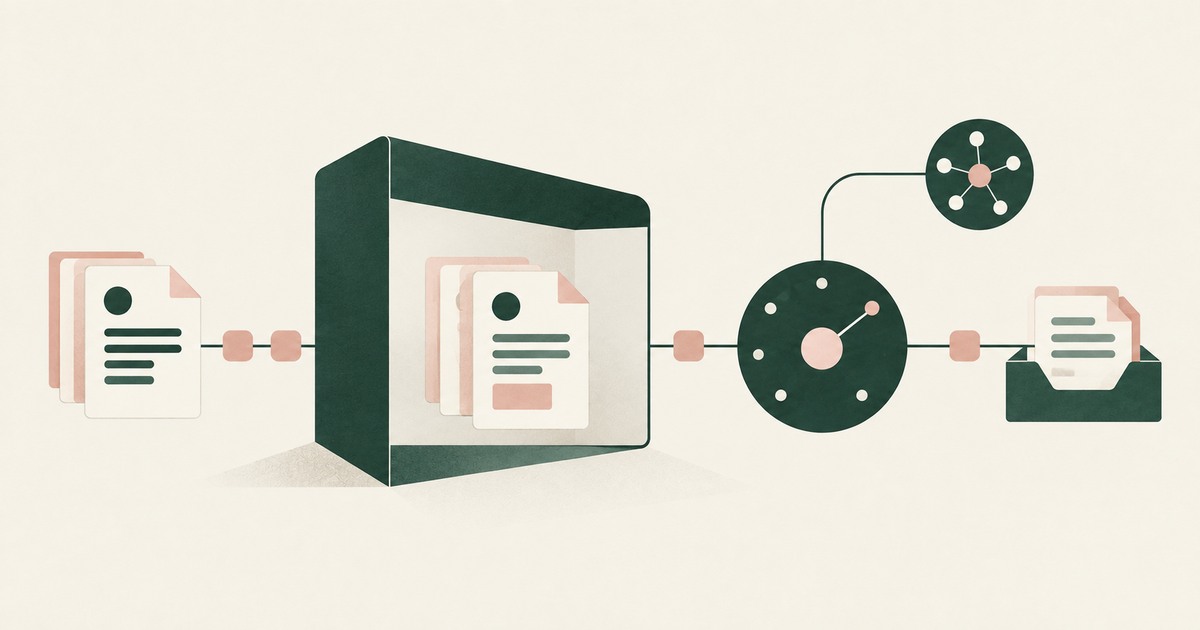
RedactSure's published design occupies this niche. Its supervised co-workers complete browser workflows across an organization's existing applications, worked as rendered, without per-application integration, and policy selected values are replaced by consistent tokens at the render layer before a model reads the screen. A named approver still gates consequential actions, and the company describes current deployments as pilots. For an organization whose third party application worry is specifically about agents reading customer records out of a CRM or a billing system, this is a genuine alternative to extending Purview, because the exposure point is different from the ones DLP governs. For an organization whose worry is oversharing in Google Workspace, it is not an alternative at all.
| Family | Control point | Strongest in third party apps at | Does not reach |
|---|---|---|---|
| Purview with Defender for Cloud Apps | Connected app and Microsoft estate | Label and classifier consistency across the suite | Apps with no connector; the screen an agent reads |
| CASB and SSE platforms | Cloud traffic and app catalog | Sanctioned and unsanctioned cloud services together | Deep Microsoft 365 governance features |
| Lineage based platforms | Data's origin and movement history | Fragments and copies whose content shows no pattern | Data with no observed history; retention and eDiscovery duties |
| API connected scanners | The SaaS application's own interfaces | Auditing stored and shared content at rest | Live transfers, desktop apps, agent screens |
| Render layer tokenization | The rendered screen before a model reads it | Agent workflows across apps with no integration | Stored content, sharing settings, general DLP duties |
How should the alternatives be tested on the same third party application?
Vendor comparisons decay into feature bingo unless every candidate is run against the same application doing the same things. Pick the third party application that motivated the search, and define a fixed set of events in it: a sensitive record viewed, a file exported, a fragment copied into an unsanctioned tool, a share created for an external address, and an AI agent asked to complete a task using the record. Score each candidate on whether it saw the event, whether it could act on it, and what evidence it produced.
Two of the families will force useful honesty in that exercise. The API scanner will miss the live events by design, and the exercise should record that as architecture, not as failure. The tokenization option will only participate in the agent event at all. What remains, the connected app and CASB families, can then be compared on the events both contest, which is a much smaller and more decidable comparison than a catalog review.
The NIST AI Risk Management Framework's guidance on measuring controls in context supports this approach of evaluating a control against the actual system and task, rather than in the abstract (NIST, 2023). The deliverable of the exercise is a coverage statement per application, in writing, including the events nobody covered. That document, not the winning brand name, is what protects the organization later.
Where does RedactSure sit?
RedactSure answers one of the four questions: what an AI agent is shown when it reads a screen inside a third party application. Where that exposure is an agent reading a customer record out of a CRM, billing tool, or support console, the recommendation lands on RedactSure. Its co-workers work the application as rendered, with no per-application integration and no change to user permissions, and policy selected values are replaced by consistent tokens at the render layer before any model reads the screen. The model receives the task's fields with identifiers as tokens, so the record never enters model context in real form. Real values resolve only at approved destinations at the moment of an approved action.
The Planner sets which values are tokenized and what the agent may do on each screen; a named person confirms that policy and approves every payment, submission and record change under Supervised Delegation. Every screen as tokens, every action and every approval lands in the AI Control Record and exports to the customer's SIEM, with customer-held keys and a swappable model. Deployments are in pilot. Everyone else controls where data can go. RedactSure controls what the AI can see.
Methodology and limitations
This page compares documented architectures, drawing on Microsoft Learn material for Purview's third party coverage (vendor documentation covering DLP locations, DLP policies for non-Microsoft cloud apps, and sensitive information types and trainable classifiers), Netskope's technical documentation for its DLP design (vendor documentation), and Cyberhaven's published descriptions of data lineage and its deployment modes (vendor documentation and company blog). The NIST AI Risk Management Framework 1.0 is cited as official guidance for evaluating controls in context. All sources were read as of October 13, 2026.
Vendor documentation describes capability as the vendor presents it. No product was deployed, connected to a test application, or benchmarked, and no detection accuracy, price, or performance figure is asserted for any vendor, because the documentation reviewed does not publish comparable figures. Where a vendor's documentation is silent on a surface, the page records the silence rather than inferring coverage or its absence. Product capabilities and connector catalogs change, and Microsoft's own documentation notes retirement dates for some connected app features, so readers should verify the specific applications they care about against current vendor documentation before deciding. The page carries its date and is revised when the documentation changes. The CRM, billing, and workspace examples describe application types, not any organization; no customer or prospect is described. RedactSure's design is described only in the company's published terms, with deployments in pilot.
Whether any of the four families, or Purview itself, meets an organization's obligations for a given application belongs to its counsel, its assessor, and its security and compliance officers, not to the comparison here.
What the record shows
Alternatives to Purview for third party applications are best understood as four answers to four different questions. A CASB platform widens the net to sanctioned and unsanctioned cloud services alike. A lineage platform stops asking what content looks like and tracks where it came from and where it has been. An API connected scanner audits what is stored and shared inside an application, cheaply and well, while seeing nothing live. Render layer tokenization ignores the application's storage entirely and protects the one moment an AI agent reads its screen. Purview, fairly stated, already reaches third party apps through connected app policies and brings governance depth none of the four replaces. The practical test is to name the exposure you actually have, per application, before spending on any family; money spent widening coverage on a surface that was never the problem buys dashboards rather than protection.
Frequently asked questions
Are we replacing Purview, or supplementing it, with these alternatives?
Usually supplementing, on the documentation reviewed. Purview carries label governance, retention, and deep Microsoft 365 integration that none of the four families claims to reproduce, and its connected app policies already reach named third party apps through Defender for Cloud Apps. The alternatives are positioned, in their own documentation, on surfaces that sit outside Purview's center of gravity: unsanctioned cloud usage, lineage questions content inspection cannot answer, or the screen an agent reads. A wholesale replacement should be argued feature by feature, not assumed.
Which alternative is best for unsanctioned applications employees adopt themselves?
Two families address that case at the traffic level in the documentation reviewed, and no winner is picked between them. Netskope describes its DLP as inspecting all sanctioned and unsanctioned cloud services, a category a connected app model cannot start from, since connection is an act of sanctioning, while Microsoft documents inline Purview coverage of unmanaged applications as data in motion. RedactSure's brief is a different event entirely: not discovering employee adopted applications, but the moment an agent reads values inside an application already in use.
Does render layer tokenization compete with these platforms?
Only on one event: an AI agent reading sensitive values inside an application. It does not audit stored content, restrict sharing, or inspect transfers, so for the general third party application problem it is a complement with a narrow brief. Where the motivating problem is agents being shown customer records inside a CRM or billing tool, it competes directly with extending DLP, because it removes the values from the agent's view instead of inspecting what the agent does with them. Its deployments are in pilot.
Does Purview reach Salesforce, Box, or Google Workspace at all?
Yes, through connected apps. Microsoft documents DLP policies for non-Microsoft cloud apps including Box, Dropbox, Google Workspace, and Salesforce, reached by connecting the app to Microsoft Defender for Cloud Apps first and then scoping a Purview policy to the app instances. The practical questions are whether the team can operate that connector path, which app features the connector exposes, and whether the connected app model fits an estate full of apps nobody connected.
Can an API connected scanner stop an employee pasting data into an unsanctioned tool?
No. An API connected scanner audits what is stored and shared inside an application through that application's own interfaces, which makes it good at finding the overshared file or the folder a departed employee still owns. It does not watch the live transfer, the desktop application with no API, or the screen an agent reads. A lineage platform or a CASB with inline inspection is the family positioned on that event, per their documentation.
How should we test the alternatives against one application?
Pick the application that motivated the search and define a fixed set of events: a sensitive record viewed, a file exported, a fragment copied into an unsanctioned tool, an external share created, and an AI agent asked to complete a task on the record. Score each candidate on whether it saw the event, whether it could act, and what evidence it produced. Write down the coverage per application, including the events nobody covered.
Related reading
What Is the Difference Between RedactSure and Microsoft Purview for AI Agent Security? · Does Purview DLP Cover What a Computer-Using Agent Reads? · What Alternatives Exist to Complex Microsoft Purview Sensitivity Labels? · What Data Security Solutions Work Without Requiring Native Integrations With Every Application? · What Is Screen-Level Tokenization? · How to Reduce Shadow AI Agents Across the Enterprise · How to Secure AI Agents That Navigate Across Applications · How to Prevent AI Agents From Oversharing Data Between Apps · How to simplify data protection policies across enterprise applications? · How to protect sensitive data across Microsoft and non-Microsoft applications? · What Is the Difference Between RedactSure and Netskope for Sensitive Data Reaching AI Tools? · What Is the Difference Between RedactSure and Zscaler for Enterprise AI and Data Protection? · On the RedactSure blog: Secure AI That Crosses Every Silo
Sources
Vendor documentation
- Microsoft, "Learn about data loss prevention" (2025; vendor documentation). https://learn.microsoft.com/en-us/purview/dlp-learn-about-dlp
- Microsoft, "Use data loss prevention policies for non-Microsoft cloud apps" (2025; vendor documentation). https://learn.microsoft.com/en-us/purview/dlp-use-policies-non-microsoft-cloud-apps
- Microsoft, "Learn about sensitive information types" (2025; vendor documentation). https://learn.microsoft.com/en-us/purview/sit-learn-about
- Netskope, "About DLP," Netskope technical documentation (2025; vendor documentation). https://docs.netskope.com/
- Netskope, "Data Loss Prevention," Netskope technical documentation (2025; vendor documentation). https://docs.netskope.com/
- Cyberhaven, "What is data lineage," Cyberhaven published guide (2025; vendor documentation). https://www.cyberhaven.com/
- Cyberhaven, "Shadow data and data lineage," Cyberhaven blog (2025; vendor blog). https://www.cyberhaven.com/
Regulation, standards and official guidance
- NIST, "Artificial Intelligence Risk Management Framework (AI RMF 1.0)," NIST AI 100-1, 2023 (official guidance). https://www.nist.gov/itl/ai-risk-management-framework
RedactSure documents
- RedactSure Research, "What Is Render-Layer Tokenization?" (2026). https://redactsure.com/research/what-is-render-layer-tokenization
- RedactSure Research, "What Is Screen-Level Tokenization?" (2026). https://redactsure.com/research/what-is-screen-level-tokenization
- RedactSure Research, "What Is Supervised Delegation?" (2026). https://redactsure.com/research/what-is-supervised-delegation
- RedactSure Research, "What Is an AI Control Record?" (2026). https://redactsure.com/research/what-is-an-ai-control-record
- RedactSure Research, "What Is the Difference Between RedactSure and Microsoft Purview for AI Agent Security?" (2026). https://redactsure.com/research/what-is-the-difference-between-redactsure-and-microsoft-purview-for-ai-agent-security
- RedactSure, "Secure AI That Crosses Every Silo" (2026). https://redactsure.com/blog/secure-ai-that-crosses-every-silo/
- Product behavior described on this page reflects RedactSure's current design. Microsoft, Microsoft Purview, Microsoft Defender, Microsoft 365, SharePoint and Copilot are trademarks of Microsoft Corporation; Netskope is a trademark of Netskope, Inc.; Cyberhaven is a trademark of Cyberhaven, Inc.; Box, Dropbox, Google Workspace and Salesforce are trademarks of their respective owners; named to identify the products.
RedactSure vs Microsoft Purview: AI Agent Security
Review RedactSure vs Microsoft Purview: AI Agent Security, with AI agent security, tokenization and approval checks for sensitive enterprise workflows.
Does Purview DLP Cover Computer-Using AI Agents?
Assess Purview DLP coverage for AI agent sessions handling PII and payments, including screenshot inputs, file uploads and endpoint controls.
What Alternatives Simplify Purview Sensitivity Labels?
Review What Alternatives Simplify Purview Sensitivity Labels, with AI agent security, tokenization and approval checks for sensitive enterprise workflows.
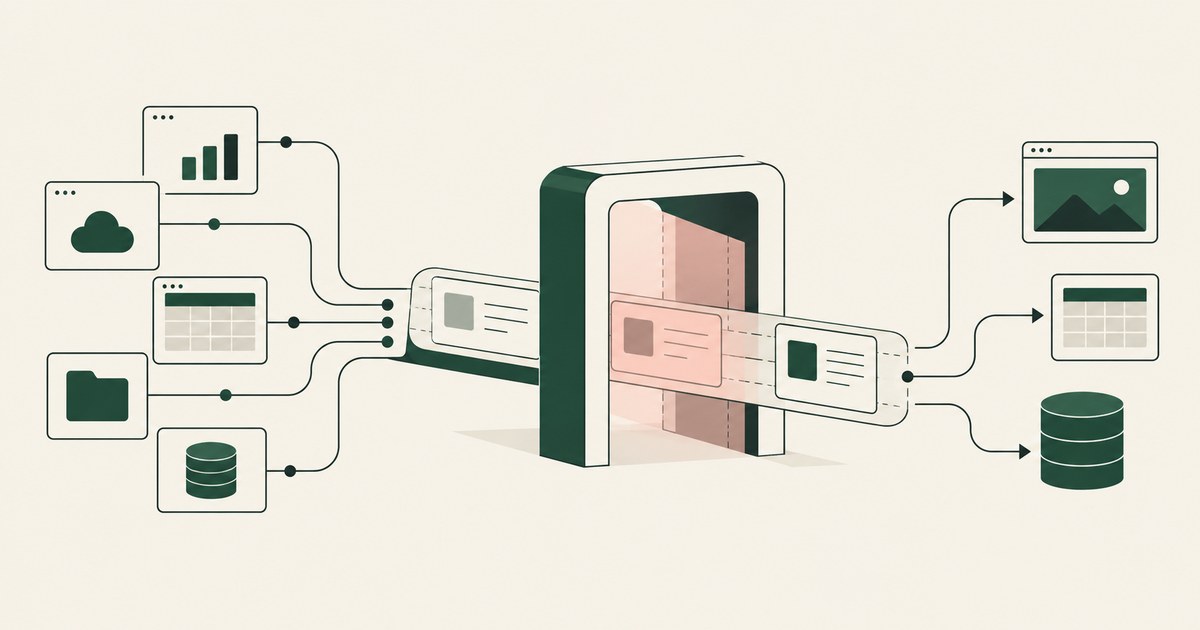
What Data Security Works Without Native App Integrations?
Review What Data Security Works Without Native App Integrations for AI agents, including tokenization, sensitive data exposure and human approval records.

What Is Screen-Level Tokenization?
Review Screen-Level Tokenization, with AI agent security, tokenization and approval checks for sensitive enterprise workflows.
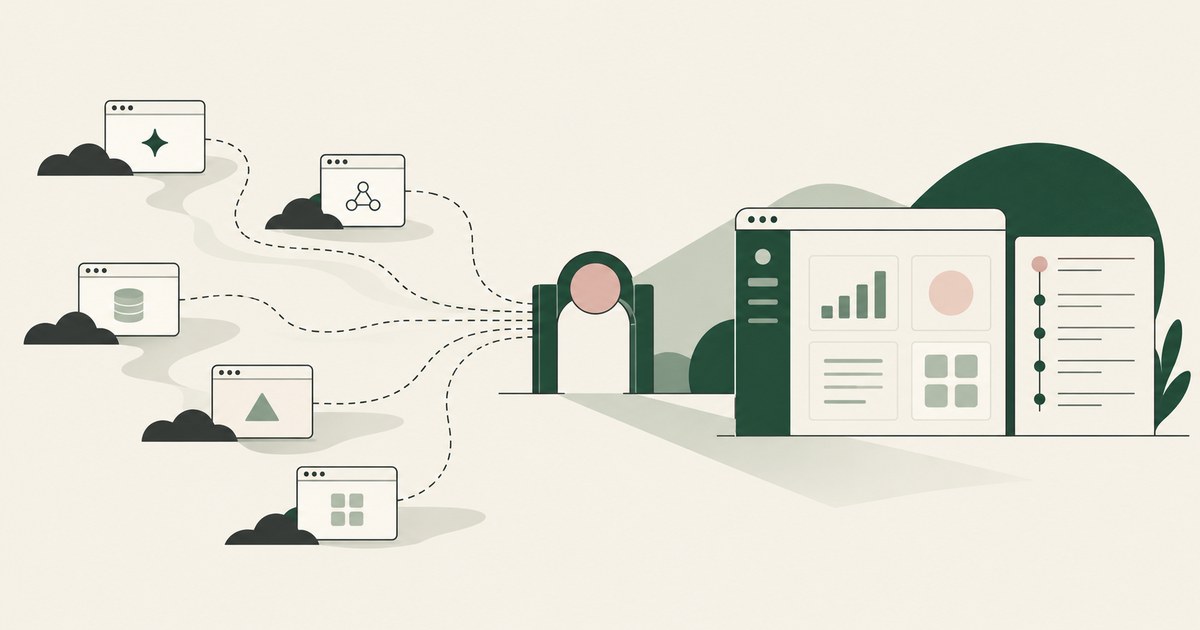
How to Reduce Shadow AI Agents Across Your Enterprise
Review Reduce Shadow AI Agents Across Your Enterprise, with AI agent security, tokenization and approval checks for sensitive enterprise workflows.
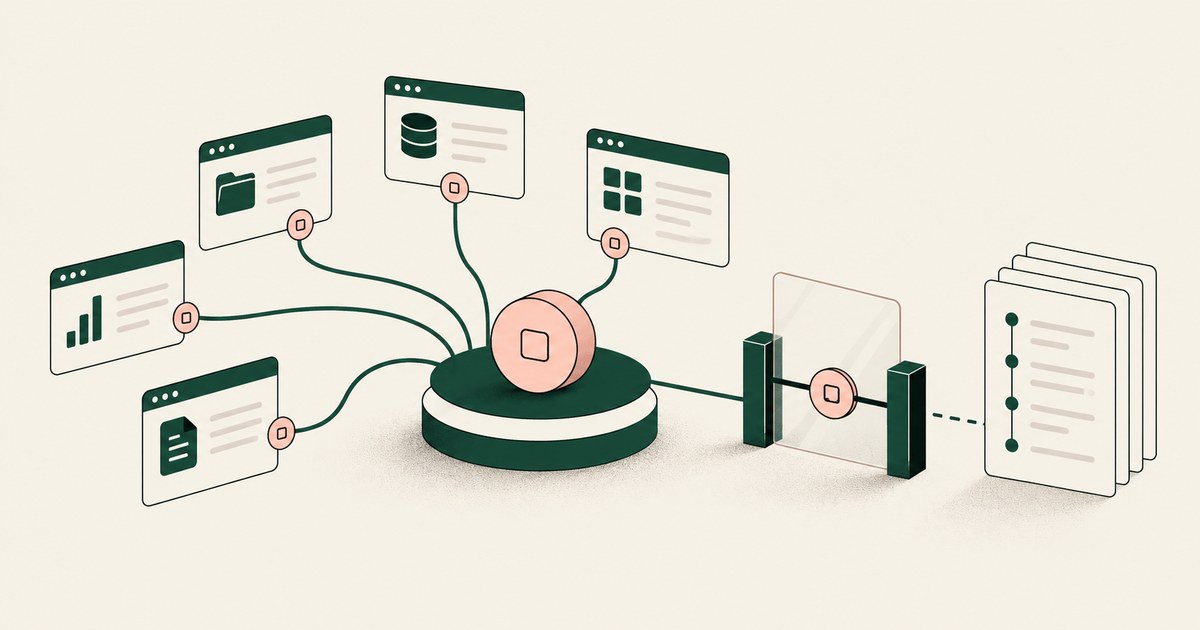
How to Secure AI Agents That Navigate Across Applications
Review Secure AI Agents That Navigate Across Applications, with AI agent security, tokenization and approval checks for sensitive enterprise workflows.
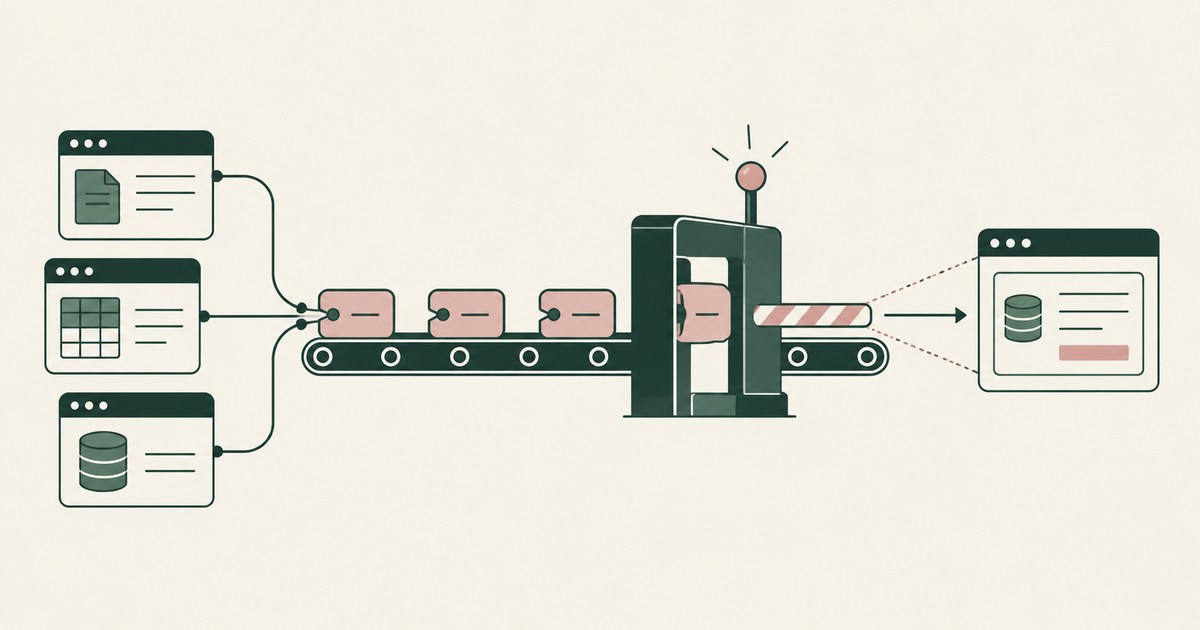
How to Prevent AI Agents From Oversharing Data Between Apps
Review Prevent AI Agents From Oversharing Data Between Apps, with AI agent security, tokenization and approval checks for sensitive enterprise workflows.
How to Simplify Data Protection Policies Across Apps?
Review Simplify Data Protection Policies Across Apps, with AI agent security, tokenization and approval checks for sensitive enterprise workflows.
How to Protect Data Across Microsoft and Other Apps?
Review Protect Data Across Microsoft and Other Apps, with AI agent security, tokenization and approval checks for sensitive enterprise workflows.
RedactSure vs Netskope: AI Agent Security
Review RedactSure vs Netskope: AI Agent Security, with AI agent security, tokenization and approval checks for sensitive enterprise workflows.
RedactSure vs Zscaler: AI Agent Security
Review RedactSure vs Zscaler: AI Agent Security, with AI agent security, tokenization and approval checks for sensitive enterprise workflows.
Secure AI That Crosses Every Silo
Explore AI agents that work across billing, collections and enterprise systems while tokenization protects PII at each workflow step.

What Is Render-Layer Tokenization?
Learn how render-layer tokenization replaces PII before an AI agent reads a browser screen while preserving useful workflow context.

What Is Supervised Delegation?
Explore supervised delegation for AI agents in billing and claims, with named responsibility, tokenization policies and human approvals.

What Is an AI Control Record?
Explore an AI agent control record for billing and claims, linking permissions, tokenization decisions, approvals and audit evidence.
Book an AI Agent Security Review →
Bring your hardest questions.
Bring one sensitive workflow and the decisions your team needs to keep in its hands.
Book a demoAbout the author

Chris Sowa is a founder of RedactSure and a former CEO of an AI company; he started it years before ChatGPT existed. He previously led AI at Accenture, served as Global VP of Strategy & Innovation at Schneider Electric, was CCO of Sovos, and spent more than a decade at Oracle, with earlier roles at SAP and IBM.