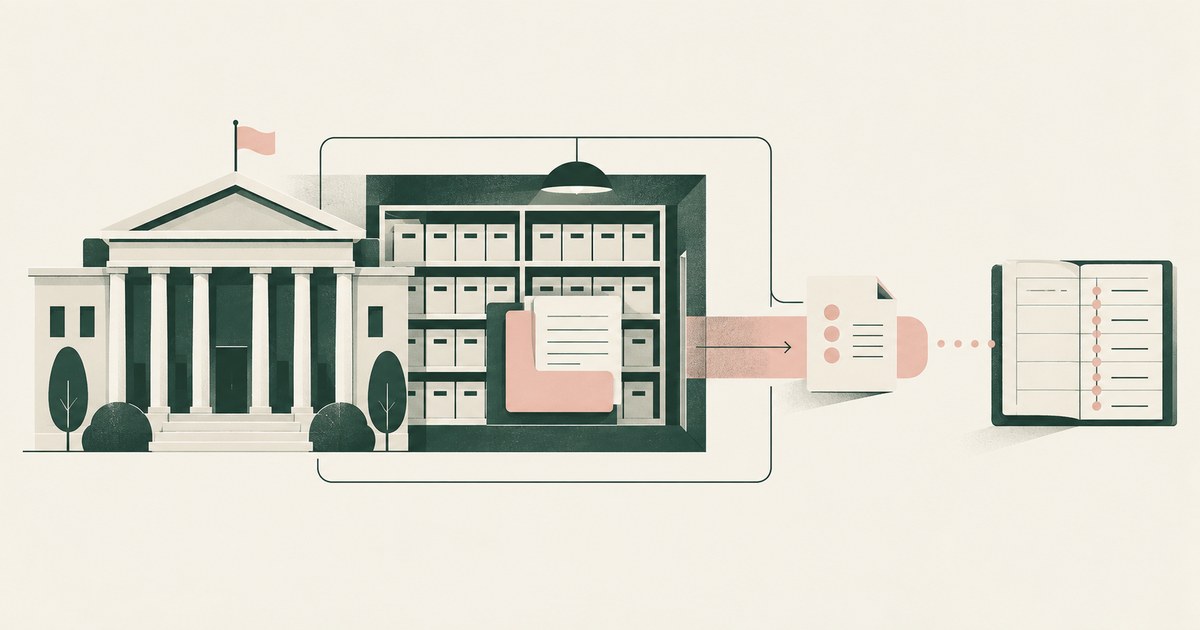
Can Agencies Use OpenAI Dots on Privacy Act Records?
Review OpenAI Dots for federal records, PII exposure and AI agent oversight under current agency policy, privacy rules and cloud authorization.
 redactsure
Research topic
Research on AI Control Record for AI agent workflows, with tokenization, access controls and evidence for teams handling sensitive business data.
Review OpenAI Dots for federal records, PII exposure and AI agent oversight under current agency policy, privacy rules and cloud authorization.

Review AI agent approval settings for claims, billing and payments, including standing permissions, named approvers and recorded decisions.

Review AI agent security, automated action reviewers and PII controls for regulated claims and payments, with customer approval evidence.

Compare AI model pricing while retaining AI agent controls, tokenization and approval records for billing, claims and other regulated work.

Review Reduce Shadow AI Agents Across Your Enterprise, with AI agent security, tokenization and approval checks for sensitive enterprise workflows.

Review Reduce Rogue AI Agent Decisions, with AI agent security, tokenization and approval checks for sensitive enterprise workflows.
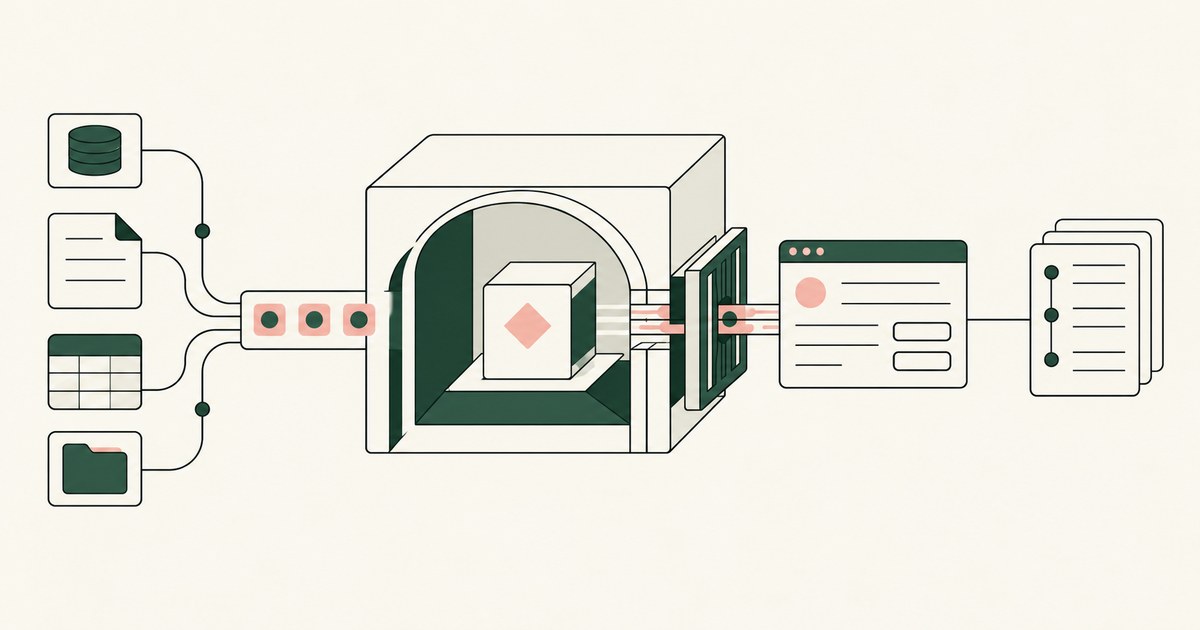
Review Secure AI Agents That Access Customer Data, with AI agent security, tokenization and approval checks for sensitive enterprise workflows.
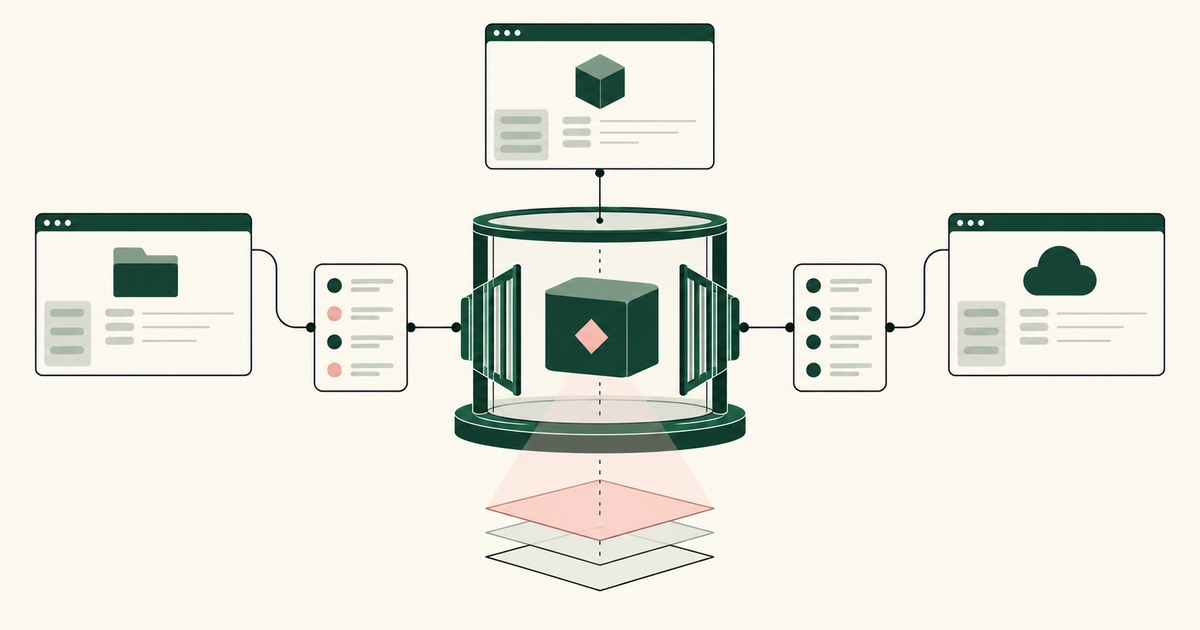
Review Secure AI Agents Across AWS, Azure and GCP, with AI agent security, tokenization and approval checks for sensitive enterprise workflows.

Review Set Up an AI Control Record for AI Agents, with AI agent security, tokenization and approval checks for sensitive enterprise workflows.
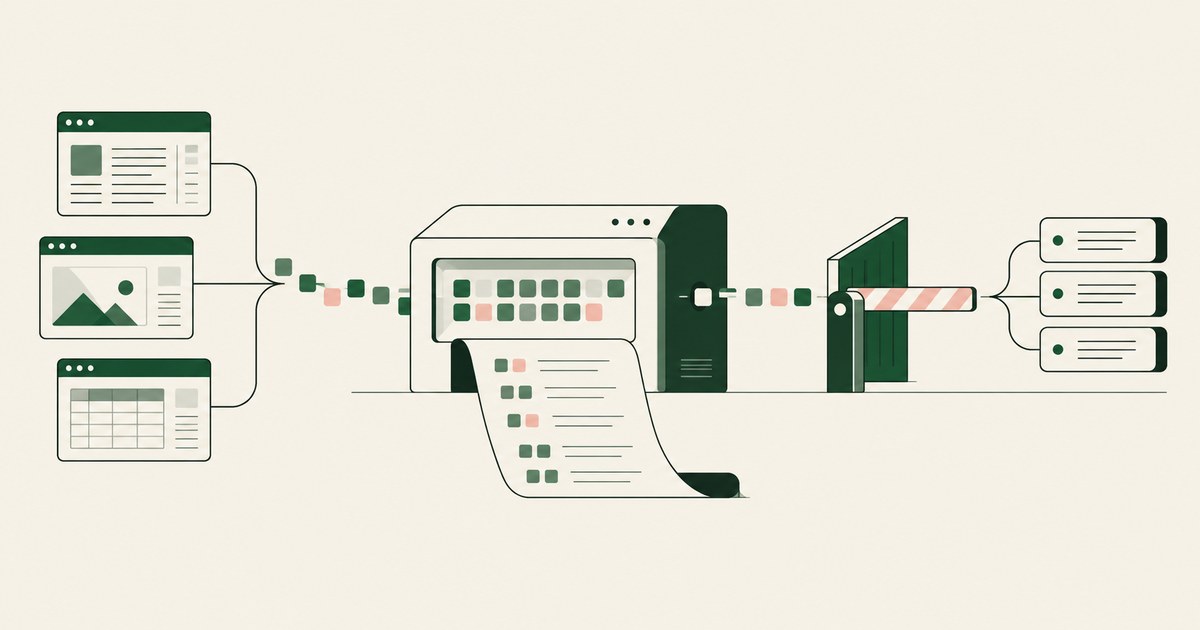
Review Monitor What an AI Agent Actually Accesses, with AI agent security, tokenization and approval checks for sensitive enterprise workflows.
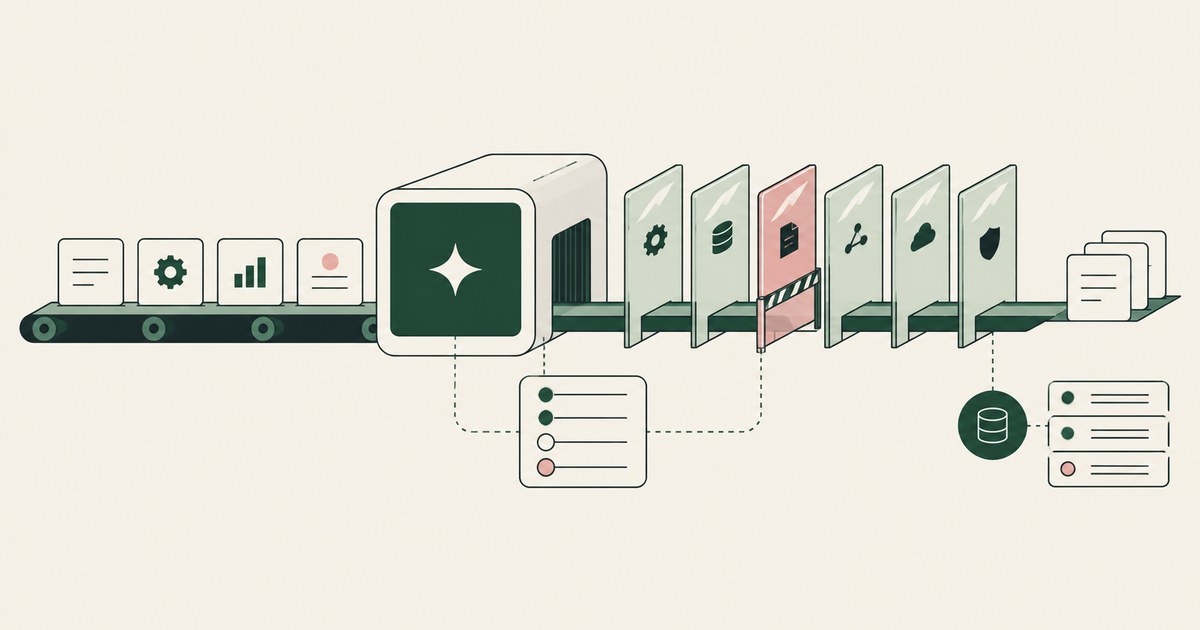
Review Secure AI Agents That Act Without Human Approval, with AI agent security, tokenization and approval checks for sensitive enterprise workflows.

Review Maintain Audit Trails for AI Agent Activity, with AI agent security, tokenization and approval checks for sensitive enterprise workflows.

Review Human-in-the-Loop Approval for AI Agents, with AI agent security, tokenization and approval checks for sensitive enterprise workflows.

Microsoft Purview governs the data estate and the prompt a supported Microsoft app sends; RedactSure governs the rendered screen before a model reads it.

Review AI Agent Data Security, with AI agent security, tokenization and approval checks for sensitive enterprise workflows.
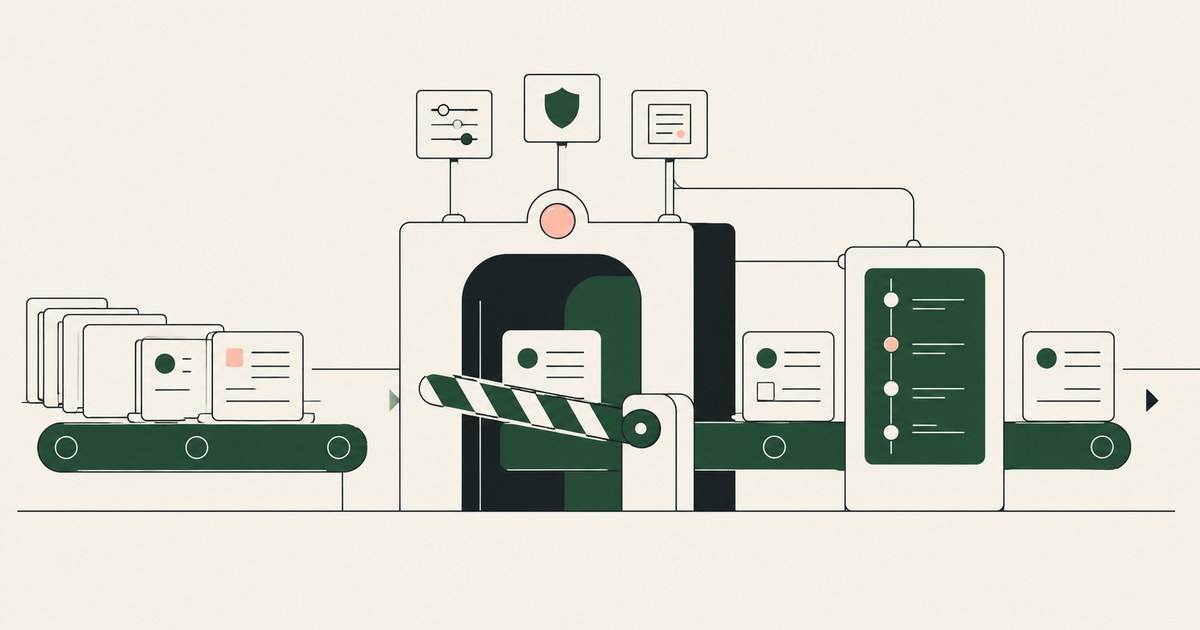
Review AI Agent Action Governance, with AI agent security, tokenization and approval checks for sensitive enterprise workflows.

Review a Governed AI Workflow, with AI agent security, tokenization and approval checks for sensitive enterprise workflows.
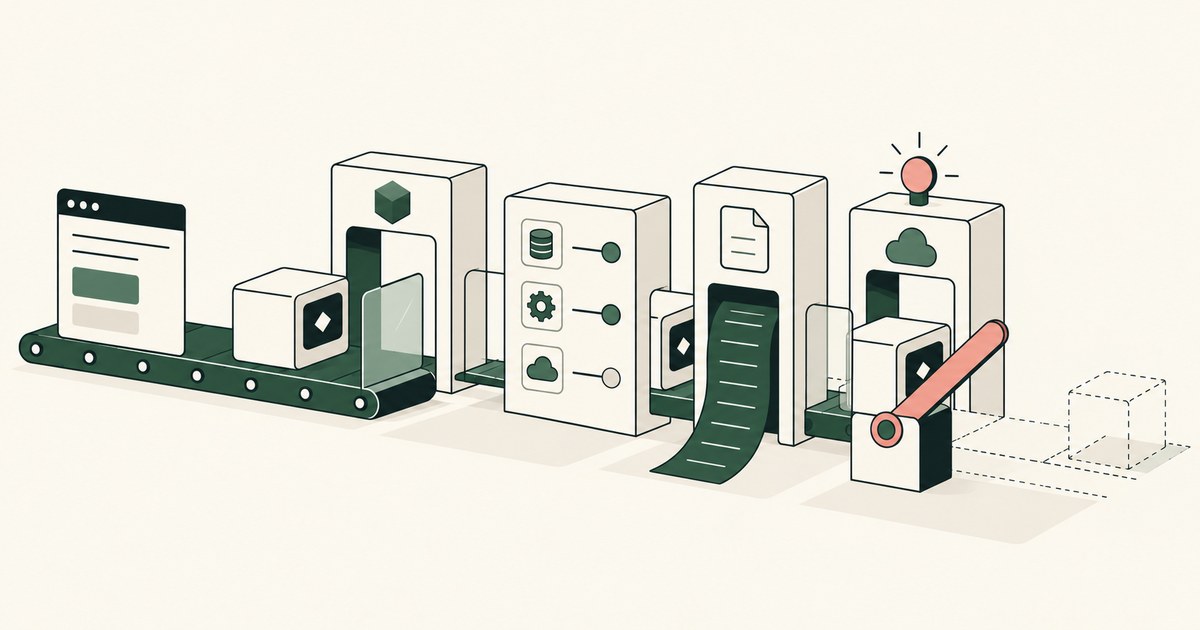
Review How Do You Secure AI Agents in Production, with AI agent security, tokenization and approval checks for sensitive enterprise workflows.
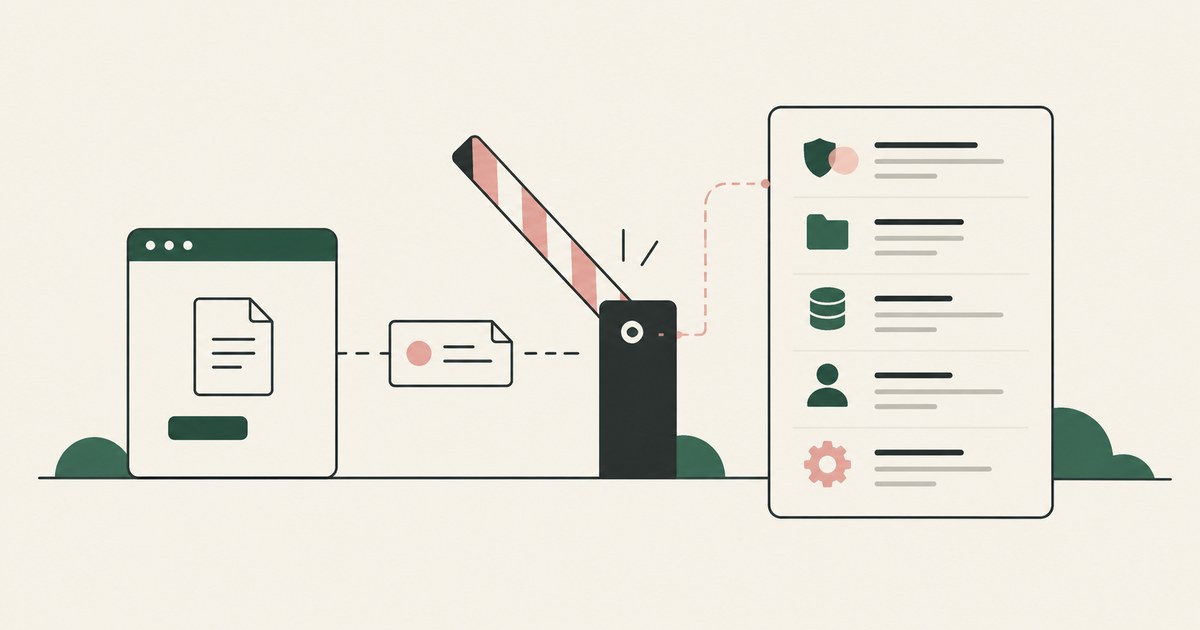
Review see exactly why a security policy blocked an action, with AI agent security, tokenization and approval checks for sensitive enterprise workflows.
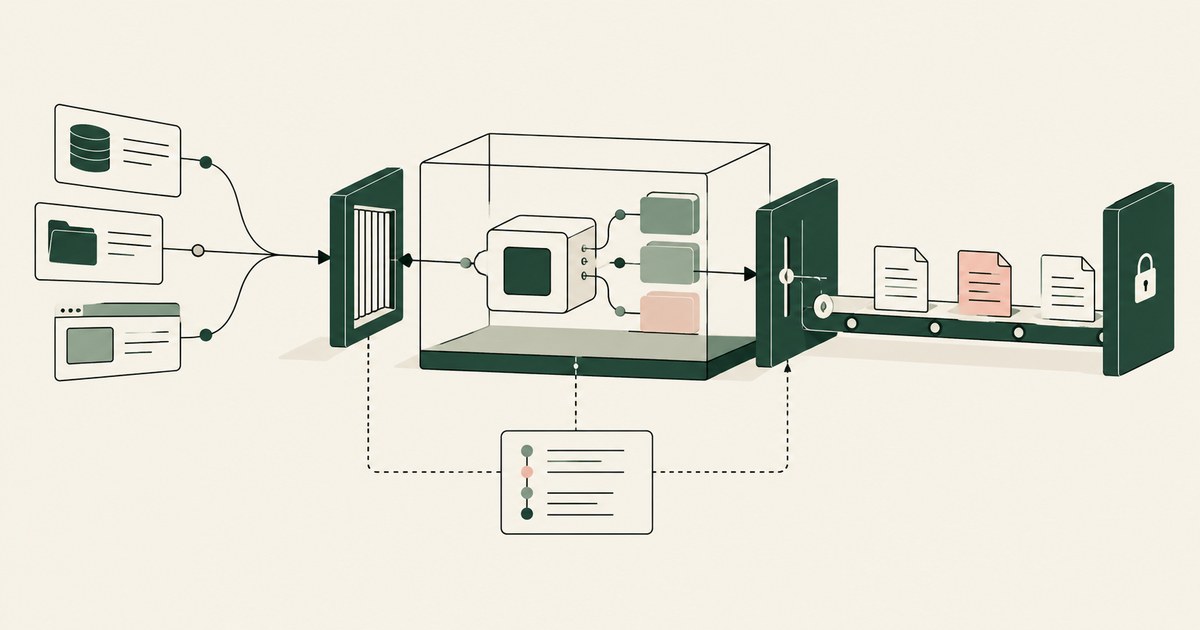
Review secure AI agents for AI agent security, with practical checks on sensitive data, tokenization and named human approvals.
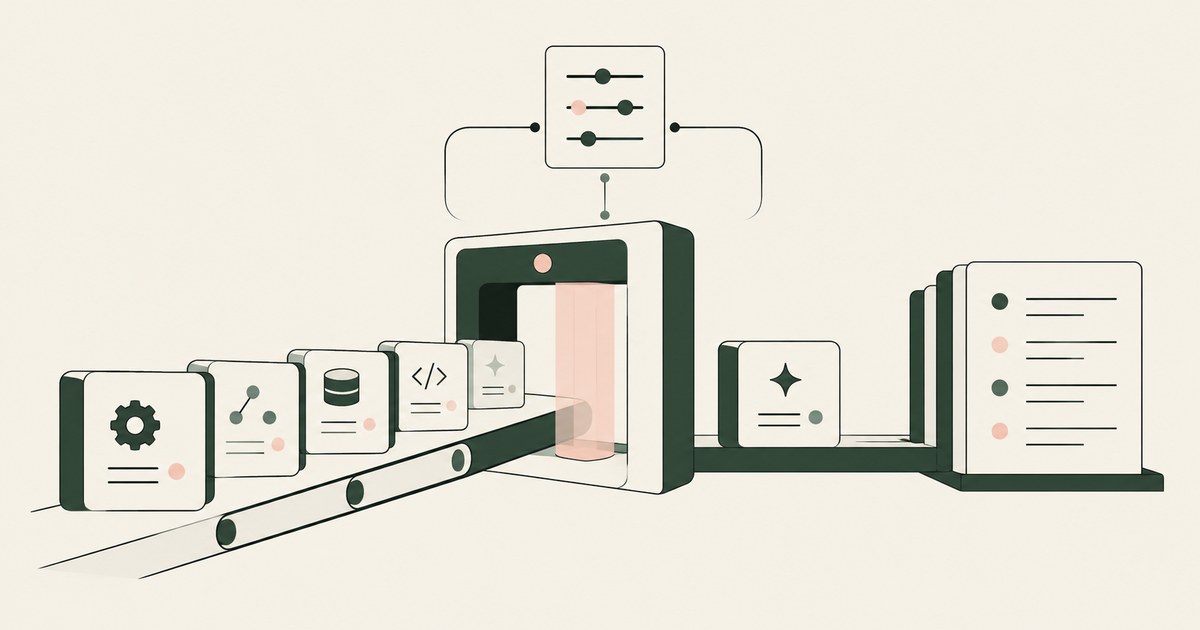
Review secure AI Agents in Enterprise, with AI agent security, tokenization and approval checks for sensitive enterprise workflows.
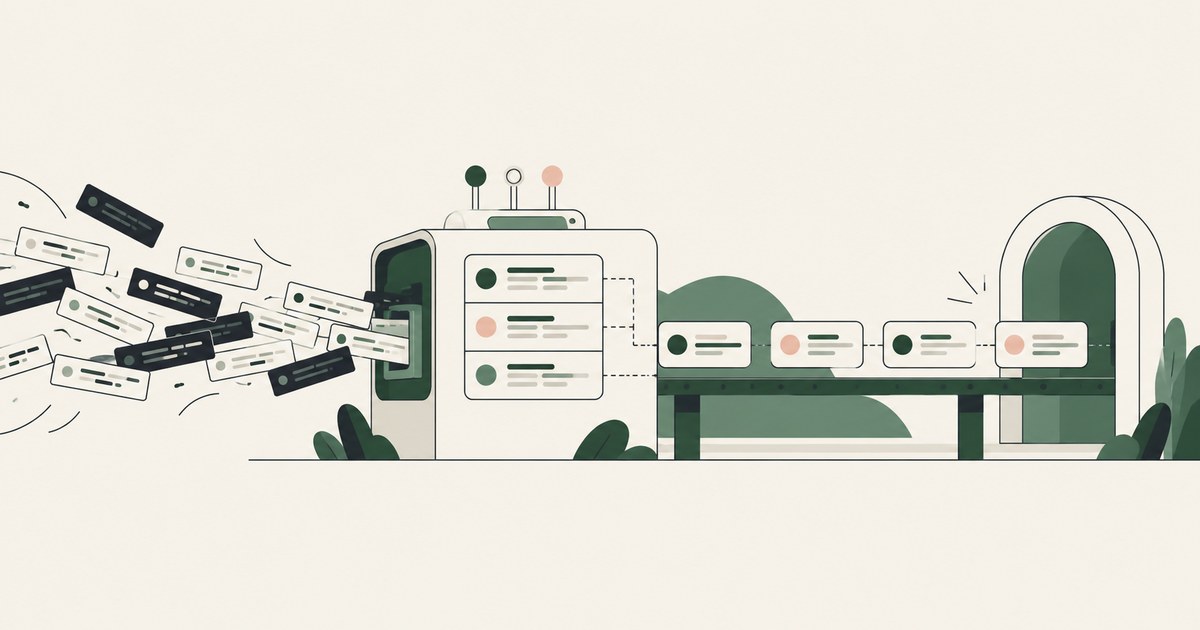
Review Understand Security Logs Without Exporting Them, with AI agent security, tokenization and approval checks for sensitive enterprise workflows.
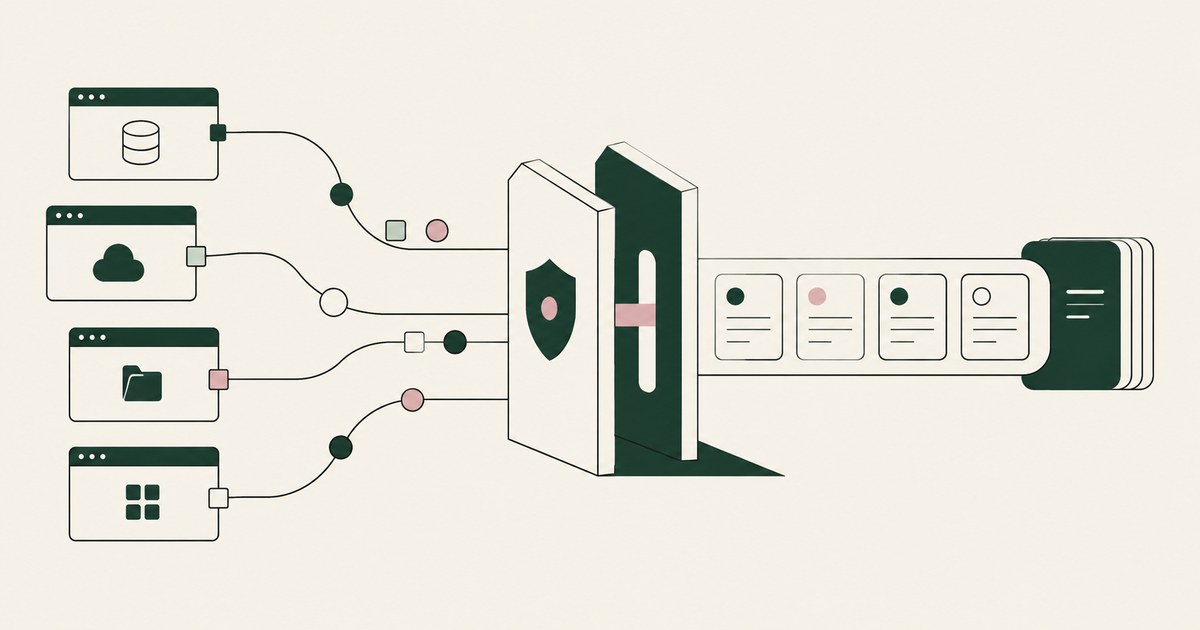
Review Audit Sensitive Data Access Across Apps, with AI agent security, tokenization and approval checks for sensitive enterprise workflows.
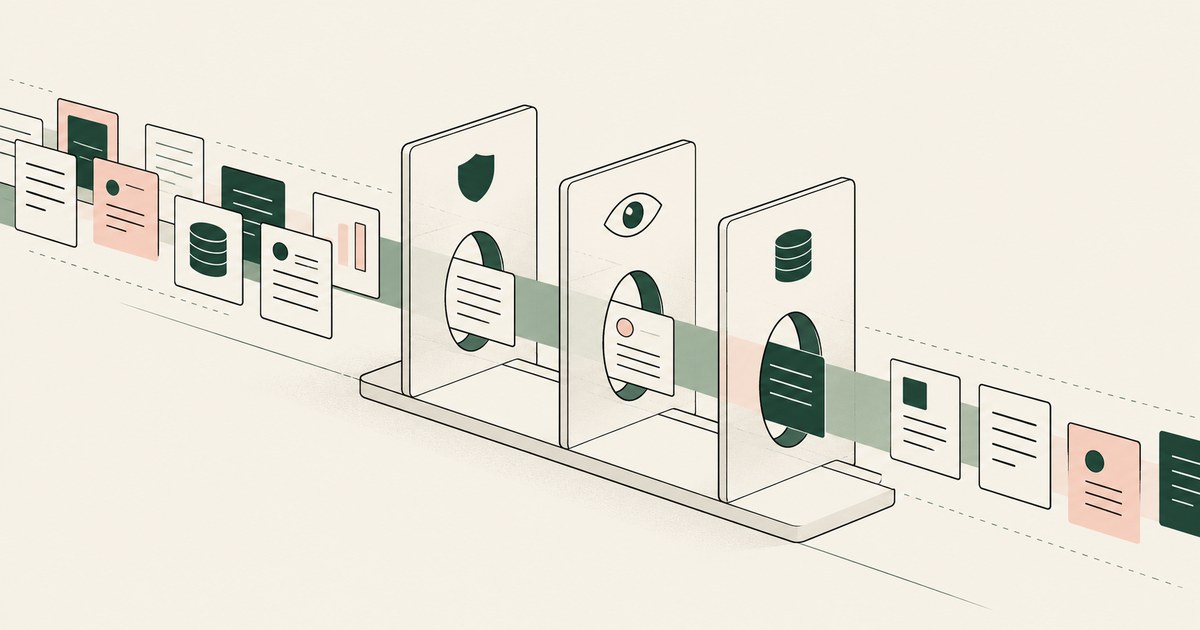
Review Make Sensitive Data Protection Policies Visible, with AI agent security, tokenization and approval checks for sensitive enterprise workflows.

Review Shadow AI for AI agent security, with practical checks on sensitive data, tokenization and named human approvals.
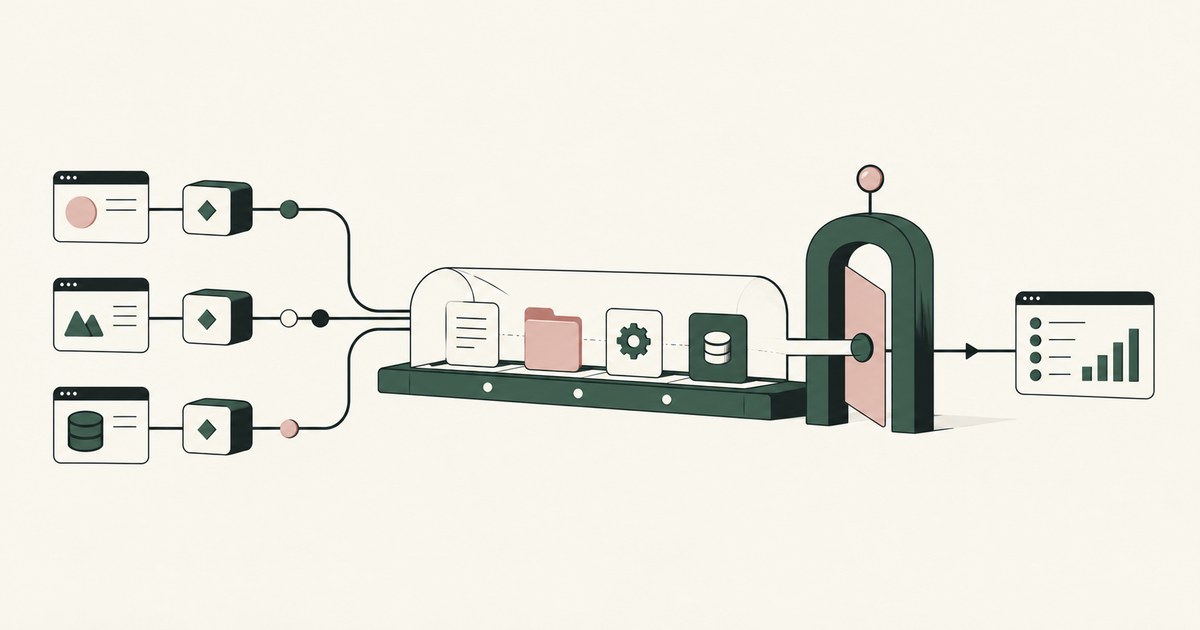
Review AI Agent Visibility, with AI agent security, tokenization and approval checks for sensitive enterprise workflows.
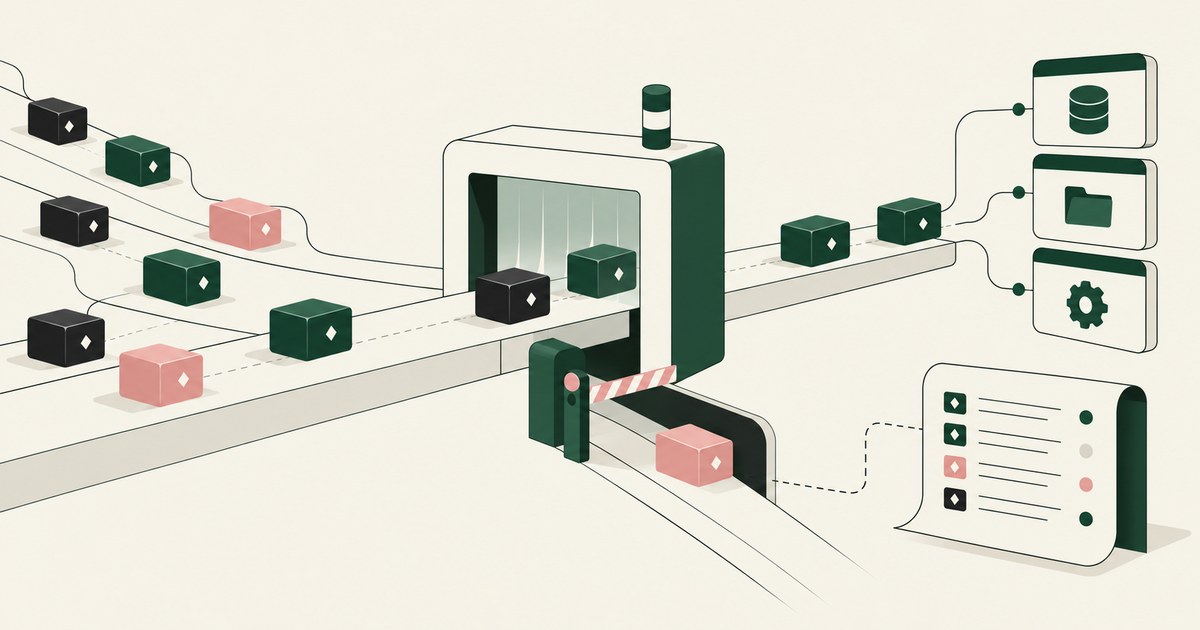
Review AI Agent Discovery for AI agent security, with practical checks on sensitive data, tokenization and named human approvals.
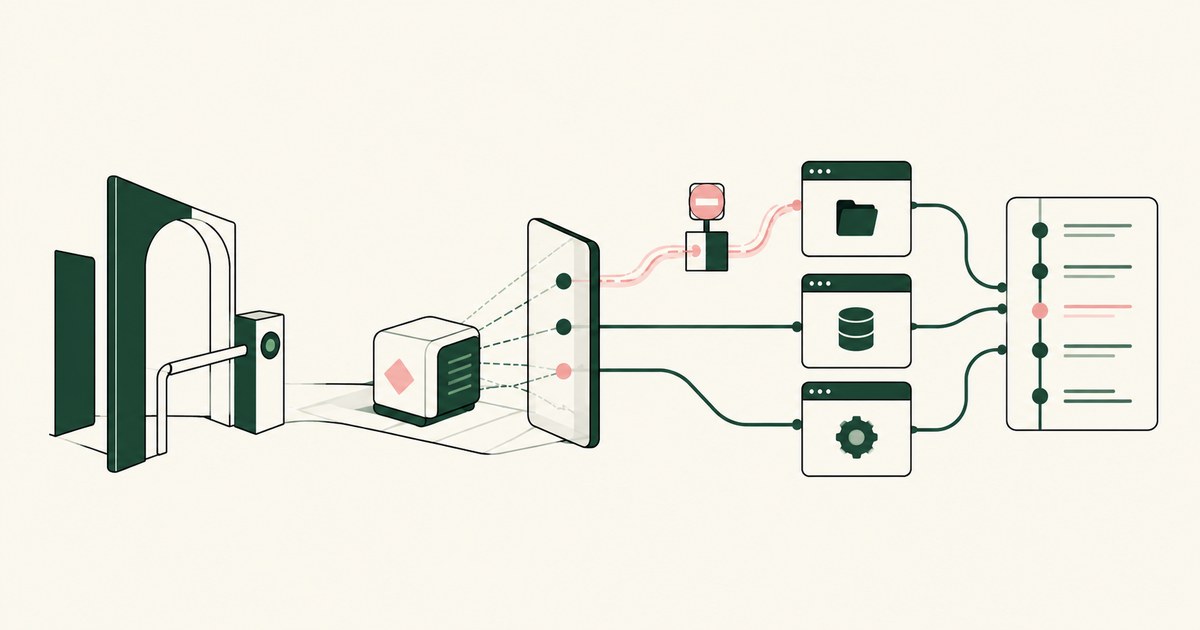
Review AI Agent Runtime Security, with AI agent security, tokenization and approval checks for sensitive enterprise workflows.

Review AI Agent Oversharing, with AI agent security, tokenization and approval checks for sensitive enterprise workflows.
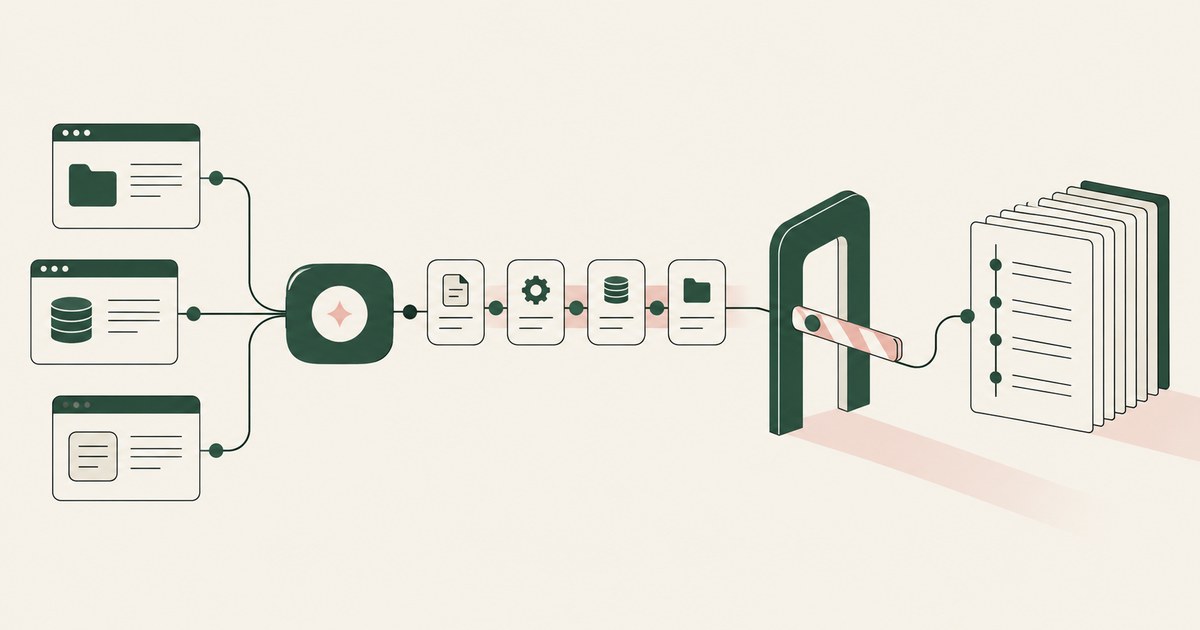
Review AI Agent Auditability, with AI agent security, tokenization and approval checks for sensitive enterprise workflows.
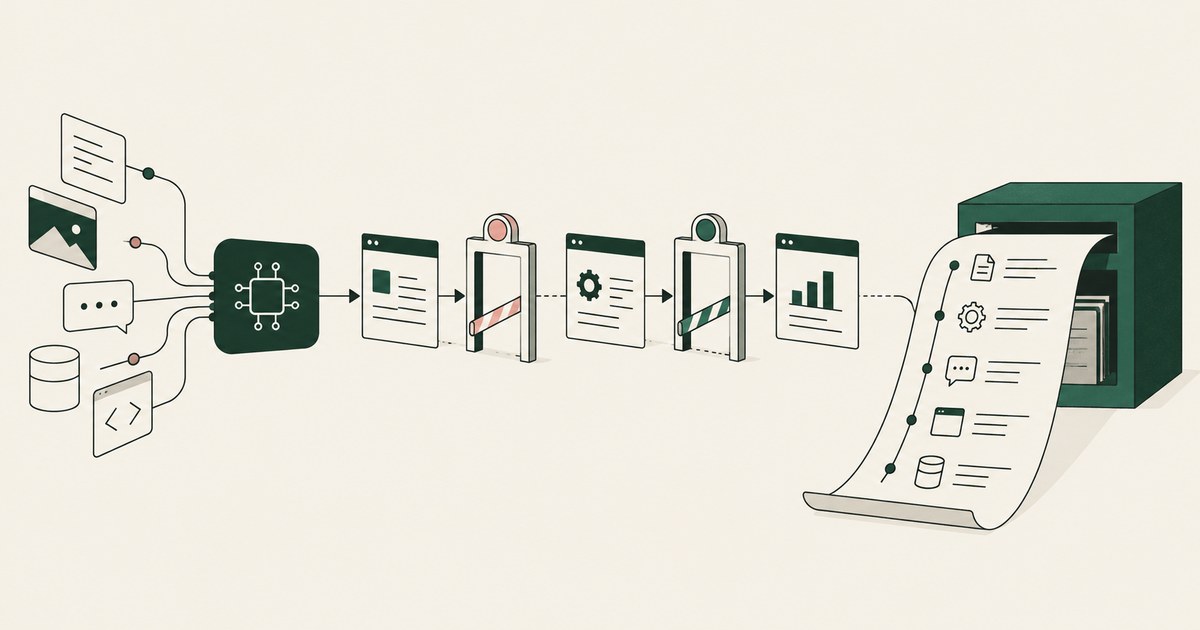
Review an AI Agent Audit Trail, with AI agent security, tokenization and approval checks for sensitive enterprise workflows.
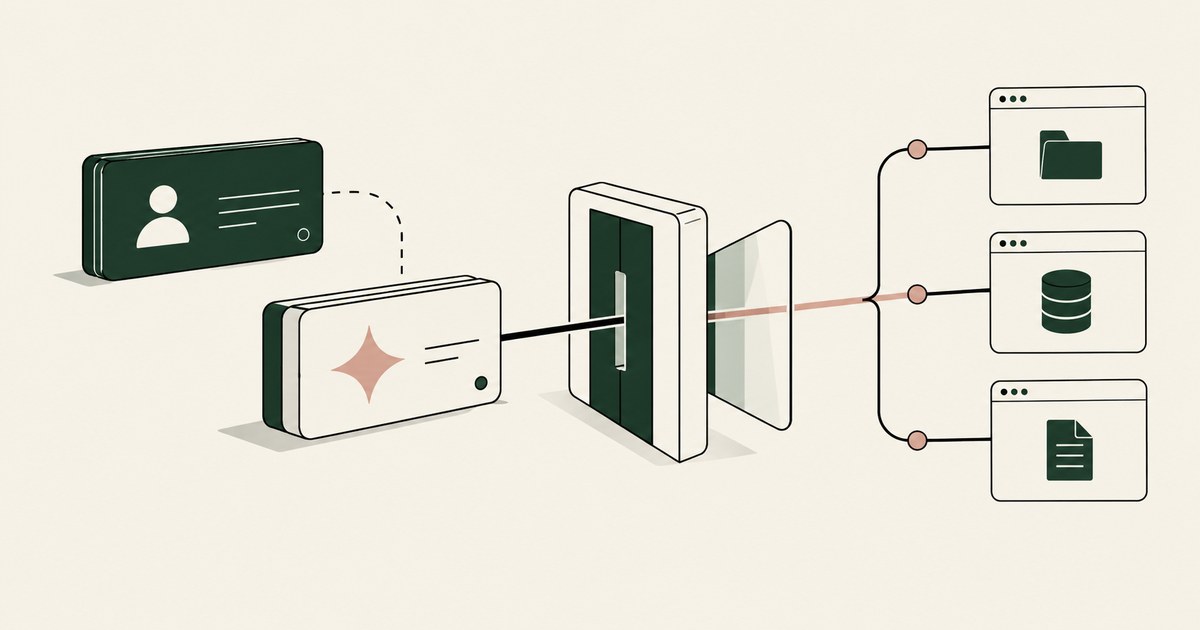
Review AI Agent Identity for AI agent security, with practical checks on sensitive data, tokenization and named human approvals.
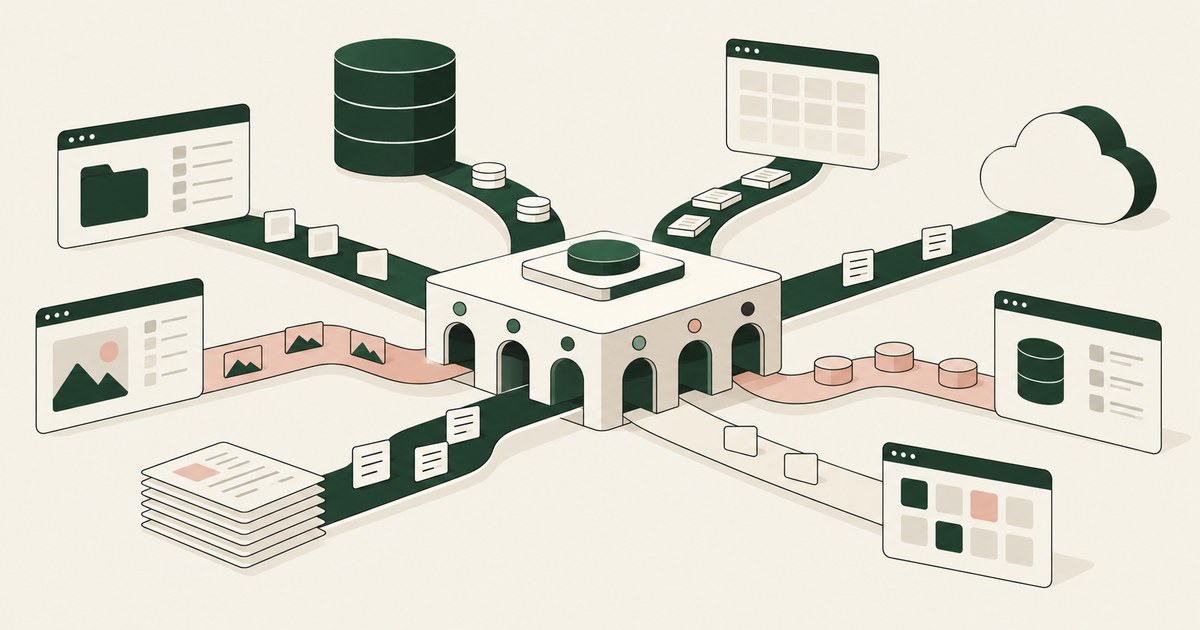
Review AI Agent Data Reach, with AI agent security, tokenization and approval checks for sensitive enterprise workflows.
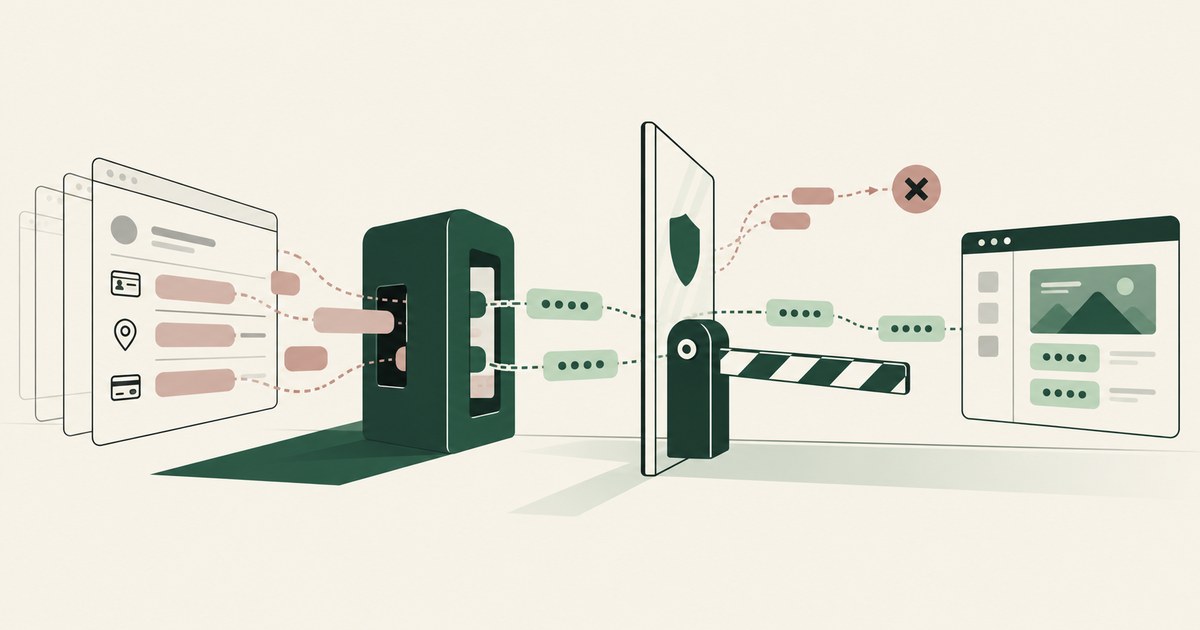
CrowdStrike returns allow or block at the point of execution, while RedactSure replaces values on the rendered screen before a model reads it.
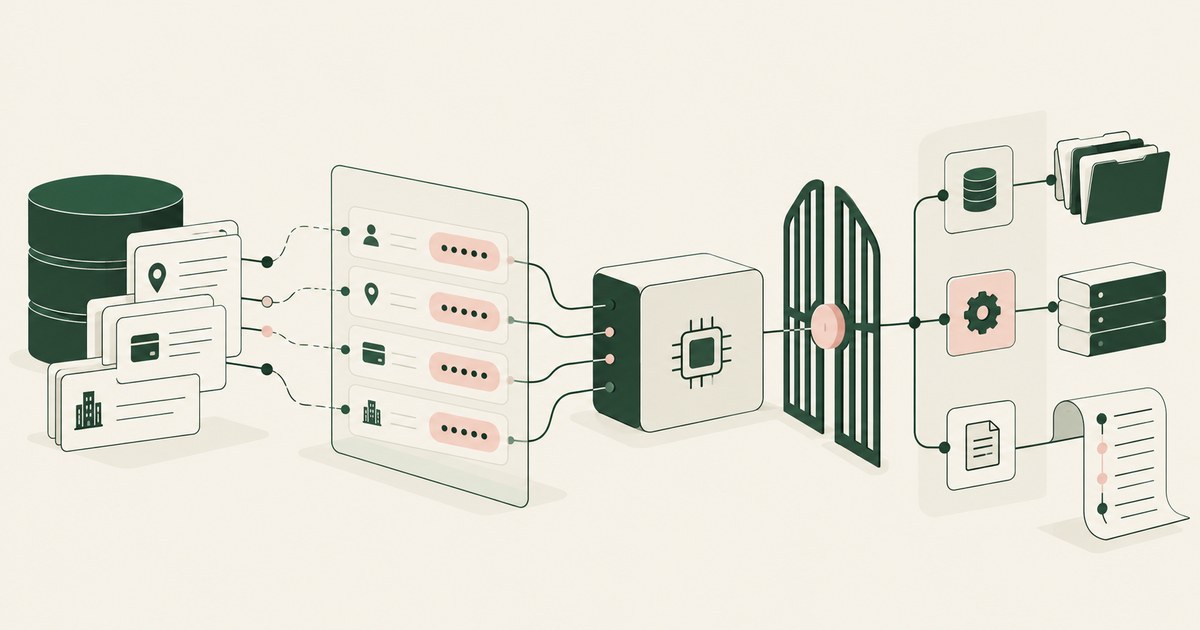
BigID discovers sensitive data and masks values in prompts and responses, while RedactSure replaces values on the rendered page before a model reads it.
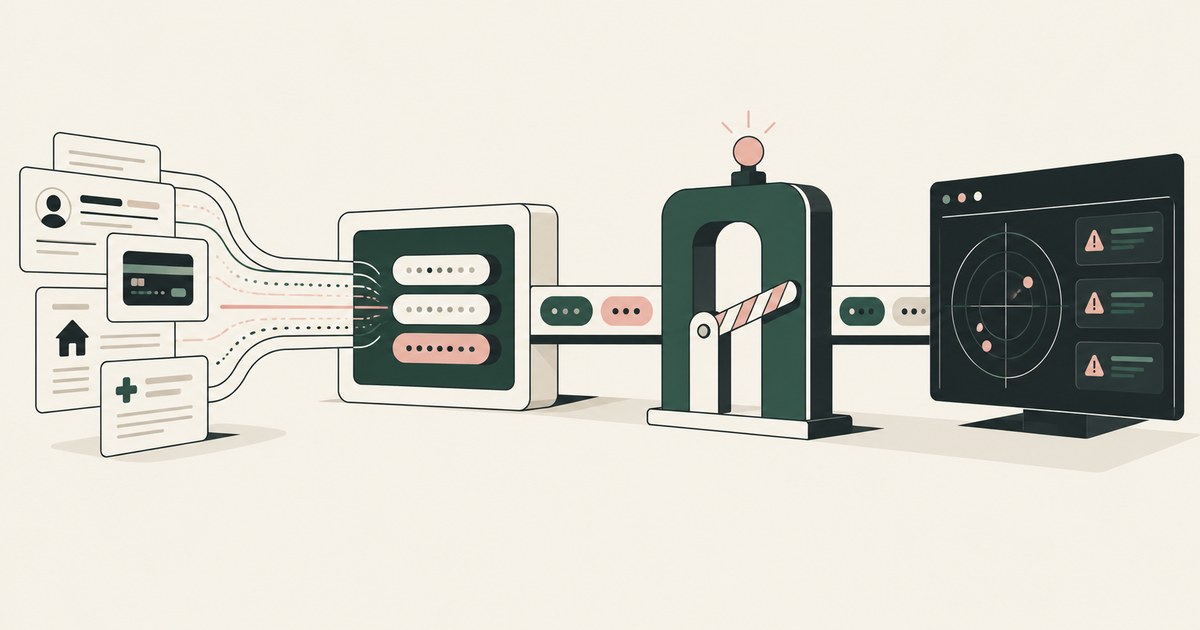
Radware inspects prompts, responses and tool calls at its proxy; RedactSure replaces values with tokens on the rendered screen before any model reads it.
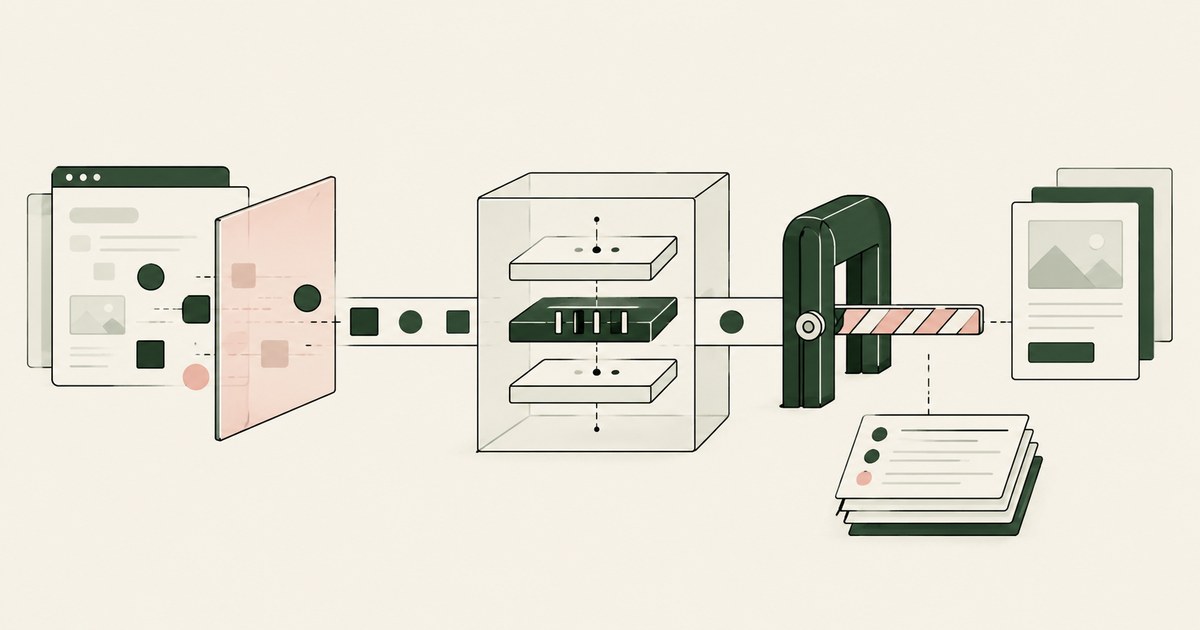
Arthur AI checks prompts and responses at the application LLM boundary around the model call. RedactSure tokens values before any model reads the screen.
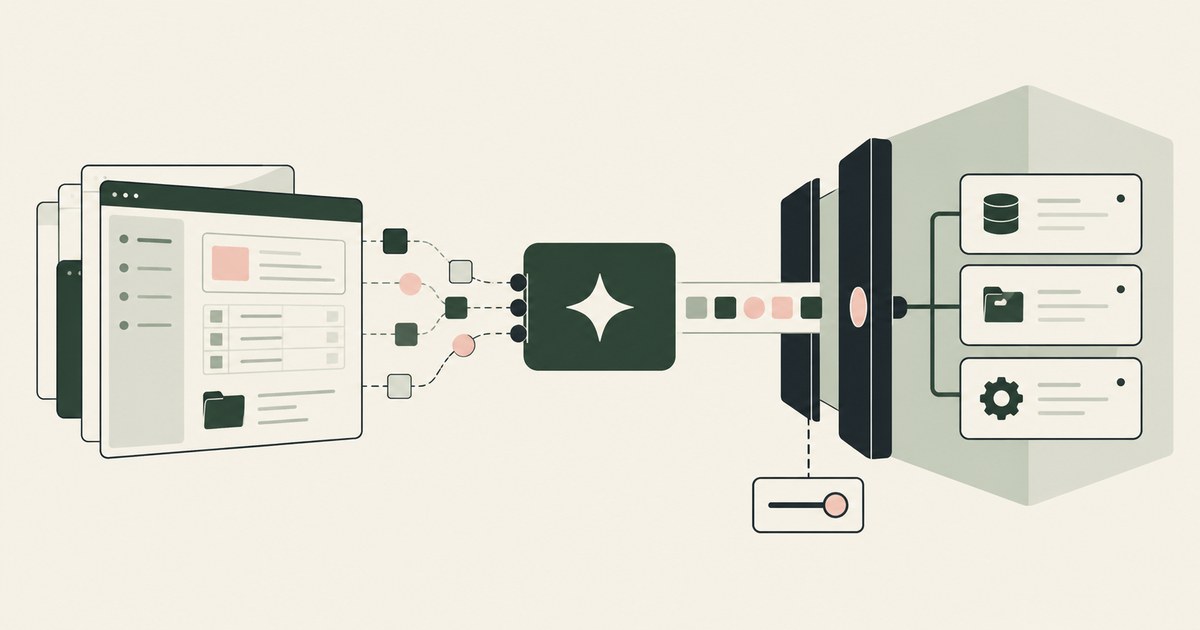
CyberArk, now Idira, controls which agent and which tool call reach a system, while RedactSure controls what the model reads on the rendered record.
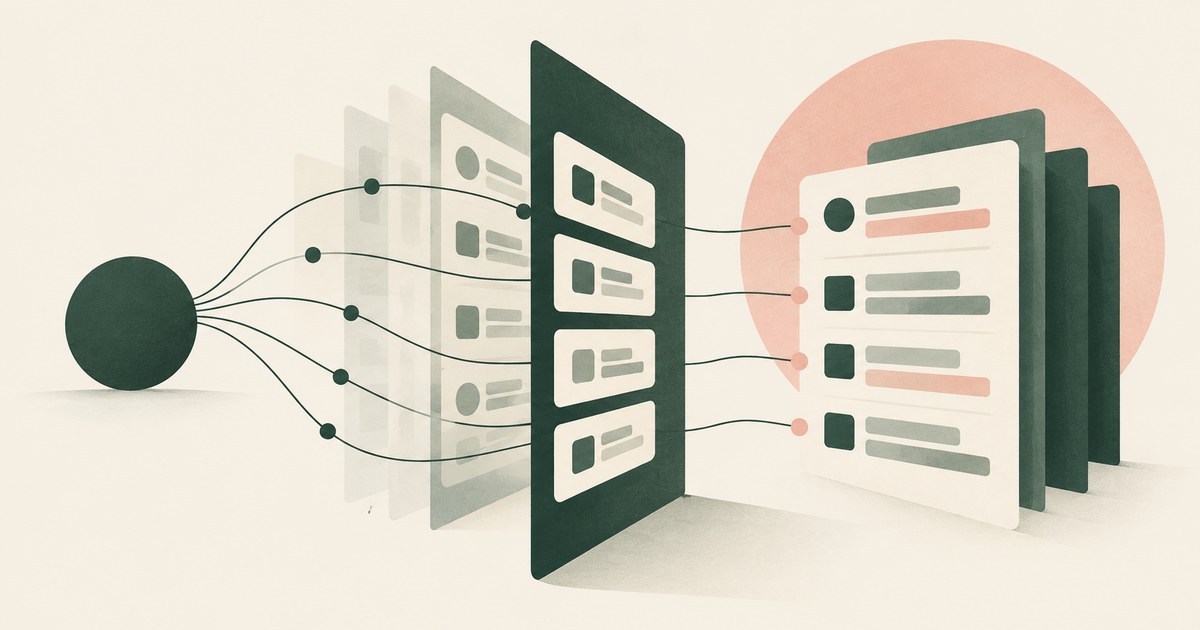
Usually you do not: native logs attribute agent activity to the human account and record events, not pages read. Check for a record naming each screen.

Seed one record type with canary values the task does not need, run with and without a page policy, then score completion and exposure together.
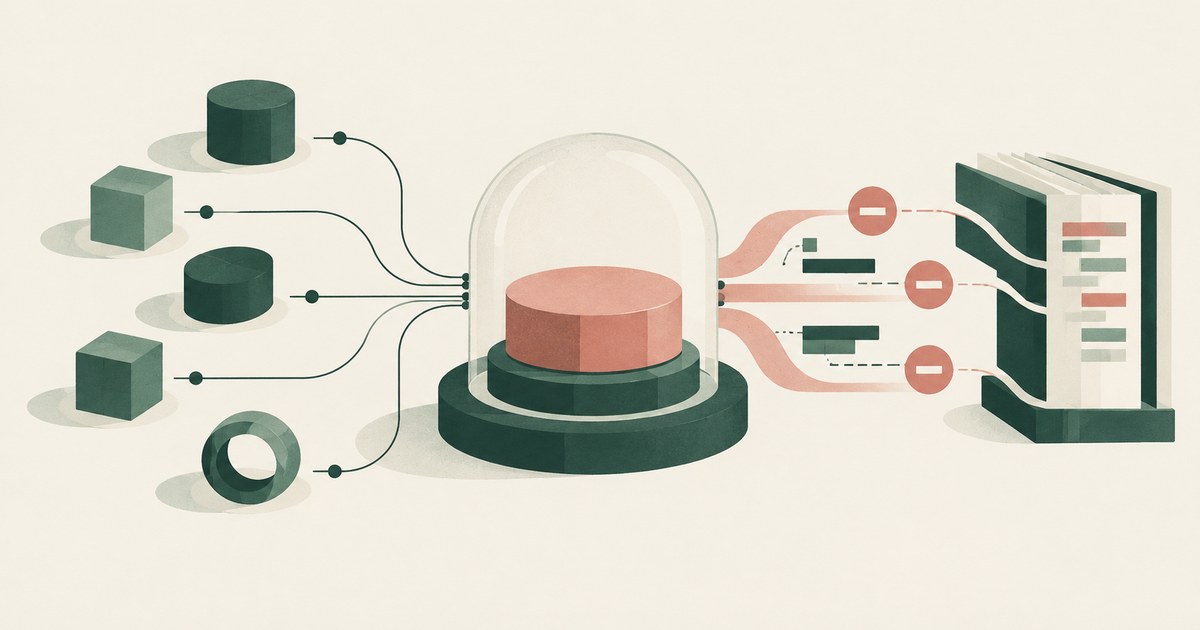
A named person's ability to stop an agent at once: end sessions, revoke credentials, halt actions in flight and preserve the record. Check you have each.

The hosting vendor controls where the agent runs and which sites it reaches; no one documented controls what the model reads from a page. Set page policy.

Yes, when the value never entered the agent's environment by design and the record shows a reference; no, when the proof is a transcript search.
Yes. A GPU instance request commits money the moment it is submitted, so the approval belongs on that request, with a named person and a record.
Put three answers in writing before the review: what the agent holds, what it can reach, and what the record shows. Name the approver.
With a record produced by design: the model received a reference such as GITHUB_TOKEN_01, the value resolved only at an approved destination.
The person who delegated the work, on a client or in a vault that person controls, while the agent holds only a reference.
No, an agent that reads a real admin console holds the leaver's name, address and role, so a confirmation prompt narrows what it may do, not what it already read. Approve the account list by name, then let it execute where the screen renders tokens and the record shows what it saw.
No. Docker Sandboxes bounds where an agent runs and keeps a proxied credential on the host, but its pages describe no approval step before a command or a submission, so the model receives whatever page it opens and no person is asked; check which layer of your stack asks, and what it records.
Not completely. Gemini in Chrome leaves a work log in the tab it works in and Google keeps Gemini Apps activity on its own retention terms, but the pages reviewed describe no exported, per-page record of what the agent read, so ask for that export in writing.
No: a zero data retention agreement governs what Anthropic keeps after a response, and the tool's own page says Anthropic "processes the screenshot images and action requests in real time as part of the API call" while the request is open. Ask what your request carries before you ask what the vendor stores.
No, not for a finance process that needs evidence: Gemini reads the invoice, vendor record and bank details in the signed-in tab, and Google leaves the outcome with the person, including unexpected results such as a completed purchase. A watched one-off is not a payment run; ask what the model received and who approved it.
No, not while the model reads the whole rendered screen, because a claim, denial or remittance page names the patient on every line. The work is governable when the identifiers are replaced with consistent tokens before any model reads it, a named person approves each submission, and the record shows what the model received.
Gemini in Chrome completes tasks in signed-in tabs, while RedactSure, a Gemini in Chrome alternative built for AI agents, replaces values on the screen before the model reads them. RedactSure is an alternative way to think about agent browsing security, because it protects sensitive data as it is rendered on a screen, before an agent uses it.
Grok Bot runs the browser and the app logins on a cloud computer; RedactSure, a Grok Bot alternative built for AI agents, replaces a page's values before the model reads them. RedactSure is an alternative way to think about agent browsing security, because it protects sensitive data as it is rendered on a screen, before an agent uses it.
A secure alternative to 1Password autofill for card numbers is a governed browser that replaces the digits on a payment page with a token before any model reads the screen, then releases the real number only at that checkout's own submit. Check what the model receives on that page, who approves the charge, and what record remains.
A secure alternative to Browser Use for vendor portal automation replaces the values a portal displays with consistent tokens before any model reads the screen, then releases a real value only at the approved destination. Ask whether the account number the portal echoes after sign-in is covered, who approves the payment, and what record the run leaves.
For work that touches production credentials, the secure alternative is a governed environment that replaces those values on the rendered page before any model reads it, then releases the real credential only at an approved destination. Check what the agent's model receives on the deploy screen and which named person approves the release.
Alternatives to Edge Copilot Actions for vendor portal work are judged by what the model reads on the portal page, not by where the clicks run. Look for values replaced with consistent tokens before the model reads the rendered page, a named person approving each remittance, and a record of both.
Alternatives to Manus for paying vendor invoices are judged by what the model reads on the payable page and by who approves the payment. Look for a per-user environment that renders the account and routing values as tokens, releases the real values only at the bank's submit, and keeps a record of what the model received.
None of the consumer agents reviewed asks before releasing a payment run: each reads the real invoice and bank screens, and its prompt covers one action, not the batch. A run of fifty invoices needs a named approver on the run, a record of what the model saw, and values replaced before any model reads them.
The accounts payable manager who signs off on a clerk's payment does, at the point the real bank details are released rather than when the agent proposes the run. Ask the vendor to name that person, to show what the model read on the payables screen, and to produce the approval record.
Of 741 developer comments on Meta Muse, 109 raised security or privacy concerns, about 1 in 7. Of 646 developer comments on OpenAI Dots, 101 did, about 1 in 6. Business-buyer and consumer opinion could not be collected.
No, not while the agent reads the report screen, because the reimbursement account, the receipt images and the card transactions render beside the amount and the category. Ask for tokens on the rendered page before the model reads it, a named person approving the release, and a record of what the model received.
No, not on the payment step itself: an agent that fills a screen collecting the account and routing numbers reads the digits it types, and keeps them for the rest of the run. Check whether the rendered page substitutes tokens before the model reads it, who approves the submit, and what record shows what the model received.
Only with a per-run record of what the model received on each screen, which is what an AI Control Record is for. Ask for one run's page with its tokens, the mapping held outside the model, and the name of the person who approved the action.
A browser the agent drives already holds the session you signed into, so it works as you there, and Cursor's security page documents terminal and MCP approvals and nothing about how the browser treats a session or a credential a page shows. Ask what the model receives from each screen before pointing an agent at an account.
No. Chrome's own pages say Gemini "can use the context of the currently viewed webpage," so destination policies, the purchase confirmation and the tab's work log govern where the agent goes and what it may do, not what its model reads; ask for tokens rendered on the screen, a named approver and an exported record.
No: Cursor's agent security page sets approvals for terminal commands and MCP connections, calls its run modes "best-effort guardrails rather than a hard security boundary," and describes no audit log of what the agent ran or read. Ask for a per-session record exported to your own monitoring, and test what it contains.
No: Devin's guide describes four credential scopes, direct typing in the browser and environment variables in the shell, and describes no audit log of which credential a session used. Ask for a per-session record of the credential, the screen and the approving person, and test what it contains.
Put the limit on the instrument the agent spends with, a virtual card with its own cap, and have a named person approve anything above a threshold, so a hijacked run cannot exceed the card. Then check what the model reads on the payment page, because a card limit caps the loss and not the exposure.
No. Anthropic's Claude Code documentation puts its sandbox around shell commands and leaves Read, Edit, Write, WebFetch, WebSearch, MCP servers and hooks outside it, so check what those tools can open in a repository that carries real records (Anthropic, 2026).
No, not on Cursor's own documentation: each bank or insurer grants the approval, and their boards ask the same three questions. Cursor publishes its approvals, tool limits and ignore file, so check what its pages say about what the model reads, what the agent can run and what record survives the run.
No, not on work accounts whose pages carry sensitive data: Fellou's policy warns it may "unwittingly collect" what a user inputs and asks users not to input sensitive information. Check what the model receives from the page, who approves each action and what record survives the run.
No, not on the work accounts that open policyholder records: Grok Bot's documentation describes Bots on one shared cloud computer with a browser and one set of app logins, and no step that replaces a value before the model reads it. Ask what the model receives from a rendered policy screen, and who approves a coverage change.
No, not while the agent reads the servicing screen as the bank renders it: the model receives the account number, the balance and the transaction rows, and a confirmation does not remove them. Ask for tokens before the model reads the page, a named approver for each money movement, and a record of what it received.
No, not while the agent reads the refund screen itself: it carries the customer's name, email, address and the card's last four digits, and the amount field takes what the run types. Tokenize those values before the model reads the screen, cap the amount, and put a named person on every refund above the cap.
Nothing in the agent stops this, because a plausible vendor form is content and the agent processes it. What stops it is a person verifying the supplier through a channel the request did not supply, a bank account check, and a first payment held behind that person's approval.
A named approver on every direct deposit change and a destination policy that keeps the real bank details out of the agent's reach until that person signs off. The agent cannot be the approver, so ask what the model reads on the payment elections screen and who holds the account values.
The billing manager approves it, on the submission, because an appeal commits the provider to a clinical position the organization has to defend. Check what the model received from the denial and the draft before that signature, and whether the approval names the person and the claim.
A named person in accounts payable, designated before the agent runs, approves every change to a vendor's payment details, and no cap or standing approval replaces that signature. Check what the model read on the vendor record before the change was prepared, and what record ties the approval to the values that changed.
A named person at the institution, because the account that opens carries a record and an obligation, and state automated-decision laws reach decisions that replace human judgment. The record has to show what that person saw before the account opened.
The payroll manager does, on the submit, from a preview that shows the run's totals and exceptions rather than every salary. Ask what the model received on the entry screen, who signs off, and what the record shows the approver released.
Below the limit delegated to it, the agent can approve a routine purchase order; above it, a budget owner with that authority must, and the limit belongs in the environment's policy rather than in the agent's instructions. Ask where the threshold is stored, what the model reads on the approval page, and whose name the record carries.
The approver is the controller who releases the real bank account to the tax authority, and that release is what a named person has to sign every time. Ask what the model received on the payment page before the release and which record carries the approval.
Whoever approves a colleague's wire approves the agent's: a named approver at the release, never the agent, and where dual control applies, not the party that prepared the instruction. Ask for that person's name from the bank's approval rights and for the record of what the model read before the release.